Both centre on artistic romance and romantic separation.
Why this matches +
Genres: Drama / Romance
Shared film traits
Based on recorded story, mood and style. Your preferences can change the order.
Music and performance
What changes New York, New York: variable and episodic. La La Land: measured.
An aspiring actress and a jazz pianist meet while navigating service work, failed opportunities and incompatible ideas of artistic success in Los Angeles. Their romance gives each the encouragement to continue, but the work that moves them forward also creates distance. Seasonal shifts, songs and imagined possibilities follow the changing relationship between devotion to another person and the identities they hope to build through art.
Based on recorded story, mood and style. Your preferences can change the order.
Music and performance
Expect intense and sensual, with performance-led and episodic pacing.
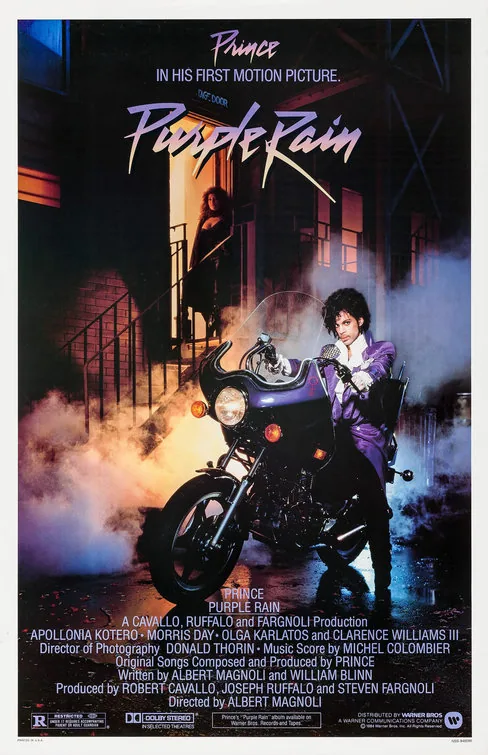
Known as the Kid, a gifted Minneapolis club musician pours his ambition and anger into performances while struggling with a volatile home life and a strained relationship with Apollonia. Rival performer Morris Day and the Revolution's internal tensions add pressure to an already precarious creative life. The story is partly organized around live music: songs reveal emotional states and relationships that dialogue alone cannot settle, making the performances inseparable from the drama.
Both centre on artistic romance and romantic separation.
Why this matches +
Genres: Drama / Romance
Shared film traits
Based on recorded story, mood and style. Your preferences can change the order.
Music and performance
Expect romantic and melancholic, with episodic pacing.
After World War II, composer and pianist Wiktor and singer Zula meet in a Polish folk ensemble shaped by state cultural policy. Their love carries them across years and borders, but exile, language and performance alter what each can make of artistic freedom. Western life offers Wiktor another possibility without giving Zula the same route or resolving their unequal choices. The film's elliptical jumps and shifting songs make the relationship feel both enduring and repeatedly remade, resisting the idea that suffering alone proves a perfect romance.
Both centre on artistic romance and performance ambition.
Why this matches +
Genres: Drama / Romance
Shared film traits
Based on recorded story, mood and style. Your preferences can change the order.
Music and performance
What changes New York, New York: variable and episodic. Moulin Rouge!: fast.
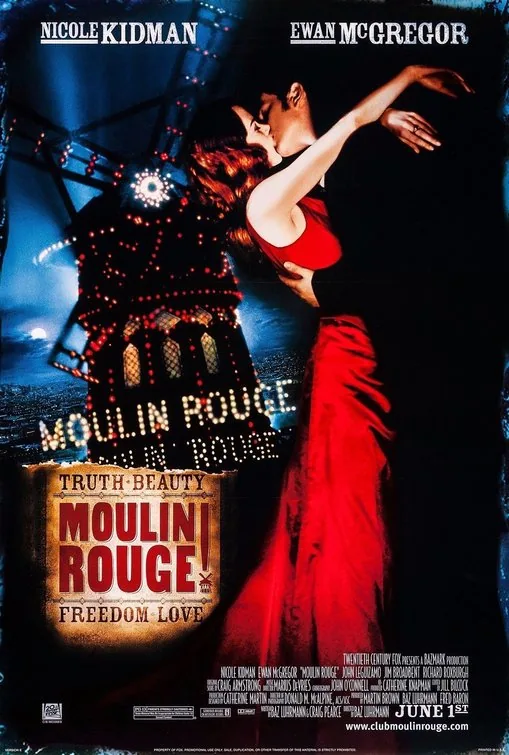
A young writer enters a Parisian cabaret hoping to join an artistic revolution and falls in love with its star performer. Their relationship must be concealed from a wealthy patron whose funding is expected to secure the venue's future and access to the woman he desires. A theatrical production becomes both cover and mirror for their romance, while illness and economic dependence make declarations of freedom increasingly fragile.
Based on recorded story, mood and style. Your preferences can change the order.
Music and performance
What changes New York, New York: variable and episodic. Mamma Mia! Here We Go Again: brisk and parallel.
A year after Donna's death, Sophie prepares to reopen the Greek island hotel while learning more about the summer her mother first arrived there. In parallel, young Donna leaves home, reaches Kalokairi and meets Harry, Bill and Sam, whose separate courtships shape the family history Sophie is trying to understand. Storm damage and an unexpected pregnancy complicate the present celebration; the young and older generations gradually converge around the people Donna chose to keep close. The sequel alternates two timelines, making inherited stories and chosen family as central as its returning pop songs.
Both centre on artistic romance and performance ambition.
Why this matches +
Genres: Musical / Romance
Shared film traits
Based on recorded story, mood and style. Your preferences can change the order.
Music and performance
What changes New York, New York: variable and episodic. Swing Time: musical numbers and comic escalation.
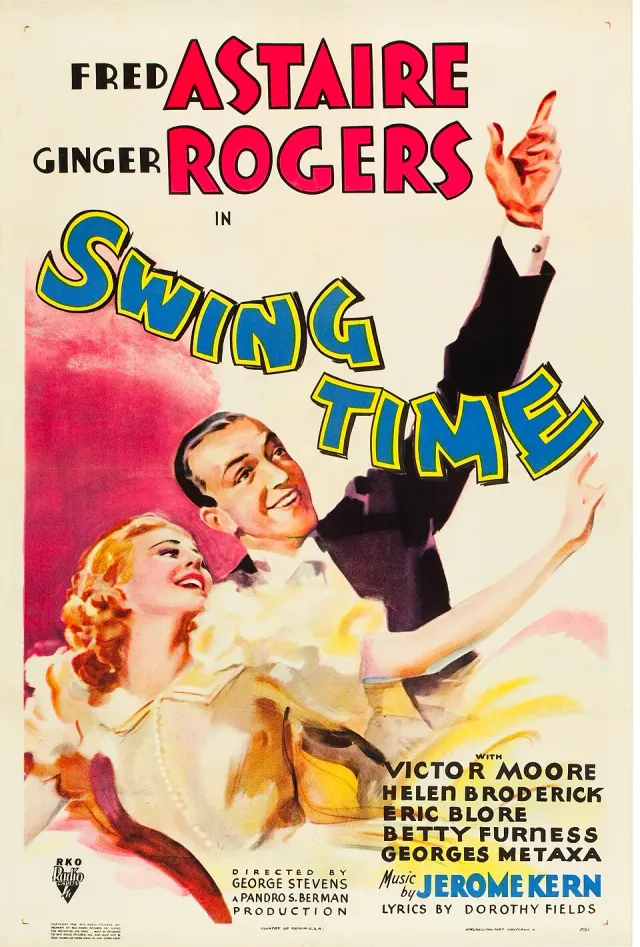
Dancer and gambler Lucky Garnett must raise money before he can marry, so he travels to New York with his friend Pop. There he encounters dance instructor Penny Carroll, whose talent and charm complicate his original plans. As stage opportunities, misunderstandings and Lucky’s existing engagement intersect, their partnership on the dance floor becomes inseparable from the choices facing them off it.
Shared characteristics
Mood: Romantic
Theme: Ambition
Genre: Musical
Genre: Romance
Genre: Comedy
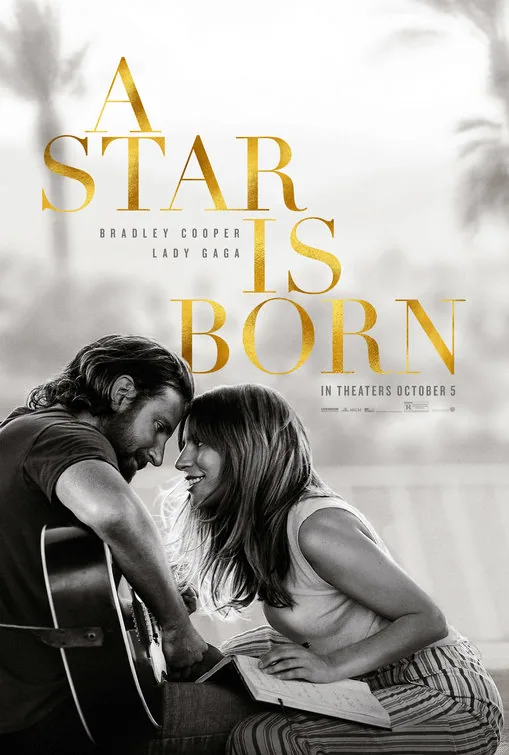
Poster: Film rights holders; original promotional poster documented by Wikipedia · Image source
Both centre on artistic romance and performance ambition.
Why this matches +
Genres: Drama / Romance
Shared film traits
Based on recorded story, mood and style. Your preferences can change the order.
Music and performance
What changes New York, New York: variable and episodic. A Star Is Born: measured.
An established musician hears a talented singer perform and encourages her onto a larger stage. Their romance develops as her public career rises and his addiction and insecurity become harder to contain. Professional collaboration and private care increasingly pull in different directions, exposing how difficult love becomes when success, dependence and self-worth are tied to performing.
Both centre on artistic romance and performance ambition.
Why this matches +
Genres: Music / Romance
Shared film traits
Based on recorded story, mood and style. Your preferences can change the order.
Music and performance
What changes New York, New York: variable and episodic. Rock of Ages: song-led ensemble build.
In 1987 Los Angeles, aspiring singer Sherrie arrives from Oklahoma and gets a job at the Bourbon Room, where she meets bartender Drew. The club’s owners need a major event to survive financially, so the arrival of rock star Stacee Jaxx becomes both an opportunity and a risk. The jukebox musical weaves familiar rock songs into a romance and backstage story about ambition, celebrity and a changing music scene.
Based on recorded story, mood and style. Your preferences can change the order.
What changes New York, New York: variable and episodic. A Man and a Woman: measured.
A widowed race driver and a woman raising her daughter after her husband's death meet through their children's boarding school. Shared trips and conversations develop into attraction, but memories of their earlier marriages shape how each approaches a new relationship. The film moves between present encounters and remembered intimacy, allowing hesitation and emotional association to matter as much as a conventional sequence of romantic milestones.
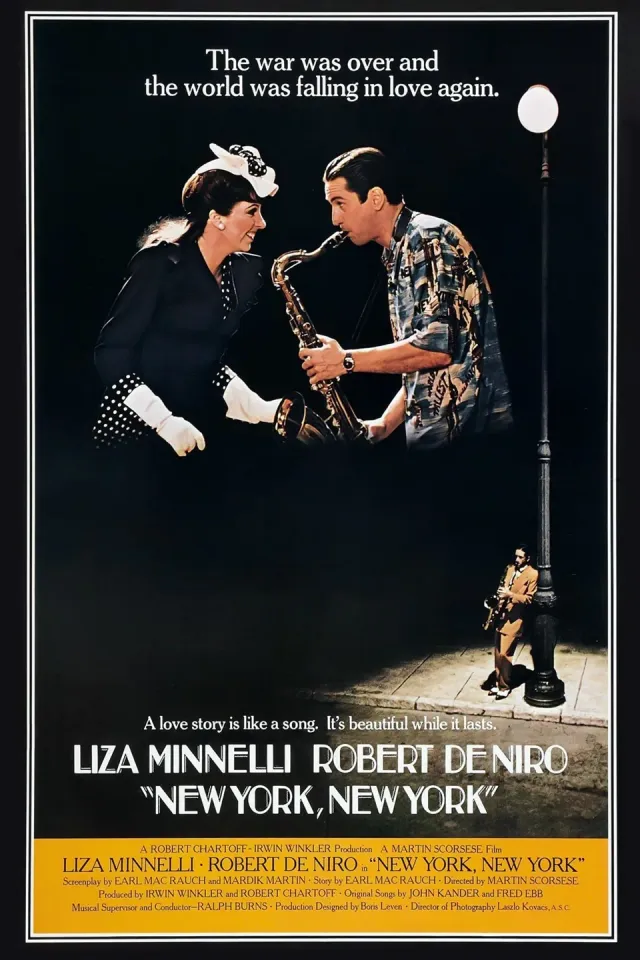
On V-J Day in 1945, saxophonist Jimmy Doyle persistently pursues singer Francine Evans, and a chance performance makes them a successful nightclub act. They travel with a band and build a career together, but Jimmy's volatility and controlling behavior turn artistic partnership into painful conflict. Francine becomes pregnant and gives birth to their son; Jimmy abandons the family, while both musicians later achieve success independently. Years afterward, he visits her performance of the song that shares the film's title, and their reunion offers tenderness without undoing their separation.
What drives the story
Music first binds the couple professionally, then exposes how love and ambition cannot compensate for Jimmy's refusal to share domestic responsibility.
The people at its centre
Francine's career grows beyond Jimmy's control; his talent and affection coexist with aggression, making reunion a possibility rather than proof that the relationship is repaired.
What it feels like
A long, stylized musical drama alternates romance, argument and performance, using show-business numbers to track changing power between the leads.
Worth knowing
It is more abrasive and disillusioned than a conventional backstage romance: the musical partnership does not deliver a neat domestic reconciliation.