Based on recorded story, mood and style. Your preferences can change the order.
Expect romantic and suspenseful, with measured and escalating pacing.
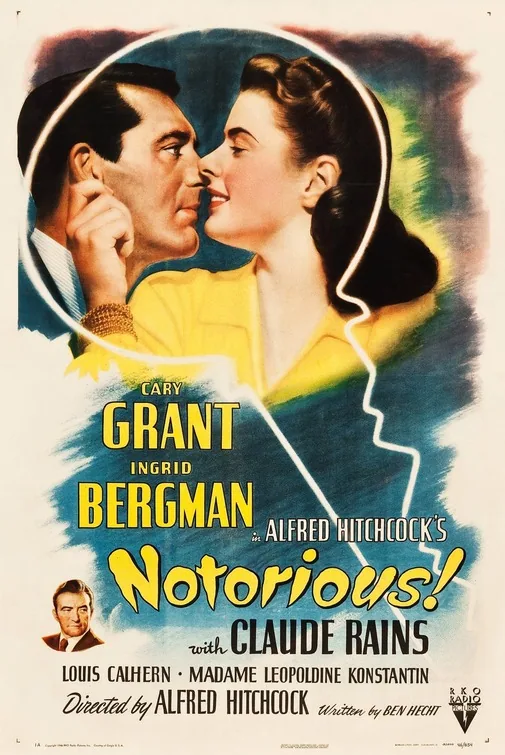
After her father is convicted as a Nazi spy, Alicia Huberman is recruited by American agent T. R. Devlin to infiltrate a group of German fugitives in Rio de Janeiro. She marries their leader, Alexander Sebastian, while trying to obtain evidence from his wine cellar. Devlin’s feelings complicate the assignment, but their intimacy remains entangled with the danger Alicia is asked to accept. When Sebastian and his mother discover the theft, they begin poisoning Alicia rather than expose their operation publicly. Devlin must enter the house and get her out while Sebastian’s colleagues watch.
Both centre on artistic romance and values reassessment.
Why this matches +
Genres: Romance / Comedy
Shared film traits
Based on recorded story, mood and style. Your preferences can change the order.
What changes Ninotchka: steady and escalating. A Midsummer Night's Sex Comedy: ensemble conversations and shifting pairings.
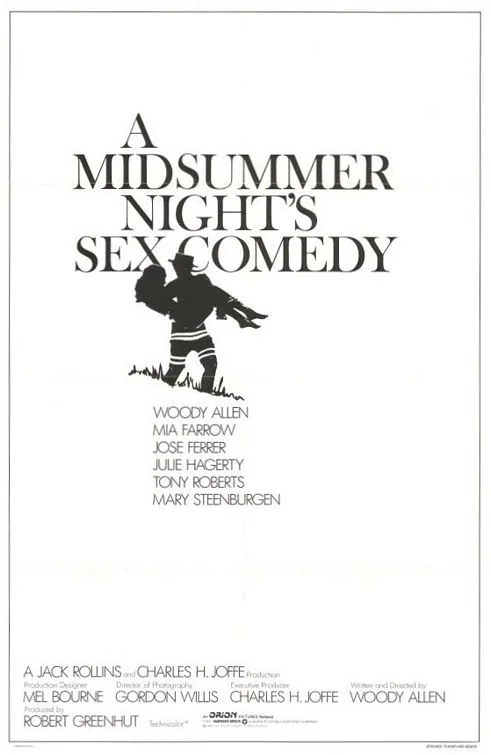
In 1906, inventor Andrew and his partner Adrian host a country weekend with a philosopher, his young fiancée, a doctor and the doctor's nurse. The visit draws old attractions and new flirtations into a web of mistaken assumptions and private hopes. Inspired by chamber comedy and summer-magic storytelling, the film uses inventions, nature and shifting alliances to unsettle the guests' ideas about romance.
Both centre on political manipulation and values reassessment.
Why this matches +
Genres: Drama / History
Shared film traits
Based on recorded story, mood and style. Your preferences can change the order.
What changes Ninotchka: steady and escalating. Queen of the Desert: chronological and leisurely.
Gertrude Bell leaves the confines of turn-of-the-century England for travel in Tehran and across the Arab world, where she becomes an explorer, writer and political figure. Her relationships and encounters with regional leaders unfold against the changing reach of British power. Werner Herzog approaches the biography as a romanticized epic of a woman drawn to travel and diplomacy, with desert landscapes and personal ambition sharing the frame.
Based on recorded story, mood and style. Your preferences can change the order.
What changes Ninotchka: steady and escalating. Moscow on the Hudson: character-led and measured.
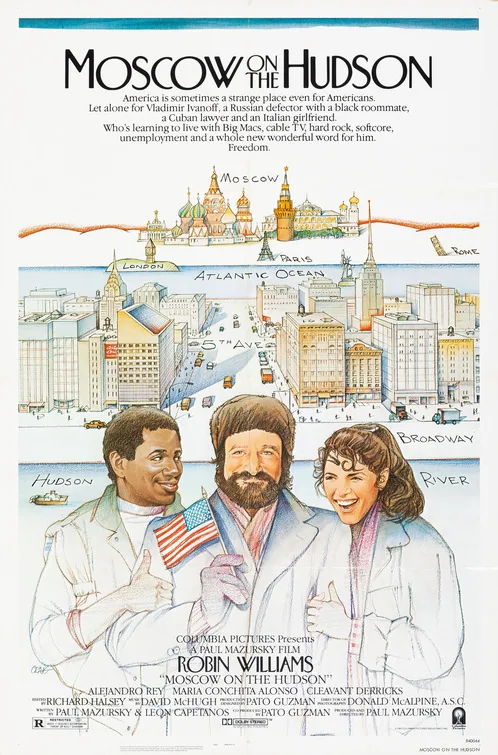
Vladimir Ivanoff, a Soviet circus musician, defects while his troupe is visiting New York and must build a new life in a city he has only known from the outside. Everyday choices about work, housing, money and friendship replace the simple idea of freedom he carried with him. The comedy-drama follows cultural disorientation with sympathy, finding both humor and loneliness in the work of becoming at home.
Based on recorded story, mood and style. Your preferences can change the order.
Expect warm and humorous, with steady and brisk pacing.
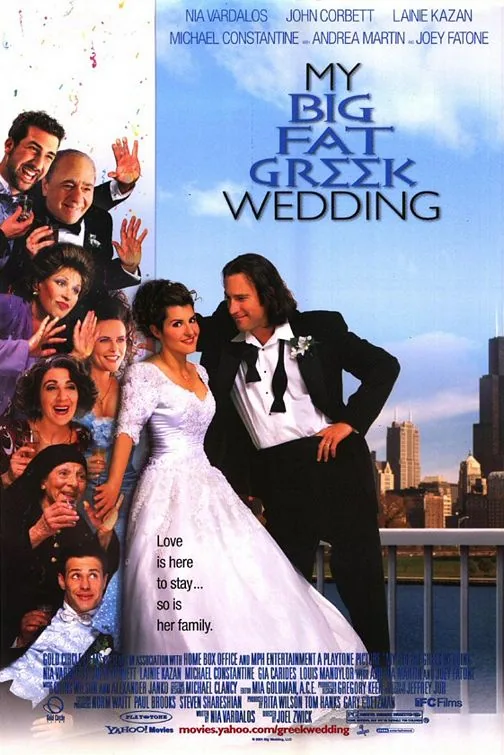
Thirty-year-old Toula Portokalos works at her family's Chicago restaurant and feels trapped by her father Gus's expectation that she marry and have children. With her mother's support, Toula studies computers, changes her appearance and takes a job at her aunt's travel agency, where she meets teacher Ian Miller. Their relationship develops quietly until the family learns that Ian is not Greek. Gus objects, but Toula continues to choose Ian and eventually brings him into the noisy extended family. Their wedding negotiations reveal that belonging and independence do not require Toula to reject her relatives.
Both centre on artistic romance and values reassessment.
Why this matches +
Genres: Fantasy / Romance
Shared film traits
Based on recorded story, mood and style. Your preferences can change the order.
What changes Ninotchka: steady and escalating. Defending Your Life: episodic testimony and gentle emotional progression.
Advertising executive Daniel Miller dies in Los Angeles and arrives in Judgment City, a comfortable afterlife where clerks review whether people have overcome their fears. As his hearings replay choices from his life, Daniel meets Julia, another newcomer who seems braver and more open than he is. Their developing romance gives his bureaucratic trial a personal stake in what it means to move forward.
Based on recorded story, mood and style. Your preferences can change the order.
What changes Ninotchka: steady and escalating. Stolen Kisses: episodic drift and comic encounters.
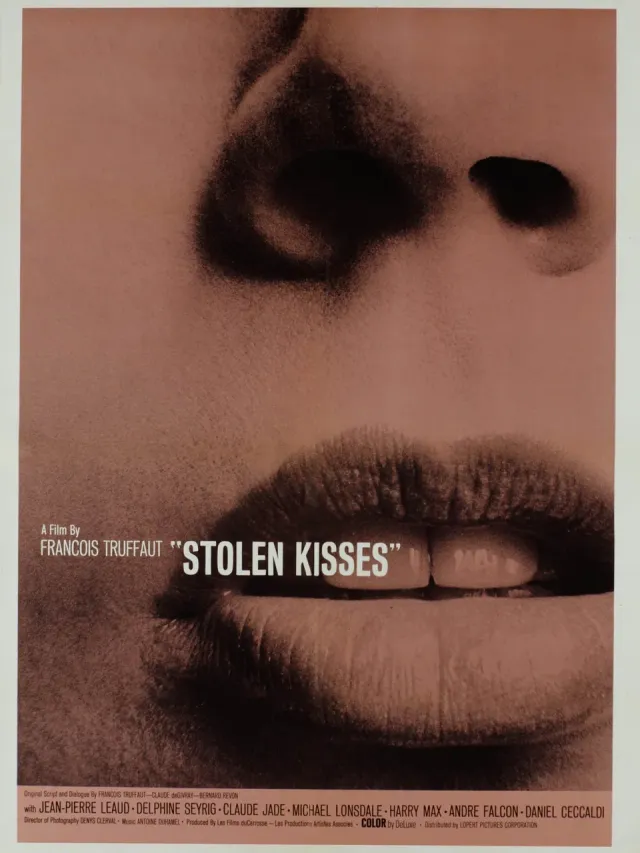
After being discharged from the army, Antoine Doinel returns to Paris hoping to resume his romance with Christine Darbon, but her family first helps him find work as a hotel night clerk. He drifts between jobs, including private detective work, where his curiosity pulls him into the affairs of others. Antoine becomes fascinated by Fabienne Tabard, the wife of a shoe-store owner, while Christine remains part of his life. The film follows his impulsive choices and uncertain loyalties through a loose comic portrait of a young man not yet ready to settle.
Both centre on artistic romance and values reassessment.
Why this matches +
Genres: Romance / Comedy
Shared film traits
Based on recorded story, mood and style. Your preferences can change the order.
What changes Ninotchka: steady and escalating. L.A. Story: episodic and conversation-led.
Harris Telemacher is a Los Angeles television weatherman whose life changes when he meets Sara, a British journalist visiting the city. Their relationship unfolds among bizarre signs, a wise road sign and other playful disruptions that make Los Angeles feel almost enchanted. The romantic comedy satirizes local culture while giving Harris a chance to trade cynicism for attention to the people around him.
Based on recorded story, mood and style. Your preferences can change the order.
What changes Ninotchka: steady and escalating. French Kiss: travel comedy setup, romantic misadventures and vineyard resolution.
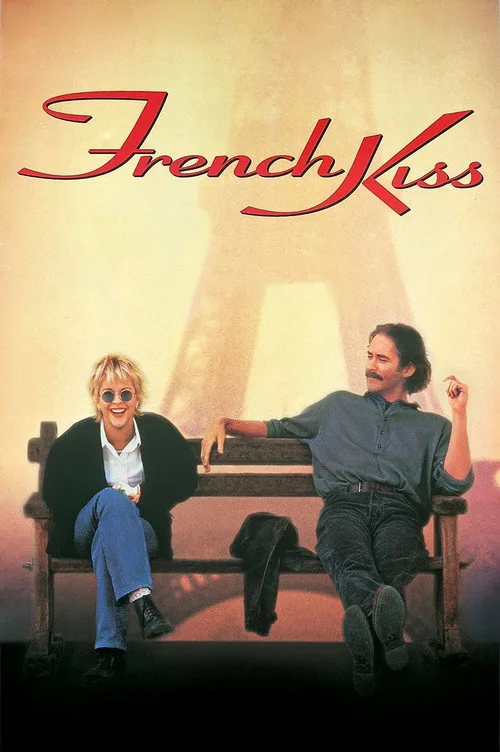
When her fiancé announces that he has fallen for a French woman in Paris, cautious Canadian resident Kate flies overseas to win him back despite her fear of flying. On the plane she meets Luc, a charming but evasive Frenchman carrying a stolen necklace and an American grapevine cutting. Their plans intersect across train stations, vineyards, and village streets, drawing Kate into a pursuit she never intended. The romantic comedy pairs a tightly controlled traveler with a risk-taking companion as she discovers a broader version of herself.
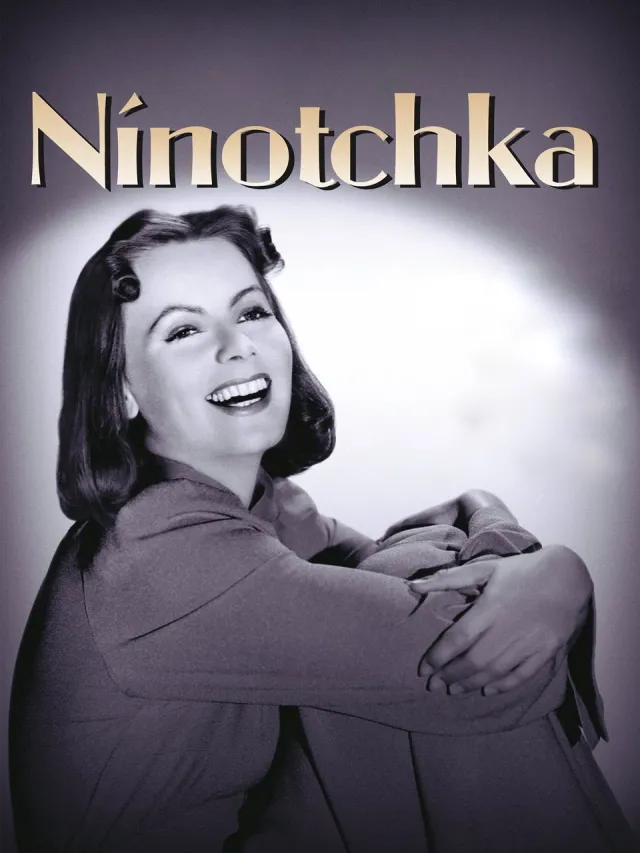
Soviet envoy Ninotchka arrives in Paris to recover jewels that three comrades have been unable to sell after a Russian aristocrat in exile claims them. Count Leon, who represents the aristocrat, tries to soften the rigid envoy with food, fashion and flirtation. Ninotchka’s growing pleasure in Paris changes how she approaches the dispute, but a recall from Moscow separates her from Leon. Back in the Soviet Union, she finds her comrades again and the official mission resumes; Leon eventually follows her there, renewing their effort to escape the life that has been assigned to them.
What drives the story
The jewel dispute is a political assignment that becomes a comic test of whether private pleasure can unsettle a fixed ideology.
The people at its centre
Ninotchka’s disciplined judgment is not erased by romance; Leon’s charm works only after she has begun to question the rules she enforces.
What it feels like
Lubitsch’s dry timing and elegant reversals turn small details, especially clothes and meals, into comic challenges to official seriousness.
Worth knowing
It is a romantic comedy about ideological rigidity and personal change, not a serious portrait of Soviet life or a broad anti-communist adventure.