Both centre on creature threat and mortality reckoning.
Why this matches +
Genres: Horror / Fantasy
Shared film traits
Based on recorded story, mood and style. Your preferences can change the order.
What changes Nosferatu is tagged gothic and sensual; Nosferatu the Vampyre is tagged melancholic and eerie.
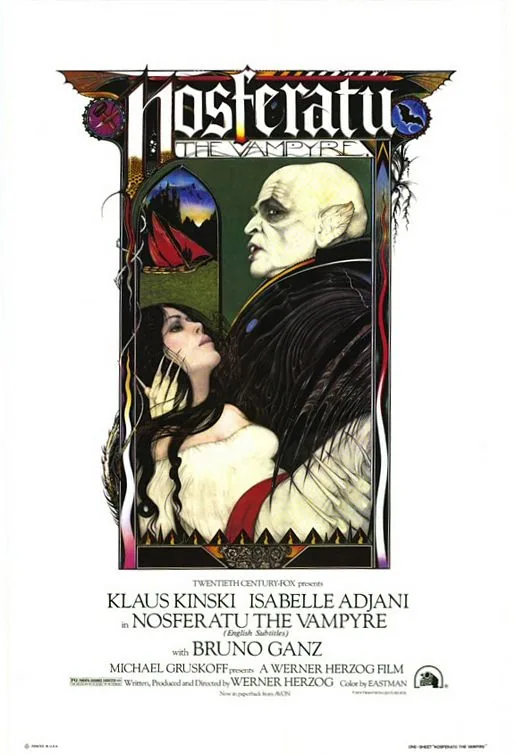
Jonathan Harker leaves Wismar for Transylvania to negotiate a house purchase with Count Dracula, despite his wife Lucy’s unease. Dracula travels west with the plague-bearing ship, and Jonathan returns changed and increasingly lost to his former life. Lucy recognizes the danger before the town’s officials do, while Van Helsing’s attempts to help arrive inside a community already collapsing under illness. Herzog’s vampire is not only a predator but a lonely, exhausted figure whose desire for companionship makes the contagion feel mournful as well as monstrous.
Both centre on creature threat and mortality reckoning.
Why this matches +
Genres: Horror / Fantasy
Shared film traits
Based on recorded story, mood and style. Your preferences can change the order.
What changes Nosferatu is tagged gothic and sensual; Nosferatu is tagged eerie and dreamlike.
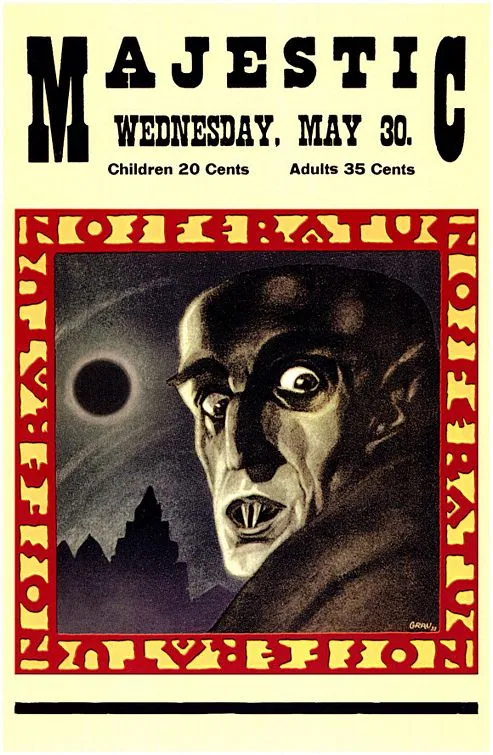
Real-estate agent Thomas Hutter travels to Transylvania to arrange the sale of a house to Count Orlok, leaving his wife Ellen in Wisborg. Orlok’s castle and unnatural appetite make the transaction increasingly frightening, and he boards a ship carrying plague toward the town. As people become ill and the authorities struggle to understand the deaths, Ellen recognizes that the vampire’s fixation on her may be the only way to stop him. She stays with Orlok until dawn, sacrificing herself as sunlight destroys him and ends the immediate outbreak.
Based on recorded story, mood and style. Your preferences can change the order.
What changes Nosferatu: measured and escalating. Interview with the Vampire: episodic and nonlinear.
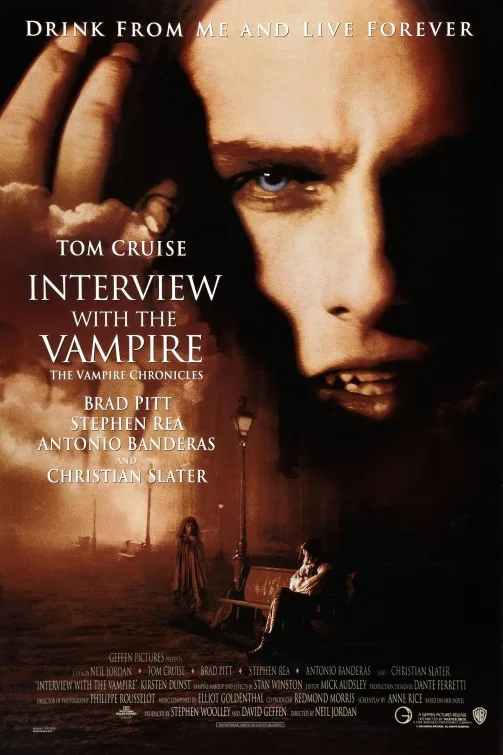
A man tells a reporter how grief led him into an existence that cannot end through ordinary means. His new companion welcomes the appetite that horrifies him, and turning a child into a vampire binds them into a household built on incompatible needs. Centuries of travel expose other communities whose apparent recognition carries its own control. The Gothic narrative makes immortality a duration of unequal attachments, with confession revealing guilt without guaranteeing either reliable self-understanding or freedom from the desire to be understood.
Based on recorded story, mood and style. Your preferences can change the order.
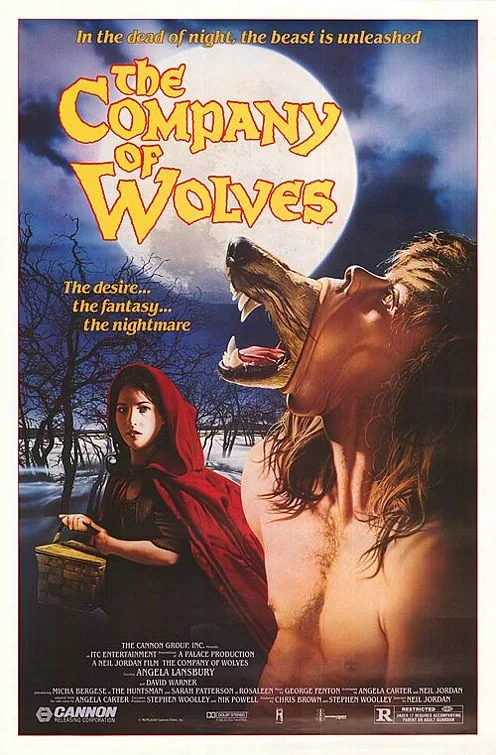
What changes Nosferatu: measured and escalating. The Company of Wolves: episodic, hypnotic, story-within-story and surreal escalation.
In a modern country house, young Rosaleen dreams of a forest world where her sister is killed by wolves. Her grandmother gives her a red shawl and warns her not to leave the path, eat a fallen apple or trust a man whose eyebrows meet. As Rosaleen returns to the forest, she hears stories of villagers whose encounters with wolves blur the line between human and beast. A huntsman reaches her grandmother’s cottage first and reveals his dangerous nature. Rosaleen’s fear of him is complicated by fascination, and her response to his injury separates her from the villagers who come looking for a werewolf. The dream’s fairy-tale episodes gather around her movement toward adulthood and desire.
Based on recorded story, mood and style. Your preferences can change the order.
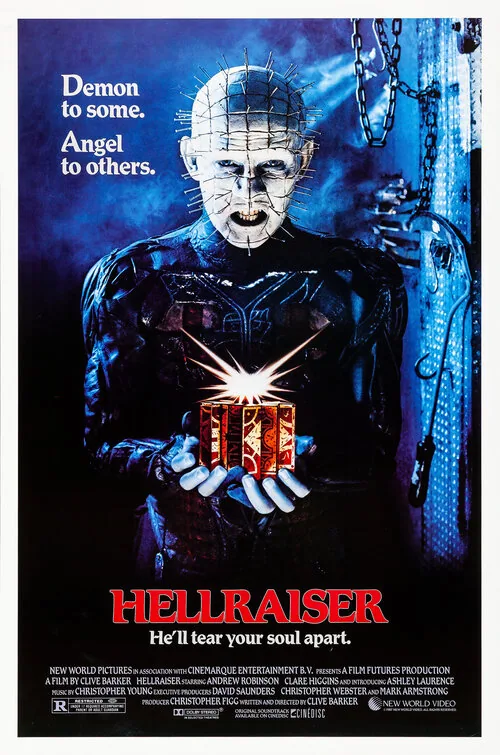
What changes Nosferatu is tagged gothic and sensual; Hellraiser is tagged disturbing and grotesque.
A man's pursuit of extreme sensation opens a puzzle box and destroys his body, but blood spilled in his former home permits an incomplete return. A woman who once desired him brings victims to restore him, turning domestic secrecy into a system of bodily exploitation. His niece discovers the arrangement and must negotiate with the entities he escaped. The horror links appetite to complicity, making the supernatural bargain a continuation of violence already being committed within an apparently ordinary family home.
Based on recorded story, mood and style. Your preferences can change the order.
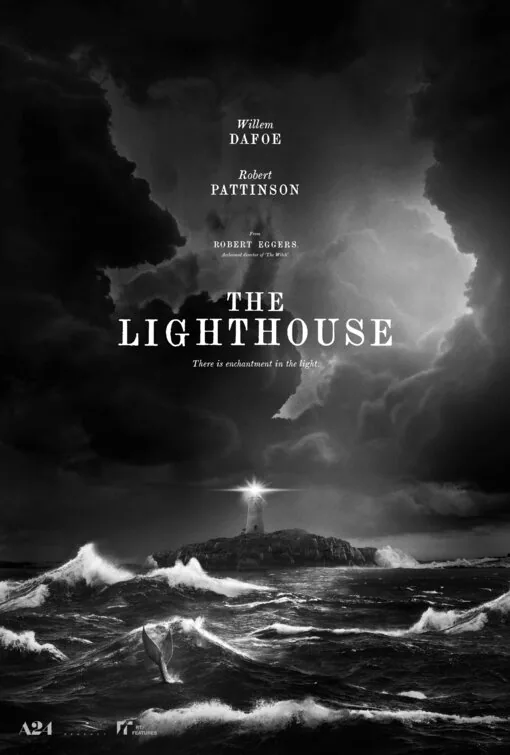
Both directed by Robert Eggers.
What changes Nosferatu: measured and escalating. The Lighthouse: slow burn.
A younger keeper arrives for a short assignment on a remote New England island under an older man's strict supervision. Unequal work, exclusion from the lantern room and growing resentment make their dependence on one another increasingly hostile. When weather disrupts the expected relief, drinking and incompatible accounts of time, identity and responsibility turn the isolated workplace into a struggle whose physical and imagined threats cannot be confidently separated.
Both share themes of desire, plus a gothic and sensual atmosphere.
Why this matches +
Genres: Horror / Fantasy
Shared film traits
Based on recorded story, mood and style. Your preferences can change the order.
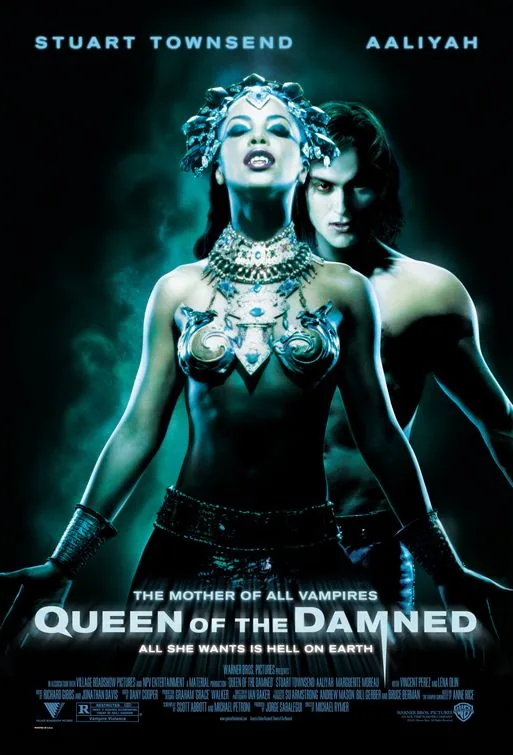
Expect gothic and sensual, with measured and escalating pacing.
A vampire hidden from the modern world becomes a rock musician and attracts attention through songs exposing the supernatural. His performances awaken an ancient vampire queen whose power threatens humans and vampires alike. The gothic horror sequel combines immortality, music and seductive danger, setting modern concert culture against an older mythology the characters tried to escape.
Both share themes of desire, plus a gothic atmosphere.
Why this matches +
Genres: Horror / Fantasy
Shared film traits
Based on recorded story, mood and style. Your preferences can change the order.
Expect gothic and intense, with escalating and suspense-led pacing.
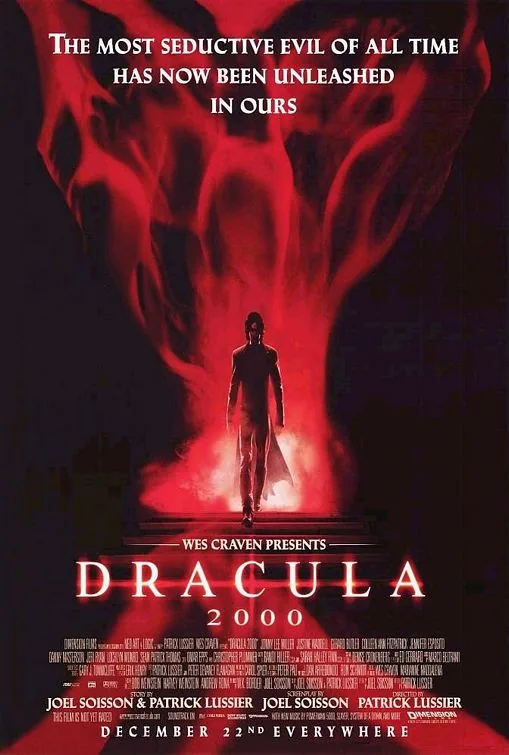
When a group of thieves accidentally releases Dracula from a sealed vault, the vampire heads toward New Orleans and a young woman connected to the people who once imprisoned him. Vampire hunter Abraham Van Helsing and his allies pursue the creature as the threat spreads through the city. The film combines a modern setting with gothic horror and religious imagery, tying Dracula's return to a hidden past and the vulnerabilities that make people susceptible to his influence.
Based on recorded story, mood and style. Your preferences can change the order.
What changes Nosferatu: measured and escalating. The Last Voyage of the Demeter: a sea voyage turns into a contained siege with mounting losses.
A merchant ship carries a sealed cargo from Bulgaria to England, while its crew notices that people and animals are disappearing during the voyage. The ship’s log and the survivors’ fragmented accounts frame an encounter with a hidden predator at sea. The gothic horror extends the Dracula story by focusing on the crew’s isolation, making the vessel’s limited space and dwindling options a sustained survival problem.
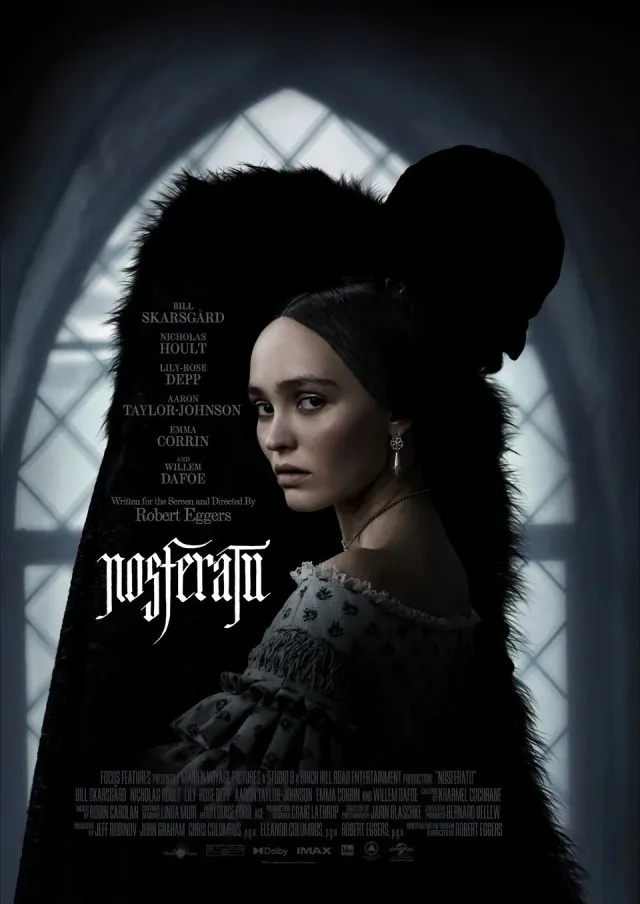
In nineteenth-century Germany, Thomas Hutter travels to Transylvania to complete a property deal with Count Orlok, leaving his wife Ellen troubled by visions and an earlier bond with the vampire. Orlok’s arrival in Wisborg brings plague, while Professor von Franz tries to understand the threat and Thomas struggles back from the castle. Ellen concludes that Orlok will not stop while she remains outside his reach; she invites him to feed on her through the night, keeping him there until sunrise. Her sacrifice saves the town but cannot undo the grief that preceded the attack.
What drives the story
Orlok’s fixation on Ellen makes the town’s epidemic a consequence of private desire, while her decision turns the final confrontation into a costly act of control.
The people at its centre
Thomas wants to protect Ellen but cannot see the history she shares with Orlok; Ellen’s choice is decisive, though the film frames it through coercive supernatural desire.
What it feels like
Eggers builds an oppressive Gothic world through candlelit rooms, decaying architecture, cold landscapes and slow, physically unsettling transformations.
Worth knowing
This version deepens the source material’s connection between erotic compulsion and plague; it should be distinguished from Murnau’s 1922 film and Herzog’s 1979 remake.