Explore films connected to OMG – Oh My God! through Faith and skepticism, Religious commerce, Justice and accountability. Choose the qualities you want to carry into your next watch.
What should feel similar?
Find your next favourite
9 films · Closest overall matches
Hide films you’ve seen or don’t want. Saved on this device.
No matches for this combination yet.
Try another option or reset your choices to see more films.
Based on recorded story, mood and style. Your preferences can change the order.
What changes OMG – Oh My God!: courtroom argument structure, comic confrontations and reflective resolution. Oh, God!: conversational, gentle and episodic.
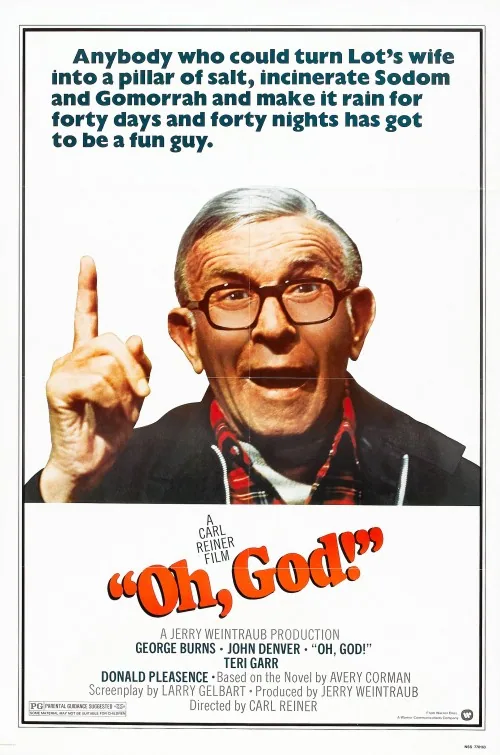
Jerry Landers, an ordinary assistant supermarket manager, is chosen by God to carry a simple message to the modern world. Jerry's attempts to tell his wife, family and a newspaper editor about the encounters turn him into a public curiosity and a target of religious skeptics. As theologians challenge him to prove the experience, Jerry must decide how to express the message without turning it into a spectacle. The film balances domestic comedy with a gentle debate about faith and responsibility.
Based on recorded story, mood and style. Your preferences can change the order.
What changes OMG – Oh My God!: courtroom argument structure, comic confrontations and reflective resolution. Bruce Almighty: fast.
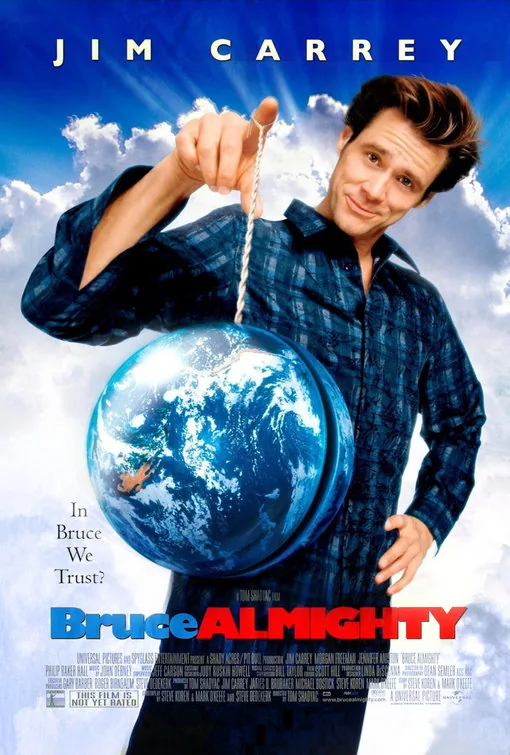
A frustrated television reporter blames God when professional disappointment disrupts the life he believes he deserves. Temporarily granted divine powers, he first uses them to repair status and romantic frustrations, then discovers that satisfying immediate wishes does not amount to caring for other people's lives. The experiment makes responsibility less compatible with effortless control, especially when the person he loves retains a freedom that power cannot legitimately remove.
Based on recorded story, mood and style. Your preferences can change the order.
What changes OMG – Oh My God!: courtroom argument structure, comic confrontations and reflective resolution. PK: episodic, fast and escalating.
A humanoid alien lands in Rajasthan on a research mission, but a thief steals the amulet that lets him contact his spacecraft. In New Delhi, television reporter Jaggu encounters the stranded visitor, nicknamed PK, as he searches for a God who can recover the device. Her own heartbreak began when an unsigned note ended her relationship with Sarfaraz, a Pakistani student, after a godman predicted he would betray her. PK’s questions about religious authorities draw attention to the amulet and expose how a fabricated message separated the couple. A televised confrontation challenges the godman’s claims, while PK’s affection for Jaggu remains unreturned.
Based on recorded story, mood and style. Your preferences can change the order.
What changes OMG – Oh My God!: courtroom argument structure, comic confrontations and reflective resolution. The Fifth Element: fast.
In a crowded future city, a taxi driver's routine is interrupted when a mysterious woman falls into his vehicle and draws him into a search for objects needed to stop an approaching cosmic threat. Religious custodians, military planners and a weapons magnate pursue overlapping schemes around her role. Their journey toward a luxury space resort makes protecting a person and completing an ancient ritual part of the same improvised emergency.
Based on recorded story, mood and style. Your preferences can change the order.
What changes OMG – Oh My God!: courtroom argument structure, comic confrontations and reflective resolution. The Shack: reflective dialogue framed by painful memories.
A grieving father receives a mysterious invitation to return to the remote place where his young daughter was last seen. The visit becomes an encounter with figures who challenge his anger, guilt and understanding of faith. The religious drama turns a crime-related loss into a devotional conversation about forgiveness and the possibility of finding meaning after trauma.
Based on recorded story, mood and style. Your preferences can change the order.
What changes OMG – Oh My God!: courtroom argument structure, comic confrontations and reflective resolution. Stranger than Fiction: measured and conversational.
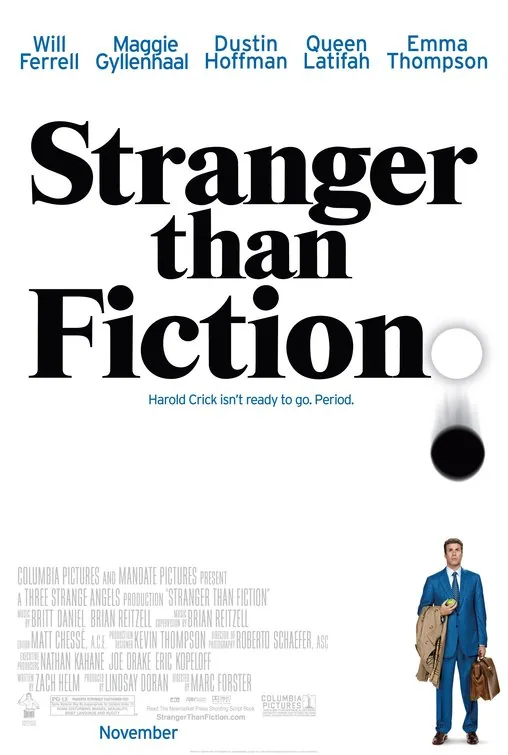
An IRS auditor begins hearing a narrator describe his actions and becomes convinced that his life is being written toward an ending. He seeks help from a literary scholar while his routines bring him into contact with a baker he is auditing. The comedy uses a self-aware premise to ask whether a person can alter a story without losing the relationships and responsibilities that give life meaning.
Based on recorded story, mood and style. Your preferences can change the order.
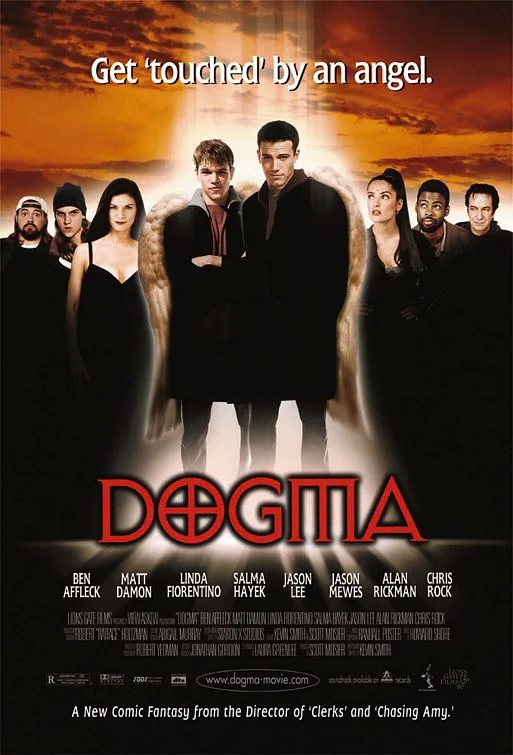
What changes OMG – Oh My God!: courtroom argument structure, comic confrontations and reflective resolution. Dogma: fast.
Two banished angels discover a church ceremony that appears to offer a route back to Heaven, but exploiting its promise would contradict the divine order on which existence depends. A woman struggling with her own faith is sent to prevent them, accompanied by unlikely helpers whose appearances challenge institutional expectations of holiness. Their journey makes doctrinal loopholes, personal resentment and the need for human connection parts of the same comic dispute over belief. Its premise makes religious loopholes literal, but the comedy retains emotional seriousness about belief and exclusion.
Based on recorded story, mood and style. Your preferences can change the order.
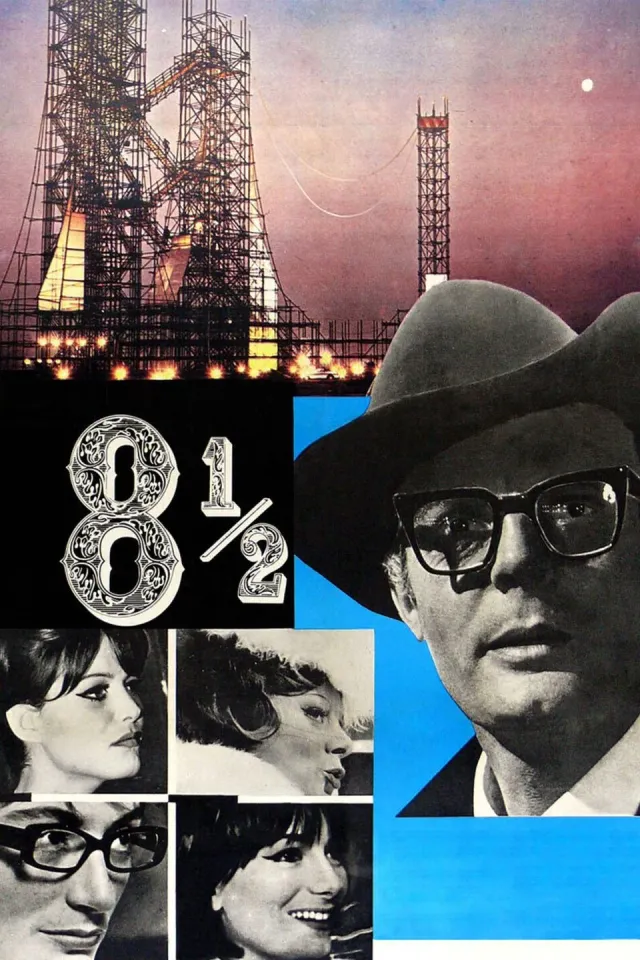
What changes OMG – Oh My God!: courtroom argument structure, comic confrontations and reflective resolution. 8½: meditative.
A celebrated film director arrives at a production unable to explain clearly what he intends to make. Meetings with collaborators, family and lovers send him into memories and fantasies that repeatedly interrupt professional obligations. His apparent crisis of artistic inspiration exposes a larger habit of organising other people around incompatible wishes, making the search for a coherent film inseparable from the difficulty of taking responsibility for a contradictory life.
Based on recorded story, mood and style. Your preferences can change the order.
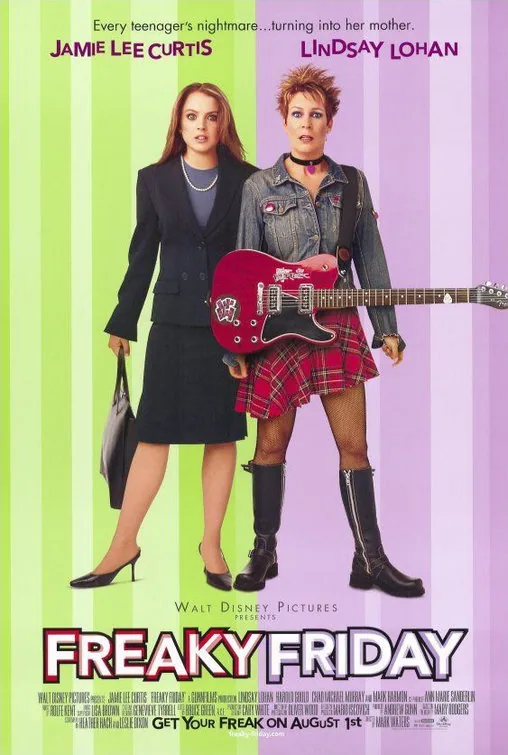
What changes OMG – Oh My God!: courtroom argument structure, comic confrontations and reflective resolution. Freaky Friday: brisk.
A widowed mother preparing to remarry and her teenage musician daughter regard each other's priorities as unreasonable. A magical exchange puts each inside the other's daily obligations just as a wedding rehearsal and a band opportunity collide. Managing school, professional expectations and romantic misunderstandings forces their arguments into practical experience. The comedy turns bodily impersonation into a route toward recognizing grief, unfair treatment and the forms of support that neither could obtain through argument alone.
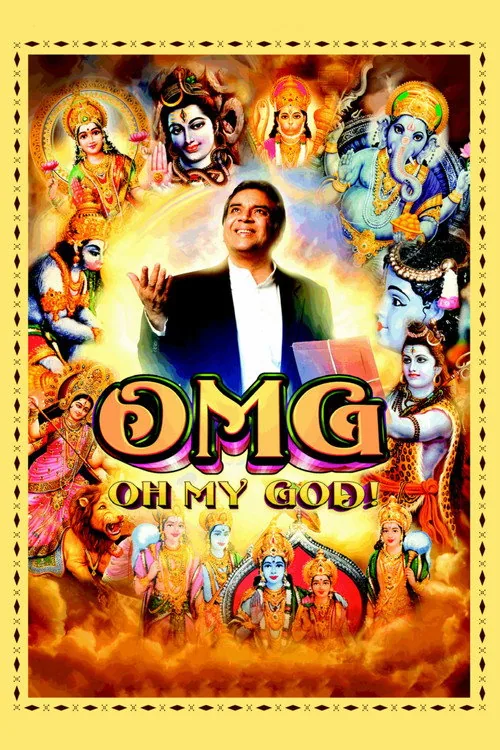
When an earthquake destroys his shop, skeptical antiques dealer Kanji Mehta learns that his insurance will not cover an act of God. He sues the insurers and the religious institutions he believes profit from faith, attracting public attention and a surprising ally who appears as Krishna. Umesh Shukla’s Hindi satirical comedy-drama turns a personal lawsuit into a debate about belief, exploitation, and religious authority, using humor and courtroom scenes to question the difference between spiritual practice and commercial manipulation.
What drives the story
Kanji’s unsuccessful insurance claim turns into a lawsuit that challenges institutions responsible for selling protection in God’s name.
The people at its centre
The skeptical shopkeeper argues with religious authorities while an unexpected guide helps him reconsider what faith means.
What it feels like
A Hindi courtroom satire mixes comic debate, spiritual ideas, and accessible fantasy in a contemporary setting.
Worth knowing
It is an Indian adaptation of a Gujarati play and a religious satire, not a literal attack on individual believers.
Faith and skepticismReligious commerceJustice and accountability