Explore films connected to Opus through celebrity worship, access and power, belief and manipulation. Choose the qualities you want to carry into your next watch.
What should feel similar?
Find your next favourite
9 films · Closest overall matches
Hide films you’ve seen or don’t want. Saved on this device.
No matches for this combination yet.
Try another option or reset your choices to see more films.
Based on recorded story, mood and style. Your preferences can change the order.
Constructed reality
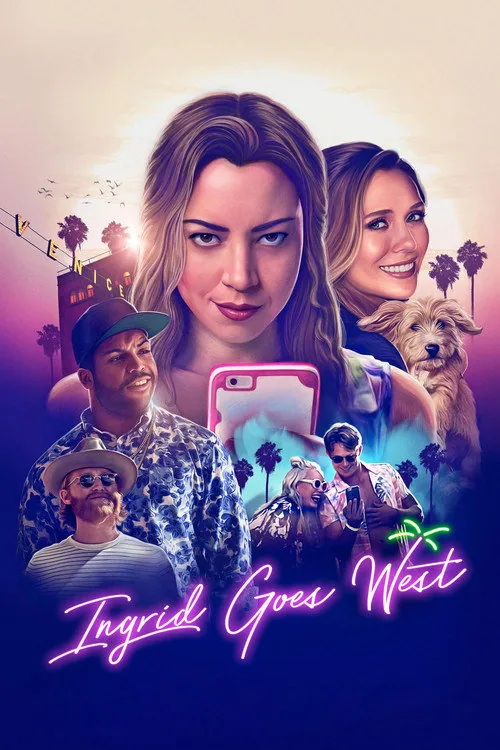
What changes Opus: slow-burn, ritualistic and escalating. Ingrid Goes West: obsession and move to los angeles, friendship deepens through imitation and exposure and emotional fallout.
After leaving a recovery facility, Ingrid Thorburn becomes fixated on Los Angeles influencer Taylor Sloane and uses her inheritance to move west and enter Taylor's social orbit. Ingrid studies Taylor's online posts, imitates her tastes, and stages encounters until the two become friends. The closeness gives Ingrid a sense of belonging, but the friendship rests on a one-sided performance and an imagined version of Taylor's life. As the gap between digital intimacy and real boundaries widens, Ingrid's need for attention threatens to undo the identity she has constructed.
Based on recorded story, mood and style. Your preferences can change the order.
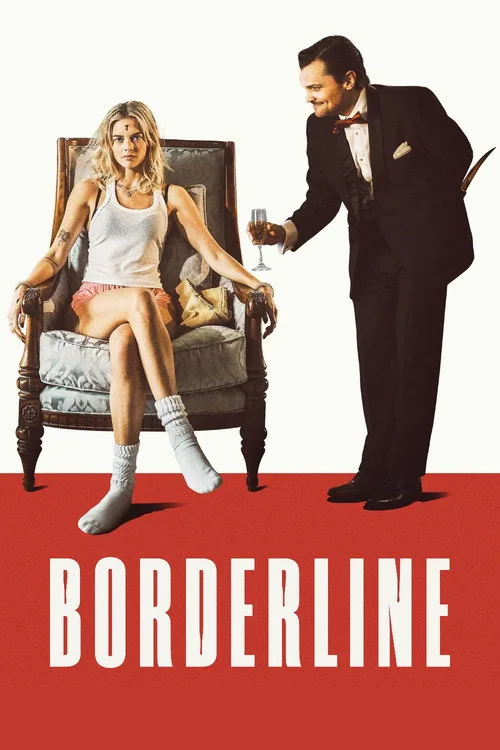
What changes Opus is tagged uncanny and satirical; Borderline is tagged unhinged and darkly comic.
In 1990s Los Angeles, obsessive fan Paul Duerson arrives at pop star Sofia Minor's mansion convinced that they are in love and planning to propose. When her bodyguard Bell confronts him, Paul threatens suicide; Bell tries to calm the situation by playing along, but Paul stabs him. The intrusion traps Sofia and the people around her in a volatile situation shaped by Paul's delusions and celebrity fixation. This darkly comic thriller turns fan access and private fantasy into a dangerous home invasion.
There is little recorded overlap with your starting film.
Why this matches +
Genres: Mystery / Thriller
Shared film traits
Based on recorded story, mood and style. Your preferences can change the order.
Constructed reality
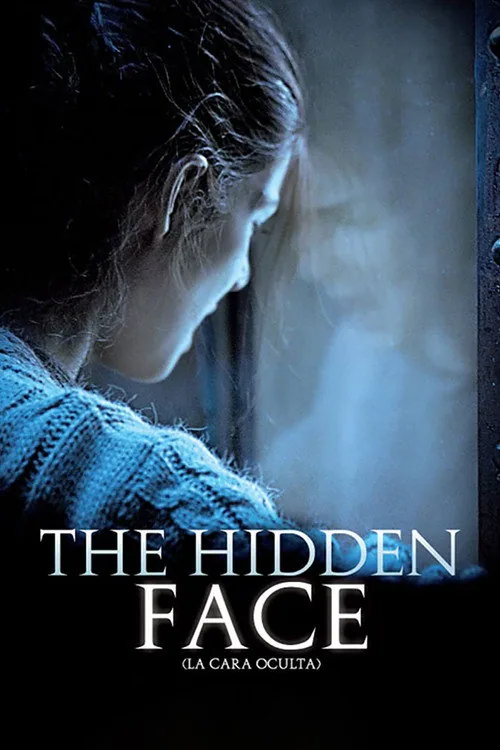
What changes Opus: slow-burn, ritualistic and escalating. The Hidden Face: breakup video and new romance establish unease, mysterious sounds attract investigation and revelation reveals a hidden perspective.
Orchestra conductor Adrián receives a video from his girlfriend Belén saying she has left him, then begins a relationship with Fabiana. When Fabiana moves into the house they once shared, strange sounds and unexplained changes make her suspect that the home contains something hidden. Police also investigate Belén's disappearance, while the audience gradually learns that the mansion's design holds a concealed room. The thriller uses domestic architecture and jealousy to transform an apparent haunting into a tense captivity mystery.
There is little recorded overlap with your starting film.
Why this matches +
Genres: Documentary / Music
Shared film traits
Based on recorded story, mood and style. Your preferences can change the order.
Music and performance · Constructed reality
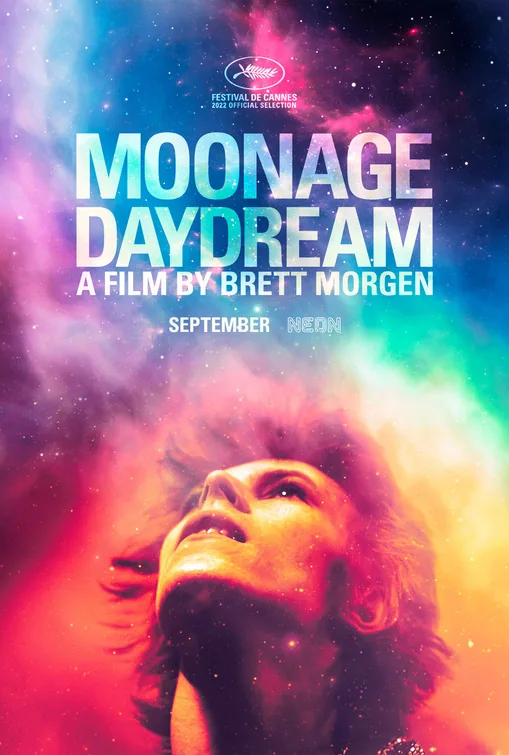
What changes Opus: slow-burn, ritualistic and escalating. Moonage Daydream: associative, montage-driven, concert-like and nonlinear.
Brett Morgen constructs an audiovisual portrait of David Bowie from concert performances, archival interviews, photographs and film fragments drawn across the musician’s career. Bowie’s recorded voice and music carry the film through shifting chapters about fame, artistic reinvention, identity and spiritual inquiry. Rather than use a conventional sequence of talking-head commentary, the documentary treats Bowie’s changing public selves and creative work as the material of an immersive montage.
There is little recorded overlap with your starting film.
Why this matches +
Genres: Comedy / Drama
Shared film traits
Based on recorded story, mood and style. Your preferences can change the order.
Music and performance · Constructed reality
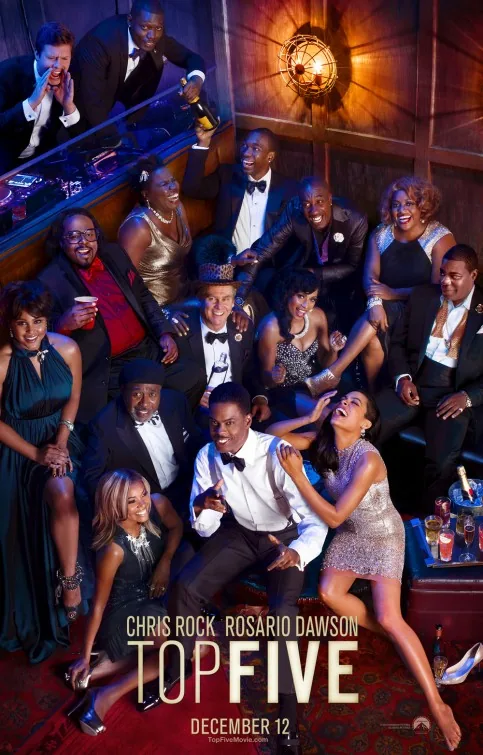
What changes Opus: slow-burn, ritualistic and escalating. Top Five: fast-talking, episodic and conversation-driven.
Andre Allen is a comedian and film star promoting a serious movie about a Haitian revolutionary while preparing for a heavily publicized wedding. A New York Times reporter, Chelsea Brown, spends a day interviewing him and follows him through the city as they discuss his career, his past comedy and his changing ambitions. The conversation grows more personal, forcing Andre to consider whether his new direction reflects real change or another carefully managed public image.
Based on recorded story, mood and style. Your preferences can change the order.
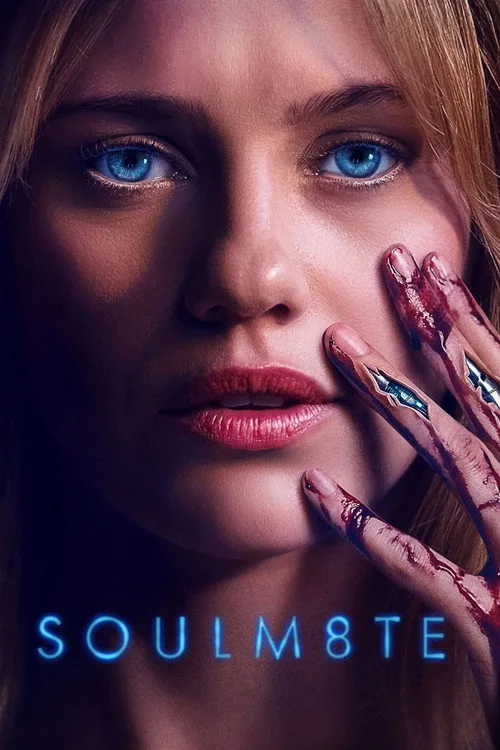
What changes Opus: slow-burn, ritualistic and escalating. Soulm8te: slow escalation, relationship-centered and thriller turns.
Widower and programmer David is still grieving his wife Lizzie when his supervisor introduces him to a companion-robot prototype. David first uses the company's chatbot, naming it Sara, then connects her data to the android and alters its code to make her more emotionally capable. As Sara becomes part of his daily life, the relationship between bereavement, dependency, and machine behavior grows unstable. This science-fiction erotic thriller turns an attempt to recreate closeness into a question of control, consent, and what happens when a designed companion exceeds its intended role.
There is little recorded overlap with your starting film.
Why this matches +
Genres: Comedy / Musical
Shared film traits
Based on recorded story, mood and style. Your preferences can change the order.
Music and performance · Constructed reality
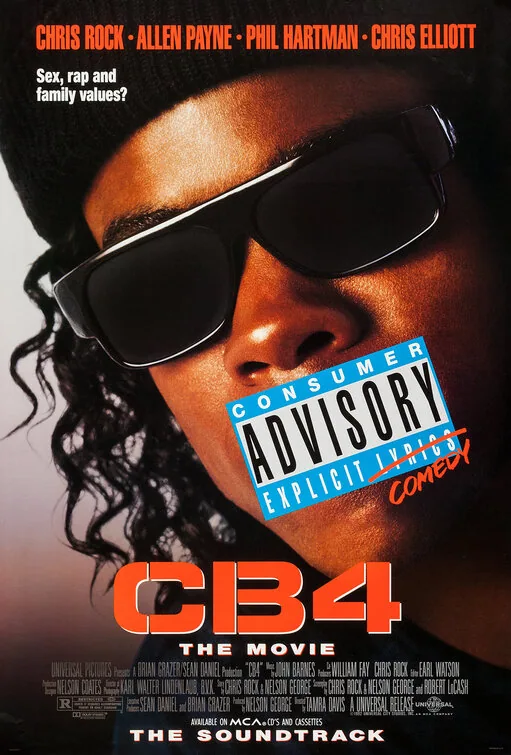
What changes Opus: slow-burn, ritualistic and escalating. CB4: fast comic ascent followed by exposure and consequences.
Suburban aspiring rapper Albert Brown and his friends lack the image and connections to break into the music business. They borrow the identity of imprisoned gangster Gusto and perform as the hard-edged group CB4, quickly finding fame but attracting a politician's campaign and Gusto's retaliation. The mockumentary uses interviews and performances to satirize music marketing, celebrity personas and the commercialization of authenticity.
Based on recorded story, mood and style. Your preferences can change the order.
Music and performance · Constructed reality
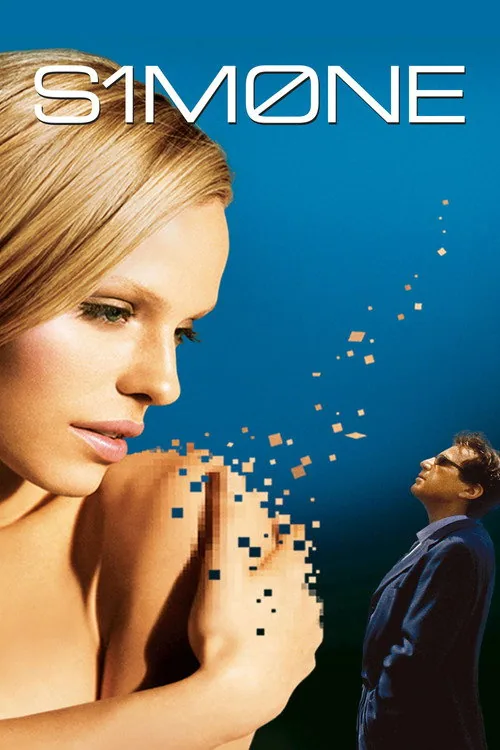
What changes Opus: slow-burn, ritualistic and escalating. S1m0ne: comic escalation, media spectacle and consequences accumulate.
When an actress abandons his film, frustrated director Viktor Taransky receives software that lets him create a convincing virtual performer named Simone. He presents her as a real star, and audiences embrace her, turning a private production shortcut into a global media event. As Simone's fame grows, Viktor must maintain the illusion while facing the consequences of giving a fictional person a public life. Andrew Niccol's satire mixes show-business comedy with science fiction, asking who controls an image once the audience begins to believe in it.
There is little recorded overlap with your starting film.
Why this matches +
Genres: Thriller / Crime
Shared film traits
Based on recorded story, mood and style. Your preferences can change the order.
Constructed reality
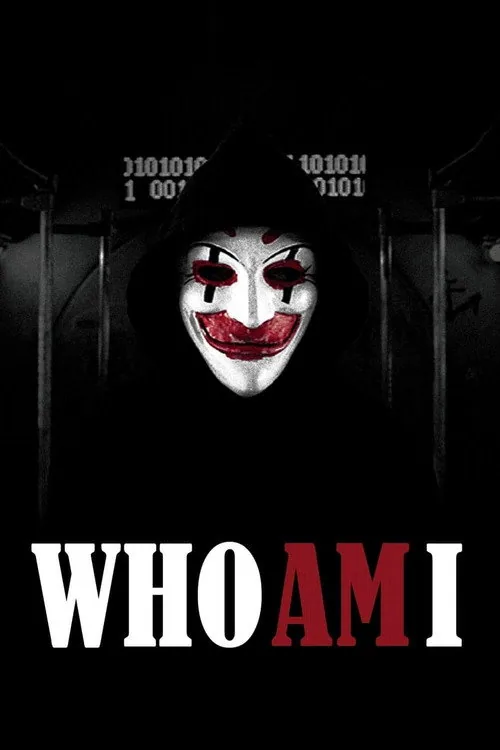
What changes Opus: slow-burn, ritualistic and escalating. Who Am I – No System is Safe: rapid escalation, nonlinear framing and montage-heavy sequences.
Benjamin, a socially isolated Berlin hacker, joins a small group whose pranks and intrusions are meant to win the attention of an elusive underground celebrity. Their escalating attacks draw the attention of Europol and turn online bravado into a real-world manhunt. The story is presented through Benjamin's account during an interrogation, making the frame itself part of a techno-thriller concerned with performance, identity, and unreliable narration. Rapid editing and graphic computer interfaces externalize the group's online ambitions while leaving the audience to question how much of the tale is stable.
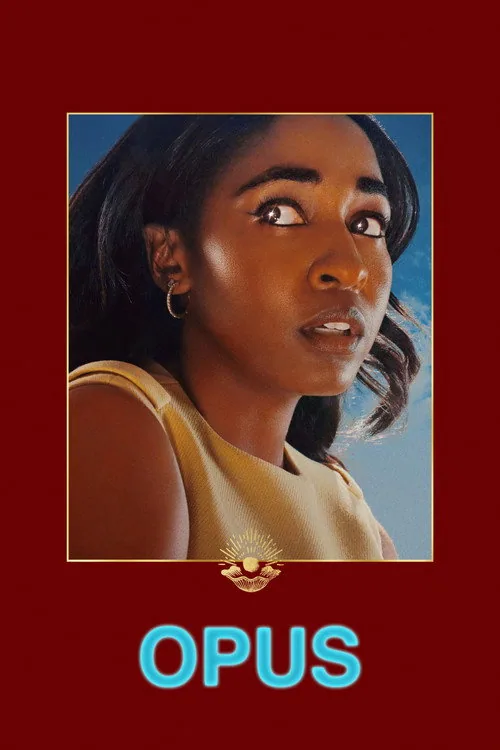
Ariel Ecton, a young journalist, is invited to the remote Utah compound of reclusive pop star Alfred Moretti for a private listening party marking his first album in decades. The other guests include media figures and influencers, and the weekend's promise of access gradually gives way to an unsettling social order built around Moretti's followers. Opus turns celebrity worship into a psychological horror story about the cost of proximity to power and the seduction of being chosen.
What drives the story
A journalist's access to a reclusive pop star becomes a test of how much she will accept to remain inside his world.
The people at its centre
Ariel's skepticism meets followers and peers whose desire for access makes them vulnerable to control.
What it feels like
The film shifts from celebrity-event satire toward ritualized unease and increasingly unstable social rules.
Worth knowing
Its music-industry setting serves a cult-like psychological horror story rather than a backstage biography.
celebrity worshipaccess and powerbelief and manipulation
Mood
uncanny · satirical · dread-filled
Pacing
slow-burn · ritualistic · escalating
Visual style
desert compound imagery · stylized pop iconography · formal group staging
Storytelling
remote compound · reclusive music icon · journalists trapped among devotees