Both share themes of family, plus a warm atmosphere.
Why this matches +
Genres: Animation / Comedy
Shared film traits
Based on recorded story, mood and style. Your preferences can change the order.
From the same film series.
Expect warm and playful, with fast and episodic pacing.
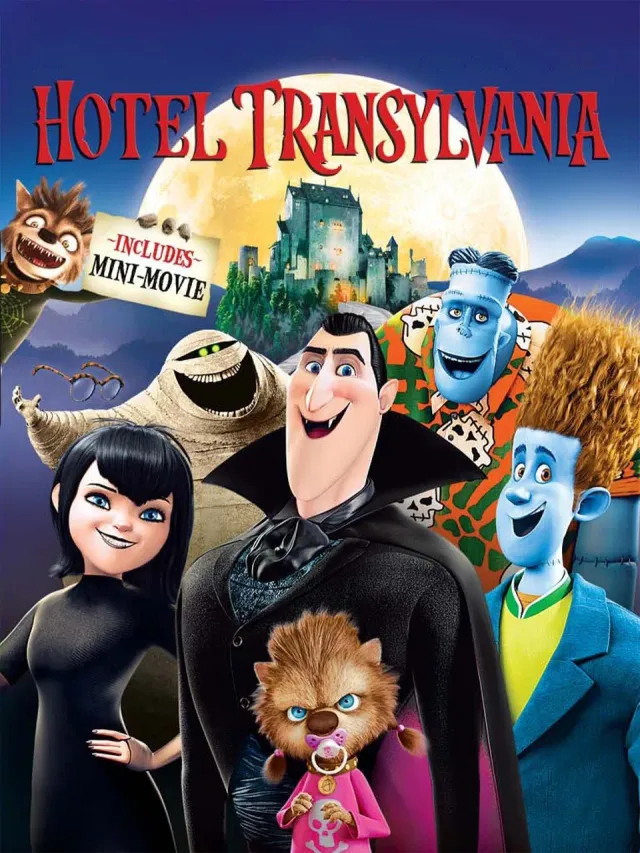
A vampire grandfather worries that his young grandson may not inherit the traits through which he recognizes family belonging. While the child's parents explore a human setting where they might raise him, the grandfather organizes increasingly risky attempts to trigger a transformation. The coming visit of an older relative adds another layer of inherited prejudice. The animated comedy makes protection and acceptance compete with the adult desire for proof that a child will continue a familiar identity.
Based on recorded story, mood and style. Your preferences can change the order.
What changes Peter Rabbit: fast, escalating and physical. Hop: steady.
A young rabbit expected to inherit responsibility for Easter production leaves home to pursue drumming in Hollywood. His arrival disrupts the routine of an unemployed man whose own family has lost patience with his uncertain ambitions. An improvised living arrangement gives both a chance to reconsider the roles they have been resisting, while a challenge within the rabbit's workplace makes private self-expression difficult to separate from responsibility for other people.
Based on recorded story, mood and style. Your preferences can change the order.
What changes Peter Rabbit is tagged mischievous and energetic; The War with Grandpa is tagged playful and chaotic.
When Ed moves into his daughter’s home, his grandson Peter is told to give up his bedroom. Peter refuses to accept the new arrangement and declares a playful war, with both sides escalating pranks while the rest of the family tries to keep peace. The comedy turns a household disagreement into a series of contests, allowing the grandfather and child to discover a relationship built on mischief as well as affection.
Based on recorded story, mood and style. Your preferences can change the order.
From the same film series.
Expect warm and playful, with fast pacing.
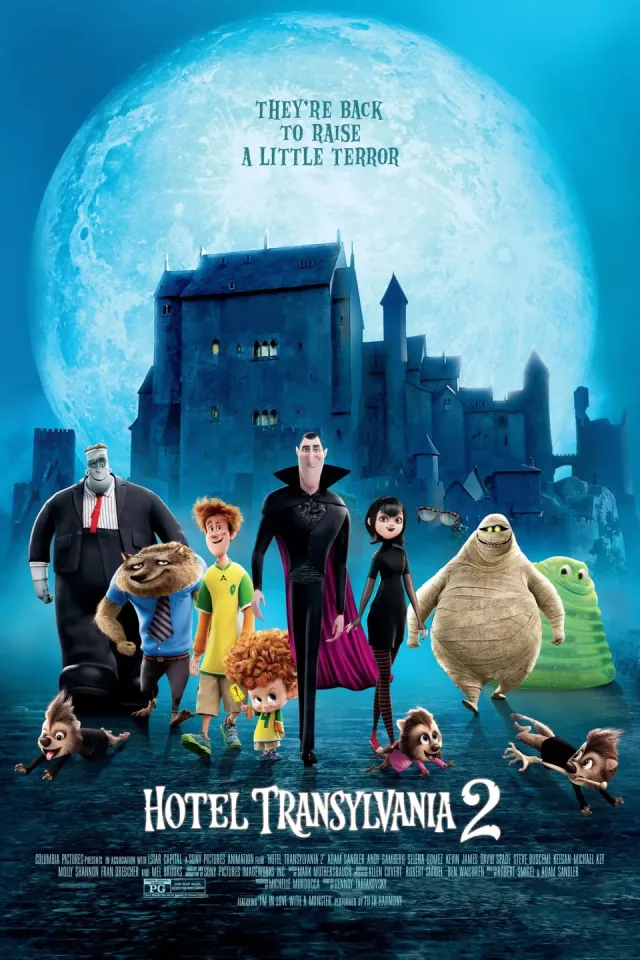
A vampire builds a secluded hotel to protect monsters and raise his daughter beyond the human world that killed her mother. On her birthday, an accidental human visitor disrupts the sanctuary and attracts her interest, forcing her father to conceal the newcomer's identity while defending his own frightening account of outsiders. Comic hospitality problems expose the limits of a safety system built on keeping experience under control. The family fantasy turns a guarded refuge into the setting for learning when protection has become imprisonment.
Based on recorded story, mood and style. Your preferences can change the order.
From the same film series.
Expect playful and warm, with fast and steady pacing.
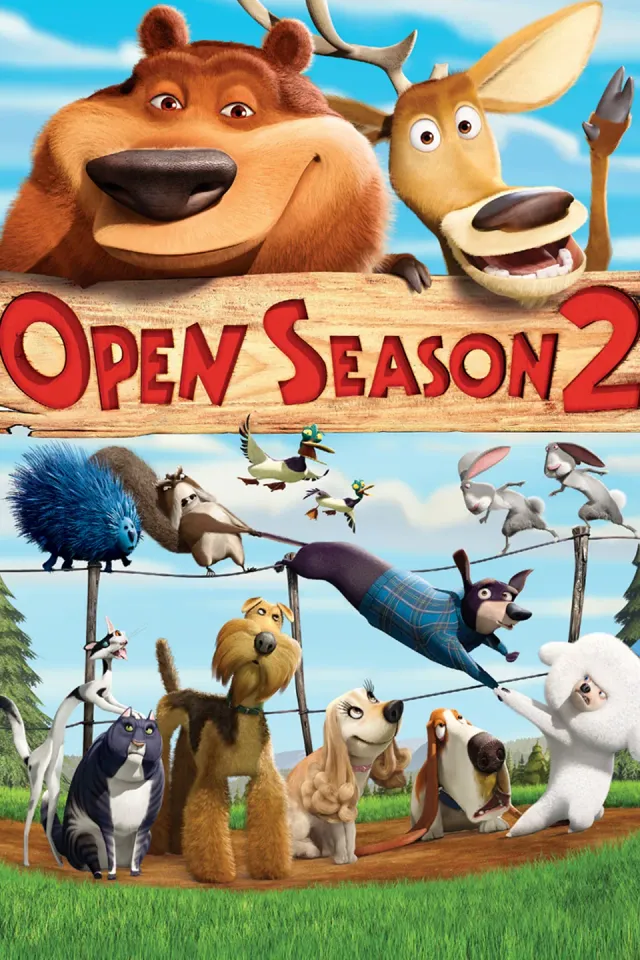
When domesticated dachshund Mr. Weenie is taken back by his former human family, Boog and Elliot lead the forest animals into the suburbs to bring him home. The mission pits their outdoor routines against the polished expectations of a pet community led by pampered poodle Fifi. Boog struggles with domestic comforts and the possibility that his friend prefers a human home, while Elliot’s new engagement makes him less available than before. The rescue turns into a conflict over whether friendship means choosing a life for someone else.
Based on recorded story, mood and style. Your preferences can change the order.
From the same film series.
What changes Peter Rabbit: fast, escalating and physical. Wish Dragon: comic escalation and emotional resolution.
In modern Shanghai, college student Din longs to reconnect with Lina, his childhood friend whose life has become more affluent than his own. He discovers a teapot containing Long, a cynical dragon able to grant wishes, and the two set out to find Lina. Their road through the city becomes an argument about what Din thinks money and status can recover, while Long’s own history gives the magical bargain a more personal dimension. The animated comedy updates a wish-granting folktale through an urban friendship story. Din's belief that wealth can restore friendship is challenged as Lina makes choices of her own. Long's cynical advice gradually reveals his personal stake in the bargain.
Based on recorded story, mood and style. Your preferences can change the order.
From the same film series.
What changes Peter Rabbit: fast, escalating and physical. The Pirates! In an Adventure with Scientists!: fast-paced and episodic.
The Pirate Captain enters the annual Pirate of the Year contest, where success depends on collecting more treasure than rival crews. After a series of weak raids, his crew captures Charles Darwin and learns that their dodo Polly may be the last of her kind. Darwin suggests entering her in a scientific competition, and the Captain expects the prize to help him win the pirate contest. Queen Victoria instead wants the bird for a more sinister purpose, leaving Captain and crew split between wealth, status and protecting Polly. A rivalry with Black Bellamy makes the Captain's eligibility matter as much as his moral choice. The stop-motion adventure turns historical figures into targets for absurd farce while keeping the crew's loyalty and the captain's vanity at its center.
Based on recorded story, mood and style. Your preferences can change the order.
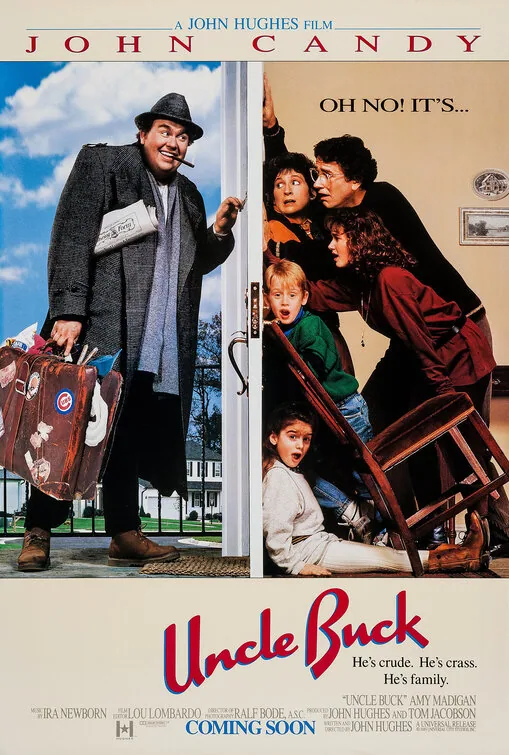
What changes Peter Rabbit: fast, escalating and physical. Uncle Buck: brisk and episodic.
When a family crisis leaves Bob and Cindy unable to care for their children, they ask Bob's unreliable bachelor brother Buck to help. Buck's unconventional methods charm the younger Miles and Maizy but meet resistance from teenage Tia, who has little reason to trust him. John Hughes shapes the domestic comedy around the gap between Buck's careless appearance and his growing willingness to take responsibility, with the family home becoming a place where awkward care has to be earned.
Based on recorded story, mood and style. Your preferences can change the order.
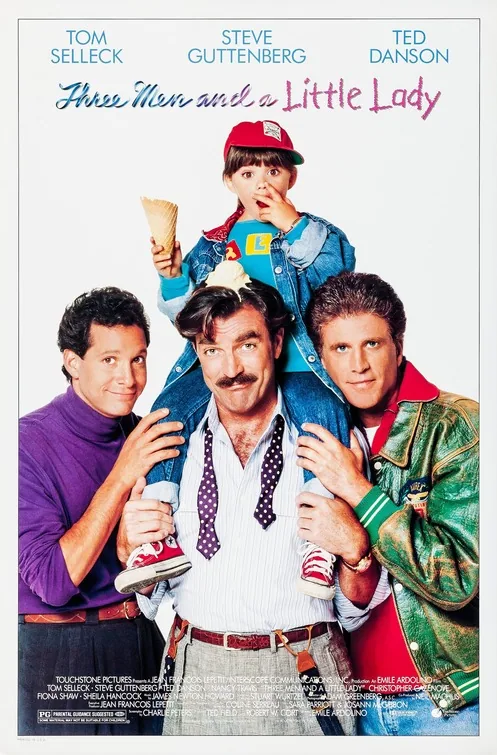
What changes Peter Rabbit: fast, escalating and physical. Three Men and a Little Lady: relationship-led and lightly escalating.
Peter, Michael and Jack share the care of Mary, the daughter they helped raise, while her mother Sylvia considers marrying a British director and moving to England. The men try to remain supportive, but their attachment to Mary makes the possibility of separation harder than they admit. The sequel turns the original domestic arrangement into a story about parental care, adult commitment and whether a family can change without disappearing.
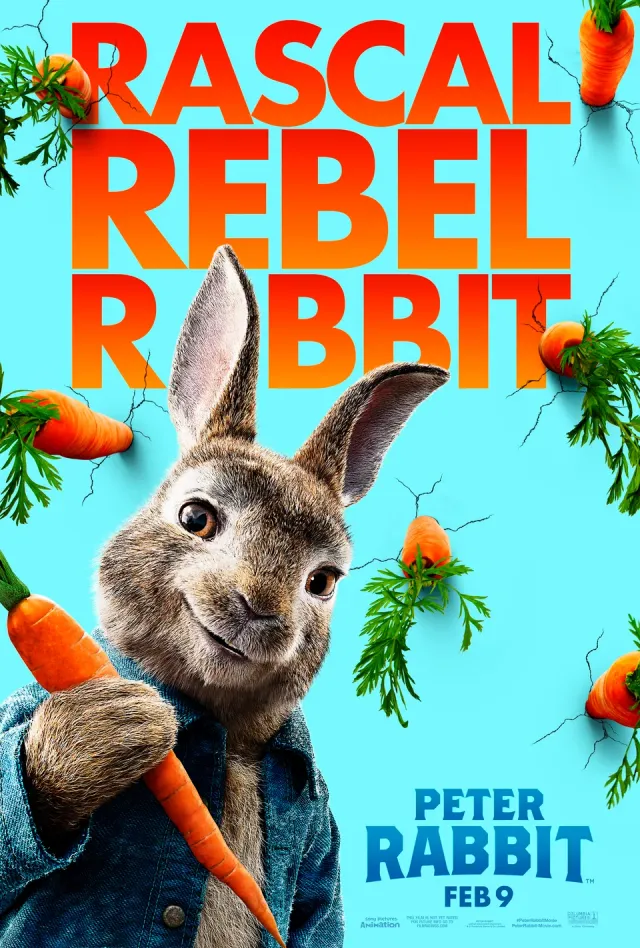
Peter Rabbit and his siblings raid the vegetable garden of Mr. McGregor, their long-standing enemy, while their neighbor Bea paints the rabbits and cares for them. After McGregor dies, his London-raised heir Thomas takes possession of the house and tries to turn the garden into a controlled retreat. Peter sees Thomas as a new threat to the rabbits’ home, while Thomas and Bea grow close. The struggle for the garden escalates into competing pranks and increasingly dangerous retaliation, pushing Peter to confront how jealousy and mischief endanger the animals he claims to protect. The story eventually asks whether a human and rabbit can share the place they both want.
What drives the story
The garden is simultaneously a food source, a home and a symbol of control, giving Peter and Thomas’s rivalry stakes beyond a prank war.
The people at its centre
Peter’s fear of losing Bea’s affection mixes with his defense of the family, while Thomas’s affection grows alongside his need to dominate the space.
What it feels like
Live actors share an English countryside setting with expressive digital rabbits, mixing physical comedy, broad slapstick and family adventure.
Worth knowing
This modern adaptation uses Beatrix Potter’s characters for a noisy rivalry comedy; its mischievous tone differs from the quieter picture-book stories.