The grandparents’ mistakes matter because each child responds to a different kind of pressure.
Why this matches +
These offer a related experience with a meaningful difference in story, tone, or presentation.
An adjacent discovery: a related idea with a different viewing experience.
Genres: Comedy / Family
Shared film traits
Based on recorded story, mood and style. Your preferences can change the order.
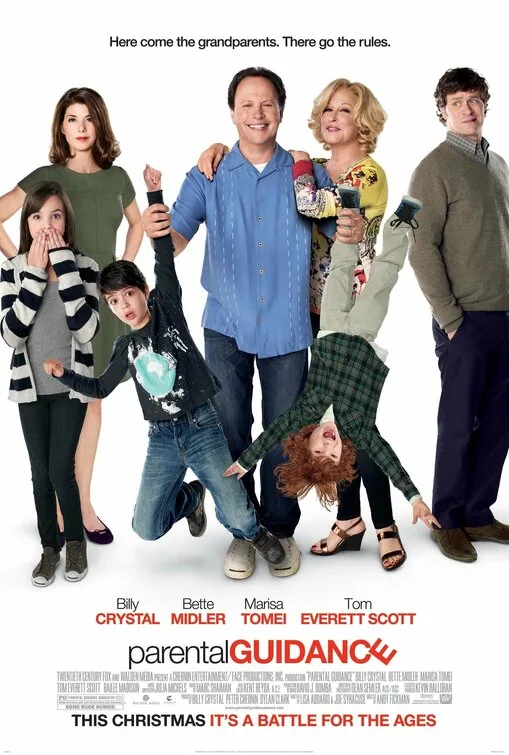
What changes Grandparents and grandchildren clash over household rules before learning to understand each other's needs.
Artie and Diane are asked to care for their grandchildren while their daughter and son-in-law travel for work. Artie’s informal approach clashes with the parents’ carefully managed routines, and the grandparents must learn what each child needs rather than assuming that affection alone will solve every problem. The family comedy turns an intergenerational babysitting arrangement into a small negotiation over authority, trust and the different ways adults show care.
Dennis’s attempts to be helpful create comic trouble while an adult thief introduces a simple external danger.
Why this matches +
These offer a related experience with a meaningful difference in story, tone, or presentation.
An adjacent discovery: a related idea with a different viewing experience.
Genres: Family / Comedy
Shared film traits
Based on recorded story, mood and style. Your preferences can change the order.
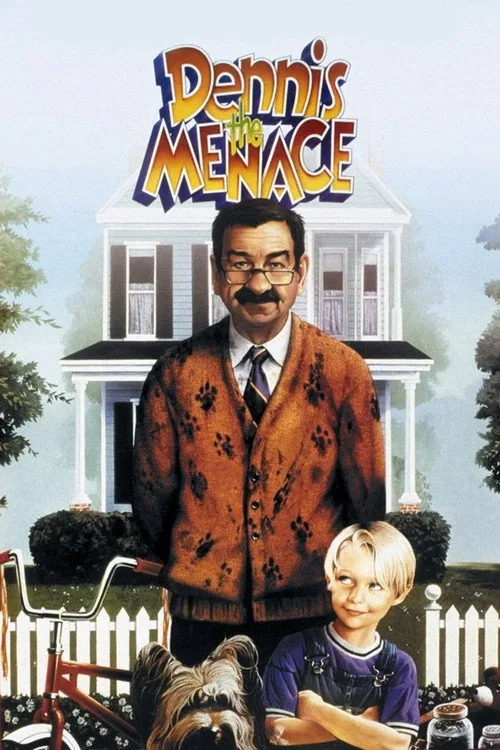
What changes A mischievous child repeatedly disrupts an older neighbor's carefully ordered life, with reluctant affection beneath the pranks.
Five-year-old Dennis Mitchell is a curious, energetic child whose well-meant attempts to help repeatedly disrupt the quiet life of his elderly neighbor, George Wilson. When a burglar arrives in town and Dennis’s parents must leave him with Mr. Wilson, their uneasy arrangement becomes a test of patience and unexpected affection. Nick Castle’s family comedy adapts Hank Ketcham’s comic strip into a series of household mishaps, slapstick set pieces, and a story about how a grumpy adult and an impulsive child learn to understand each other.
Greg’s narration and visualized cartoons preserve the child’s viewpoint inside live-action scenes.
Why this matches +
These offer a related experience with a meaningful difference in story, tone, or presentation.
An adjacent discovery: a related idea with a different viewing experience.
Genres: Comedy / Family
Shared film traits
Based on recorded story, mood and style. Your preferences can change the order.
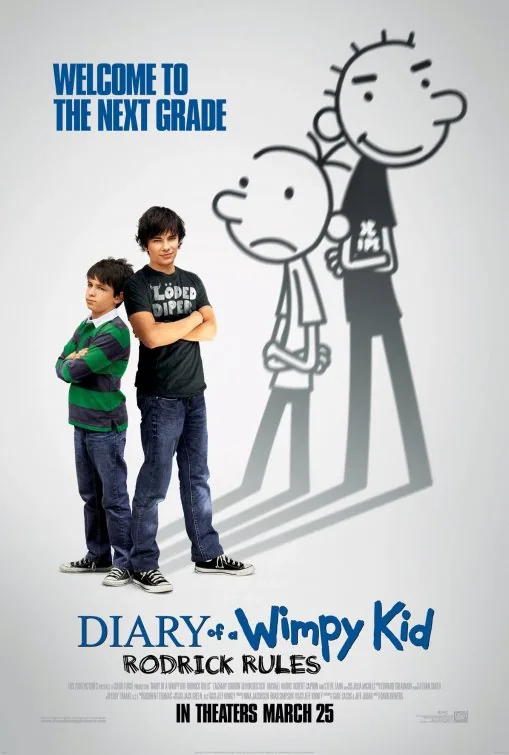
What changes Sibling rivalry turns family rules into a cycle of schemes, embarrassment and gradual cooperation.
Greg Heffley and his older brother Rodrick are told to spend more time together, and their mother offers rewards for any sign of cooperation. The brothers keep competing, hiding embarrassing mishaps and trying to protect their separate social worlds, while Rodrick hopes his band will gain attention. The comedy turns small family rules into a cycle of schemes, with affection surfacing beneath the siblings’ determined rivalry.
The film's engine follows the many children create an ensemble rhythm across different ages; this keeps the stakes tied to observable choices.
Why this matches +
These offer a related experience with a meaningful difference in story, tone, or presentation.
An adjacent discovery: a related idea with a different viewing experience.
Genres: Comedy / Family
Shared film traits
Based on recorded story, mood and style. Your preferences can change the order.
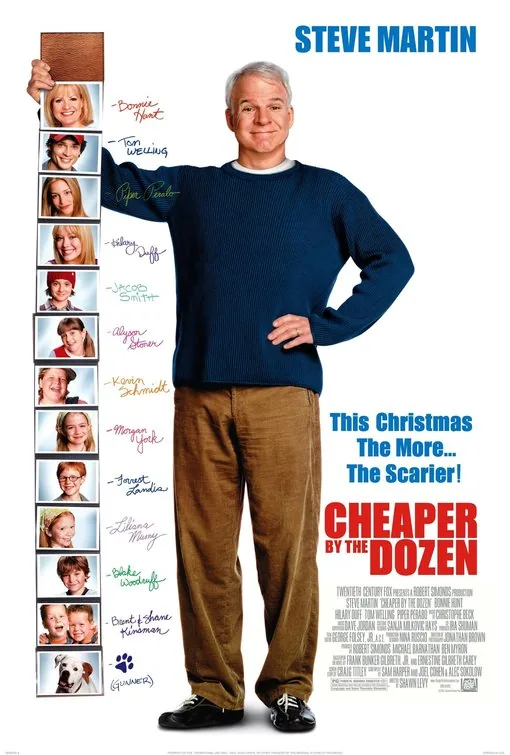
What changes A large family navigates everyday rivalries and escalating household chaos through pranks and comic misunderstandings.
Tom and Kate Baker move their large family to a new town when Tom gets a coaching job, disrupting routines that had kept the household together. As the children adjust and their parents face competing ambitions, small conflicts multiply into a family-wide test of communication. The comedy treats domestic chaos as slapstick and a question about shared care.
A boy defending his new home discovers that a burglary threat is more real than the ghosts he fears.
Why this matches +
These offer a related experience with a meaningful difference in story, tone, or presentation.
An adjacent discovery: a related idea with a different viewing experience.
Genres: Comedy / Family
Shared film traits
Based on recorded story, mood and style. Your preferences can change the order.
What changes Children use improvised traps and practical jokes to defend their home against unwelcome intruders.
Finn Baxter moves with his family to a new house and becomes convinced that it is haunted. While his parents are away, he and his sister Alexis stay behind with a young brother, and a trio of burglars target the house to recover a hidden painting. Peter Hewitt's television sequel reuses the franchise's home-defense pattern in a new family setting, making Finn's imagination and improvised traps the engine of a holiday adventure.
When Ed moves into his daughter’s home, his grandson Peter is told to give up his bedroom. Peter refuses to accept the new arrangement and declares a playful war, with both sides escalating pranks while the rest of the family tries to keep peace. The comedy turns a household disagreement into a series of contests, allowing the grandfather and child to discover a relationship built on mischief as well as affection.
What drives the story
The bedroom dispute gives the comedy a clear boundary that both characters keep pushing.
The people at its centre
Ed’s pride and Peter’s sense of unfairness make their rivalry feel mutual rather than one-sided.
What it feels like
Pranks become a way for the pair to communicate where direct conversation has stalled.
Worth knowing
Mild slapstick and family conflict keep the story within a broad comedy range.
FamilyGenerationsCompetition
Mood
Playful · Chaotic · Affectionate
Pacing
Escalating · Set-piece-driven
Visual style
Bright suburban interiors · Physical gags · Family ensemble staging
Storytelling
Bedroom dispute · Prank rivalry · Grandparent-grandchild bond