Explore films connected to Dennis the Menace through generational friendship, good intentions and consequences, community and patience. Choose the qualities you want to carry into your next watch.
What should feel similar?
Find your next favourite
9 films · Closest overall matches
Hide films you’ve seen or don’t want. Saved on this device.
No matches for this combination yet.
Try another option or reset your choices to see more films.
Based on recorded story, mood and style. Your preferences can change the order.
What changes Dennis the Menace: episodic comic mishaps and family-adventure escalation. Secondhand Lions: gentle episodic storytelling, stories within the story and character-led emotional build.
Fourteen-year-old Walter is sent to spend the summer with his reclusive great-uncles Hub and Garth on a Texas farm. The old men are rumored to have a hidden fortune and answer intrusive salesmen with shotguns, but Walter gradually draws out their stories of an adventurous past. Their tales may be embellished, yet the boy finds in them a model of courage, generosity, and independence. The family comedy-drama grows through the bond between a lonely child and two eccentric adults who have never been asked to explain themselves.
Based on recorded story, mood and style. Your preferences can change the order.
What changes Dennis the Menace: episodic comic mishaps and family-adventure escalation. Jack: episodic school experiences, gentle emotional progression and coming-of-age arc.
Jack Powell is born with a rare condition that makes him age four times faster than other children, so by ten he has the body of a forty-year-old. After years of home instruction, he begins attending school and faces the excitement and awkwardness of joining classmates whose bodies and life stages do not match his. His parents and teacher try to protect him while allowing him greater independence. Francis Ford Coppola's family comedy-drama uses a fantastical premise to follow childhood, friendship, and the urgency of growing up under unusual circumstances.
Based on recorded story, mood and style. Your preferences can change the order.
What changes Dennis the Menace: episodic comic mishaps and family-adventure escalation. The War with Grandpa: escalating and set-piece-driven.
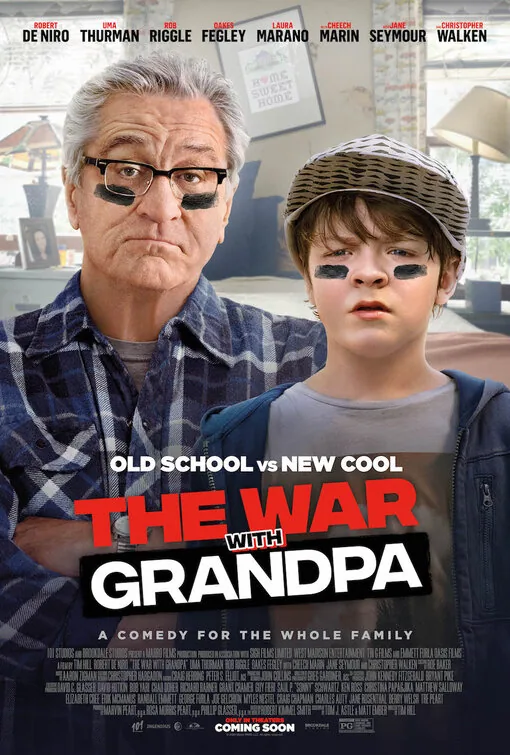
When Ed moves into his daughter’s home, his grandson Peter is told to give up his bedroom. Peter refuses to accept the new arrangement and declares a playful war, with both sides escalating pranks while the rest of the family tries to keep peace. The comedy turns a household disagreement into a series of contests, allowing the grandfather and child to discover a relationship built on mischief as well as affection.
Based on recorded story, mood and style. Your preferences can change the order.
What changes Dennis the Menace: episodic comic mishaps and family-adventure escalation. House Party: one-night journey builds through comic encounters and party performances.
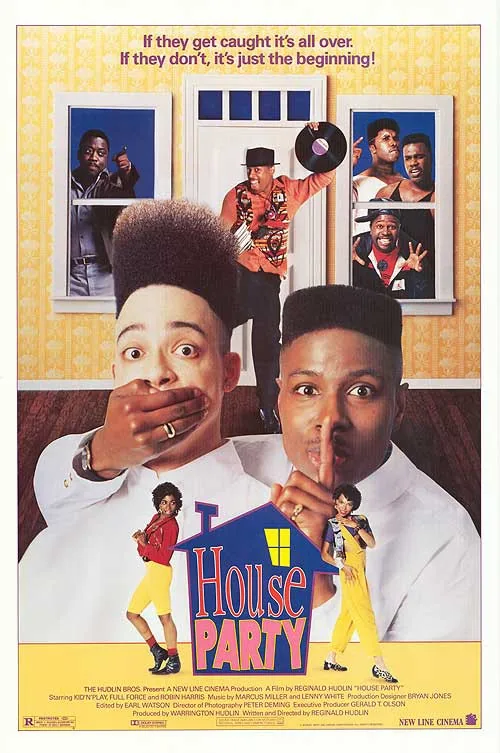
Teenager Kid wants to attend his friend Play’s house party, but a school fight leads his father Pop to ground him. Kid slips out after his father falls asleep and heads across the neighborhood, where police, bullies and the hazards of the night repeatedly threaten to send him home. The gathering becomes a showcase for friendships, courtship, dancing and hip-hop performance, with DJ Bilal keeping the music moving. The comedy’s home-to-party journey follows Kid as he tries to enjoy one night of freedom while managing the expectations of family and the rivalries of his community.
Based on recorded story, mood and style. Your preferences can change the order.
What changes Dennis the Menace: episodic comic mishaps and family-adventure escalation. Ricky Stanicky: comic escalation, ensemble set pieces and farce-driven.
Three childhood friends invent an imaginary boy named Ricky Stanicky to take the blame for a prank, then keep using him as an excuse well into adulthood. When their partners and families demand to meet the absent friend, the men hire an eccentric performer to impersonate him at a gathering. The scheme gives the actor an unexpected chance to reinvent himself but makes the friends' long-running lie harder to control. The comedy turns a shared fictional identity into a story about arrested adulthood, friendship, and the cost of keeping a convenient story alive.
Based on recorded story, mood and style. Your preferences can change the order.
What changes Dennis the Menace: episodic comic mishaps and family-adventure escalation. The Little Rascals: sketch-like episodes, broad physical comedy and race-centered finale.
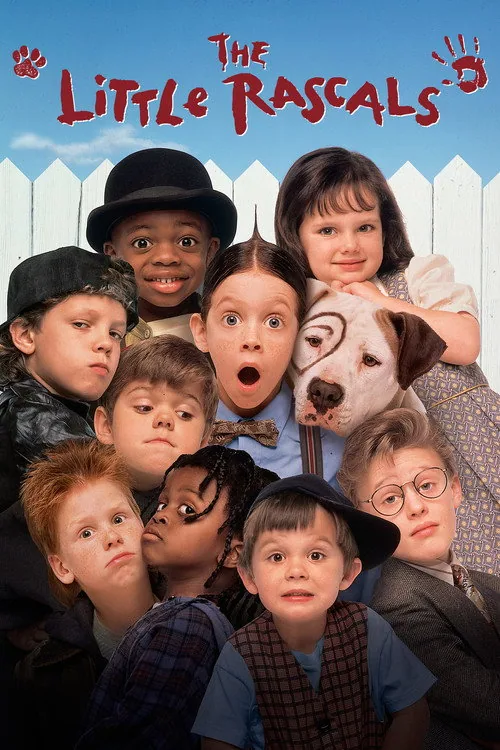
Spanky leads a boys' club that bans girls, but his friend Alfalfa's crush on Darla disrupts its rules just as the gang prepares its go-kart for a major race. The boys' efforts to separate the couple cause escalating mishaps, while wealthy newcomer Waldo becomes a rival for Darla's attention. Adapting characters from the Our Gang shorts, the family comedy builds a sunny chain of clubhouse schemes, childhood romance, and a race that gives the group a common goal.
Based on recorded story, mood and style. Your preferences can change the order.
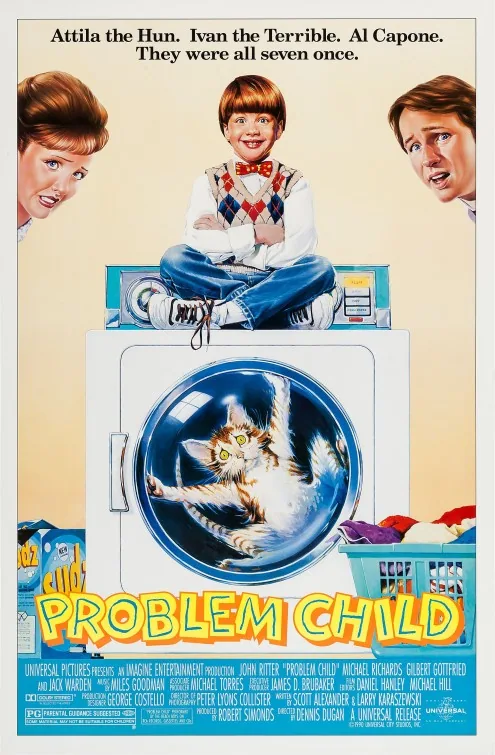
What changes Dennis the Menace: episodic comic mishaps and family-adventure escalation. Problem Child: a sequence of increasingly outrageous domestic and community mishaps.
Ben Healy wants to become a father, while his status-conscious wife Flo is more interested in the image of family life than its demands. They adopt Junior, a seven-year-old whose disruptive behavior rapidly unsettles their home and their relationships with neighbors. Ben tries to understand the child beneath the chaos, even as his own father dismisses him as weak and Junior forms a correspondence with notorious killer Martin Beck, who mistakes the boy’s signature for an adult accomplice. The comedy escalates through destructive pranks and family embarrassment, but its central question is whether Ben and Junior can build a real bond.
Based on recorded story, mood and style. Your preferences can change the order.
What changes Dennis the Menace: episodic comic mishaps and family-adventure escalation. The Kings of Summer: episodic, summer interlude and character-led.
Frustrated by his father’s attempts to manage his life, teenager Joe Toy runs away with his friend Patrick and an eccentric boy named Biaggio. The trio build a makeshift house in the woods and attempt to live independently through the summer. Their self-sufficiency is tested by practical problems, friendship tensions, and growing feelings for a girl from town. Jordan Vogt-Roberts’s coming-of-age comedy observes the appeal and limits of escape from family as boys try to define adulthood for themselves.
Based on recorded story, mood and style. Your preferences can change the order.
What changes Dennis the Menace: episodic comic mishaps and family-adventure escalation. The Meyerowitz Stories: chaptered family episodes, conversation-led conflict and open-ended resolution.
The adult children of aging sculptor Harold Meyerowitz reunite in New York as family events expose old resentments and competing memories. Danny, recently separated, returns to his father's home with his daughter; Jean revisits her own long-standing distance from the family; and Matthew arrives from Los Angeles with a more successful career. Their father remains the emotional center, demanding attention while resisting honest reflection. Noah Baumbach's ensemble drama finds comedy in sibling friction and the complicated wish to be recognized by a parent.
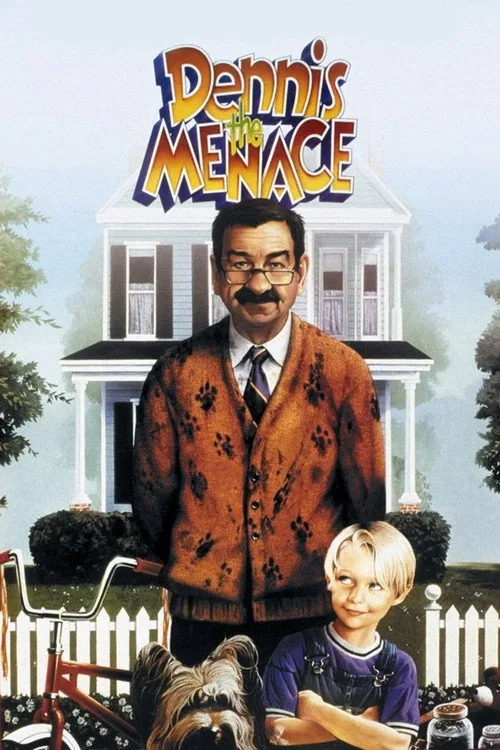
Five-year-old Dennis Mitchell is a curious, energetic child whose well-meant attempts to help repeatedly disrupt the quiet life of his elderly neighbor, George Wilson. When a burglar arrives in town and Dennis’s parents must leave him with Mr. Wilson, their uneasy arrangement becomes a test of patience and unexpected affection. Nick Castle’s family comedy adapts Hank Ketcham’s comic strip into a series of household mishaps, slapstick set pieces, and a story about how a grumpy adult and an impulsive child learn to understand each other.
What drives the story
Dennis’s attempts to be helpful create comic trouble while an adult thief introduces a simple external danger.
The people at its centre
Dennis’s eagerness clashes with George’s preference for order, but their conflict gradually reveals mutual care.
What it feels like
Expect broad slapstick, a child-centered point of view, and a light family adventure with a mischievous tone.
Worth knowing
The neighborhood caper and physical jokes make it different from more grounded stories about childhood or family conflict.
generational friendshipgood intentions and consequencescommunity and patience