Explore films connected to The Little Rascals through friendship and jealousy, childhood rules, competition and cooperation. Choose the qualities you want to carry into your next watch.
What should feel similar?
Find your next favourite
9 films · Closest overall matches
Hide films you’ve seen or don’t want. Saved on this device.
No matches for this combination yet.
Try another option or reset your choices to see more films.
Based on recorded story, mood and style. Your preferences can change the order.
Coming of age
What changes The Little Rascals: sketch-like episodes, broad physical comedy and race-centered finale. Secondhand Lions: gentle episodic storytelling, stories within the story and character-led emotional build.
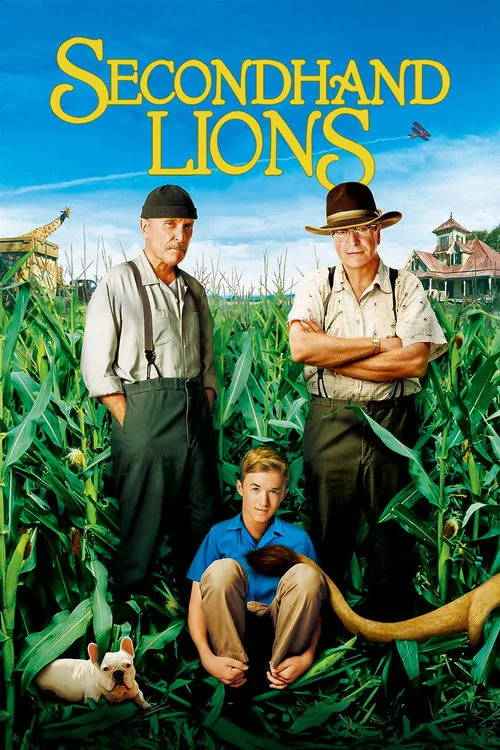
Fourteen-year-old Walter is sent to spend the summer with his reclusive great-uncles Hub and Garth on a Texas farm. The old men are rumored to have a hidden fortune and answer intrusive salesmen with shotguns, but Walter gradually draws out their stories of an adventurous past. Their tales may be embellished, yet the boy finds in them a model of courage, generosity, and independence. The family comedy-drama grows through the bond between a lonely child and two eccentric adults who have never been asked to explain themselves.
Based on recorded story, mood and style. Your preferences can change the order.
What changes The Little Rascals: sketch-like episodes, broad physical comedy and race-centered finale. Dennis the Menace: episodic comic mishaps and family-adventure escalation.
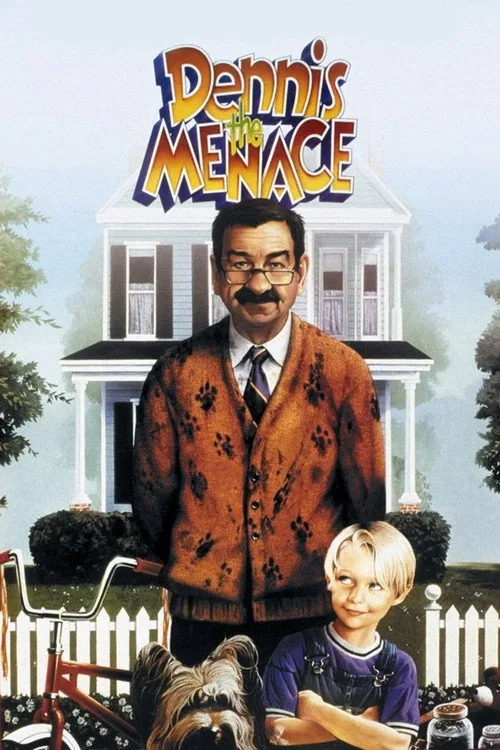
Five-year-old Dennis Mitchell is a curious, energetic child whose well-meant attempts to help repeatedly disrupt the quiet life of his elderly neighbor, George Wilson. When a burglar arrives in town and Dennis’s parents must leave him with Mr. Wilson, their uneasy arrangement becomes a test of patience and unexpected affection. Nick Castle’s family comedy adapts Hank Ketcham’s comic strip into a series of household mishaps, slapstick set pieces, and a story about how a grumpy adult and an impulsive child learn to understand each other.
Based on recorded story, mood and style. Your preferences can change the order.
Coming of age
What changes The Little Rascals: sketch-like episodes, broad physical comedy and race-centered finale. Dope: fast-moving, caper-like and comic escalation.
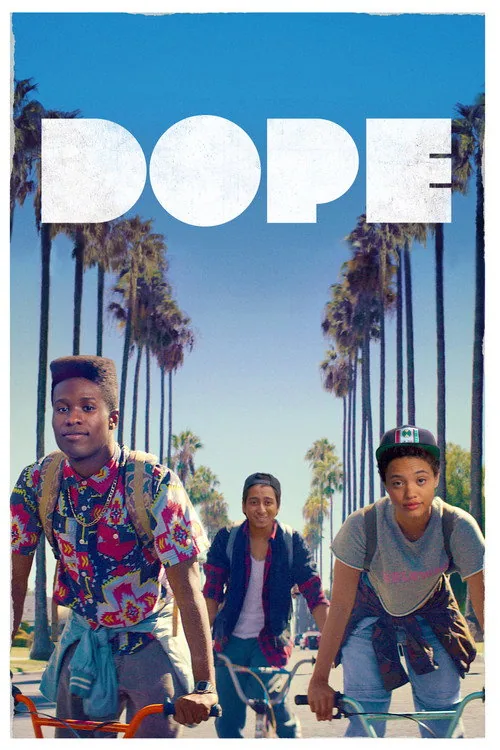
High-school senior Malcolm and his friends Jib and Diggy live in Inglewood and share an interest in 1990s hip-hop, skateboarding, and outsider culture. After a party is interrupted by gunfire, drugs and a weapon end up in Malcolm’s backpack, drawing him into a dangerous effort to protect himself and his college prospects. He and his friends use their technical skills to sell the drugs online while navigating school, neighborhood expectations, and shifting loyalties. Rick Famuyiwa’s comedy-drama mixes teen coming-of-age with crime caper elements.
Based on recorded story, mood and style. Your preferences can change the order.
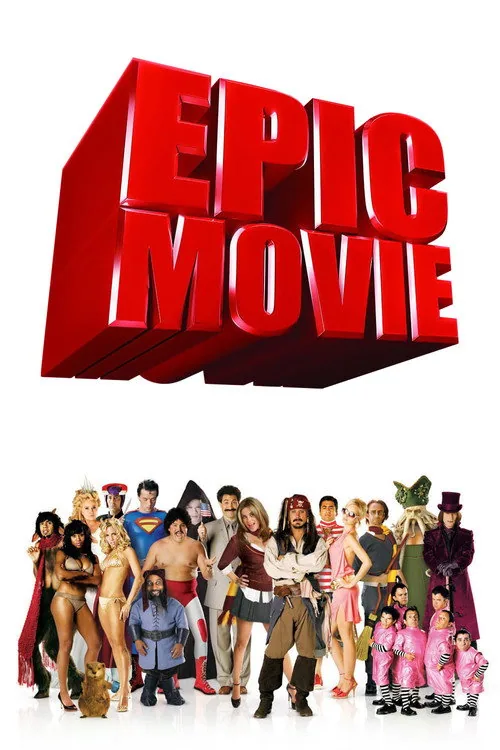
What changes The Little Rascals: sketch-like episodes, broad physical comedy and race-centered finale. Epic Movie: a golden ticket contest sends four strangers into a parody kingdom with a familiar fantasy villain..
Four unrelated young people discover Golden Tickets and are brought together at Willy’s Chocolate Factory, where they learn that Willy plans to use them as an ingredient. After escaping through a wardrobe into the snowy kingdom of Gnarnia, they join Mr. Tumnus and Harry Beaver in a fight against the White Bitch. Jason Friedberg and Aaron Seltzer’s parody assembles jokes and references from contemporary fantasy, adventure, and comedy hits, following the loose shape of an ensemble quest rather than sustaining one target or comic style.
Based on recorded story, mood and style. Your preferences can change the order.
Coming of age · Sport and competition
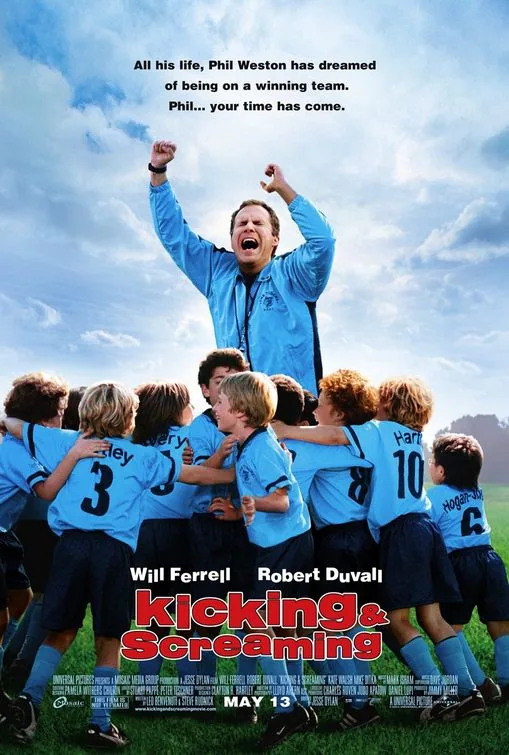
What changes The Little Rascals: sketch-like episodes, broad physical comedy and race-centered finale. Kicking & Screaming: escalating and competition-led.
A mild-mannered father takes over his young son's soccer team after his own competitive father begins coaching the rival side. What starts as a way to support his child becomes an increasingly intense attempt to win, drawing both teams and families into the adults' old rivalry. The sports comedy follows how a parent's desire to prove himself can crowd out the encouragement the children actually need.
Based on recorded story, mood and style. Your preferences can change the order.
Coming of age · Sport and competition
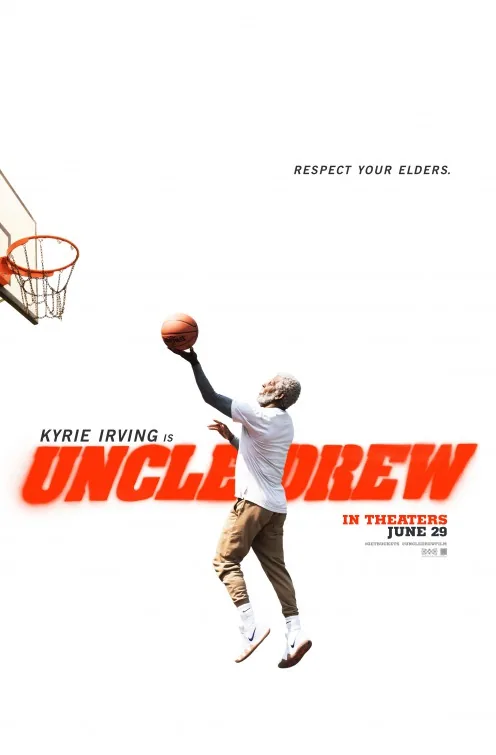
What changes The Little Rascals: sketch-like episodes, broad physical comedy and race-centered finale. Uncle Drew: travel-and-recruitment episodes, sports set pieces and tournament finale.
After losing his basketball team before a neighborhood tournament, Harlem coach Dax Winslow seeks out the legendary Uncle Drew, a player whose name has become part of streetball history. Drew agrees to help reunite his old teammates, and the group travels across the country to recruit them. The journey brings aging players, old rivalries, and Dax’s own ambitions into a road comedy built around basketball culture and the Rucker Classic.
Based on recorded story, mood and style. Your preferences can change the order.
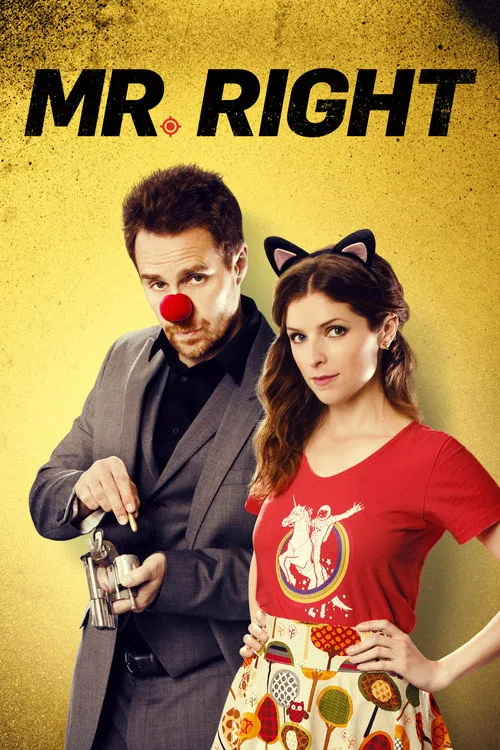
What changes The Little Rascals: sketch-like episodes, broad physical comedy and race-centered finale. Mr. Right: fast comic action, romantic beats between fights and escalating pursuit.
After a painful breakup, Martha meets Francis, a charming man who reveals that he is a former hitman who now kills the people who hire him. Their fast-growing romance continues even as old employers and a network of assassins try to reach him. Martha is drawn into Francis's violent world and discovers that she has a more unusual response to danger than he expected. The action comedy sets courtship alongside choreographed confrontations, using the pair's eccentric chemistry to play with the idea of a romantic partner who is also a lethal outlaw.
Based on recorded story, mood and style. Your preferences can change the order.
Coming of age · Sport and competition
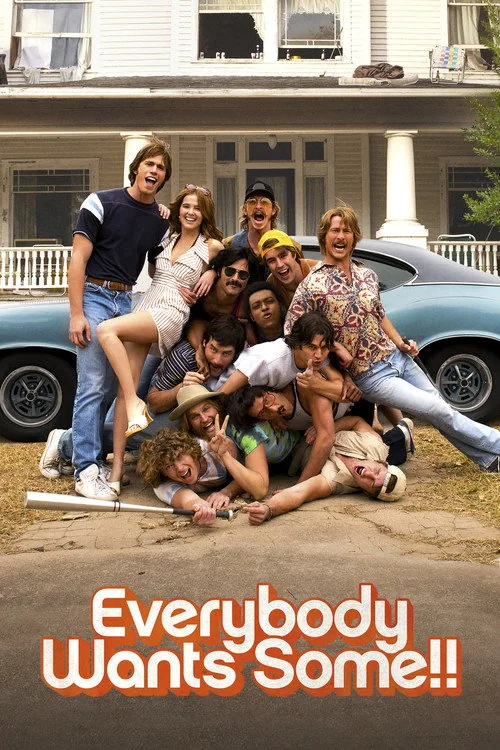
What changes The Little Rascals: sketch-like episodes, broad physical comedy and race-centered finale. Everybody Wants Some!!: episodic hangouts, conversational flow and loose weekend structure.
In fall 1980, freshman pitcher Jake Bradford moves into a house shared by college baseball teammates just before classes begin. Over a few days, he meets the upperclassmen, joins their parties and games, and starts a tentative romance with theater student Beverly. The characters try on different social scenes and ideas of adulthood while enjoying the freedom before the season and academic year begin. Richard Linklater's comedy is a loose ensemble coming-of-age story, built from conversations, music, and the small rituals of a team settling into a new campus life.
Based on recorded story, mood and style. Your preferences can change the order.
Coming of age · Sport and competition
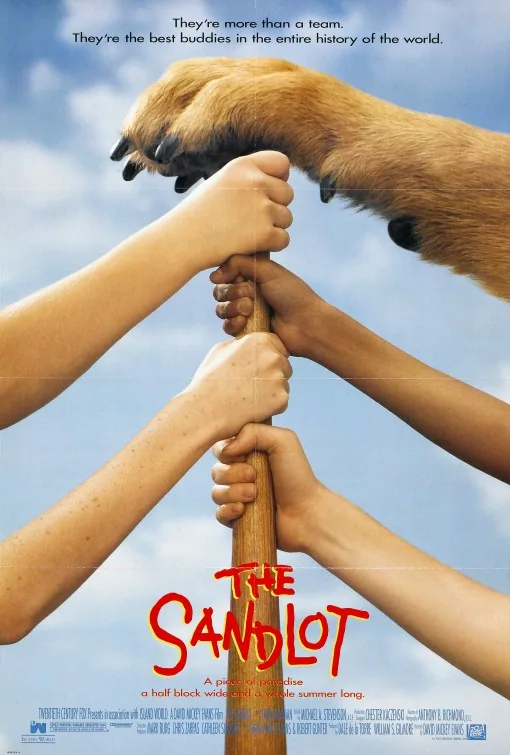
What changes The Little Rascals: sketch-like episodes, broad physical comedy and race-centered finale. The Sandlot: episodic and coming-of-age.
In 1962, new arrival Scotty Smalls joins a neighborhood group of boys who spend their summer playing baseball. Their games, teasing and small adventures gradually give him a sense of belonging, while a ball hit into a neighboring yard creates a larger challenge. The nostalgic comedy treats childhood friendship as a world with its own legends and rituals, seen from the perspective of someone learning to fit in.
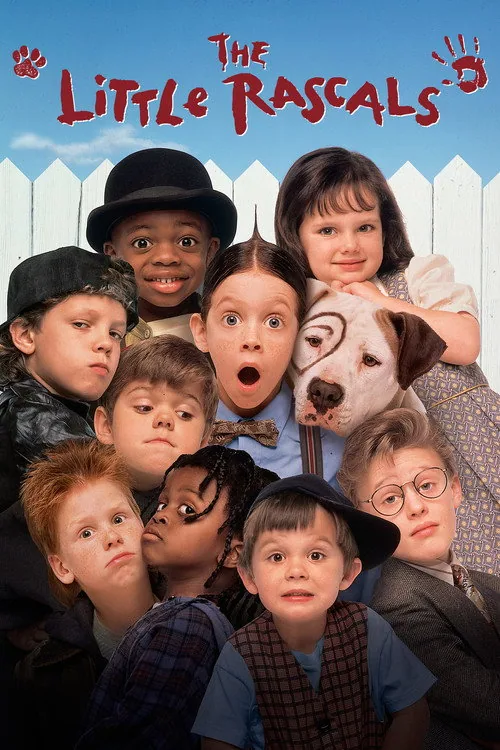
Spanky leads a boys' club that bans girls, but his friend Alfalfa's crush on Darla disrupts its rules just as the gang prepares its go-kart for a major race. The boys' efforts to separate the couple cause escalating mishaps, while wealthy newcomer Waldo becomes a rival for Darla's attention. Adapting characters from the Our Gang shorts, the family comedy builds a sunny chain of clubhouse schemes, childhood romance, and a race that gives the group a common goal.
What drives the story
A boys' club tries to keep Alfalfa from seeing Darla while the gang prepares its prized go-kart for a local race.
The people at its centre
Spanky tries to protect club loyalty as Alfalfa's first romance and Waldo's arrival unsettle the familiar group.
What it feels like
A family comedy strings together slapstick pranks and child-sized rivalries before bringing the gang to a racing finish.
Worth knowing
It reimagines the Our Gang characters in a feature-length contemporary story rather than compiling the original short films.
friendship and jealousychildhood rulescompetition and cooperation
Mood
playful · nostalgic · slapstick
Pacing
sketch-like episodes · broad physical comedy · race-centered finale