Explore films connected to The Meyerowitz Stories through family recognition, art and inheritance, sibling resentment. Choose the qualities you want to carry into your next watch.
What should feel similar?
Find your next favourite
9 films · Closest overall matches
Hide films you’ve seen or don’t want. Saved on this device.
No matches for this combination yet.
Try another option or reset your choices to see more films.
Based on recorded story, mood and style. Your preferences can change the order.
What changes The Meyerowitz Stories: chaptered family episodes, conversation-led conflict and open-ended resolution. Tully: quiet character study, domestic episodes and gradual emotional shift.
Marlo is exhausted after the birth of her third child, trying to care for a newborn while managing two older children and a household that offers little rest. Her brother hires a night nanny, Tully, whose practical help develops into an unusually intimate friendship. As Marlo regains some energy, their conversations bring buried needs and the strain of motherhood into view. Jason Reitman's character drama uses sharp humor and a close domestic lens to depict invisible labor, changing identity, and the cost of expecting parents to cope alone.
Based on recorded story, mood and style. Your preferences can change the order.
Memory and identity
What changes The Meyerowitz Stories: chaptered family episodes, conversation-led conflict and open-ended resolution. While We're Young: relationship-driven episodes, gradual discovery and quiet comic resolution.
Documentary filmmaker Josh and his wife Cornelia, a middle-aged couple without children, feel out of step with friends who have begun raising families. They befriend Jamie and Darby, a younger pair who seem spontaneous and adventurous, and begin adopting their habits. As Josh collaborates with Jamie on a documentary, questions about authenticity and credit surface. Noah Baumbach's comedy-drama follows the couples' shifting friendship while examining age, artistic ambition, and the ways people perform youth or maturity.
Based on recorded story, mood and style. Your preferences can change the order.
Memory and identity
What changes The Meyerowitz Stories: chaptered family episodes, conversation-led conflict and open-ended resolution. Garden State: loose episodic drift toward personal choice.
Actor Andrew Largeman returns from Los Angeles to New Jersey after his mother’s death and finds that home has preserved friendships and family tensions he had left behind. A doctor’s appointment brings him into contact with Sam, whose impulsive honesty contrasts with his detached habits. Reconnecting with old friends and confronting his psychiatrist father forces Andrew to consider how grief, medication, and long-standing emotional distance have shaped his adult life.
Based on recorded story, mood and style. Your preferences can change the order.
What changes The Meyerowitz Stories: chaptered family episodes, conversation-led conflict and open-ended resolution. Win Win: community setup, sports and family routines and ethical reveal and repair.
New Jersey lawyer Mike Flaherty volunteers to become guardian of an elderly client partly to stabilize his struggling practice. When the client's teenage grandson Kyle arrives, Mike discovers that the boy is a talented wrestler and brings him onto his high-school team. Mike's family and friends grow attached to Kyle, but a hidden financial arrangement threatens their trust. Tom McCarthy's comedy-drama finds decency and discomfort in a small community whose good intentions are mixed with practical self-interest.
Based on recorded story, mood and style. Your preferences can change the order.
What changes The Meyerowitz Stories: chaptered family episodes, conversation-led conflict and open-ended resolution. The Kings of Summer: episodic, summer interlude and character-led.
Frustrated by his father’s attempts to manage his life, teenager Joe Toy runs away with his friend Patrick and an eccentric boy named Biaggio. The trio build a makeshift house in the woods and attempt to live independently through the summer. Their self-sufficiency is tested by practical problems, friendship tensions, and growing feelings for a girl from town. Jordan Vogt-Roberts’s coming-of-age comedy observes the appeal and limits of escape from family as boys try to define adulthood for themselves.
Based on recorded story, mood and style. Your preferences can change the order.
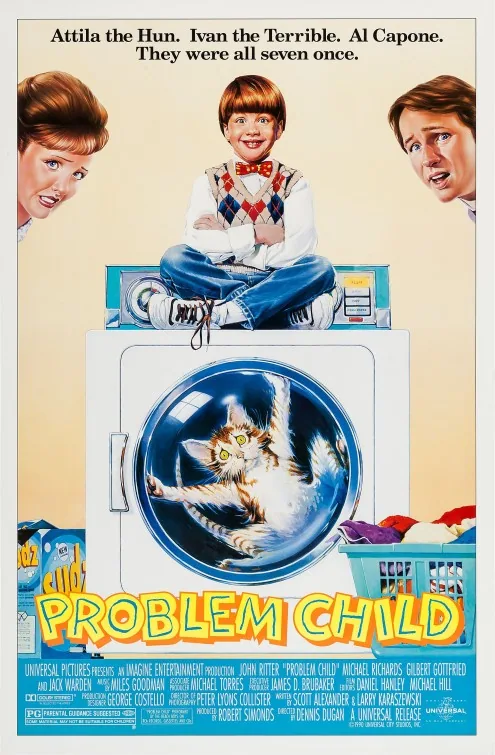
What changes The Meyerowitz Stories: chaptered family episodes, conversation-led conflict and open-ended resolution. Problem Child: a sequence of increasingly outrageous domestic and community mishaps.
Ben Healy wants to become a father, while his status-conscious wife Flo is more interested in the image of family life than its demands. They adopt Junior, a seven-year-old whose disruptive behavior rapidly unsettles their home and their relationships with neighbors. Ben tries to understand the child beneath the chaos, even as his own father dismisses him as weak and Junior forms a correspondence with notorious killer Martin Beck, who mistakes the boy’s signature for an adult accomplice. The comedy escalates through destructive pranks and family embarrassment, but its central question is whether Ben and Junior can build a real bond.
Based on recorded story, mood and style. Your preferences can change the order.
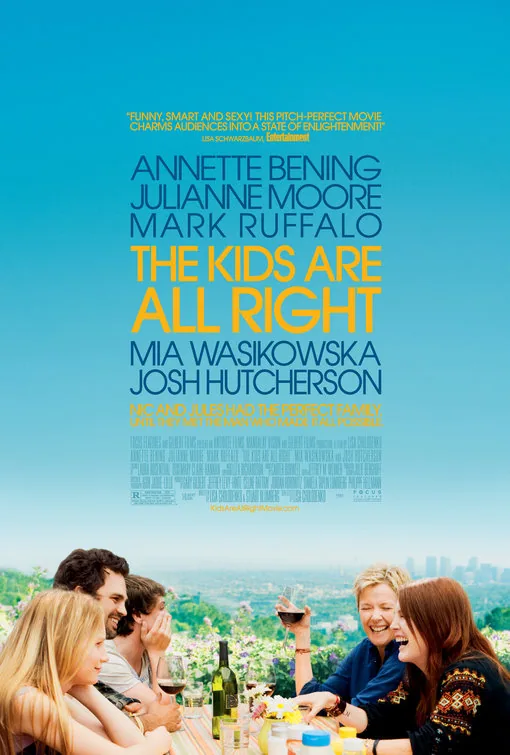
What changes The Meyerowitz Stories: chaptered family episodes, conversation-led conflict and open-ended resolution. The Kids Are All Right: domestic escalation and relationship repair.
Teenager Laser persuades his older sister Joni to contact Paul, the sperm donor who helped their mothers have them. Paul becomes eager to join the family’s life, and his relaxed manner appeals to the siblings. Jules, who is starting a landscaping business, takes a job at his home; the two begin an affair that fractures her marriage to Nic. As the children’s new connection to Paul grows, Nic feels her place and authority being challenged. The family has to reckon with attraction, secrecy and the difference between biological origin and years of everyday care. Paul’s presence gives everyone a new possibility, but it does not provide a simple answer to what holds the family together.
Based on recorded story, mood and style. Your preferences can change the order.
Memory and identity
What changes The Meyerowitz Stories: chaptered family episodes, conversation-led conflict and open-ended resolution. Jay Kelly: daughter's refusal sparks a search for connection, mentor's death sends jay abroad and travel encounters expose unresolved relationships.
Famous actor Jay Kelly has finished a film and hopes to spend time with his daughter Daisy before she leaves for college, but she chooses a trip with friends. He learns that Peter Schneider, the director who launched his career, has died, prompting him and longtime manager Ron to travel through Europe for the funeral. Along the way Jay revisits choices about work, friendship, and family, while the people around him reckon with the life shaped by his fame and his constant need to perform.
Based on recorded story, mood and style. Your preferences can change the order.
Memory and identity
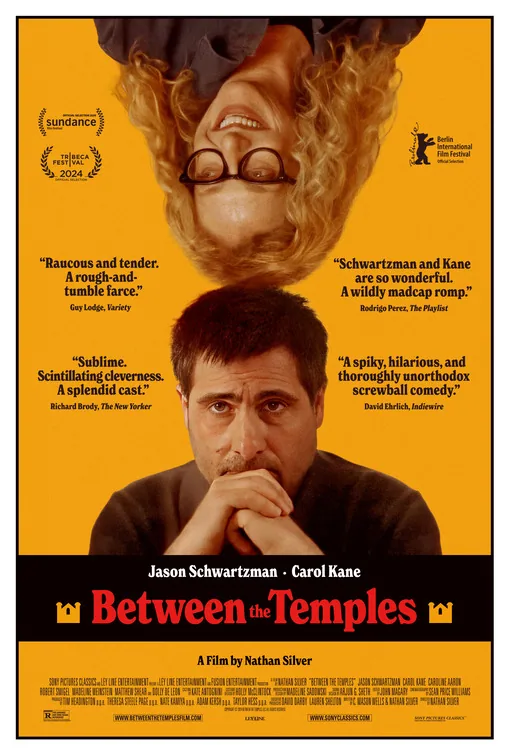
What changes The Meyerowitz Stories: chaptered family episodes, conversation-led conflict and open-ended resolution. Between the Temples: conversation-led, patient and character-driven.
Cantor Ben is grieving his wife and struggling to lead a bar mitzvah ceremony when Carla, his former music teacher, returns and asks him to help her prepare for an adult bat mitzvah. Their lessons bring humor and companionship, but also unsettle Ben's assumptions about religious life and intimacy. Nathan Silver's gentle comedy follows two adults confronting loneliness and possibility through shared study, awkward conversation and a renewed attention to the routines that once seemed fixed.
The adult children of aging sculptor Harold Meyerowitz reunite in New York as family events expose old resentments and competing memories. Danny, recently separated, returns to his father's home with his daughter; Jean revisits her own long-standing distance from the family; and Matthew arrives from Los Angeles with a more successful career. Their father remains the emotional center, demanding attention while resisting honest reflection. Noah Baumbach's ensemble drama finds comedy in sibling friction and the complicated wish to be recognized by a parent.
What drives the story
A family reunion and their father's health pull the Meyerowitz siblings into repeated negotiations over attention and legacy.
The people at its centre
Danny and Matthew carry different forms of achievement and resentment, while Jean observes the family pattern with her own guardedness.
What it feels like
A dialogue-rich family comedy finds emotional turns in interruptions, old stories, and everyday grievances.
Worth knowing
Its stakes remain domestic and relational, centered on one family of artists rather than the art world at large.
family recognitionart and inheritancesibling resentment
Mood
wry · intimate · melancholy
Pacing
chaptered family episodes · conversation-led conflict · open-ended resolution
Visual style
New York interiors · naturalistic family framing · art and sculpture details
Storytelling
adult siblings reunite around aging father · artistic legacy structures family rivalry · small incidents expose long memory