Based on recorded story, mood and style. Your preferences can change the order.
What changes The Kids Are All Right: domestic escalation and relationship repair. Hannah and Her Sisters: episodic.
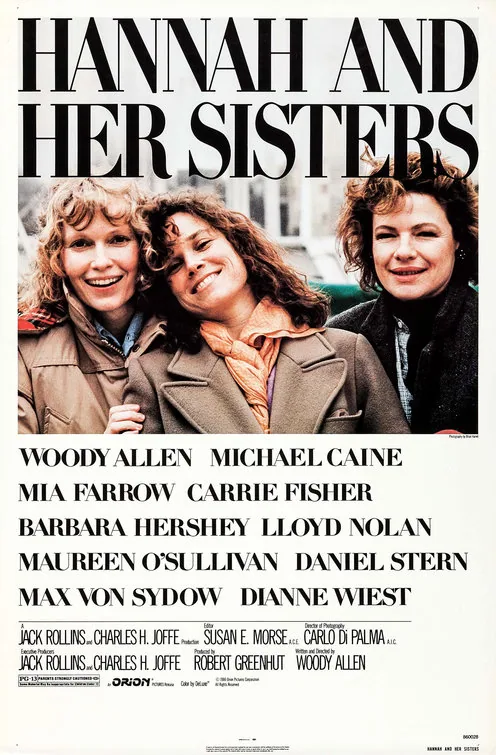
Family gatherings frame two years in which three sisters and their partners seek reassurance through work, affairs, borrowed money and explanations for mortality. The sister who appears most stable becomes the object around which other people's resentment and dependency circulate. Elsewhere, a former husband's health anxiety leads into a search for meaning that alternates panic with comic discovery. The ensemble comedy makes intimacy difficult to separate from self-justification, allowing genuine attachment to coexist with betrayals that the family never fully names.
Based on recorded story, mood and style. Your preferences can change the order.
What changes The Kids Are All Right: domestic escalation and relationship repair. Stepmom: relationship-centered, gradual emotional shift and melodramatic.
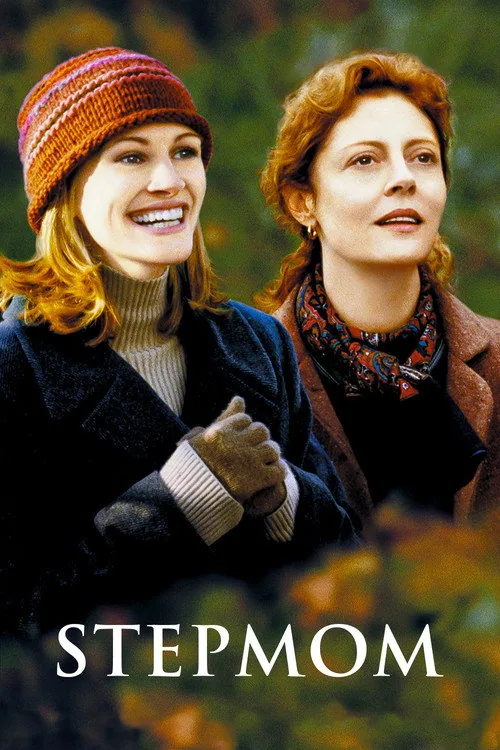
After his divorce from Jackie, Luke begins a life with Isabel, a younger photographer who is trying to build a relationship with his children. Jackie resists the changes in her family and doubts Isabel’s ability to care for them. The tension shifts when Jackie receives a terminal cancer diagnosis, forcing both women to reconsider their rivalry and the children’s future. Chris Columbus’s drama follows family adjustment and the difficult transition toward a stepmother role under the pressure of illness.
Both share themes of family, plus an awkward atmosphere.
Why this matches +
Genres: Comedy
Shared film traits
Based on recorded story, mood and style. Your preferences can change the order.
What changes The Kids Are All Right: domestic escalation and relationship repair. About My Father: a weekend farce gathers momentum through cultural misunderstandings.
Sebastian invites his blunt Italian American father Salvo to spend a holiday weekend with his girlfriend Ellie’s wealthy family. The two households bring different habits, expectations, and ideas of respect into the same Virginia estate. The comedy builds from generational and class friction, then asks whether affection can make room for embarrassment and conflict without requiring either family to pretend they are alike.
Based on recorded story, mood and style. Your preferences can change the order.
What changes The Kids Are All Right: domestic escalation and relationship repair. Lars and the Real Girl: patient and gradual character change.
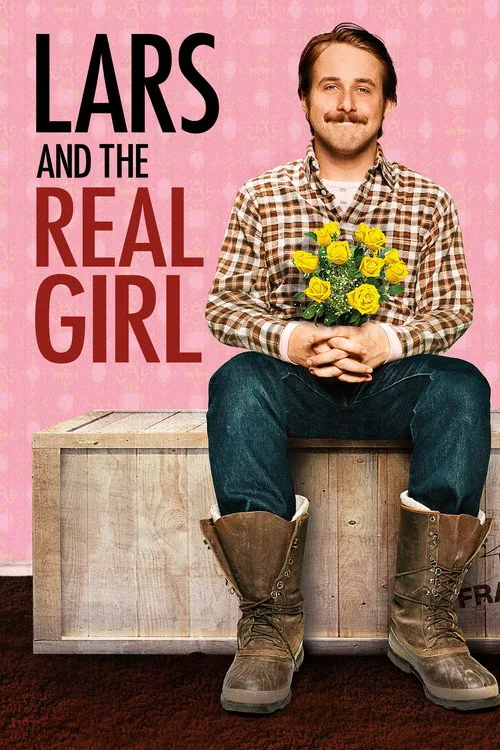
Lars Lindstrom lives in a small Wisconsin town and finds ordinary closeness difficult after a childhood marked by loss and emotional distance. When he introduces a life-size doll named Bianca as his girlfriend, his brother and sister-in-law seek help from the community rather than humiliating him. The gentle comedy follows the town’s effort to support Lars while he works through his attachment and gradually becomes more open to other people.
Both share themes of trust and family, plus an awkward atmosphere.
Why this matches +
Genres: Comedy / Romance
Shared film traits
Based on recorded story, mood and style. Your preferences can change the order.
What changes The Kids Are All Right: domestic escalation and relationship repair. Guess Who: escalating and dialogue-led.
A young man plans to meet the parents of his fiancée, but the family’s expectations and his own assumptions make their first encounter uncomfortable. The father’s efforts to test the relationship turn the visit into a series of comic confrontations, while the couple tries to maintain their own judgment amid family scrutiny. The remake uses mismatched expectations to examine trust, prejudice and the challenge of welcoming a partner into an established household.
Based on recorded story, mood and style. Your preferences can change the order.
What changes The Kids Are All Right: domestic escalation and relationship repair. Force Majeure: chamber-drama conversations, slow social escalation and tonal shifts between comedy and tension.
A Swedish family on a ski holiday in the French Alps is eating outside when an avalanche appears to threaten the restaurant. Tomas runs for safety, leaving his wife Ebba and their children behind, though the snow stops before anyone is harmed. The family’s argument about what happened grows into a crisis of trust and masculine self-image, continuing through conversations with friends and other guests. Ruben Östlund’s Swedish-language black comedy observes a marriage under pressure with precise, awkward scenes and a cool resort setting.
Based on recorded story, mood and style. Your preferences can change the order.
What changes The Kids Are All Right: domestic escalation and relationship repair. La Dolce Vita: measured.
A journalist moves through Rome's celebrity circles, private parties and spiritual spectacles, hoping that proximity to extraordinary people will supply the meaningful life his own work keeps postponing. Encounters with lovers, an older intellectual and his visiting father offer different visions of intimacy and success. Their fragmentation exposes a growing inability to turn experience into commitment as entertainment, exhaustion and loneliness become difficult to distinguish.
Both share themes of family, plus an awkward atmosphere.
Why this matches +
Genres: Drama / Comedy
Shared film traits
Based on recorded story, mood and style. Your preferences can change the order.
What changes The Kids Are All Right: domestic escalation and relationship repair. Transamerica: episodic and character-led.
Bree, a transgender woman preparing for gender-affirming surgery, learns that a young man in trouble may be her son from before transition. She travels with him across the country while deciding how much of her past to disclose. Their road journey raises questions of family, recognition and self-determination, balancing awkward comedy with a serious portrait of two people negotiating unfamiliar forms of kinship.
Based on recorded story, mood and style. Your preferences can change the order.
What changes The Kids Are All Right: domestic escalation and relationship repair. Downhill: a holiday setting allows one crisis to echo through several encounters.
A couple vacationing in the Alps with their children survives a controlled avalanche, but the father’s instinctive flight during the scare becomes a source of deep marital conflict. Away from home and under social pressure, the family must address what the incident revealed about trust and their relationship. This American adaptation of Force Majeure uses dark comedy and awkward encounters to examine cowardice, shame and domestic roles.
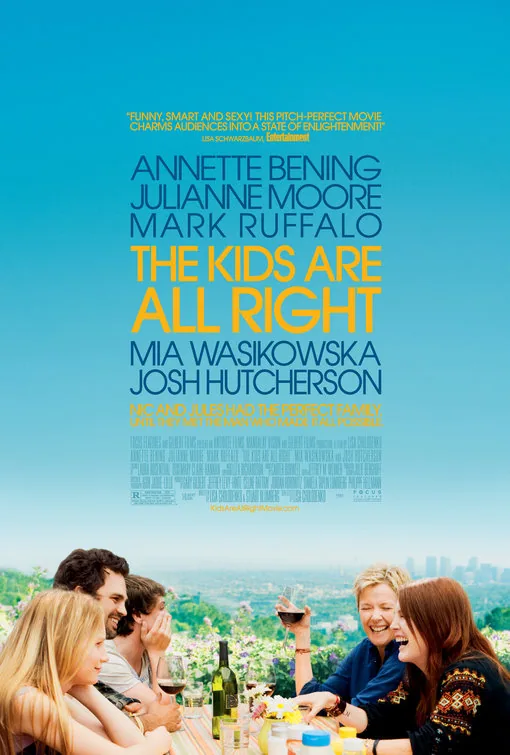
Teenager Laser persuades his older sister Joni to contact Paul, the sperm donor who helped their mothers have them. Paul becomes eager to join the family’s life, and his relaxed manner appeals to the siblings. Jules, who is starting a landscaping business, takes a job at his home; the two begin an affair that fractures her marriage to Nic. As the children’s new connection to Paul grows, Nic feels her place and authority being challenged. The family has to reckon with attraction, secrecy and the difference between biological origin and years of everyday care. Paul’s presence gives everyone a new possibility, but it does not provide a simple answer to what holds the family together.
What drives the story
Finding Paul opens a door the children did not anticipate; Jules’s affair transforms a curiosity about biological origins into a direct threat to the couple’s trust.
The people at its centre
Nic and Jules share a family but have different ways of asking for attention and respect. Joni and Laser’s excitement at meeting Paul puts them between their mothers’ hurt and their own curiosity.
What it feels like
A domestic comedy-drama uses conversational scenes and awkward dinners to track how one secret changes several relationships at once.
Worth knowing
A fit for adult relationship dramas about queer family life and changing parent-child bonds. Paul is a sperm donor whose role is complicated by the affair; the film is not a simple donor-search story.
FamilyDesireTrust
Mood
Intimate · Funny · Awkward
Pacing
Domestic escalation · Relationship repair
Visual style
Naturalistic ensemble staging · Southern California homes