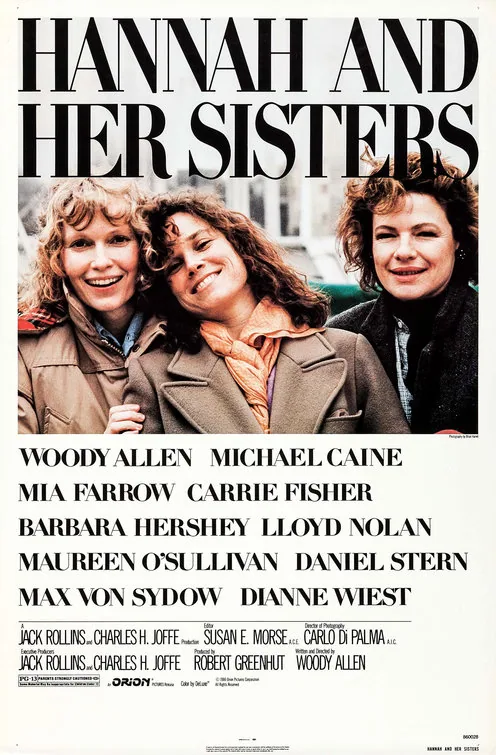
Interwoven affairs, creative insecurity and existential anxiety rearrange a family across recurring gatherings through intimate conversation and wry urban observation.
What should feel similar?
Find your next favourite
9 of 18 films · Closest overall matches
Hide films you’ve seen or don’t want. Saved on this device.
No matches for this combination yet.
Try another option or reset your choices to see more films.
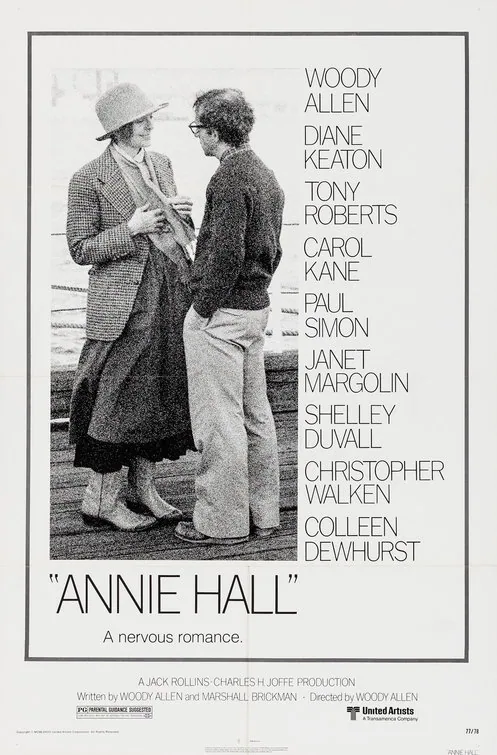
Retrospective narration revisits a romance through a self-questioning performance that can explain a relationship more easily than recover it.
Why this matches +
These films share important themes, atmosphere or storytelling interests with this selection.
Genres: Drama / Romance
Shared film traits
Based on recorded story, mood and style. Your preferences can change the order.
What changes Its own story: Retrospective narration revisits a romance through a self-questioning performance that can explain a relationship more easily than recover it.
A New York comedian looks back over a failed relationship with a woman whose interests and confidence changed during their time together. Shared routines, sexual anxiety and professional opportunity become material for an account that repeatedly interrupts itself to argue with memory and the audience. His attempt to explain the breakup exposes both affection and the limits of a personality more practised at analysing dissatisfaction than making room for another person's independence.
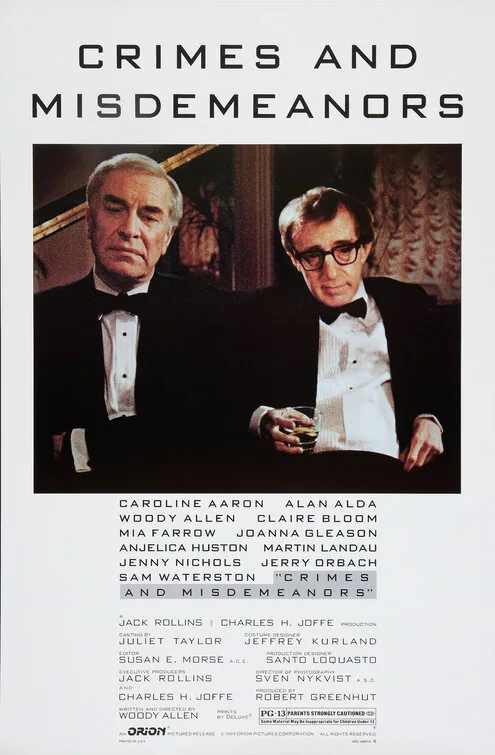
A grave crime and smaller artistic compromises unfold in parallel, testing whether moral consequence depends on faith, guilt, law or the stories people tell themselves. The film asks whether conscience matters if public consequence never arrives.
Why this matches +
These films share important themes, atmosphere or storytelling interests with this selection.
Genres: Drama / Comedy
Shared film traits
Based on recorded story, mood and style. Your preferences can change the order.
What changes Its own story: A grave crime and smaller artistic compromises unfold in parallel, testing whether moral consequence depends on faith, guilt, law or the stories people tell themselves. The film asks whether conscience matters if public consequence never arrives.
Successful ophthalmologist Judah Rosenthal fears his mistress Dolores will expose their affair and financial misconduct; a parallel story follows filmmaker Cliff Stern as he resents the flattering documentary he has been hired to make about his brother-in-law. Judah's decision to arrange Dolores's murder confronts religious memory with the possibility of worldly impunity, while Cliff's artistic and romantic judgments carry their own compromises. Their eventual conversation offers no reliable moral balance in which the better man is automatically rewarded or the guilty man inevitably punished. Judah's childhood memory of his father's faith keeps arguing with his present-day calculation.
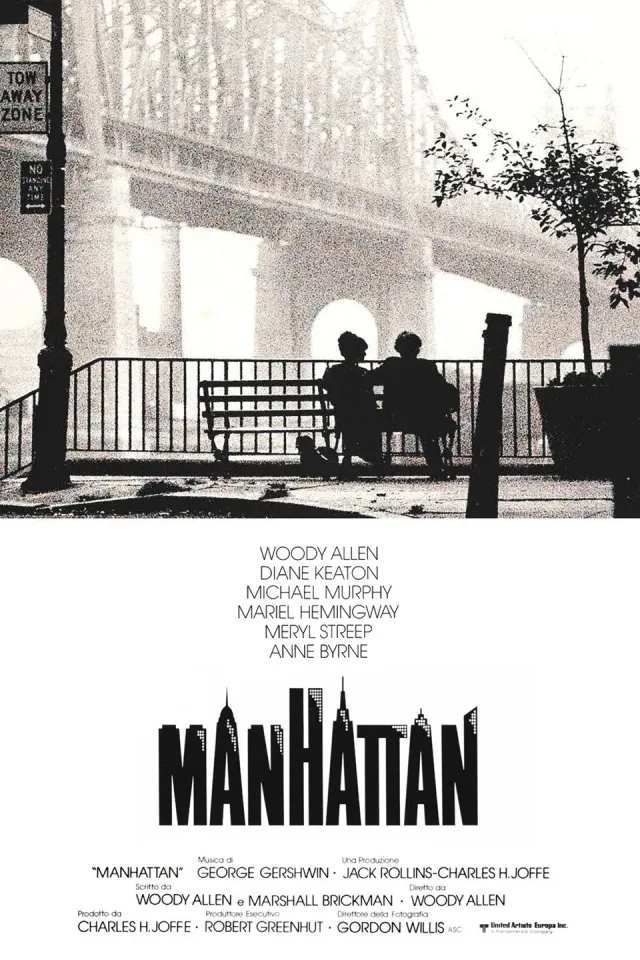
Isaac’s attraction to Mary repeats the kind of betrayal he condemns in Yale, while the relationship with Tracy exposes his ability to treat a teenager’s feelings as temporary and available to his own story.
Why this matches +
These films share important themes, atmosphere or storytelling interests with this selection.
Genres: Comedy / Drama
Shared film traits
Based on recorded story, mood and style. Your preferences can change the order.
What changes Its own story: Isaac’s attraction to Mary repeats the kind of betrayal he condemns in Yale, while the relationship with Tracy exposes his ability to treat a teenager’s feelings as temporary and available to his own story.
Forty-two-year-old television writer Isaac Davis dates seventeen-year-old Tracy while criticizing his friend Yale for having an affair with Mary. Isaac then becomes involved with Mary himself, repeating the self-serving behavior he had judged in Yale. His ex-wife’s memoir makes his private conduct a public story, and Tracy’s plan to study in London reveals how casually he assumes her feelings will wait for him. The comedy’s idealized New York surface—black-and-white cinematography, Gershwin and a lyrical opening voice—sits uneasily beside its age and power imbalance. Isaac’s self-description is not a neutral guide to what Tracy experiences. The film can be admired as a formal portrait of a city and a cohort while still asking viewers to notice whom its romantic framing protects.
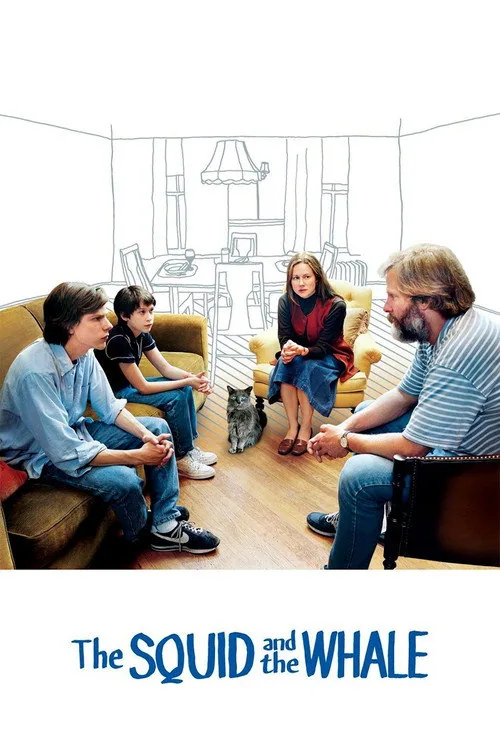
Two sons adjust to separation while navigating different loyalties and their own developing identities.
Why this matches +
These films share important themes, atmosphere or storytelling interests with this selection.
Genres: Comedy / Drama
Shared film traits
Based on recorded story, mood and style. Your preferences can change the order.
What changes Its own story: Two sons adjust to separation while navigating different loyalties and their own developing identities.
When Brooklyn writers Bernard and Joan Berkman separate, their sons Walt and Frank move between two homes and competing versions of the family’s past. Sixteen-year-old Walt identifies with his father’s literary certainty, while twelve-year-old Frank reacts more impulsively. As both parents pursue relationships and writing careers, the boys absorb habits that complicate their loyalties. Noah Baumbach’s semi-autobiographical comedy-drama observes divorce through the children’s uneven understanding of the adults around them.
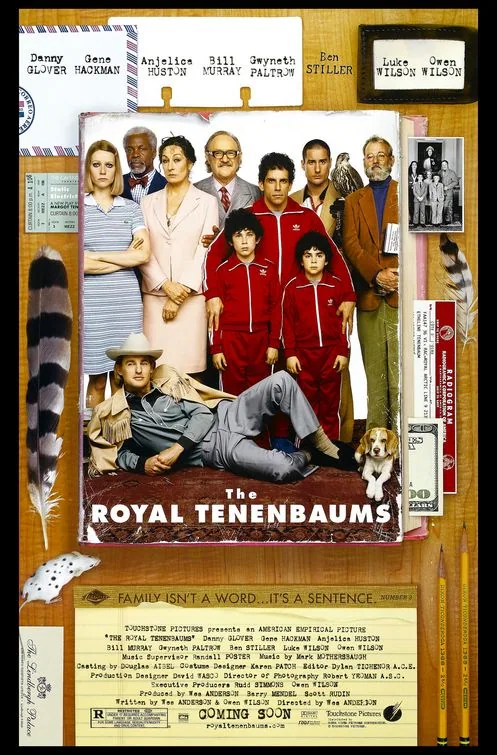
A disruptive paternal return brings separate, stalled adult lives back into contact and tests the terms on which reconciliation might occur.
Why this matches +
These films share important themes, atmosphere or storytelling interests with this selection.
Genres: Comedy / Drama
Shared film traits
Based on recorded story, mood and style. Your preferences can change the order.
What changes Its own story: A disruptive paternal return brings separate, stalled adult lives back into contact and tests the terms on which reconciliation might occur.
An estranged father returns to the household of his once-celebrated children with a claim that requires their attention and care. Their adult lives already carry disappointment, grief and attachments left unresolved beneath the public memory of early brilliance. His attempt to regain a place in the family forces everyone to negotiate whether acknowledging harm can coexist with accepting an imperfect possibility of connection.
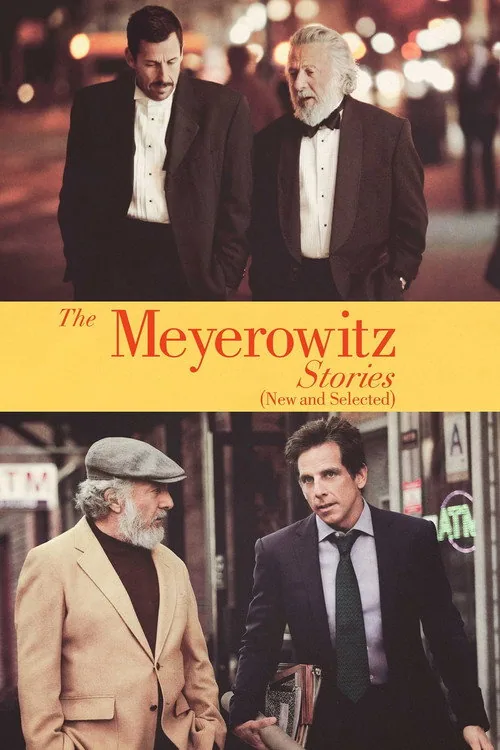
A family reunion and their father's health pull the Meyerowitz siblings into repeated negotiations over attention and legacy.
Why this matches +
These films share important themes, atmosphere or storytelling interests with this selection.
Genres: Comedy / Drama
Shared film traits
Based on recorded story, mood and style. Your preferences can change the order.
What changes Its own story: A family reunion and their father's health pull the Meyerowitz siblings into repeated negotiations over attention and legacy.
The adult children of aging sculptor Harold Meyerowitz reunite in New York as family events expose old resentments and competing memories. Danny, recently separated, returns to his father's home with his daughter; Jean revisits her own long-standing distance from the family; and Matthew arrives from Los Angeles with a more successful career. Their father remains the emotional center, demanding attention while resisting honest reflection. Noah Baumbach's ensemble drama finds comedy in sibling friction and the complicated wish to be recognized by a parent.
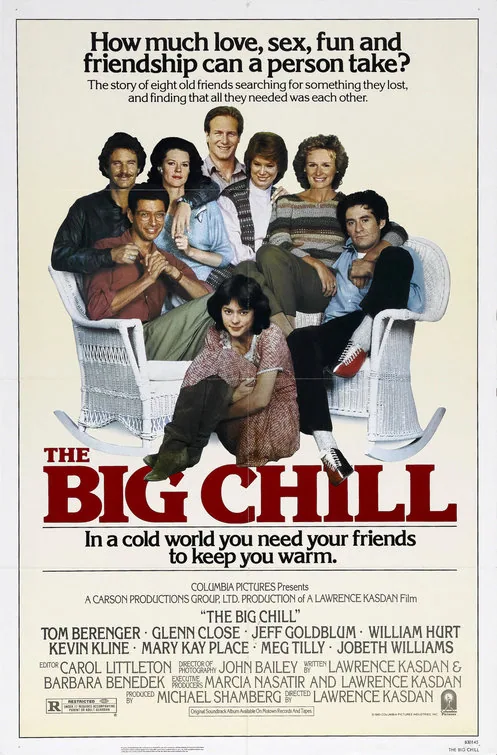
Old friends gather after a death and use a shared weekend to reconsider their adult lives.
Why this matches +
These films share important themes, atmosphere or storytelling interests with this selection.
Genres: Comedy / Drama
Shared film traits
Based on recorded story, mood and style. Your preferences can change the order.
What changes Its own story: Old friends gather after a death and use a shared weekend to reconsider their adult lives.
A group of college friends reunite at a South Carolina house after the death of one member of their circle. Over a long weekend, old relationships and political ideals resurface alongside the compromises each has made in adult life. Their shared memories create warmth and tension, as grief makes the group reconsider who they were, who they have become, and what they still owe one another.
A holiday visit brings several relationships to a breaking point, and the film lets revelation change family bonds without neatly resolving every conflict.
Why this matches +
These films explore a related idea in a different setting, genre or style.
An adjacent discovery: a related idea with a different viewing experience.
Genres: Comedy / Drama
Shared film traits
Based on recorded story, mood and style. Your preferences can change the order.
What changes Its own story: A holiday visit brings several relationships to a breaking point, and the film lets revelation change family bonds without neatly resolving every conflict.
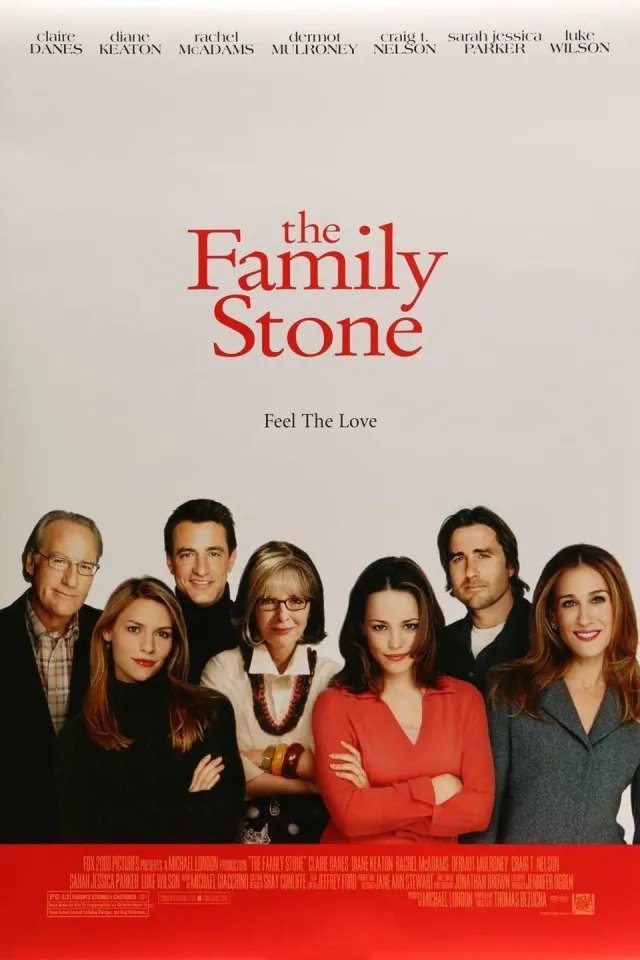
A tightly knit family meets the reserved woman their eldest son plans to marry during a tense holiday visit. The arrival of her sister and the family’s bluntness expose differences that challenge everyone’s idea of acceptance. The dramedy treats family belonging as a messy negotiation shaped by affection, grief and mismatched expectations. A crowded home, overlapping dialogue and an ensemble cast create both comic discomfort and emotional warmth.
A boy recalls his family and the radio voices that filled their home.
Why this matches +
These films explore a related idea in a different setting, genre or style.
An adjacent discovery: a related idea with a different viewing experience.
Genres: Comedy
Shared film traits
Based on recorded story, mood and style. Your preferences can change the order.
What changes Childhood nostalgia and affectionate family anecdotes replace interlocking adult affairs and existential anxiety, while urban cultural life and ensemble observation connect the films.
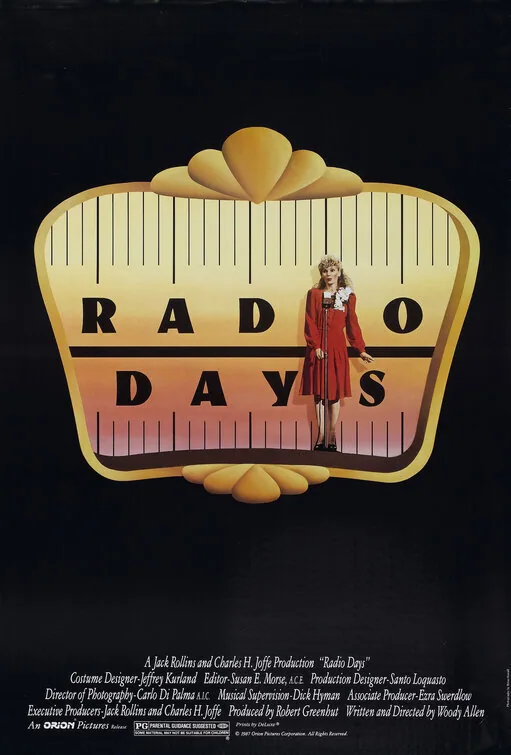
A boy growing up in a working-class New York family remembers the people, songs and programs that shaped daily life when radio was the dominant entertainment. The film strings together comic and affectionate episodes around family members and radio personalities, moving between neighborhood routines and the imagined glamour of broadcast fame. Woody Allen treats memory as an ensemble of small scenes rather than a single plot.
A friendship's changed practical arrangements expose a precarious creative career, turning repeated moves into a test of whether adaptation can occur without interpreting every change as abandonment.
Why this matches +
These films explore a related idea in a different setting, genre or style.
An adjacent discovery: a related idea with a different viewing experience.
Genres: Drama / Comedy
Shared film traits
Based on recorded story, mood and style. Your preferences can change the order.
What changes Its own story: A friendship's changed practical arrangements expose a precarious creative career, turning repeated moves into a test of whether adaptation can occur without interpreting every change as abandonment.
A dancer in New York assumes that the life she shares with her closest friend can continue while each moves toward a creative future. Changes in housing, money and the friend's relationship expose how much stability that imagined partnership has supplied. Drifting through temporary rooms and impractical gestures, Frances must distinguish preserving an attachment from requiring it to keep confirming an identity her working life no longer supports in the same way.
A holiday gathering gives the families time together as affairs and adolescent experiments expose the weaknesses beneath their routines.
Why this matches +
These films explore a related idea in a different setting, genre or style.
An adjacent discovery: a related idea with a different viewing experience.
Genres: Drama / Family
Shared film traits
Based on recorded story, mood and style. Your preferences can change the order.
What changes Colder suburban alienation, adolescent sexual experimentation and sudden tragedy replace the warmer conversational urban mosaic; family infidelity and intergenerational disconnection remain relevant.
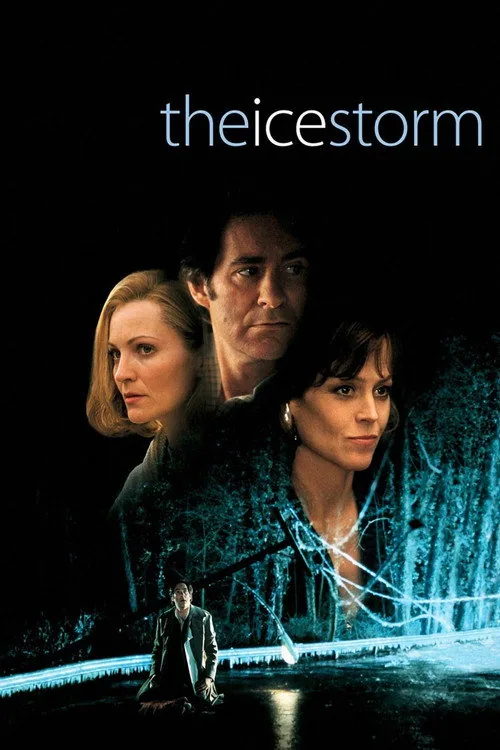
Over Thanksgiving weekend in 1973, two neighboring Connecticut families struggle with boredom, adultery, and the emotional distance between parents and children. Ben Hood's affair with Janey Carver unsettles both households, while the teenagers explore sex, substances, and their own uncertain ideas about adulthood. An approaching ice storm gives the weekend a fragile physical backdrop as family routines and private secrets begin to fail. Ang Lee's drama observes the Hoods and Carvers without easy judgment, capturing a period of social change through small, painful domestic moments.
A family emergency forces people who have built separate lives back into a household whose secrets make caregiving inseparable from conflict over control.
Why this matches +
These films explore a related idea in a different setting, genre or style.
An adjacent discovery: a related idea with a different viewing experience.
Genres: Drama / Comedy
Shared film traits
Based on recorded story, mood and style. Your preferences can change the order.
What changes Its own story: A family emergency forces people who have built separate lives back into a household whose secrets make caregiving inseparable from conflict over control.
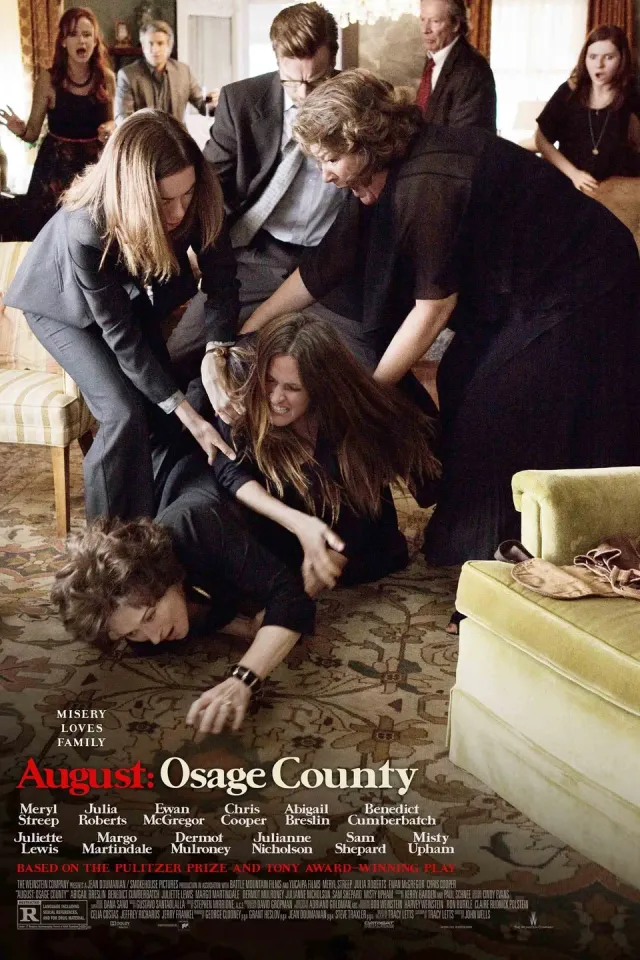
A family returns to an Oklahoma home after its patriarch disappears, bringing adult children into close contact with a mother whose illness and addiction sharpen longstanding cruelty. Practical arrangements become occasions for exposing secrets and testing who will provide care. As old alliances collapse, attempts to challenge the household's authority risk reproducing its methods, making departure and responsibility equally difficult to justify as simple solutions.
Larry's accumulating family, work and community problems lead him to seek explanations from rabbis, but each answer changes the scale of the question rather than revealing a cause. The structure makes his desire for a usable moral formula part of the comedy and keeps the prologue and ending unresolved.
Why this matches +
These films explore a related idea in a different setting, genre or style.
An adjacent discovery: a related idea with a different viewing experience.
Genres: Comedy / Drama
Shared film traits
Based on recorded story, mood and style. Your preferences can change the order.
What changes Its own story: Larry's accumulating family, work and community problems lead him to seek explanations from rabbis, but each answer changes the scale of the question rather than revealing a cause. The structure makes his desire for a usable moral formula part of the comedy and keeps the prologue and ending unresolved.
In 1960s Minnesota, physics professor Larry Gopnik's life comes apart through his wife's demand for a divorce, his brother's dependence, trouble at work and the growing distance of his children. He seeks advice from rabbis, hoping that an authority can show what these events mean or what he must do. Each encounter gives him a different kind of response without settling whether the crises are punishment, coincidence or simply life beyond his control. The Coens turn a search for moral explanation into a dry, increasingly anxious comedy about the limits of interpretation.
A series of career and relationship choices tests Julie’s belief that she can keep changing without paying a cost in intimacy or time.
Why this matches +
These films explore a related idea in a different setting, genre or style.
An adjacent discovery: a related idea with a different viewing experience.
Genres: Drama / Romance
Shared film traits
Based on recorded story, mood and style. Your preferences can change the order.
What changes Its own story: A series of career and relationship choices tests Julie’s belief that she can keep changing without paying a cost in intimacy or time.
Over four years in Oslo, Julie changes direction from medical studies to psychology and then photography, while trying to understand what kind of work and relationship she wants. She begins a life with the older comic-book artist Aksel, whose readiness for commitment does not settle her uncertainty. At a party, she meets Eivind, who is also involved with someone else, and their impulsive attraction opens a different possibility. The film moves through chapter-like episodes, fantasies and time shifts as Julie confronts how choices affect other people and how time limits the promise of reinvention. One chapter interrupts ordinary time as Julie moves toward a man already committed elsewhere, making choice itself visible.
A mutually chosen separation becomes adversarial when distance, career choices and lawyers make custody a proxy for unresolved marital grievances.
Why this matches +
These films explore a related idea in a different setting, genre or style.
An adjacent discovery: a related idea with a different viewing experience.
Genres: Drama / Romance
Shared film traits
Based on recorded story, mood and style. Your preferences can change the order.
What changes Its own story: A mutually chosen separation becomes adversarial when distance, career choices and lawyers make custody a proxy for unresolved marital grievances.
Theatre director Charlie and actor Nicole try to separate without turning their life with young son Henry into a legal contest. Nicole takes a television role in Los Angeles and returns to her family there, while Charlie's work and home remain in New York. Their attempt to use a mediator breaks down; lawyers turn private disappointments into strategic claims over custody and money. A bitter argument makes years of resentment audible, but practical care and shared history remain after the marriage ends. They reach an arrangement that lets Nicole and Henry stay in California while Charlie keeps an active role.
A staged family celebration turns knowledge of approaching loss into a practical dispute over who should carry emotional responsibility.
Why this matches +
These films explore a related idea in a different setting, genre or style.
An adjacent discovery: a related idea with a different viewing experience.
Genres: Drama / Comedy
Shared film traits
Based on recorded story, mood and style. Your preferences can change the order.
What changes Its own story: A staged family celebration turns knowledge of approaching loss into a practical dispute over who should carry emotional responsibility.
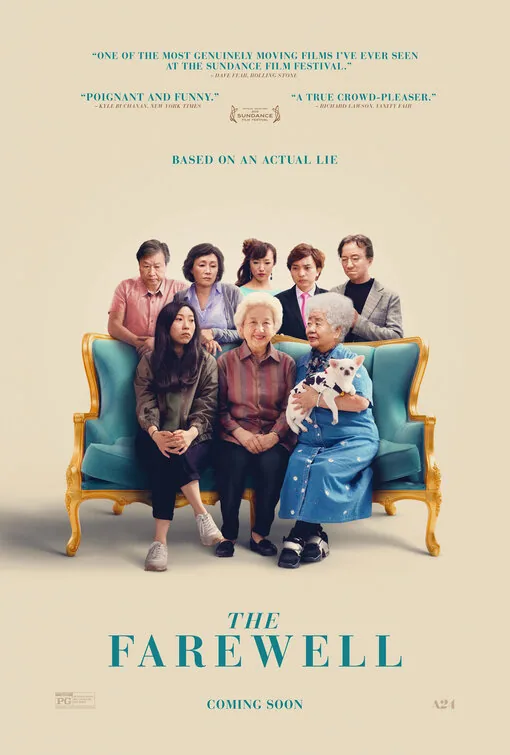
A Chinese American woman learns that her grandmother in China has received a terminal diagnosis that the family intends to conceal from her. A hastily arranged wedding creates a reason for relatives living abroad to gather without revealing why they have come. Returning against her parents' advice, the granddaughter struggles with a form of care that depends on collective concealment, while recognising that migration has already complicated what belonging and responsibility mean.
Dorothea asks Abbie and Julie to help her connect with Jamie, and their imperfect guidance reshapes the household's understanding of growing up.
Why this matches +
These films explore a related idea in a different setting, genre or style.
An adjacent discovery: a related idea with a different viewing experience.
Genres: Comedy / Drama
Shared film traits
Based on recorded story, mood and style. Your preferences can change the order.
What changes Its own story: Dorothea asks Abbie and Julie to help her connect with Jamie, and their imperfect guidance reshapes the household's understanding of growing up.
In 1979 Santa Barbara, single mother Dorothea worries that she cannot reach her teenage son Jamie, so she asks two younger women living in their house to help guide him. Photographer Abbie and Jamie's close friend Julie bring different ideas about adulthood, sexuality, and the changing world, while Dorothea's own perspective is shaped by the era in which she grew up. Their shared household becomes a loose education for all of them, built from arguments, music, and attempts to understand one another across generations.
Hortense's search for her birth mother reunites her with Cynthia and forces both families to reconsider their histories.
Why this matches +
These films explore a related idea in a different setting, genre or style.
An adjacent discovery: a related idea with a different viewing experience.
Genres: Drama
Shared film traits
Based on recorded story, mood and style. Your preferences can change the order.
What changes Its own story: Hortense's search for her birth mother reunites her with Cynthia and forces both families to reconsider their histories.
After the death of her adoptive mother, London optometrist Hortense Cumberbatch searches for her birth family and meets Cynthia Purley, a working-class woman who gave her up as a baby. Cynthia must absorb the unexpected reunion while managing a strained relationship with her daughter Roxanne and the needs of her brother Maurice. As family members prepare for a celebration, long-held stories surface in intimate conversations that test their assumptions about race, class, motherhood, and belonging.
Family gatherings frame two years in which three sisters and their partners seek reassurance through work, affairs, borrowed money and explanations for mortality. The sister who appears most stable becomes the object around which other people's resentment and dependency circulate. Elsewhere, a former husband's health anxiety leads into a search for meaning that alternates panic with comic discovery. The ensemble comedy makes intimacy difficult to separate from self-justification, allowing genuine attachment to coexist with betrayals that the family never fully names.
What drives the story
Interwoven affairs, career uncertainty and existential panic repeatedly rearrange a family's alliances between recurring holiday gatherings.
The people at its centre
Hannah's apparent self-sufficiency unsettles those who need her, while Lee and Holly seek identities that cannot simply be granted through a lover's approval or a sister's support.
What it feels like
Literary chaptering, intimate conversation and urban cultural life blend wry humor with anxiety, using parallel strands rather than one culminating external mission.
Worth knowing
Match family interdependence and rationalized desire, not an uncomplicated warm sisterhood; the final settlements do not erase the knowledge and betrayals unevenly distributed among the characters.