Both share themes of family, plus an awkward and reflective atmosphere.
Why this matches +
Genres: Comedy / Drama
Shared film traits
Based on recorded story, mood and style. Your preferences can change the order.
What changes The Squid and the Whale: compact, observational and dialogue-led. Nothing in Common: character-led and measured.
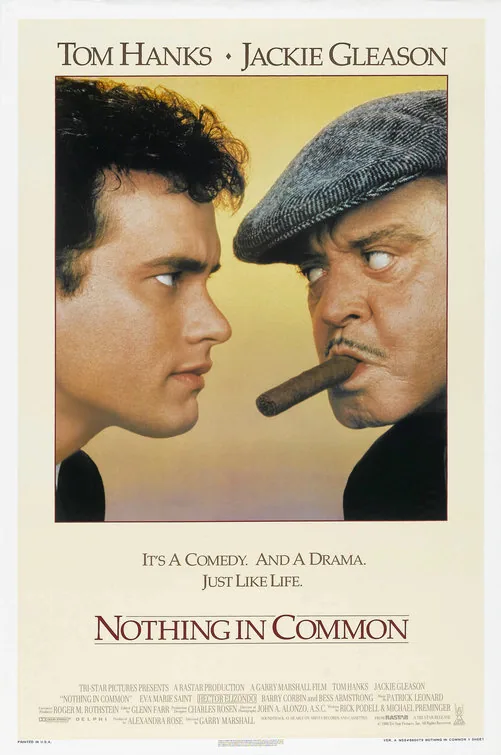
David Basner is an ambitious Chicago advertising executive whose polished professional life contrasts with his parents' unhappy marriage. When his father Max becomes ill, David is drawn back into family responsibilities he has long avoided. Their changing relationship gives the comedy-drama a quieter center, asking whether adult children can see their parents as complicated people rather than as fixtures in childhood memory.
Based on recorded story, mood and style. Your preferences can change the order.
Coming of age
What changes The Squid and the Whale: compact, observational and dialogue-led. Secondhand Lions: gentle episodic storytelling, stories within the story and character-led emotional build.
Fourteen-year-old Walter is sent to spend the summer with his reclusive great-uncles Hub and Garth on a Texas farm. The old men are rumored to have a hidden fortune and answer intrusive salesmen with shotguns, but Walter gradually draws out their stories of an adventurous past. Their tales may be embellished, yet the boy finds in them a model of courage, generosity, and independence. The family comedy-drama grows through the bond between a lonely child and two eccentric adults who have never been asked to explain themselves.
Both share themes of family, plus an awkward atmosphere.
Why this matches +
Genres: Drama / Comedy
Shared film traits
Based on recorded story, mood and style. Your preferences can change the order.
What changes The Squid and the Whale: compact, observational and dialogue-led. The Kids Are All Right: domestic escalation and relationship repair.
Teenager Laser persuades his older sister Joni to contact Paul, the sperm donor who helped their mothers have them. Paul becomes eager to join the family’s life, and his relaxed manner appeals to the siblings. Jules, who is starting a landscaping business, takes a job at his home; the two begin an affair that fractures her marriage to Nic. As the children’s new connection to Paul grows, Nic feels her place and authority being challenged. The family has to reckon with attraction, secrecy and the difference between biological origin and years of everyday care. Paul’s presence gives everyone a new possibility, but it does not provide a simple answer to what holds the family together.
Both share themes of family, plus a reflective atmosphere.
Why this matches +
Genres: Drama / Romance
Shared film traits
Based on recorded story, mood and style. Your preferences can change the order.
What changes The Squid and the Whale: compact, observational and dialogue-led. New York Stories: three distinct short narratives place intimate conflicts in one city.
Three New York-set short films explore adults negotiating ambition, family and desire. In Life Lessons, a painter uses a turbulent relationship as fuel for his work; Life Without Zoë centers on a wealthy child navigating her parents' separation; and Oedipus Wrecks follows a man whose overbearing mother becomes the focus of an extraordinary public episode. The anthology varies in tone while remaining rooted in urban relationships.
Both share themes of family, plus a reflective atmosphere.
Why this matches +
Genres: Drama / Romance
Shared film traits
Based on recorded story, mood and style. Your preferences can change the order.
Coming of age
What changes The Squid and the Whale: compact, observational and dialogue-led. Stuck in Love: multi-strand, seasonal and character-led.
Novelist Bill Borgens remains fixated on his former wife Erica while their adult daughter Sam publishes a novel and teenage son Rusty tries to write. Sam avoids commitment after her parents’ separation; Rusty develops feelings for a classmate and writes poetry about her. Relationships unfold over a year of family dinners, creative ambitions, romance, and setbacks. Josh Boone’s ensemble drama follows how family loyalty and old resentments shape each member’s approach to love and art.
Both share themes of identity, plus an awkward atmosphere.
Why this matches +
Genres: Comedy / Drama
Shared film traits
Based on recorded story, mood and style. Your preferences can change the order.
Coming of age
Expect wry and awkward, with loose and observational pacing.
After high school, Enid and Rebecca confront an uncertain adulthood in a town where their ironic distance from ordinary life is both shield and habit. When Enid befriends Seymour, an older record collector who shares her outsider instincts, the friendship complicates the girls’ plans and exposes their different needs. The comedy observes drift, taste and loneliness without turning growing up into a neat lesson.
Both share themes of family, plus a reflective atmosphere.
Why this matches +
Genres: Comedy / Romance
Shared film traits
Based on recorded story, mood and style. Your preferences can change the order.
Coming of age
What changes The Squid and the Whale: compact, observational and dialogue-led. Home Again: gentle episodes build toward new boundaries.
A recently separated mother in Los Angeles lets three young filmmakers stay in her guesthouse, creating an unconventional household that shifts her ideas about work, love and independence. Their companionship helps her start over, but her daughters and the men must also adjust to new boundaries. The romantic comedy treats middle age as a period of transition rather than a problem that needs a quick solution.
Both share themes of identity and family, plus an awkward and reflective atmosphere.
Why this matches +
Genres: Comedy / Drama
Shared film traits
Based on recorded story, mood and style. Your preferences can change the order.
Coming of age
What changes The Squid and the Whale: compact, observational and dialogue-led. Spanglish: measured, character-led and interwoven.
Flor Moreno moves from Mexico to Los Angeles with her daughter Cristina and works as a housekeeper for the Clasky family. Language differences and the family’s wealth shape her place in their household, while her daughter becomes close to Deborah, an insecure mother struggling with her marriage and self-image. As the families spend a summer together in Malibu, Flor weighs professional opportunity against her wish to protect Cristina’s independence and cultural identity. James L. Brooks’s comedy-drama follows those decisions through Cristina’s retrospective narration.
Based on recorded story, mood and style. Your preferences can change the order.
Coming of age
What changes The Squid and the Whale: compact, observational and dialogue-led. The Flamingo Kid: gentle and character-led.
Jeffrey Willis takes a summer job at a beach club in 1963 and is drawn to the confident world of the club's regulars. His attraction to a married woman and his growing distance from his father's working-class expectations complicate his first taste of adult freedom. The coming-of-age drama explores how status and desire can make a young man mistake performance for maturity.
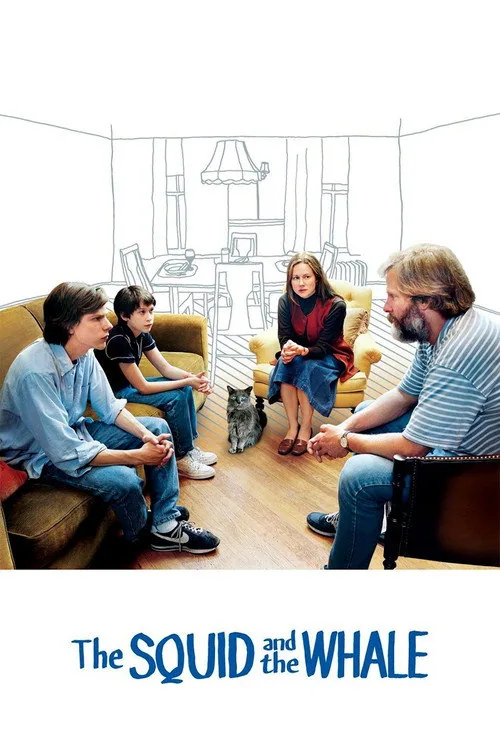
When Brooklyn writers Bernard and Joan Berkman separate, their sons Walt and Frank move between two homes and competing versions of the family’s past. Sixteen-year-old Walt identifies with his father’s literary certainty, while twelve-year-old Frank reacts more impulsively. As both parents pursue relationships and writing careers, the boys absorb habits that complicate their loyalties. Noah Baumbach’s semi-autobiographical comedy-drama observes divorce through the children’s uneven understanding of the adults around them.
What drives the story
Two sons adjust to separation while navigating different loyalties and their own developing identities.
The people at its centre
Walt idealizes his father while Frank reacts differently to each parent; sibling rivalry shifts with the family arrangements.
What it feels like
Contains profanity, sexual references, infidelity, and family conflict during the children’s adjustment to divorce.
Worth knowing
The film views separation through children imitating adults, rather than treating divorce as a courtroom or reconciliation story.
FamilyDivorceIdentity
Mood
Awkward · Acidic · Reflective
Pacing
Compact · Observational · Dialogue-led
Visual style
Handheld 16mm texture · Intimate interiors · Period detail
Storytelling
Shared custody · Child perspective · Adult role models