Both centre on concealed identity and professional pursuit.
Why this matches +
Genres: Action / Crime
Shared film traits
Based on recorded story, mood and style. Your preferences can change the order.
Criminal underworld
Expect cool and stylized, with propulsive and set-piece driven pacing.
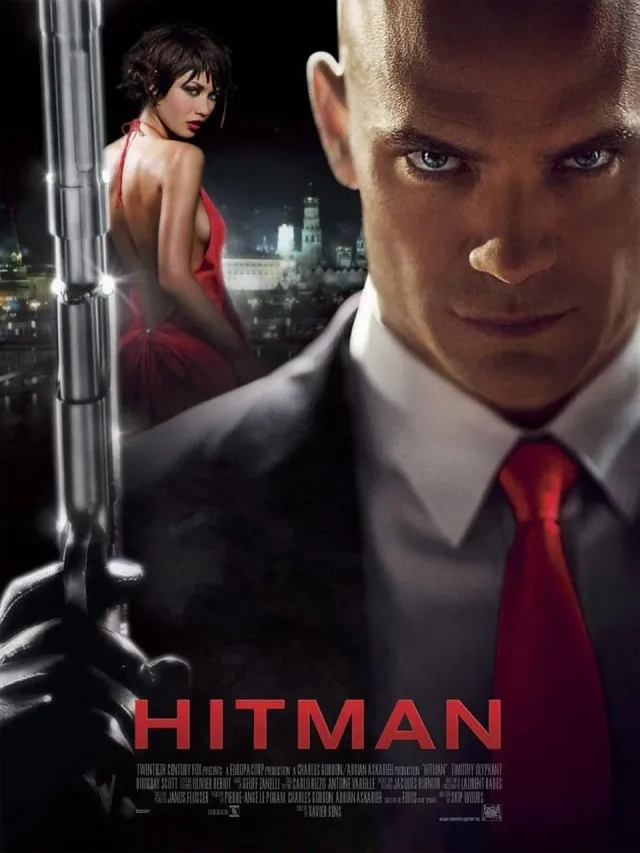
An elite assassin known as Agent 47 becomes entangled in a political conspiracy and the target of agencies pursuing him. His training has made him capable but emotionally detached, and an unexpected connection complicates his use of violence. This action thriller adapts a video-game world around disguise, pursuit and engineered identity, emphasizing staged confrontations over ordinary crime drama.
Based on recorded story, mood and style. Your preferences can change the order.
Investigation · Criminal underworld
What changes Point Break: fast, set-piece driven and escalating. Den of Thieves 2: Pantera: a cross-border chase develops in parallel with a carefully planned robbery.
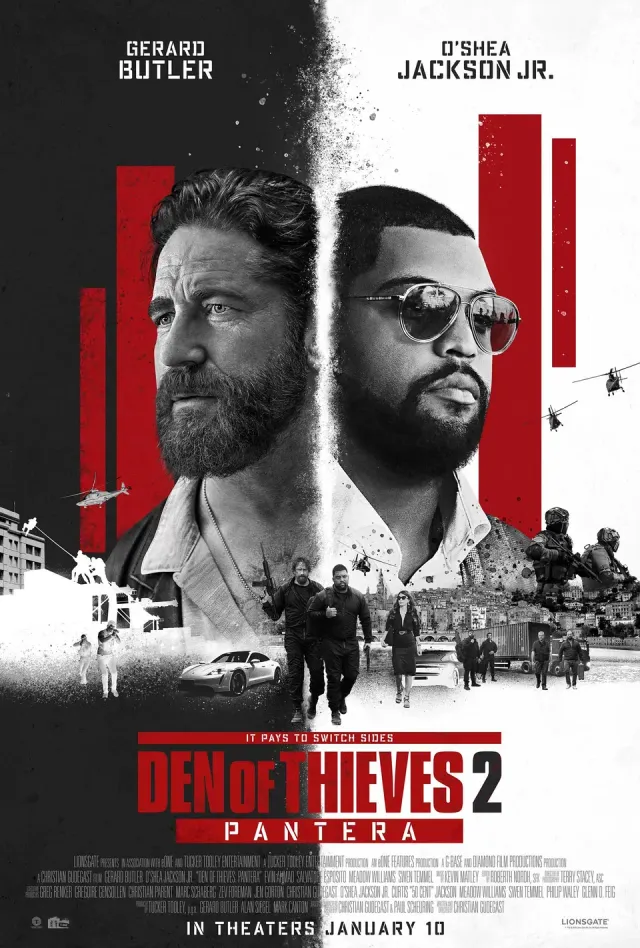
After the first film’s events, detective Nick O’Brien follows master thief Donnie Wilson to Europe, where Donnie has joined an international crew planning a diamond heist. Nick’s pursuit becomes entangled with the crew’s own loyalty and escape plans. The crime sequel expands its scope from Los Angeles to Antwerp and Nice, blending procedural pressure with the choreography and shifting alliances of a professional robbery.
Both centre on concealed identity and professional pursuit.
Why this matches +
Genres: Thriller / Action
Shared film traits
Based on recorded story, mood and style. Your preferences can change the order.
Investigation
Expect tense and suspenseful, with fast and escalating pacing.
Ethan Hunt tracks the Syndicate, a secret network of former intelligence operatives, as the IMF is dissolved and its agents absorbed into the CIA. Wanted and isolated, Ethan relies on Benji while undercover MI6 agent Ilsa Faust alternately helps and obstructs him. Their trail leads through an assassination attempt at the Vienna opera, an underwater data vault and a London trap built around Syndicate leader Solomon Lane. Brandt, Luther and Hunley must decide whether the organization Ethan describes is real before Lane uses its hidden network to destabilize governments.
Based on recorded story, mood and style. Your preferences can change the order.
Criminal underworld
What changes Point Break: fast, set-piece driven and escalating. How to Rob a Bank: fast-paced.
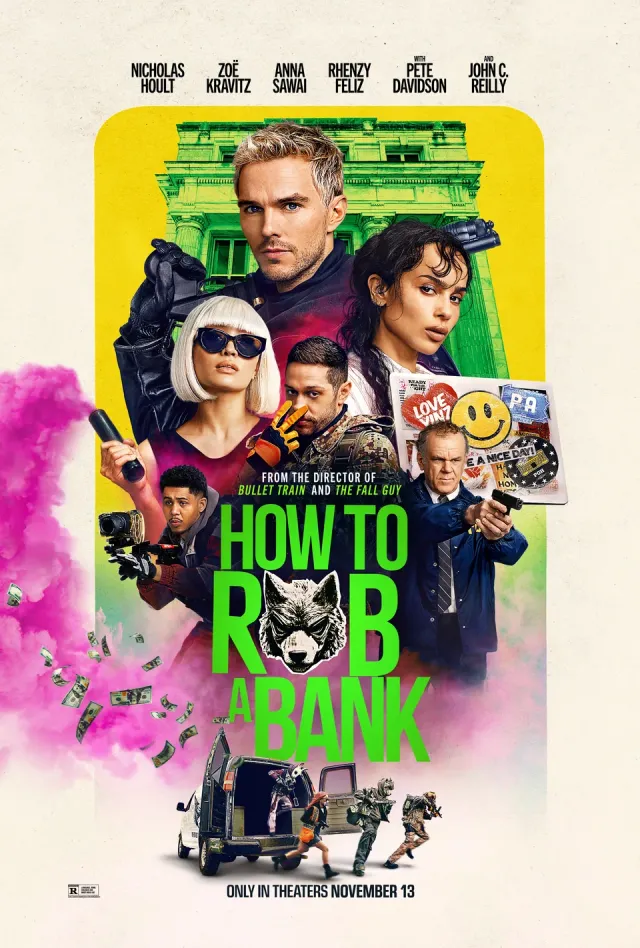
A group of bank robbers turns its crimes into online entertainment, recording heists and cultivating an audience. That visibility also attracts a veteran FBI agent and a software specialist who begin closing in. As the crew pursues a larger robbery, the desire to make a public statement collides with the practical dangers of making criminal activity increasingly easy to watch.
Based on recorded story, mood and style. Your preferences can change the order.
Investigation · Criminal underworld
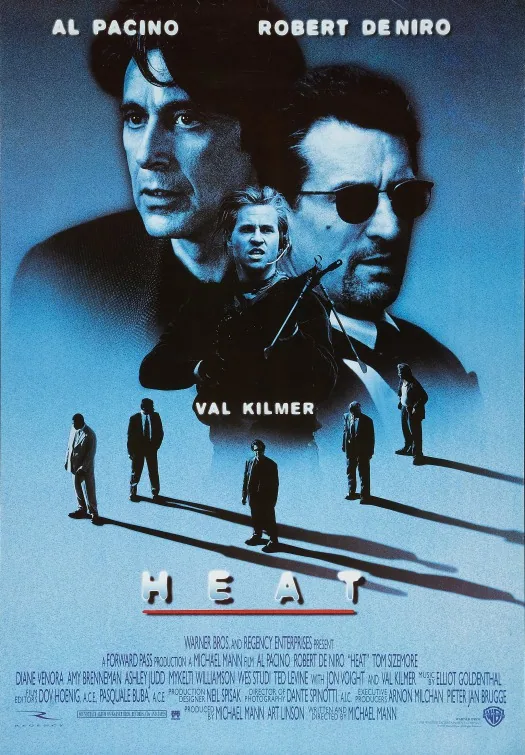
What changes Point Break: fast, set-piece driven and escalating. Heat: measured and intense.
A disciplined Los Angeles robbery crew attracts a detective whose commitment to the pursuit has already made ordinary domestic life difficult. Planning another major theft forces the crew to negotiate an unstable associate, personal attachments and the limits of their rule against becoming tied to anything they cannot abandon. Parallel attention to police and criminals reveals recognisable forms of loneliness and competence without making their opposing obligations compatible.
Both centre on concealed identity and professional pursuit.
Why this matches +
Genres: Action / Crime
Shared film traits
Based on recorded story, mood and style. Your preferences can change the order.
Investigation · Criminal underworld
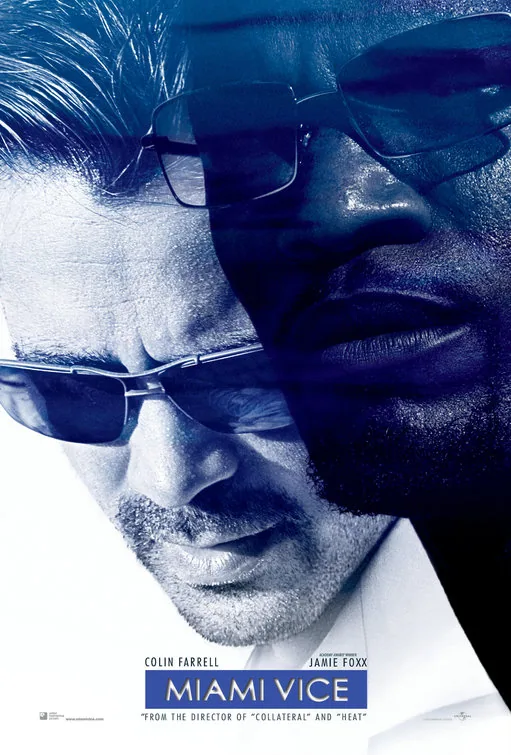
What changes Point Break: fast, set-piece driven and escalating. Miami Vice: measured and sudden bursts.
Undercover detectives Sonny Crockett and Ricardo Tubbs enter a dangerous South Florida drug operation after an informant network is compromised. Their mission becomes harder to separate from the identities and relationships they adopt to stay close to criminals. The film trades episodic television rhythms for a moody crime story about loyalty, intimacy and undercover risk.
Based on recorded story, mood and style. Your preferences can change the order.
Investigation · Criminal underworld
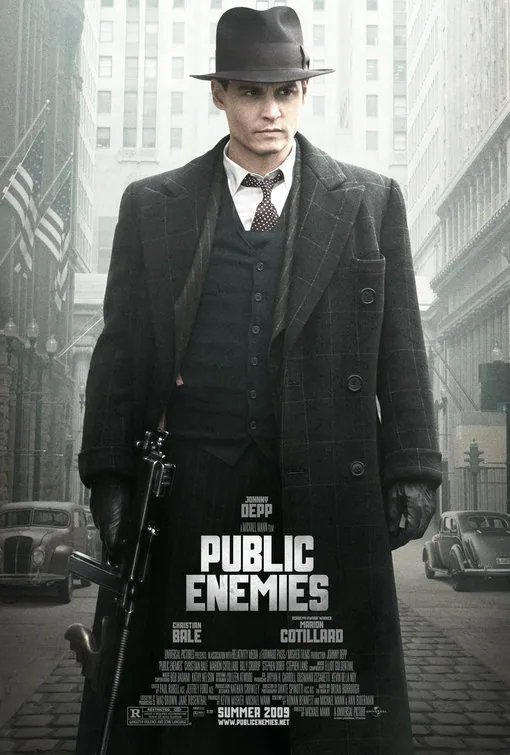
Expect hard-edged and tense, with fast and pursuit-driven pacing.
In 1933, bank robber John Dillinger breaks his crew out of Indiana State Prison and begins a run of high-profile robberies. FBI agent Melvin Purvis receives the assignment to capture him as J. Edgar Hoover pushes the bureau toward modern crime-fighting methods. Dillinger’s relationship with Billie Frechette develops amid the robberies, escapes and growing law-enforcement pressure, while Purvis’s pursuit becomes increasingly personal. The film follows the final stretch of Dillinger’s freedom through shifting safe houses, prison breaks and the government’s attempt to turn one outlaw into a public example. His career ends outside Chicago’s Biograph Theater.
Both share themes of loyalty, plus a tense atmosphere.
Why this matches +
Genres: Action / Crime
Shared film traits
Based on recorded story, mood and style. Your preferences can change the order.
Criminal underworld
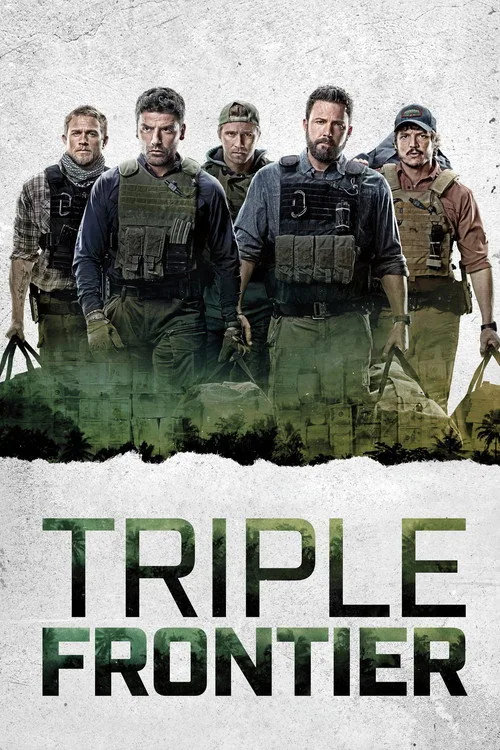
What changes Point Break: fast, set-piece driven and escalating. Triple Frontier: careful planning gives way to escalating survival setbacks.
A former special-operations team reunites after Santiago “Pope” Garcia learns where a South American drug lord keeps a fortune. The men plan the robbery for themselves, but the haul strains their helicopter, their discipline, and their trust as they cross the Andes and try to get out alive. This action drama shifts from a tactical heist into a punishing journey about greed, loyalty, and the cost of carrying more than the team can safely bear.
Based on recorded story, mood and style. Your preferences can change the order.
Criminal underworld
What changes Point Break is tagged adrenaline-fueled and tense; Parker is tagged tough and suspenseful.
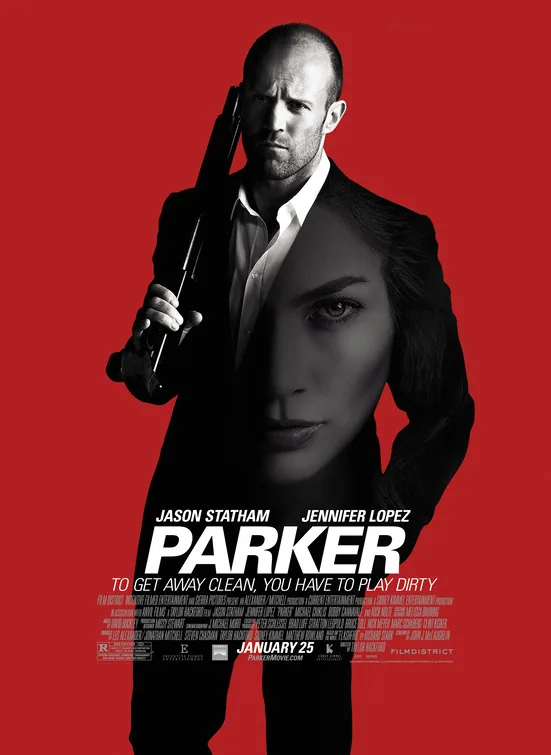
Professional thief Parker refuses to let a crew keep his share of a successful robbery, so they shoot him, leave him for dead and take the money. He survives and tracks them to Palm Beach, where the group is planning a larger jewelry heist. Real-estate agent Leslie helps him enter the city’s social world under a disguise and supplies local knowledge, hoping for a share of the recovered score. Parker’s strict code and Leslie’s financial desperation align for a time, but his pursuit turns dangerous when the former crew realizes someone is inside their plan.
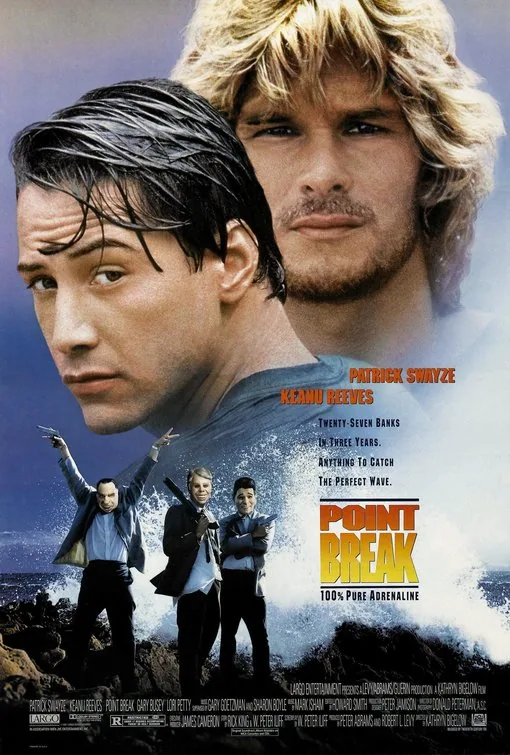
Rookie FBI agent Johnny Utah joins veteran Angelo Pappas to investigate Los Angeles bank robberies committed by the Ex-Presidents, a group that takes only the cash at bank counters. Pappas suspects the robbers are surfers, so Utah enters the surfing community and learns from Tyler, who introduces him to the charismatic Bodhi. The more Utah shares Bodhi’s appetite for risk and freedom, the harder it becomes to keep the investigation separate from friendship. When the robberies escalate, Utah must choose between his duty as an agent and the bond he has built with the man he is trying to catch.
What drives the story
The undercover assignment begins as an investigation of a robbery pattern, then becomes a personal struggle over the values Utah has absorbed from Bodhi.
The people at its centre
Bodhi’s appetite for risk attracts Utah, while Pappas’s partnership reminds him that the friendship is built on a concealed identity.
What it feels like
Surfing, skydiving and kinetic robbery sequences give the crime story an outdoor action vocabulary and a strong sense of physical danger.
Worth knowing
This is a 1991 undercover action film about a specific criminal crew; it is distinct from the later remake and from generic surf culture stories.