A young foreign bride seeks privacy and pleasure inside a court whose dynastic expectations make her private choices political symbols.
Why this matches +
A restrained period drama about a teenager growing up in Elvis Presley’s gilded household and reclaiming her independence from a controlling marriage.
Genres: Historical / Drama
Shared film traits
Based on recorded story, mood and style. Your preferences can change the order.
Both directed by Sofia Coppola.
What changes Versailles brings royal politics and playful anachronisms to a more expansive period portrait.
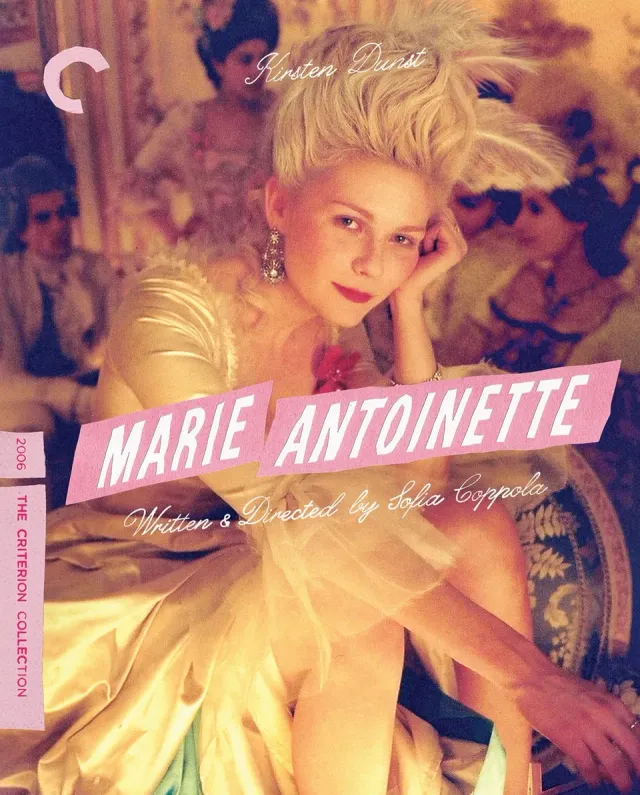
Sent to France as a teenager to secure an alliance, Marie Antoinette enters a royal court where marriage, ceremony and producing an heir are public duties. Her early years at Versailles are marked by isolation, strict protocol and pressure from the king's family; she finds escape in fashion, parties and a private circle even as criticism of royal spending grows. After becoming a mother, she retreats further to the Petit Trianon. The revolution eventually reaches Versailles, forcing the royal family from the palace as the film ends before her execution.
A royal Christmas gathering intensifies Diana's sense that her life has become a role she cannot inhabit.
Why this matches +
A restrained period drama about a teenager growing up in Elvis Presley’s gilded household and reclaiming her independence from a controlling marriage.
Genres: Drama
Shared film traits
Based on recorded story, mood and style. Your preferences can change the order.
Memory and identity
What changes Diana’s ordeal is condensed into a surreal Christmas weekend rather than a years-long marriage.
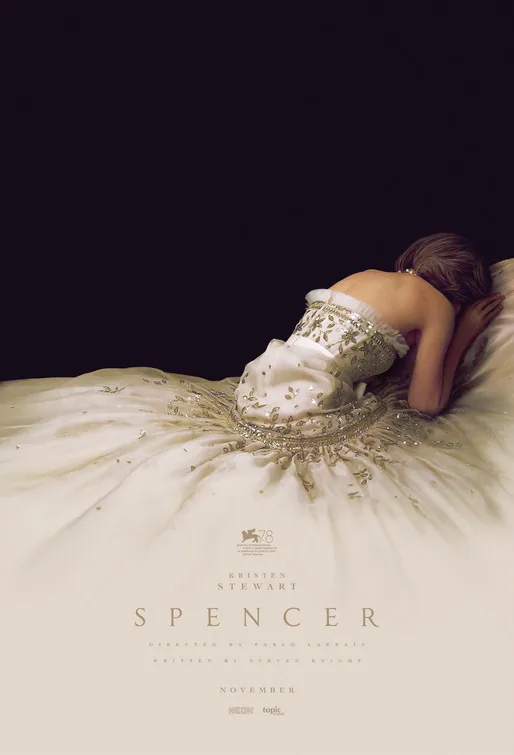
During a tense Christmas holiday at Sandringham, Princess Diana feels increasingly alienated from the royal family's routines and restrictions. The film concentrates on several days in 1991, following her private distress, her connection with her sons, and her struggle to imagine a future outside the marriage. Pablo Larraín's psychological drama uses a subjective, impressionistic style rather than a full biographical survey, turning ceremonial spaces into a portrait of confinement and self-determination.
An older man's curated access to culture makes a student's future seem disposable until concealed information exposes the cost of dependence.
Why this matches +
A restrained period drama about a teenager growing up in Elvis Presley’s gilded household and reclaiming her independence from a controlling marriage.
Genres: Drama / Romance
Shared film traits
Based on recorded story, mood and style. Your preferences can change the order.
What changes Jenny’s academic ambitions and ordinary London upbringing frame a breezier, more comic story.
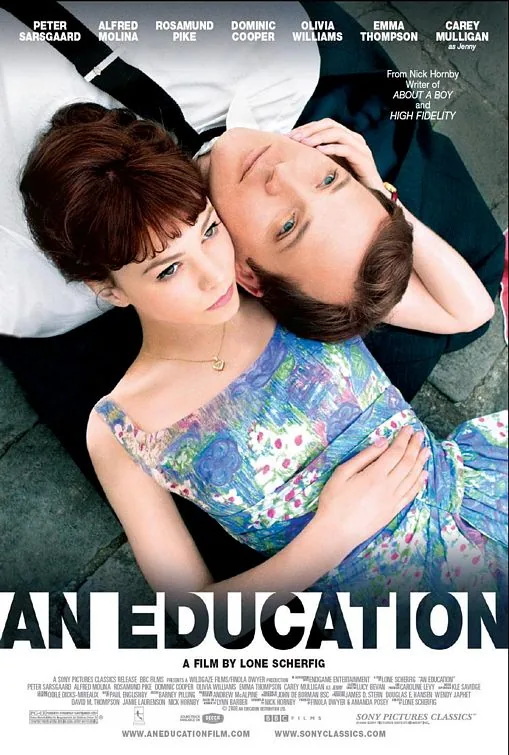
A gifted schoolgirl in early 1960s London is offered an apparently sophisticated escape from exams and parental restrictions by an older man. His access to music, travel, and adult approval makes formal education seem small beside a life already available. As inconsistencies emerge, the attraction becomes a test of how glamour can disguise unequal knowledge and how easily ambition can be redirected by someone presenting himself as its shortcut.
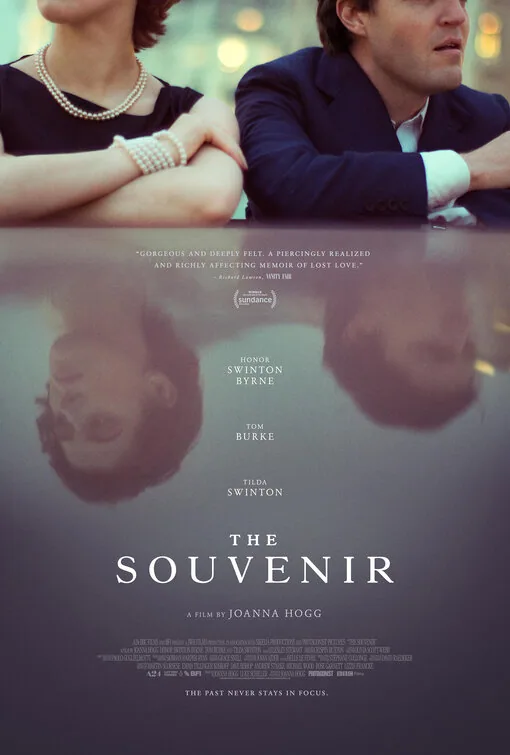
Julie’s relationship with Anthony and her developing film project reshape how she sees her own judgment and creative voice.
Why this matches +
A restrained period drama about a teenager growing up in Elvis Presley’s gilded household and reclaiming her independence from a controlling marriage.
Genres: Drama / Romance
Shared film traits
Based on recorded story, mood and style. Your preferences can change the order.
Memory and identity
What changes Julie is an adult filmmaker in art-house London rather than a teenager isolated by a superstar’s fame.
In 1980s London, Julie is a young film student trying to develop a project about working-class life while sharing a flat with friends. She begins a relationship with Anthony, a polished Foreign Office worker whose explanations and absences leave her uncertain. As Julie gives him money and adjusts her plans around the relationship, she struggles to distinguish care from dependence and gradually learns how to turn experience into a film of her own.
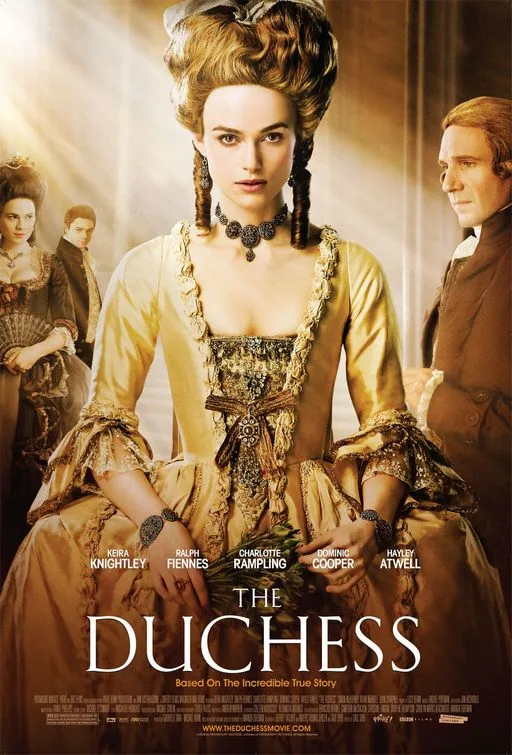
Public admiration does little to reduce Georgiana’s lack of power within her marriage and social world.
Why this matches +
A restrained period drama about a teenager growing up in Elvis Presley’s gilded household and reclaiming her independence from a controlling marriage.
Genres: Drama / Romance
Shared film traits
Based on recorded story, mood and style. Your preferences can change the order.
Memory and identity
What changes Eighteenth-century aristocratic politics and motherhood drive a more melodramatic story.
Georgiana Spencer enters an aristocratic marriage that gives her public influence but little control over her private life. Her husband’s affairs, political expectations and the rules of the English court constrain her choices, while her friendships offer both comfort and further complications. The period drama portrays fashion and public visibility alongside emotional isolation, focusing on the tension between a woman celebrated by society and the person denied room to shape her own future.
The narrators reconstruct the sisters’ lives from partial observations, while the family’s tragedy remains beyond their complete understanding.
Why this matches +
A restrained period drama about a teenager growing up in Elvis Presley’s gilded household and reclaiming her independence from a controlling marriage.
Genres: Drama / Romance
Shared film traits
Based on recorded story, mood and style. Your preferences can change the order.
Memory and identity
What changes Neighborhood boys narrate the collective tragedy of five sisters rather than one woman’s emancipation.
Years after five sisters died by suicide, the neighborhood boys who watched them as teenagers revisit their fragmentary memories of the Lisbon family. The film centers on the girls’ restricted lives under protective parents and on the distance between what the boys observed and what they can truly know. Sofia Coppola’s adaptation is a melancholy study of adolescence, family control, and retrospective mythmaking; its subject matter is handled as tragedy, not as a puzzle to solve.
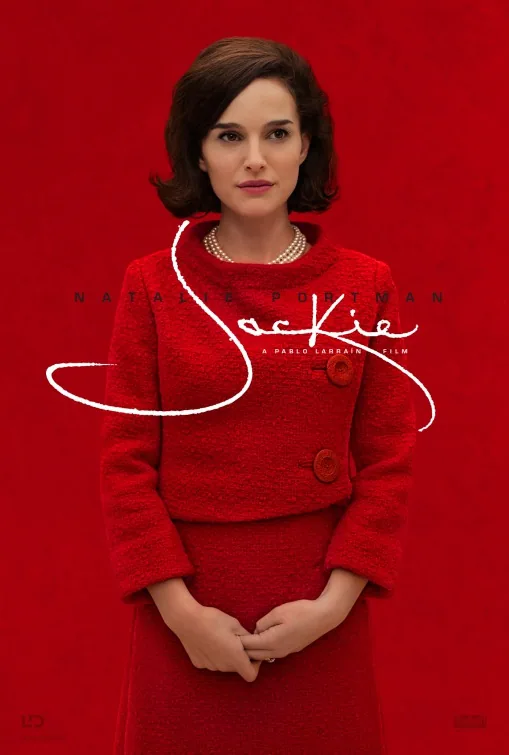
In the days after an assassination, a first lady works to shape a public memorial while privately grieving.
Why this matches +
Specific shared appeal and viewing differences are recorded for each pair.
An adjacent discovery: a related idea with a different viewing experience.
Genres: Drama / Biography
Shared film traits
Based on recorded story, mood and style. Your preferences can change the order.
Memory and identity
What changes Assassination and legacy shape the story instead of an ongoing coercive romance.
After President John F. Kennedy's assassination, Jacqueline Kennedy gives an interview about the days surrounding the funeral and her effort to shape how the country remembers her husband. The film moves through grief, public duty, and private conversations as she negotiates the White House's transition and the limits of her control over an official narrative. Pablo Larraín's portrait is intimate and subjective, using performance and ritual to explore mourning under constant observation.
Two linked careers move in opposite directions as creative recognition collides with an established performer's decline.
Why this matches +
Specific shared appeal and viewing differences are recorded for each pair.
An adjacent discovery: a related idea with a different viewing experience.
Genres: Drama / Romance
Shared film traits
Based on recorded story, mood and style. Your preferences can change the order.
What changes Ally becomes a performer in a song-driven story about diverging careers.
An established musician hears a talented singer perform and encourages her onto a larger stage. Their romance develops as her public career rises and his addiction and insecurity become harder to contain. Professional collaboration and private care increasingly pull in different directions, exposing how difficult love becomes when success, dependence and self-worth are tied to performing.
A partner's useful commercial performance becomes appropriation, with the artist's continued production sustaining the very lie that denies her recognition.
Why this matches +
Specific shared appeal and viewing differences are recorded for each pair.
An adjacent discovery: a related idea with a different viewing experience.
Genres: Drama / Biography
Shared film traits
Based on recorded story, mood and style. Your preferences can change the order.
What changes Stolen paintings, public authorship and litigation replace adolescent isolation.
A painter struggling to support herself and her daughter enters a marriage in which her husband's salesmanship brings her work public success. That success depends on presenting him as its creator, converting apparent assistance into a growing loss of authorship and control. Reclaiming credit requires challenging both an intimate authority and a market willing to accept a confident performance of artistic genius over the person doing the labor.
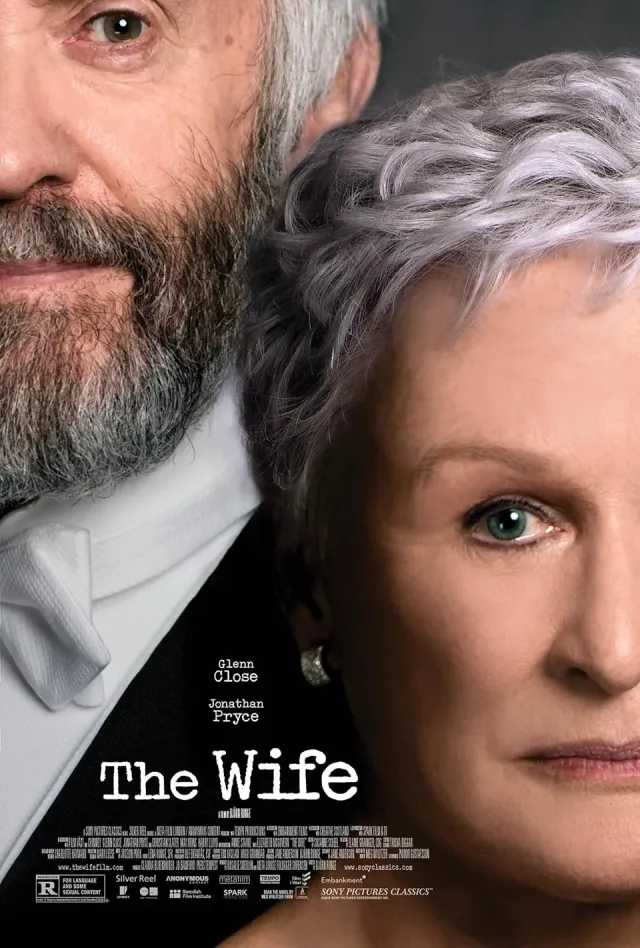
A Nobel Prize trip intensifies Joan’s conflict with the public account of her husband’s literary career and their private history.
Why this matches +
Specific shared appeal and viewing differences are recorded for each pair.
An adjacent discovery: a related idea with a different viewing experience.
Genres: Drama
Shared film traits
Based on recorded story, mood and style. Your preferences can change the order.
Memory and identity
What changes An older woman faces a compressed literary-award reckoning rather than a coming-of-age chronicle.
Joan Castleman accompanies her husband, celebrated novelist Joe, to Stockholm after he receives the Nobel Prize in Literature. The ceremonies bring their adult son and an intrusive biographer into the couple’s orbit, while Joan’s frustration with the public story of Joe’s success grows. Flashbacks to their early relationship as student and professor reveal the compromises that shaped their marriage and creative partnership, raising questions about recognition, authorship, and a life spent in another person’s shadow.
Elizabeth’s research makes the act of watching feel consequential for the family being observed.
Why this matches +
Specific shared appeal and viewing differences are recorded for each pair.
An adjacent discovery: a related idea with a different viewing experience.
Genres: Drama
Shared film traits
Based on recorded story, mood and style. Your preferences can change the order.
Memory and identity
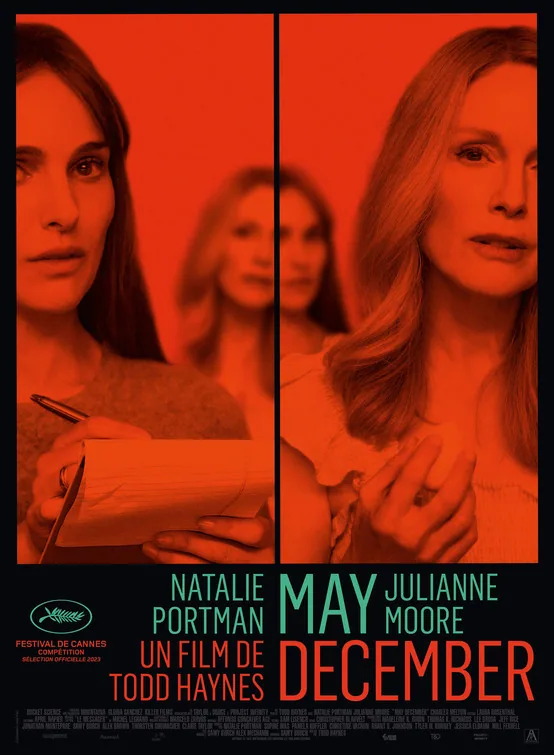
What changes The older partner is a woman and an actor’s investigation lends the decades-later story an acidic tone.
Actor Elizabeth travels to Georgia to research Gracie, a woman whose relationship with teenage Joe once drew national attention and scandal. As Elizabeth observes the family and prepares to portray Gracie, the visit unsettles the couple’s routines and exposes how each person has learned to perform a version of the past. The drama examines looking, reenactment and power, letting quiet social encounters carry the tension of an unresolved history.
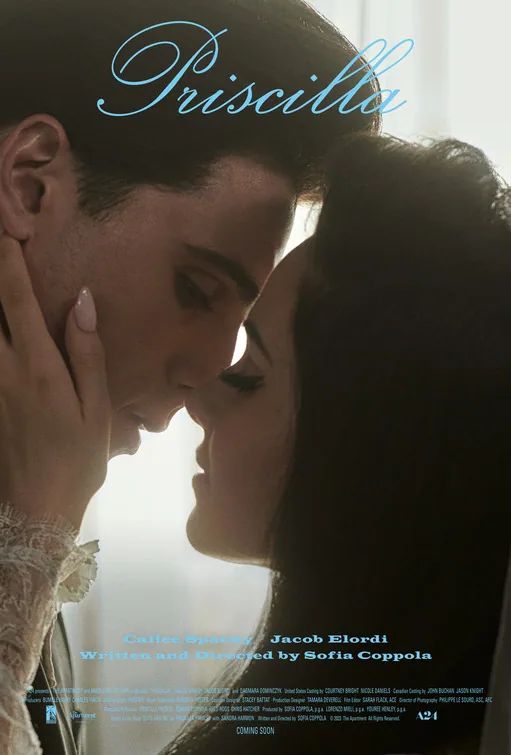
Fourteen-year-old Priscilla Beaulieu meets Elvis Presley while he is stationed in West Germany, and their relationship continues after he returns to the United States. She later joins him at Graceland, where his fame, rules and household routines shape her daily life. The film follows her growing up inside a relationship that began across a marked age and power difference, including marriage, motherhood and the gradual distance created by Elvis’s touring, affairs and drug use. When Priscilla decides she needs an independent life, she leaves Graceland and pursues divorce rather than accept the identity she has been assigned.
What drives the story
The story follows the private costs of celebrity through Priscilla’s restricted access to a life that Elvis can define more easily than she can.
The people at its centre
Her affection for Elvis coexists with a need for autonomy; the unequal ages and resources shape what choices feel available.
What it feels like
Sofia Coppola’s quiet framing, pastel interiors and controlled performances emphasize domestic routine over the spectacle of Elvis’s public career.
Worth knowing
It is a portrait of Priscilla’s perspective, not a comprehensive Elvis biography or a simple romance about fame.
AutonomyCelebrityComing of age
Mood
Quiet · Melancholic · Reflective
Pacing
Measured · Episodic · Reflective
Visual style
Pastel · Controlled framing · Domestic
Storytelling
Biographical drama · Unequal relationship · Coming of age