Both share an ambivalent and melancholy atmosphere.
Why this matches +
Genres: Drama / Romance
Shared film traits
Based on recorded story, mood and style. Your preferences can change the order.
Memory and identity
What changes The Souvenir: measured, elliptical and memory-like transitions. Last Night: suspicion during departure, intercut city-night encounters and quiet return and unresolved choice.
New York couple Joanna and Michael face a test of trust after Joanna notices Michael's closeness with a colleague during a party. On a business trip, Michael spends time with that colleague, while Joanna unexpectedly meets her former lover Alex and revisits the history they never fully resolved. The film follows both nights in parallel, tracing the quiet temptations and boundaries each spouse encounters. Rather than treating fidelity as a simple verdict, it observes how desire, memory, and a shared marriage can coexist uneasily.
Based on recorded story, mood and style. Your preferences can change the order.
Romance and intimacy · Work and ambition
What changes The Souvenir: measured, elliptical and memory-like transitions. The Souvenir Part II: julie revisits anthony’s life, develops a film drawn from their relationship and and discovers that translating memory into a scene requires choices..
After the death of her boyfriend Anthony, film student Julie returns to school and begins shaping a final project from their relationship. She tries to reconcile what she experienced with what others remember, while directing actors and managing her own doubts about how to tell the story. The film treats filmmaking as both a creative task and an imperfect way of revisiting grief.
Based on recorded story, mood and style. Your preferences can change the order.
What changes The Souvenir: measured, elliptical and memory-like transitions. The Worst Person in the World: chaptered and episodic.
Over four years in Oslo, Julie changes direction from medical studies to psychology and then photography, while trying to understand what kind of work and relationship she wants. She begins a life with the older comic-book artist Aksel, whose readiness for commitment does not settle her uncertainty. At a party, she meets Eivind, who is also involved with someone else, and their impulsive attraction opens a different possibility. The film moves through chapter-like episodes, fantasies and time shifts as Julie confronts how choices affect other people and how time limits the promise of reinvention. One chapter interrupts ordinary time as Julie moves toward a man already committed elsewhere, making choice itself visible.
Based on recorded story, mood and style. Your preferences can change the order.
Memory and identity
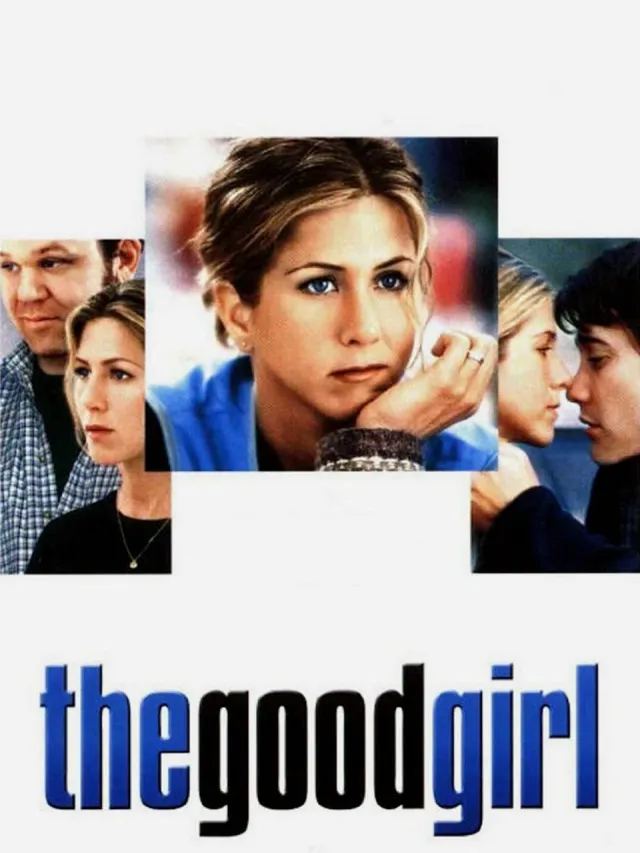
What changes The Souvenir: measured, elliptical and memory-like transitions. The Good Girl: conversational and episodic.
A dissatisfied retail worker begins an affair with a young co-worker while her marriage and small-town routine feel increasingly confining. Their private escape changes once fantasy collides with responsibility and with the people affected by their decisions. The film observes how self-pity can make destructive choices feel like liberation before their consequences become unavoidable. Understated performances and everyday retail spaces give the drama a dry, unsentimental texture.
Both share themes of intimacy, plus a melancholy atmosphere.
Why this matches +
Genres: Drama / Romance
Shared film traits
Based on recorded story, mood and style. Your preferences can change the order.
Romance and intimacy · Work and ambition
Expect wistful and romantic, with measured and character-led pacing.
Hilary manages a fading seaside cinema in 1980s Margate, where the daily routine is shaped by a domineering manager and by her own mental health struggles. New employee Stephen joins the staff, and the two develop a relationship amid racism, loneliness and a changing political climate. The old picture house becomes both a workplace and a refuge, giving Sam Mendes’s drama a setting where private lives, collective entertainment and the decline of a local institution meet.
Based on recorded story, mood and style. Your preferences can change the order.
Memory and identity
What changes The Souvenir: measured, elliptical and memory-like transitions. Chloe: slow escalation, relationship-centered and suspenseful.
Catherine Stewart suspects her husband David may be unfaithful and hires Chloe, a young escort, to test his loyalty. Chloe reports back with increasingly intimate stories, drawing Catherine into a charged mix of jealousy, curiosity, and attraction. As the two women’s relationship develops, Catherine’s understanding of her marriage and of Chloe’s intentions begins to shift. Atom Egoyan’s erotic thriller uses a private investigation as the catalyst for family tensions, desire, and deception, while maintaining uncertainty about which accounts can be trusted.
Based on recorded story, mood and style. Your preferences can change the order.
What changes The Souvenir: measured, elliptical and memory-like transitions. Tootsie: brisk and performance-led.
Out-of-work New York actor Michael Dorsey is talented but so difficult to direct that he cannot find steady work. To help his friend Sandy audition, he disguises himself as a woman and lands a role on a television soap opera as Dorothy Michaels. The success gives Michael a new career and brings him closer to co-star Julie Nichols, but maintaining the disguise becomes increasingly complicated as he forms real friendships at work and Julie’s father falls for Dorothy. The comedy hinges on performance and deception, while Julie’s professional and personal choices remain central to the story. Michael’s work as Dorothy forces him to listen differently to coworkers but does not excuse the deception in his personal relationships.
Based on recorded story, mood and style. Your preferences can change the order.
Romance and intimacy
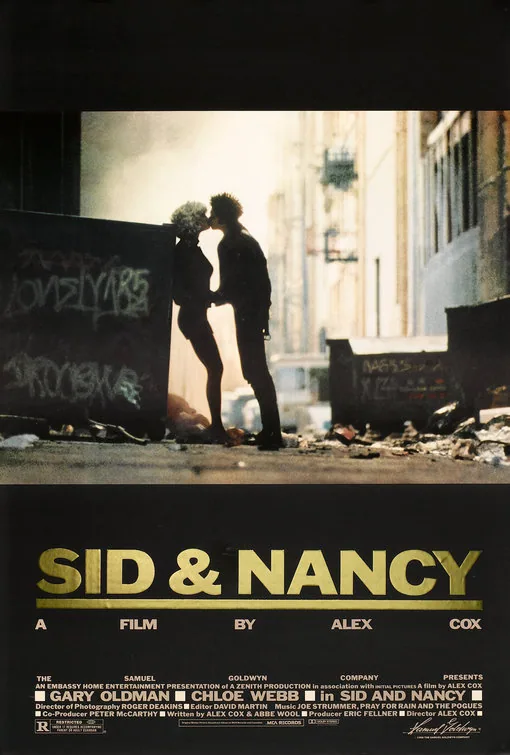
What changes The Souvenir: measured, elliptical and memory-like transitions. Sid and Nancy: fragmented flashback frame, episodic decline, music interludes and fatalistic progression.
The film opens with the aftermath of Nancy Spungen’s death and moves back to the London punk scene where she meets Sex Pistols bassist Sid Vicious. Sid’s attraction to Nancy grows into a consuming relationship shaped by heroin use, touring and the band’s disintegration. Friends and managers try to intervene, but the pair’s dependence isolates them from support and repeatedly pulls them toward crisis. The story follows Sid and Nancy from London to New York, where a brief attempt at a new life is overshadowed by addiction, volatility and the unresolved circumstances of her death. Alex Cox presents their romance as an intimate, stylized tragedy rather than a comprehensive history of punk music.
Both share themes of class, plus an observant atmosphere.
Why this matches +
Genres: Comedy / Romance
Shared film traits
Based on recorded story, mood and style. Your preferences can change the order.
Romance and intimacy · Work and ambition
What changes The Souvenir: measured, elliptical and memory-like transitions. The Valet: light, romantic, ensemble-driven and episodic.
Antonio is a Los Angeles valet whose ordinary routine changes after he is photographed beside actress Olivia Allan and her married billionaire partner. To quiet the publicity, Olivia and the developer present Antonio as her boyfriend, drawing him into an unfamiliar social world. As Antonio’s family and neighborhood respond to the arrangement, the film follows a staged romance that becomes entangled with class, reputation, gentrification and the people who depend on him.
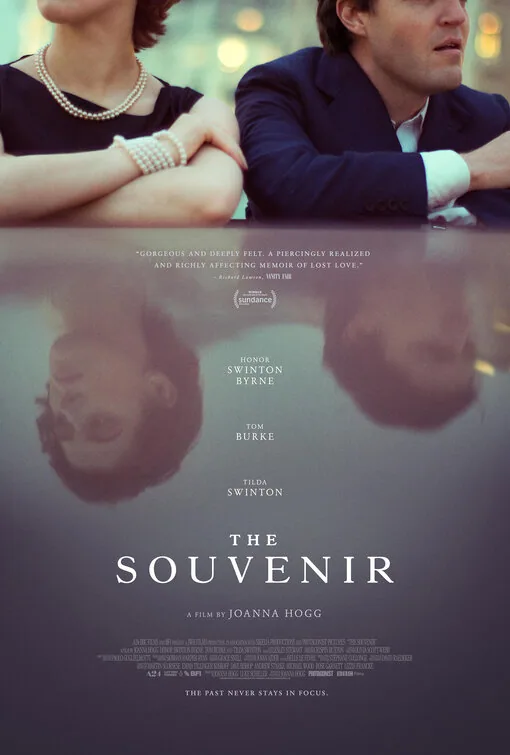
In 1980s London, Julie is a young film student trying to develop a project about working-class life while sharing a flat with friends. She begins a relationship with Anthony, a polished Foreign Office worker whose explanations and absences leave her uncertain. As Julie gives him money and adjusts her plans around the relationship, she struggles to distinguish care from dependence and gradually learns how to turn experience into a film of her own.
What drives the story
Julie’s relationship with Anthony and her developing film project reshape how she sees her own judgment and creative voice.
The people at its centre
Julie’s growing attachment is tested by Anthony’s evasions, financial dependence, and unequal access to adult power.
What it feels like
A patient, semi-autobiographical drama observes how a young artist converts an uncertain relationship into creative understanding.
Worth knowing
Its central lens is a film student’s memory and artistic formation, rather than a mystery about her partner’s past.
artistic growthintimacyclass
Mood
observant · quiet · ambivalent · melancholy
Pacing
measured · elliptical · memory-like transitions
Visual style
carefully composed interiors · period London detail · naturalistic dialogue · art-school spaces
Storytelling
film student protagonist · 1980s period drama · relationship with secrets · autobiographical inflection