Explore films connected to Last Night through trust and infidelity, memory of past love, private choices within marriage. Choose the qualities you want to carry into your next watch.
What should feel similar?
Find your next favourite
9 films · Closest overall matches
Hide films you’ve seen or don’t want. Saved on this device.
No matches for this combination yet.
Try another option or reset your choices to see more films.
Both share an ambivalent and melancholy atmosphere.
Why this matches +
Genres: Drama / Romance
Shared film traits
Based on recorded story, mood and style. Your preferences can change the order.
Memory and identity
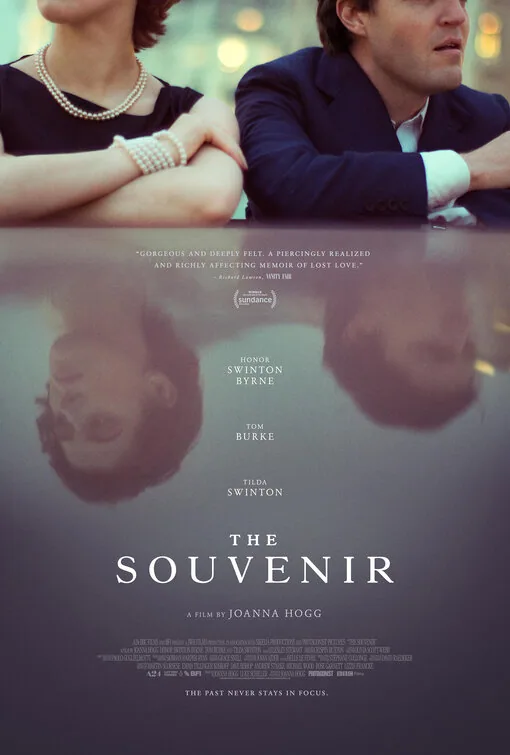
What changes Last Night: suspicion during departure, intercut city-night encounters and quiet return and unresolved choice. The Souvenir: measured, elliptical and memory-like transitions.
In 1980s London, Julie is a young film student trying to develop a project about working-class life while sharing a flat with friends. She begins a relationship with Anthony, a polished Foreign Office worker whose explanations and absences leave her uncertain. As Julie gives him money and adjusts her plans around the relationship, she struggles to distinguish care from dependence and gradually learns how to turn experience into a film of her own.
Based on recorded story, mood and style. Your preferences can change the order.
Coming of age
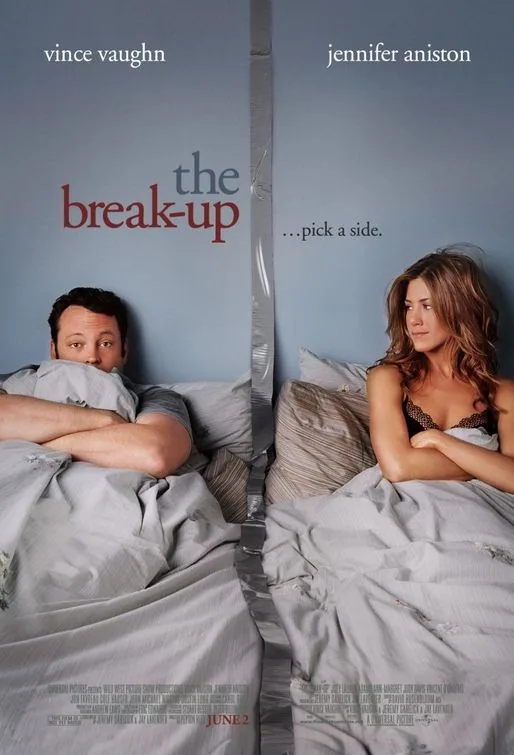
What changes Last Night: suspicion during departure, intercut city-night encounters and quiet return and unresolved choice. The Break-Up: conversational and episodic.
After a painful breakup, a Chicago couple continues living in the same apartment because neither wants to leave it. Their attempts to make the other move become a series of escalating gestures that obscure the hurt beneath their arguments. The film observes how a relationship can end before shared routines and emotional expectations have caught up. A recognizable city setting and alternating comic and uncomfortable scenes keep the conflict grounded in ordinary domestic life.
Based on recorded story, mood and style. Your preferences can change the order.
Memory and identity
What changes Last Night: suspicion during departure, intercut city-night encounters and quiet return and unresolved choice. Fifty Shades Freed: melodramatic and threat-and-recovery cycles.
Newly married Anastasia and Christian attempt to build a shared life while his immense wealth, protective instincts and past relationships keep shaping their choices. A former employee’s threat places their security under pressure, yet the central conflict stays intimate: whether love can make room for autonomy when one partner has grown accustomed to deciding what protection should look like.
Based on recorded story, mood and style. Your preferences can change the order.
Memory and identity
What changes Last Night: suspicion during departure, intercut city-night encounters and quiet return and unresolved choice. The Room Next Door: deliberate, conversation-led and quietly intense.
Ingrid, a successful writer, reconnects with Martha, a former colleague now living with terminal cancer. Martha asks Ingrid to stay close as she prepares to end her life on her own terms, and the two women retreat to a country house where companionship and difficult conversations replace the routines of the hospital. Their friendship, memories and conflicting responses to death create an intimate drama about autonomy, care and the limits of what one person can decide for another.
Based on recorded story, mood and style. Your preferences can change the order.
Memory and identity
What changes Last Night: suspicion during departure, intercut city-night encounters and quiet return and unresolved choice. About Last Night: dialogue-led episodes trace courtship over time.
Two couples in Los Angeles navigate the uncertain move from casual dating to committed relationships, learning how private chemistry changes under friends’ scrutiny and everyday demands. The story updates a familiar romantic premise through lively conversations and an ensemble perspective, balancing sex comedy with the vulnerability of deciding whether someone can be trusted over time.
Based on recorded story, mood and style. Your preferences can change the order.
What changes Last Night: suspicion during departure, intercut city-night encounters and quiet return and unresolved choice. Closer: episodic.
In London, Dan, Alice, Anna and Larry move through overlapping relationships in which attraction is followed by demands for disclosure. Their conversations often present truth as a test or punishment, so knowing a partner's sexual history does not guarantee trust or intimacy. The characters exercise different degrees of control over what they reveal, and Alice's constructed identity should not be confused with proof that she has no agency. Mike Nichols's stage-derived chamber drama keeps the focus on what people demand from one another when possession is mistaken for honesty. The relationships shift over years, with temporary pairings hardening into old resentments.
Based on recorded story, mood and style. Your preferences can change the order.
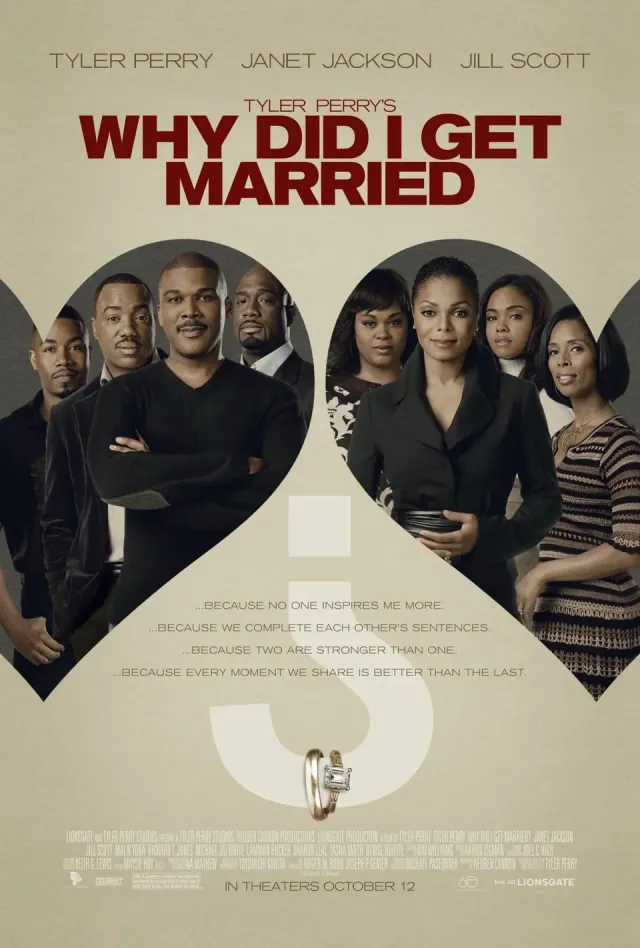
What changes Last Night: suspicion during departure, intercut city-night encounters and quiet return and unresolved choice. Why Did I Get Married?: episodic and conversation-led.
Four married couples meet for an annual retreat intended to strengthen their relationships, but the conversations expose private resentments and uneven expectations. The group’s longtime friendship offers both support and pressure as each couple confronts a crisis that cannot be resolved simply by returning to familiar routines. The ensemble drama uses the retreat’s shared setting to compare different forms of partnership and the work required to repair trust.
Based on recorded story, mood and style. Your preferences can change the order.
Memory and identity
What changes Last Night: suspicion during departure, intercut city-night encounters and quiet return and unresolved choice. Far from Heaven: deliberate and emotional escalation.
In 1950s Connecticut, a suburban wife discovers that her polished marriage conceals a truth her community is unwilling to accept, while she forms a connection that crosses the era’s racial boundaries. Her husband and their children also face the consequences of a rigid social order. The film uses period melodrama and carefully controlled style to examine desire, respectability and the limits imposed on private life.
Based on recorded story, mood and style. Your preferences can change the order.
Memory and identity
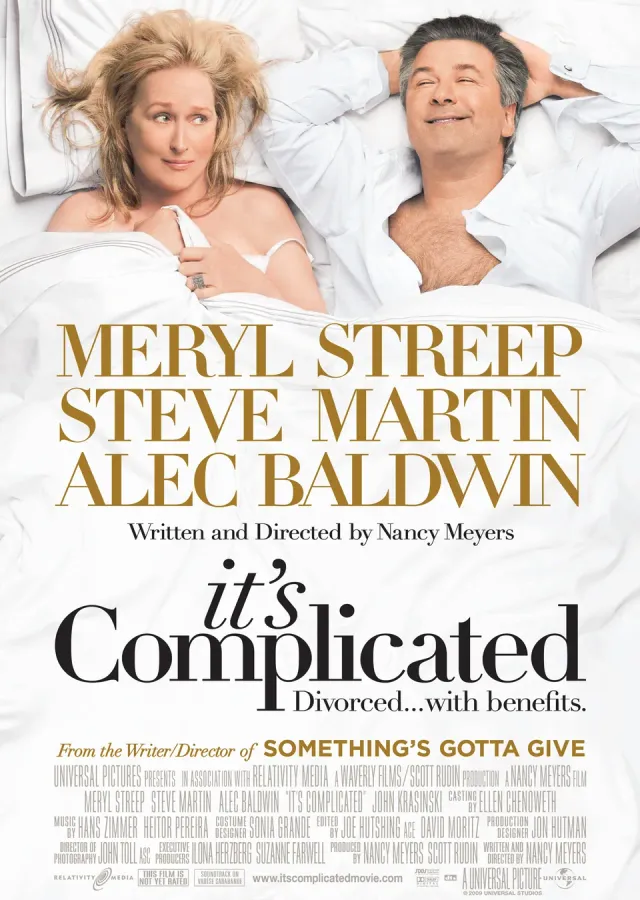
What changes Last Night: suspicion during departure, intercut city-night encounters and quiet return and unresolved choice. It's Complicated: measured and conversational.
Years after their divorce, Jane Adler and her former husband Jake find themselves drawn back into an affair, though Jake is now remarried and Jane has begun seeing another man. Their adult children and new relationships add pressure to a situation nobody can keep private. The comedy of remarriage explores desire and independence without pretending affection erases consequences.
New York couple Joanna and Michael face a test of trust after Joanna notices Michael's closeness with a colleague during a party. On a business trip, Michael spends time with that colleague, while Joanna unexpectedly meets her former lover Alex and revisits the history they never fully resolved. The film follows both nights in parallel, tracing the quiet temptations and boundaries each spouse encounters. Rather than treating fidelity as a simple verdict, it observes how desire, memory, and a shared marriage can coexist uneasily.
What drives the story
Joanna reunites with former partner Alex while Michael travels with colleague Laura, giving both spouses a night to test their commitments.
The people at its centre
Their histories and insecurities shape different responses to attraction, while the marriage's unspoken rules matter as much as physical fidelity.
What it feels like
A restrained relationship drama uses parallel nights and small gestures to leave viewers weighing emotional intimacy against betrayal.
Worth knowing
Both spouses face temptation during the same separation, and the film deliberately avoids a simple moral ruling on their choices.
trust and infidelitymemory of past loveprivate choices within marriage
Mood
intimate · ambivalent · melancholy
Pacing
suspicion during departure · intercut city-night encounters · quiet return and unresolved choice
Visual style
understated New York interiors · hotel and bar night lighting · parallel cross-cutting between spouses
Storytelling
married couple separated overnight · each spouse faces a different romantic temptation · parallel journeys leave the ending open