A security officer pursues a child-murder case that the state insists cannot exist.
Why this matches +
These offer a related experience with a meaningful difference in story, tone, or presentation.
An adjacent discovery: a related idea with a different viewing experience.
Genres: Crime / Drama
Shared film traits
Based on recorded story, mood and style. Your preferences can change the order.
Investigation
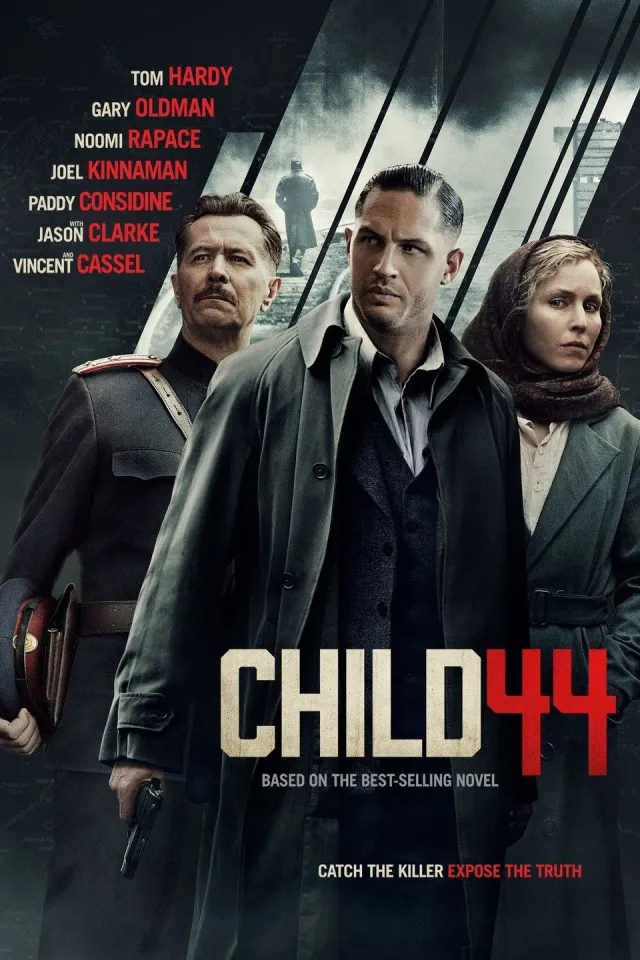
What changes Child 44 follows an investigator pursuing a pattern of child murders despite institutional obstacles.
In Stalin-era Soviet Union, security officer Leo Demidov investigates a series of child murders despite an official system that denies such crimes can exist. His refusal to accept that explanation threatens his position and his marriage to Raisa, sending the couple into a wider conflict with state authority. Daniel Espinosa's historical thriller adapts a crime novel as a story of moral resistance under surveillance, where truth itself becomes dangerous.
a killer’s use of victims’ lives creating an investigative pattern
Why this matches +
These offer a related experience with a meaningful difference in story, tone, or presentation.
An adjacent discovery: a related idea with a different viewing experience.
Genres: Crime / Mystery
Shared film traits
Based on recorded story, mood and style. Your preferences can change the order.
Investigation
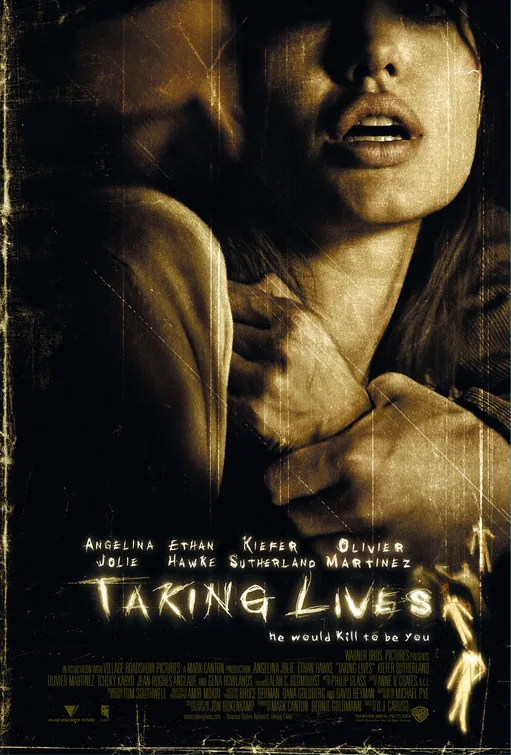
What changes Taking Lives follows an FBI profiler investigating a killer who assumes the identities of his victims.
An FBI profiler is asked to identify a serial killer who evades capture by assuming victims’ identities. Her interviews and reconstruction of crimes bring her close to people connected to the case, where trust is hard to distinguish from professional access. The thriller builds around identity theft, forensic inference and the danger of accepting a suspect’s story as the investigator’s own.
Clancy’s ability to glimpse possible outcomes draws him into an FBI search for a murderer who appears able to do the same.
Why this matches +
These offer a related experience with a meaningful difference in story, tone, or presentation.
An adjacent discovery: a related idea with a different viewing experience.
Genres: Thriller / Crime
Shared film traits
Based on recorded story, mood and style. Your preferences can change the order.
Investigation
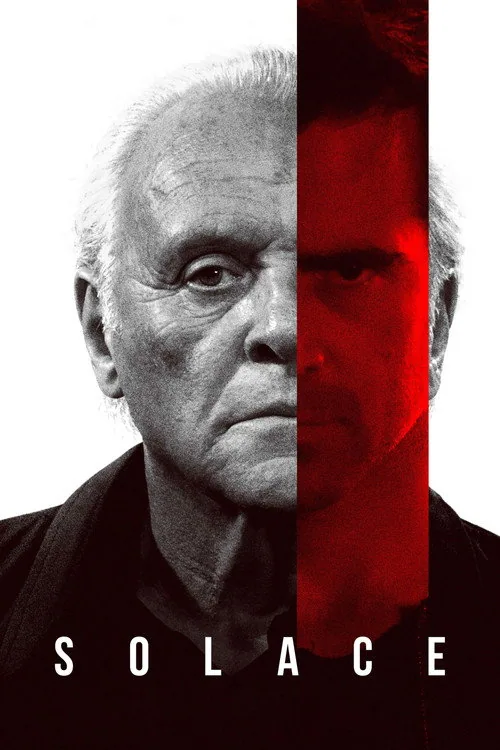
What changes Solace follows investigators seeking the help of a specialist to understand and catch a serial killer.
When a series of murders defeats an FBI investigation, agent Joe Merriwether asks retired physician and psychic John Clancy for help. Clancy’s visions provide fragments of possible futures, but a killer named Charles Ambrose appears to possess similar abilities and stay ahead of the bureau. Afonso Poyart’s thriller turns the pursuit into a contest between two men who can glimpse what may happen, while Clancy’s private grief shapes his reluctance to return to investigative work.
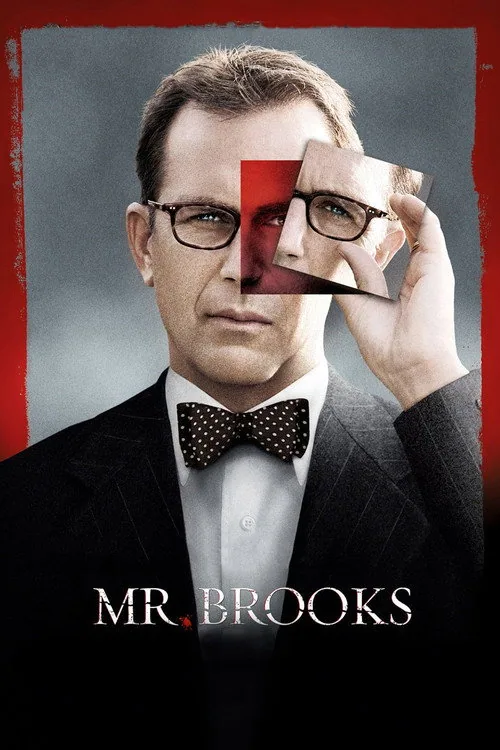
A witness to Brooks’s latest murder asks to join his next one, turning a secret routine into a risky partnership.
Why this matches +
These offer a related experience with a meaningful difference in story, tone, or presentation.
An adjacent discovery: a related idea with a different viewing experience.
Genres: Crime / Thriller
Shared film traits
Based on recorded story, mood and style. Your preferences can change the order.
Investigation
What changes Mr. Brooks explores a killer's divided self-image and the threat his violence poses to family relationships.
Earl Brooks is a respected Portland businessman and family man whose private life is controlled by an urge to kill. After a man photographs him during a murder, Brooks allows the witness to accompany him on another crime, while detective Tracy Atwood closes in and a violent fugitive targets her. The thriller makes outward respectability, compulsive violence, and the effort to control an imagined inner voice part of the same uneasy investigation.
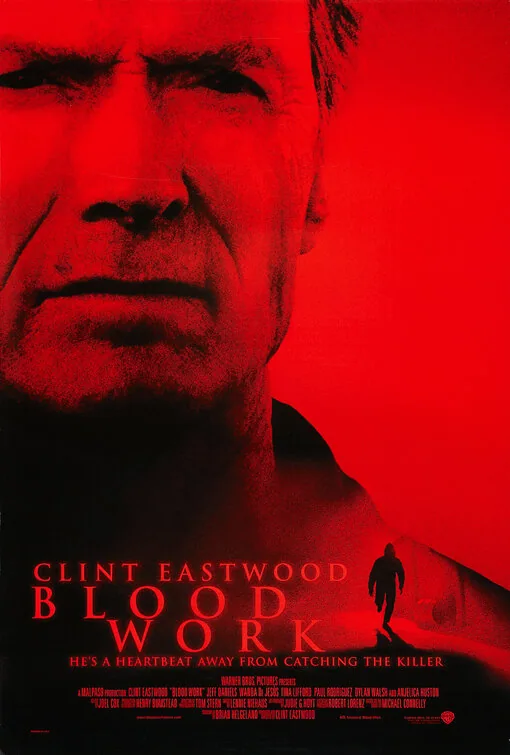
The transplant turns a cold murder investigation into a personal debt that McCaleb cannot set aside.
Why this matches +
These offer a related experience with a meaningful difference in story, tone, or presentation.
An adjacent discovery: a related idea with a different viewing experience.
Genres: Crime / Drama
Shared film traits
Based on recorded story, mood and style. Your preferences can change the order.
Investigation
What changes Blood Work follows a retired investigator drawn back into a murder case with deeply personal stakes.
Retired FBI profiler Terry McCaleb is recovering from a heart transplant when the donor’s sister asks him to investigate her death. He returns to police work despite his fragile health, finding that the murder case may connect to the organ that saved him. The mystery combines procedural clues with a protagonist’s physical limits, making renewed purpose and the obligation to a stranger central to the investigation.
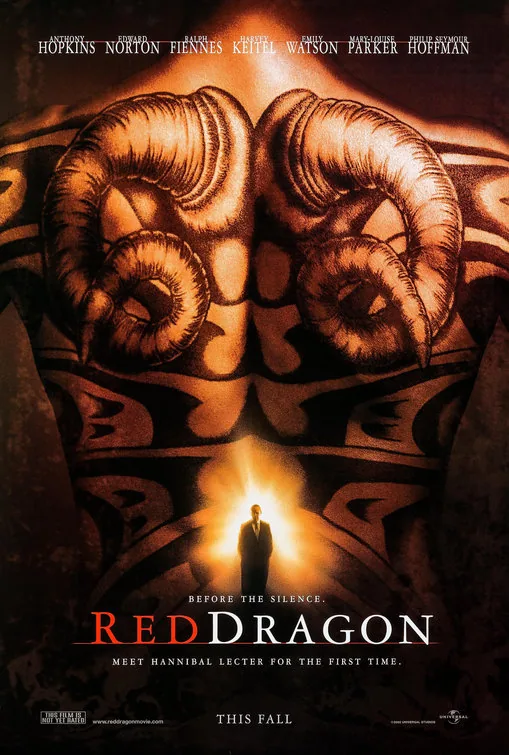
After being wounded while arresting Hannibal Lecter, former FBI profiler Will Graham has left the Bureau and moved his family to Florida. A new killer, nicknamed the Tooth Fairy, murders families during full moons, and Graham returns to help identify him. He consults Lecter for insight, but their exchange exposes Graham’s family to the imprisoned killer’s manipulation. The murderer, Francis Dolarhyde, is fixated on transforming himself into the Red Dragon and begins a relationship with blind coworker Reba McClane, creating a conflict between his violent self-image and an attachment he cannot control. Graham has to read the killer’s method before the threat reaches his own home.
What drives the story
Graham follows a pattern across two murdered families and uses Lecter’s insight, while the killer exploits the investigation to get closer to Graham’s family.
The people at its centre
Dolarhyde’s relationship with Reba complicates his self-image but does not make the danger disappear; Graham’s work similarly threatens the family he is trying to protect.
What it feels like
The film alternates procedural clue work with intimate scenes that make the killer’s self-mythology feel unstable and frightening.
Worth knowing
Its central interest is the investigation and the danger of entering a killer’s perspective, not a puzzle whose violence can be detached from its victims.