Based on recorded story, mood and style. Your preferences can change the order.
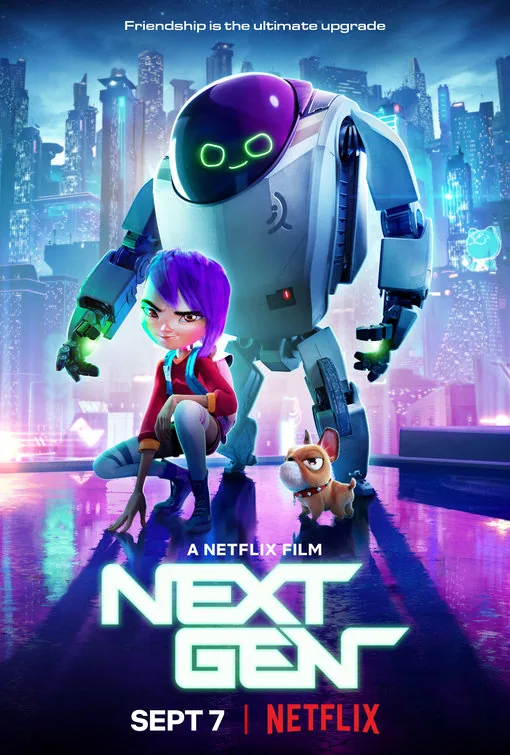
What changes Robot Dreams: gentle, episodic, quietly comic and reflective. Next Gen: action-led and character arc.
Mai feels isolated after her father leaves and her mother becomes deeply attached to household robots. When Mai encounters a powerful robot named 7723, their uneasy alliance grows into a friendship that challenges her assumptions about technology and care. Kevin R. Adams and Joe Ksander combine animated science-fiction action with a coming-of-age story, using a future city to explore how mechanical capability differs from trust and emotional presence.
Both share wordless animation, plus themes of acceptance.
Why this matches +
Genres: Animation / Drama
Shared film traits
Based on recorded story, mood and style. Your preferences can change the order.
Memory and identity · Family and care
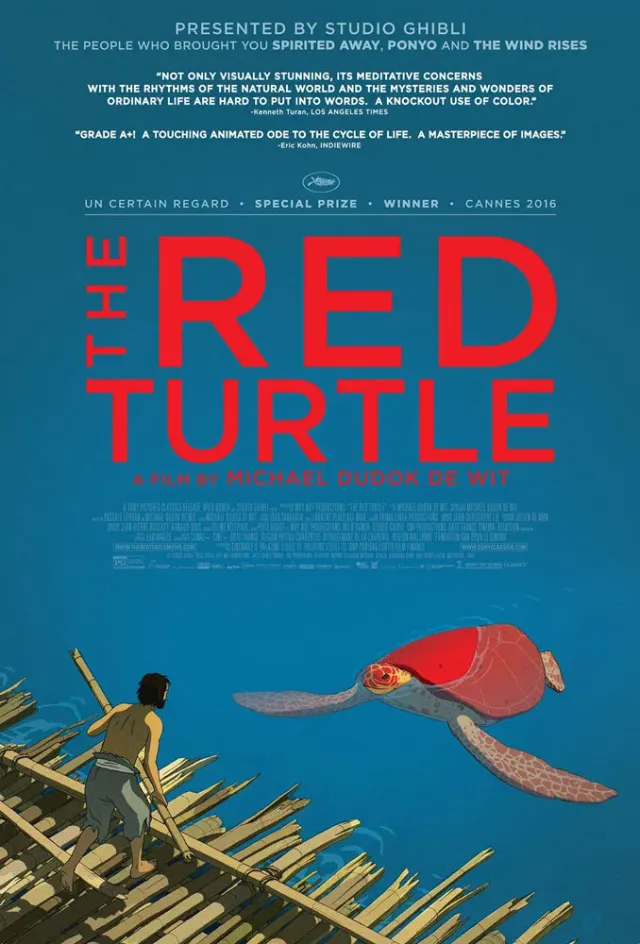
What changes Robot Dreams: gentle, episodic, quietly comic and reflective. The Red Turtle: quiet, contemplative and long-spanning.
A man is stranded on an uninhabited island after a storm and repeatedly tries to escape on rafts he builds from bamboo. An unseen force destroys each attempt, until he encounters a red turtle that changes the direction of his life. The island gradually becomes a place where he forms a family and watches the rhythms of nature and aging. Michael Dudok de Wit’s animated fable tells its story without spoken dialogue, using movement, sound and landscape instead.
Based on recorded story, mood and style. Your preferences can change the order.
Artificial life
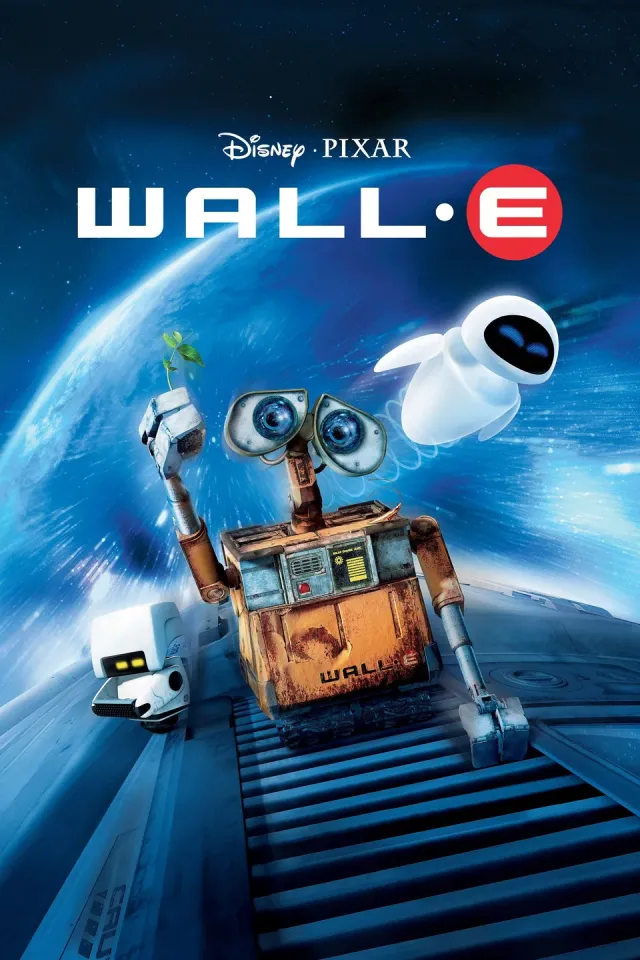
What changes Robot Dreams: gentle, episodic, quietly comic and reflective. WALL-E: measured.
A solitary waste-compacting robot continues working on an abandoned Earth, collecting objects that suggest kinds of companionship he has never experienced. The arrival of an advanced probe creates an attachment that carries him beyond the ruined planet to a population living inside an automated system of comfort. Small acts of attention and persistence become unexpectedly important to deciding whether that system can accommodate a different future.
Both share themes of memory, plus a tender atmosphere.
Why this matches +
Genres: Animation / Drama
Shared film traits
Based on recorded story, mood and style. Your preferences can change the order.
Memory and identity · Family and care
Expect tender and curious, with episodic and observational pacing.
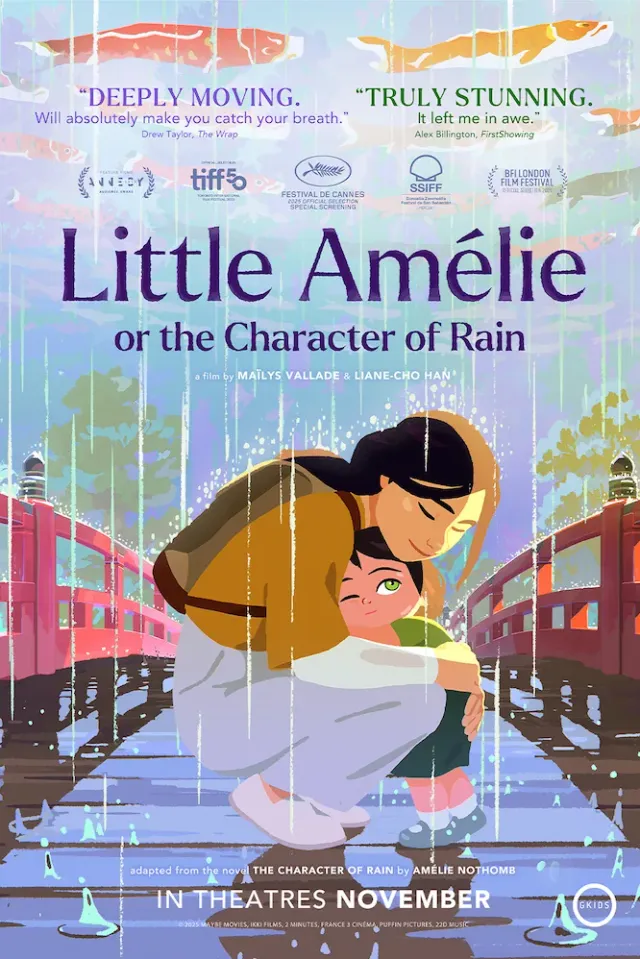
Based on Amélie Nothomb's autobiographical writing, the animated film follows a Belgian child living in Japan during her earliest years. At first she experiences the world through intense sensations and limited language, then gradually notices family relationships, customs and the meaning of being part of a household. The story turns early childhood into a vivid process of discovery, using a young child's point of view to connect personal memory with place.
Based on recorded story, mood and style. Your preferences can change the order.
What changes Robot Dreams: gentle, episodic, quietly comic and reflective. Luca: brisk.
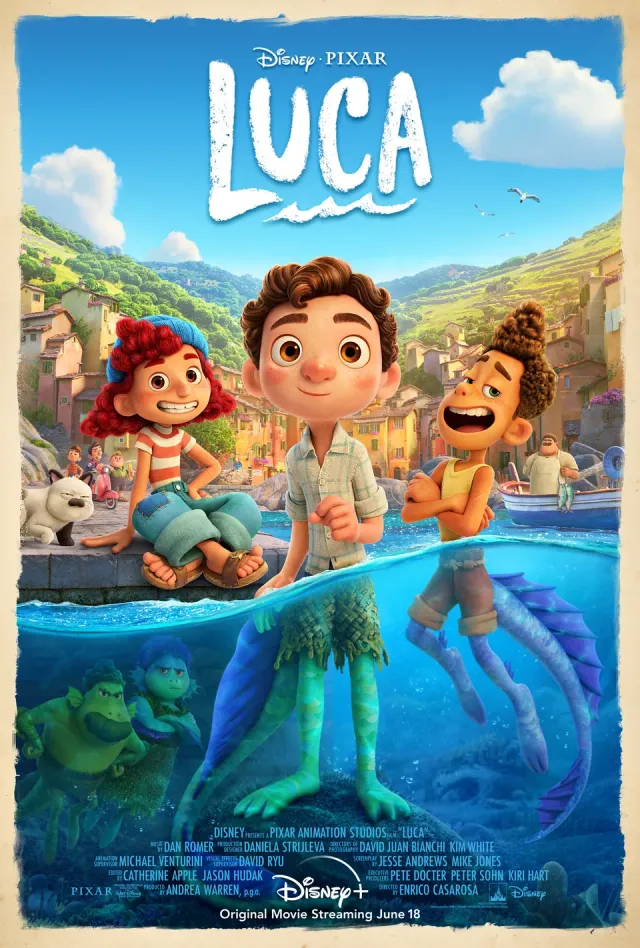
A young sea creature discovers that he can pass as human on land and joins a more confident friend in imagining a life of travel. A seaside town offers a race that might fund the dream, but also hostility toward the identity they conceal. A new friendship opens educational possibilities that threaten the first companion's fear of abandonment. The animated summer story makes belonging expansive only when it can withstand both disclosure and changed plans, rather than requiring two people to preserve a shared escape fantasy forever.
Based on recorded story, mood and style. Your preferences can change the order.
Memory and identity
What changes Robot Dreams: gentle, episodic, quietly comic and reflective. Tokyo Godfathers: episodic search, coincidental encounters and emotional christmas resolution.
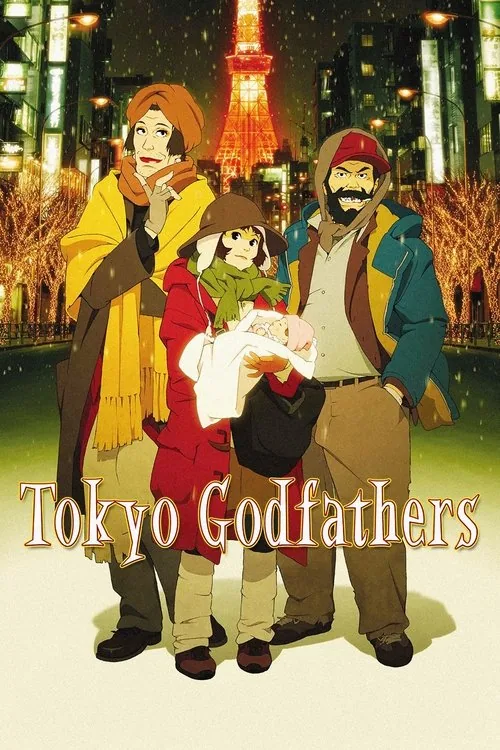
On Christmas Eve in Tokyo, three unhoused companions—Gin, Hana, and runaway teenager Miyuki—find a newborn among discarded belongings. They follow a few clues to identify the baby's parents and carry her through the city, encountering people connected to their own pasts along the way. Their search turns into a chain of coincidences, danger, and unlikely generosity. Satoshi Kon's animated drama uses a holiday structure for a humane urban adventure about chosen family, regret, and the possibility of returning a child to safety.
Based on recorded story, mood and style. Your preferences can change the order.
Artificial life
What changes Robot Dreams: gentle, episodic, quietly comic and reflective. All Dogs Go to Heaven: forward-moving and musical interludes.
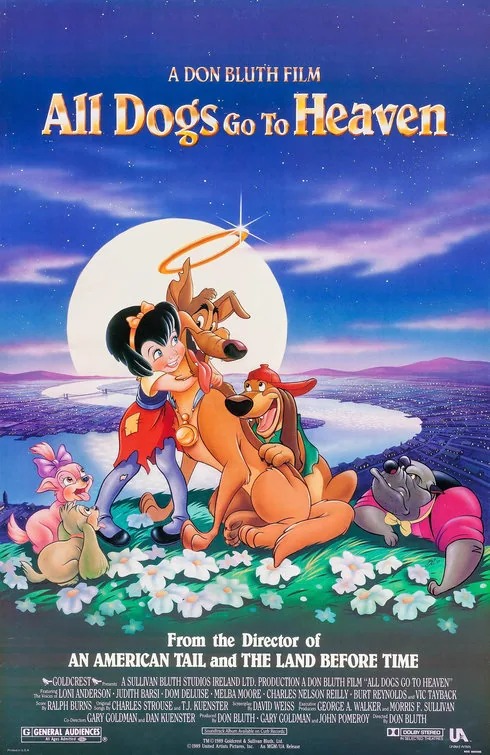
In 1930s New Orleans, streetwise dog Charlie is murdered by his former business partner but returns from the afterlife with a chance to change his fate. He meets orphaned girl Anne-Marie, whose ability to speak with animals makes her useful to a scheme involving a dog-racing contest. Charlie's growing attachment to her challenges his selfish habits and brings the prospect of redemption into an adventure about friendship and care.
Based on recorded story, mood and style. Your preferences can change the order.
What changes Robot Dreams: gentle, episodic, quietly comic and reflective. Isle of Dogs: episodic and escalating.
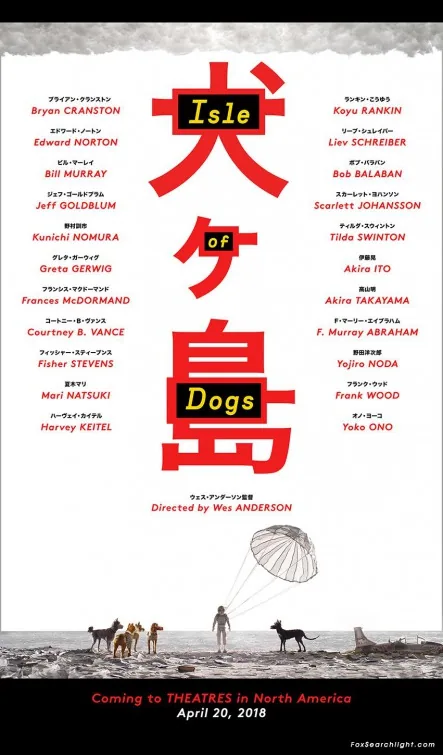
In a near-future Japanese city, a decree banishes dogs to an island landfill under the stated threat of canine disease. Atari flies there to find Spots, the bodyguard who was taken from him; a wary pack eventually accompanies the boy as a mainland conspiracy becomes clearer. Chief’s mistrust of humans and Atari’s determination make rescue a negotiated relationship rather than a simple act of ownership. Stop-motion precision, translated dog speech and stretches of untranslated Japanese make language access part of the film’s design. Those choices have drawn competing readings: they can expose how translation distributes power, while also leaving Japanese human characters with less access and interiority than the dogs. The fictional setting should be read as authored, mediated Japan, not as cultural documentation.
Based on recorded story, mood and style. Your preferences can change the order.
Artificial life
What changes Robot Dreams: gentle, episodic, quietly comic and reflective. Big Hero 6: fast.
A gifted adolescent drawn to informal robot competitions is introduced to a research community that offers a more constructive use for his abilities. After a devastating loss, an unfinished caregiving robot becomes both a companion and a potential tool in an investigation. Recruiting a group of young specialists turns grief into action, but the wish to punish someone responsible threatens to override the principles of care built into the machine helping him.
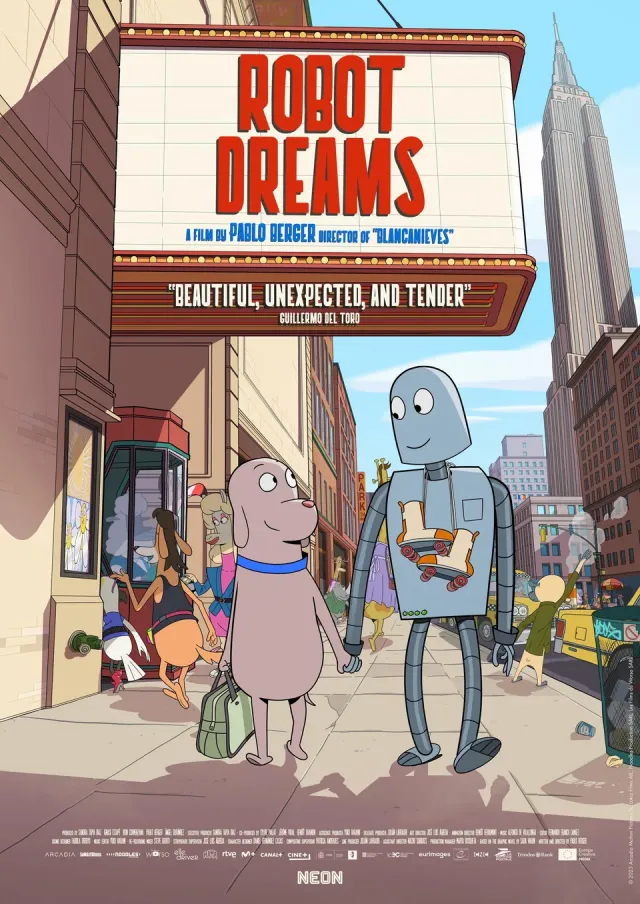
In an anthropomorphic 1980s Manhattan, a lonely dog orders a robot companion and builds a daily life around their shared walks, dancing and roller-skating. A trip to the beach leaves Robot immobilized by seawater, separating the friends for a year. Pablo Berger’s dialogue-free animated film follows Dog’s attempts to return and the private dreams each character experiences while their bond changes into something shaped by memory and acceptance.
What drives the story
Dog and Robot’s separation after a beach accident leads each through new routines and imagined reunions before they meet again.
The people at its centre
Dog and Robot learn to preserve a meaningful bond while accepting that a close friendship can change form over time.
What it feels like
Expressive silent animation and period music tell an emotionally precise friendship story with little spoken explanation.
Worth knowing
A gentle animated drama for viewers who enjoy visual storytelling, bittersweet friendships and city-life detail.