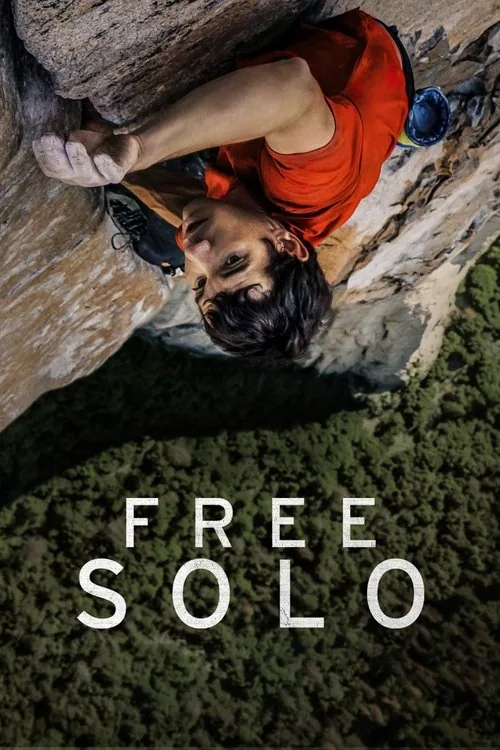
The documentary builds toward Honnold’s free solo ascent by showing the preparation and route decisions that precede it.
Why this matches +
These offer a related experience with a meaningful difference in story, tone, or presentation.
An adjacent discovery: a related idea with a different viewing experience.
Genres: Documentary / Sport
The approach A documentary treatment rather than a dramatic feature.
Shared film traits
Based on recorded story, mood and style. Your preferences can change the order.
Sport and competition
What changes A documentary follows an athlete’s extraordinary endurance challenge while attending to preparation, risk and the people supporting him.
Free Solo follows climber Alex Honnold as he prepares to climb El Capitan in Yosemite without ropes or protective equipment. The documentary tracks route practice, physical training, conversations with his partner and fellow climbers, and the filmmaking team’s own response to recording a potentially fatal attempt. The ascent becomes both a technical challenge and a test of how ambition affects relationships and risk. Elizabeth Chai Vasarhelyi and Jimmy Chin combine climbing footage with an intimate portrait of preparation and concentration.
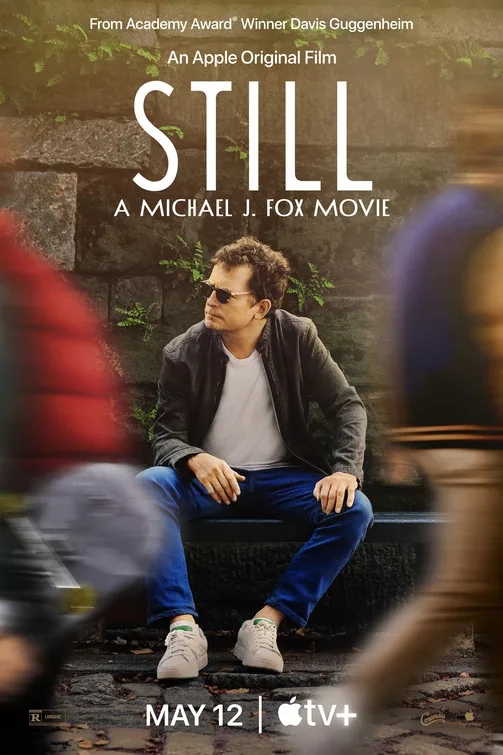
Fox narrates a life in performance while confronting Parkinson's and reconsidering how he has lived with it.
Why this matches +
These offer a related experience with a meaningful difference in story, tone, or presentation.
An adjacent discovery: a related idea with a different viewing experience.
Genres: Documentary / Biography
The approach A documentary treatment rather than a dramatic feature.
Shared film traits
Based on recorded story, mood and style. Your preferences can change the order.
What changes An archival documentary portrait of a Canadian public figure connects a visible career to illness and persistence in private life.
Michael J. Fox looks back on his childhood, acting career, family life and public advocacy while speaking candidly about living with Parkinson's disease. Davis Guggenheim combines a present-day interview with archival footage and dramatized images evoking Fox's memories and physical experience. The documentary moves between fame, illness, resilience and private relationships, showing how a familiar screen persona and a changing body coexist in one life.
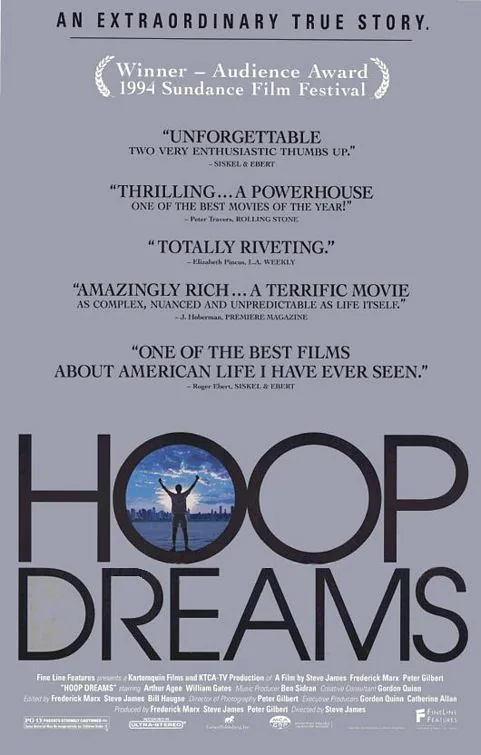
The boys’ athletic promise is tested by the practical demands of school, money, travel and family responsibilities.
Why this matches +
These offer a related experience with a meaningful difference in story, tone, or presentation.
An adjacent discovery: a related idea with a different viewing experience.
Genres: Documentary / Sports
The approach A documentary treatment rather than a dramatic feature.
Shared film traits
Based on recorded story, mood and style. Your preferences can change the order.
Sport and competition
What changes A sports documentary follows athletes and their communities over time, connecting individual ambition with broader social circumstances.
This documentary follows William Gates and Arthur Agee, two Black teenagers from Chicago recruited to pursue basketball at St. Joseph High School, a predominantly white school with a celebrated program. Their long commutes, family finances, academic demands and changing athletic prospects shape the years they spend trying to turn talent into a route toward college and a professional career. The film stays with both young men and their families as injuries, recruitment and setbacks change what seems possible. Basketball remains central, but the story widens into a portrait of schooling, opportunity and the unequal costs of chasing a dream.
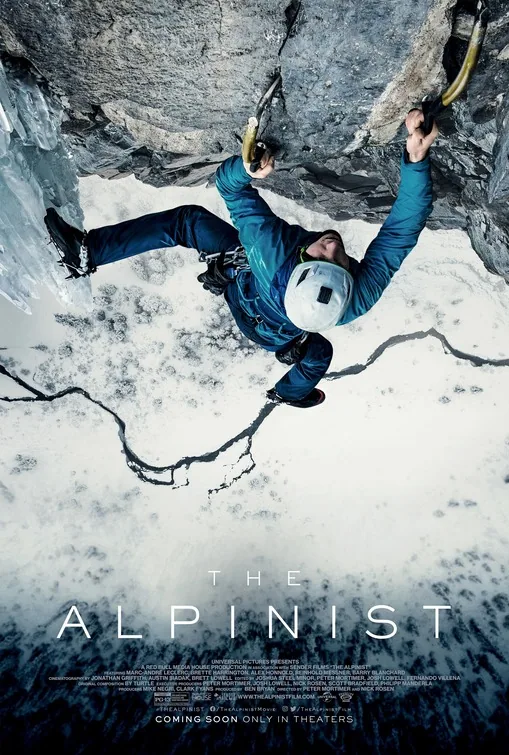
The documentary follows Leclerc’s solo climbing while trying to understand a motivation that does not depend on fame or records.
Why this matches +
These offer a related experience with a meaningful difference in story, tone, or presentation.
An adjacent discovery: a related idea with a different viewing experience.
Genres: Documentary
The approach A documentary treatment rather than a dramatic feature.
Shared film traits
Based on recorded story, mood and style. Your preferences can change the order.
Sport and competition
What changes A documentary portrait considers the physical and personal stakes of a Canadian athlete’s demanding pursuit; solo climbing.
The filmmakers follow Canadian climber Marc-André Leclerc as he pursues difficult solo ascents on rock, ice and remote alpine routes. Leclerc’s low-profile approach resists the attention the camera brings, leaving the crew to document a climber who often prefers to move without an audience. The resulting portrait combines the practical danger of mountaineering with questions about solitude, risk and why he climbs.
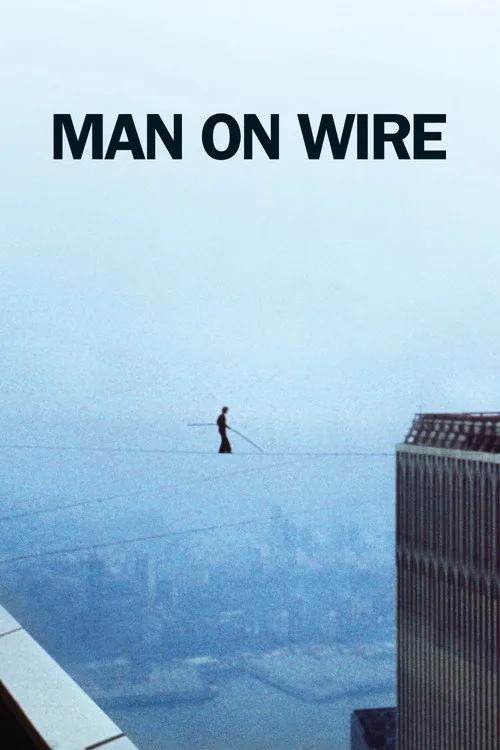
Petit and his collaborators secretly prepare a high-wire crossing between the Twin Towers and carry it out at dawn.
Why this matches +
These offer a related experience with a meaningful difference in story, tone, or presentation.
An adjacent discovery: a related idea with a different viewing experience.
Genres: Documentary / Biography
The approach A documentary treatment rather than a dramatic feature.
Shared film traits
Based on recorded story, mood and style. Your preferences can change the order.
Sport and competition
What changes Archival material and testimony reconstruct a remarkable physical undertaking and the collaborators who helped make it possible.
French high-wire artist Philippe Petit recalls how he and a small group of collaborators planned to string a cable between the World Trade Center towers and cross it without authorization. Through interviews, archival footage, and staged reconstructions, the documentary follows months of preparation, the covert installation, and the morning Petit stepped onto the wire. The feat is presented as both an audacious act of performance and the result of careful teamwork, risk, patience, and a singular artistic obsession.
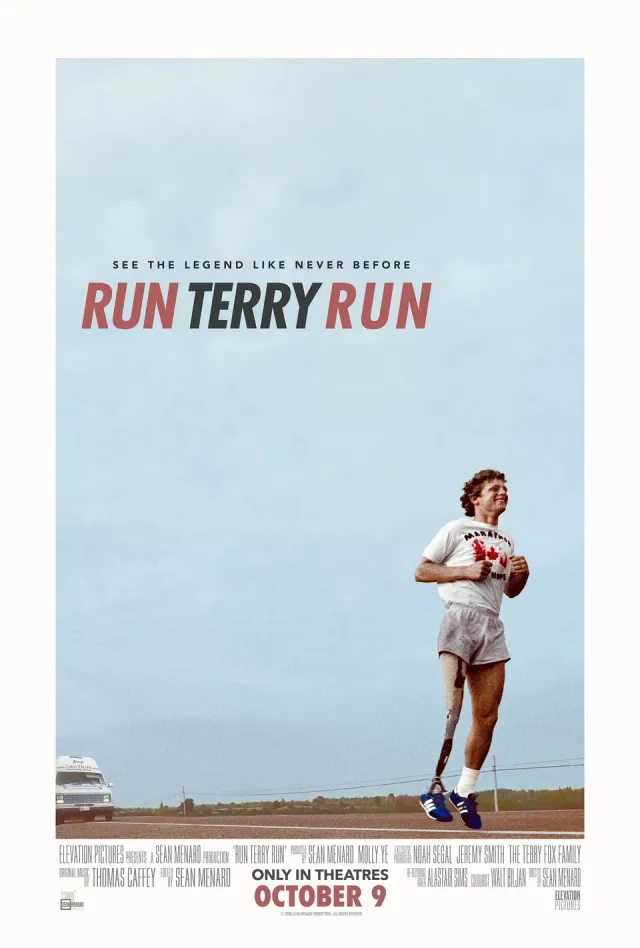
Sean Menard's documentary returns to Terry Fox's 1980 Marathon of Hope through archival material and a renewed look at the people and communities around the run. Rather than treating endurance as an abstract inspirational slogan, the film brings a widely remembered public event back to specific roads, footage, voices, and acts of support. Its retrospective structure considers how an individual campaign became part of Canadian public memory while keeping Fox's physical effort and stated purpose in view.
What drives the story
Archival footage and recollections retrace Terry Fox's Marathon of Hope and show how a personal run became a shared public event.
The people at its centre
Fox's determination sits alongside the people who encountered, supported, and remembered the run, widening the portrait beyond a solitary hero.
What it feels like
The documentary favors accumulated testimony and historical images over suspense, inviting viewers to revisit a known story through its human details.
Worth knowing
Its strength is documentary remembrance of a real campaign, not a fictional sports comeback built around a manufactured final contest.