Holly's performance of freedom becomes harder to sustain as affection exposes the financial arrangements and history behind her reinvention. The romantic resolution arrives faster than the film resolves her economic dependence.
Why this matches +
Selected for the central appeal: Elegant romantic comedies about class differences, transformation and unexpectedly complicated courtship.
Genres: Romance / Comedy
Shared film traits
Based on recorded story, mood and style. Your preferences can change the order.
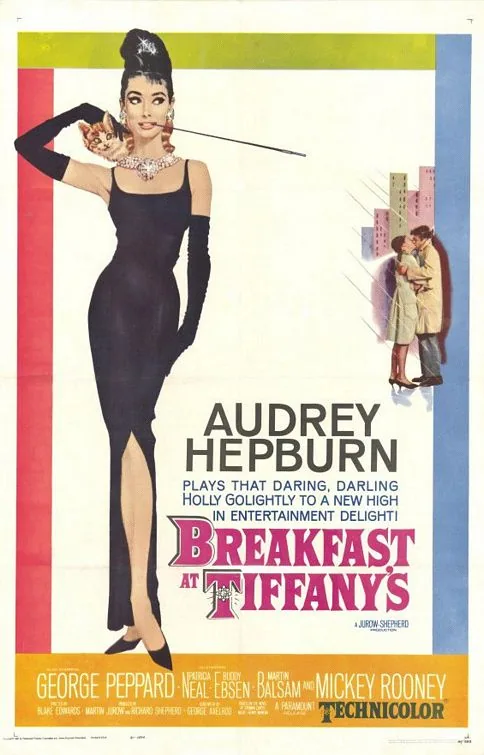
What changes Breakfast at Tiffany's pairs a stylish city romance with questions of wealth, status and emotional honesty.
Paul, a writer with his own wealthy patron, becomes fascinated by Holly Golightly, whose polished independence depends partly on attention and material support from men. Their closeness exposes her efforts to escape a past and social position she refuses to name, while the film gives romance a power to settle tensions it has not fully examined. Audrey Hepburn's glamour and the Manhattan fantasy coexist with paid dependence and the racist caricature of Mr. Yunioshi. Acknowledging that image does not require erasing the film's influence or presenting it without context. Holly's cat and the 'mean reds' reveal how much of her freedom is still unsettled.
An unlikely romance develops through repeated encounters and separations as public scrutiny turns ordinary mistakes into unusually consequential breaches of trust.
Why this matches +
Selected for the central appeal: Elegant romantic comedies about class differences, transformation and unexpectedly complicated courtship.
Genres: Drama / Romance
Shared film traits
Based on recorded story, mood and style. Your preferences can change the order.
What changes Notting Hill follows a romance across a pronounced social divide, complicated by public image and awkward timing.
A London bookseller's chance encounter with a famous American actress develops into an intimacy neither can keep separate from her public identity. His friends provide an ordinary social world in which she can briefly relax, but the press, existing relationships and mutual misunderstandings repeatedly intrude. Each reunion asks whether a private connection can survive unequal exposure and whether self-protection has become another way of refusing vulnerability.
A working-class teen navigates a romance across a class divide while preparing for an emotionally charged prom.
Why this matches +
These offer a related experience with a meaningful difference in story, tone, or presentation.
An adjacent discovery: a related idea with a different viewing experience.
Genres: Comedy / Romance
Shared film traits
Based on recorded story, mood and style. Your preferences can change the order.
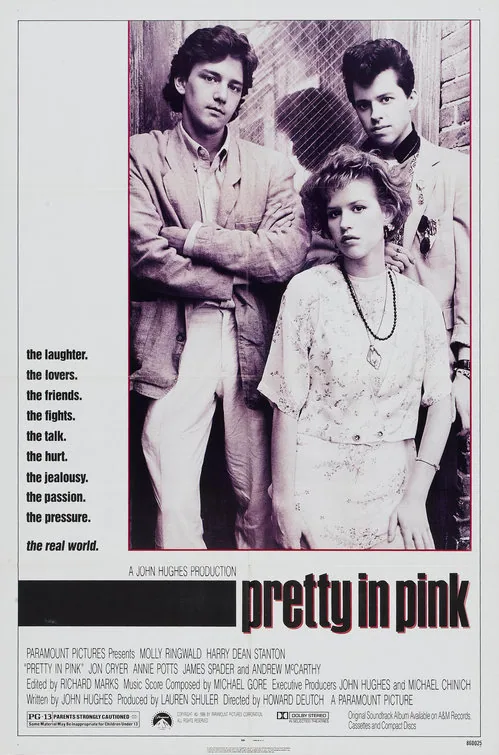
What changes Pretty in Pink follows a young woman navigating romance and class differences around a wealthy suitor.
High-school senior Andie Walsh builds her style and sense of independence on a limited budget, with support from her friend Duckie. When she begins dating wealthy classmate Blane, their attraction is tested by the expectations of their different social circles. The approaching prom concentrates the conflict, forcing Andie to decide whether romance can coexist with self-respect and the friendships that sustain her.
The sisters’ reduced income makes courtship a material question, and the contrast between Elinor’s caution and Marianne’s candor drives parallel romantic disappointments.
Why this matches +
These offer a related experience with a meaningful difference in story, tone, or presentation.
An adjacent discovery: a related idea with a different viewing experience.
Genres: Drama / Romance
Shared film traits
Based on recorded story, mood and style. Your preferences can change the order.
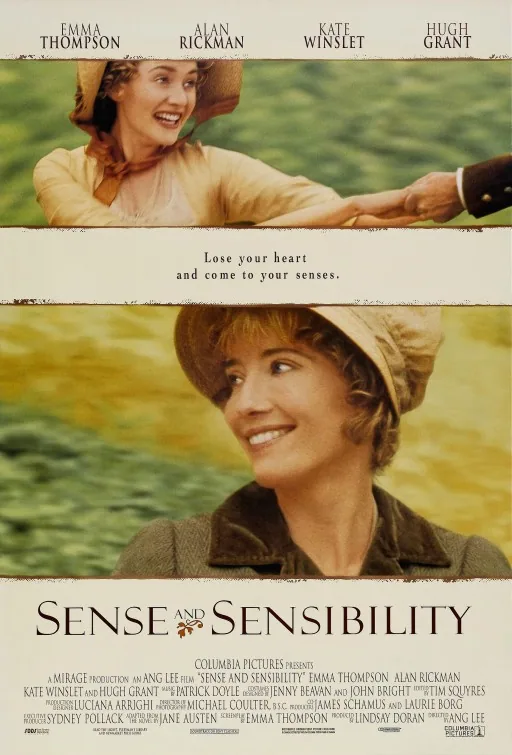
What changes Sense and Sensibility explores romantic choices constrained by wealth, inheritance and social expectations.
When Henry Dashwood dies, his widow and daughters Elinor, Marianne and Margaret lose the home and security they expected because the estate passes to his son and his wife Fanny. A relative offers them a modest cottage, where Marianne falls quickly for the charming Willoughby while the reserved Elinor hides her feelings for Edward Ferrars. Both sisters face disappointment shaped by money, manners and the limited choices available to women with little property. Their different temperaments do not map neatly onto wisdom and foolishness: each must learn how restraint and openness can protect or expose her.
A planned marriage is disrupted when the bride-to-be meets her fiancé's estranged brother and begins to imagine another future.
Why this matches +
These offer a related experience with a meaningful difference in story, tone, or presentation.
An adjacent discovery: a related idea with a different viewing experience.
Genres: Comedy / Romance
Shared film traits
Based on recorded story, mood and style. Your preferences can change the order.
What changes Moonstruck follows a woman whose planned engagement is complicated by an unexpected attraction within the same family.
Widowed Brooklyn bookkeeper Loretta Castorini agrees to marry Johnny Cammareri, then meets his passionate younger brother Ronny when Johnny asks her to bring him to the wedding. The encounter unsettles her practical plans and draws the wider Castorini family into its own questions about love, loyalty and disappointment. Norman Jewison's romantic comedy lets opera, moonlit streets and crowded family meals give ordinary choices a slightly enchanted scale without making the characters less recognizable.
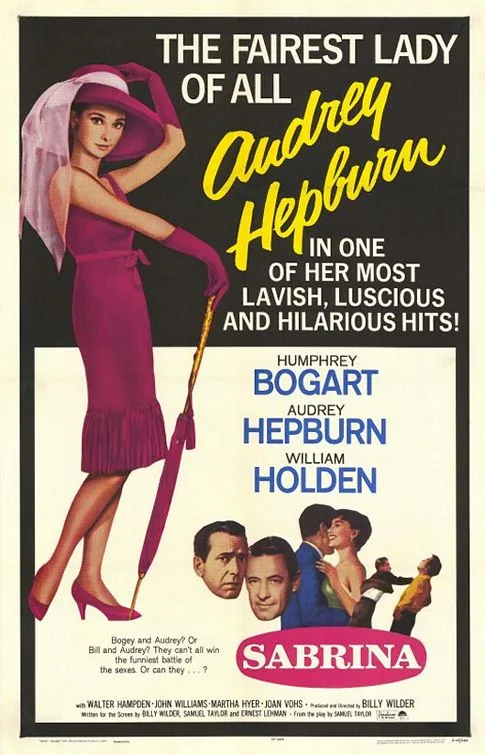
Sabrina Fairchild, the chauffeur’s daughter on the wealthy Larrabee estate, has long loved David, the charming playboy who has barely noticed her. After she leaves for culinary school in Paris, she returns with new confidence just as David’s engagement to Elizabeth Tyson becomes essential to a business merger. David’s older brother Linus tries to redirect Sabrina’s attention so the deal can proceed, first treating romance as another negotiation and then discovering that his own emotional distance is less secure than he assumed. The story’s class imbalance remains present beneath its elegant love-triangle comedy.
What drives the story
The planned merger makes David’s engagement a corporate arrangement, so Linus’s attempt to manage Sabrina’s feelings begins as damage control and grows into a genuine conflict of interest.
The people at its centre
Sabrina wants to be seen as an adult rather than the chauffeur’s child; Linus’s calculating self-control is unsettled by the affection he first meant to redirect.
What it feels like
Parisian polish, tailored rooms and restrained comic timing turn shifts in status into the film’s visual language; the romance advances through glances and carefully staged social encounters.
Worth knowing
A fit for poised romantic comedies about class and guarded adults; its courtship is built on a knowingly old-fashioned studio style rather than contemporary relationship realism.
Self-discoveryClassRomance
Mood
Wry · Elegant · Tender
Pacing
Measured · Conversational · Gradually shifting
Visual style
Classic studio framing · Polished interiors · Restrained close-ups
Storytelling
Cross-class courtship · Love triangle · Corporate maneuvering