Emma’s matchmaking creates the misunderstandings that help reveal what she has overlooked about others.
Why this matches +
Selected for the central appeal: Period romances about sisters, financial insecurity and choices constrained by social conventions.
Genres: Comedy / Romance
Shared film traits
Based on recorded story, mood and style. Your preferences can change the order.
What changes Emma shares Austen's attention to marriage, class and the consequences of mistaken romantic judgments.
Emma Woodhouse believes she is skilled at arranging other people’s romantic lives, particularly the fortunes of her new friend Harriet Smith. Her confident matchmaking repeatedly misreads class, attraction and intention, while her own feelings become clearer only through mistakes. Autumn de Wilde’s adaptation of Jane Austen’s novel uses a bright, formal visual style to examine social position, self-knowledge and the limits of benevolent meddling.
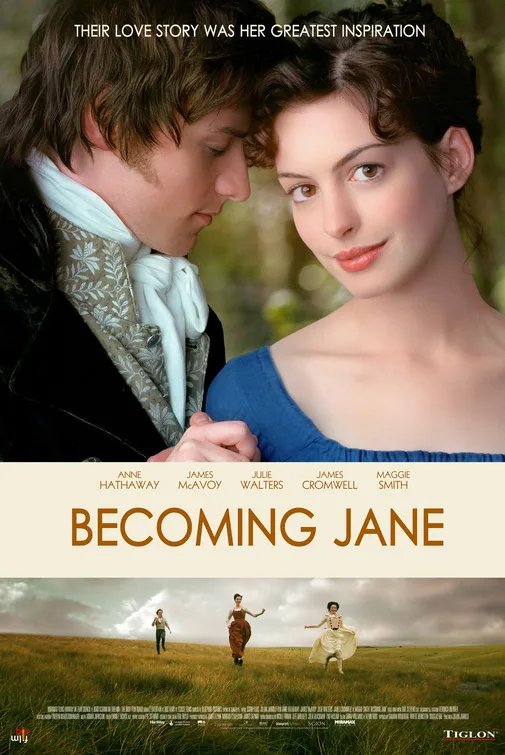
Jane’s effort to develop as a writer is shaped by the same social constraints that complicate her prospects for love.
Why this matches +
Selected for the central appeal: Period romances about sisters, financial insecurity and choices constrained by social conventions.
Genres: Biography / Drama
Shared film traits
Based on recorded story, mood and style. Your preferences can change the order.
What changes Becoming Jane follows a young woman's romantic choices under the pressures of money and family expectations.
As a young woman in late eighteenth-century England, Jane Austen pursues a life of writing while facing expectations around money, family and marriage. Her connection with aspiring lawyer Tom Lefroy challenges both of their plans, but affection alone cannot resolve the practical limits around them. The period romance imagines a formative relationship and places artistic independence beside social constraint.
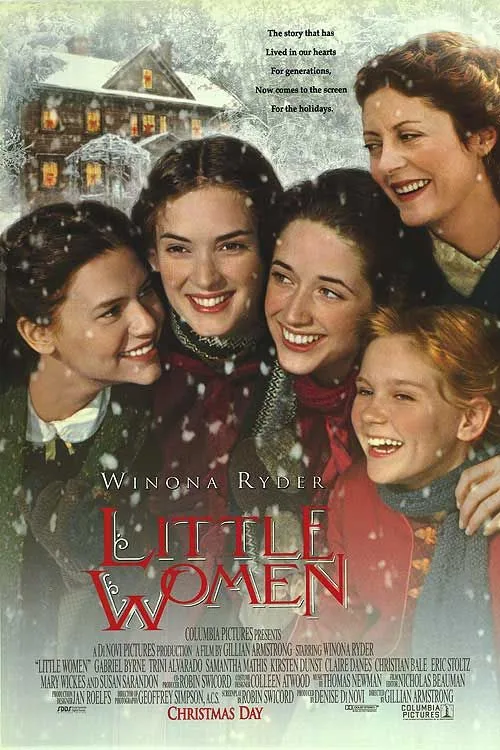
The March sisters face different futures as their household moves from childhood into adulthood.
Why this matches +
Selected for the central appeal: Period romances about sisters, financial insecurity and choices constrained by social conventions.
Genres: Comedy / Drama
Shared film traits
Based on recorded story, mood and style. Your preferences can change the order.
What changes Little Women follows sisters with different temperaments balancing family responsibilities, money and romantic expectations.
The four March sisters grow up in New England during the Civil War, building a family life shaped by money worries, illness, ambition, and affection. Jo resists the narrow roles offered to women and pursues a future as a writer, while Meg, Beth, and Amy make different choices about work, love, and independence. Their changing relationships hold the story together as childhood gives way to adult responsibility.
A chance meeting in Italy gives Lucy a new view of love that she must reconcile with the expectations waiting at home.
Why this matches +
These offer a related experience with a meaningful difference in story, tone, or presentation.
An adjacent discovery: a related idea with a different viewing experience.
Genres: Drama / Romance
Shared film traits
Based on recorded story, mood and style. Your preferences can change the order.
What changes A Room with a View follows a young woman navigating restrictive manners and competing romantic possibilities.
During a visit to Florence, young Englishwoman Lucy Honeychurch meets George Emerson, whose openness unsettles the formal expectations of her companions. Back in England, Lucy becomes engaged to the socially polished Cecil Vyse, but her feelings and ideas about independence remain unresolved. As family and friends try to guide her, the contrast between travel and home exposes the limits of a respectable match and the cost of choosing a life for oneself.
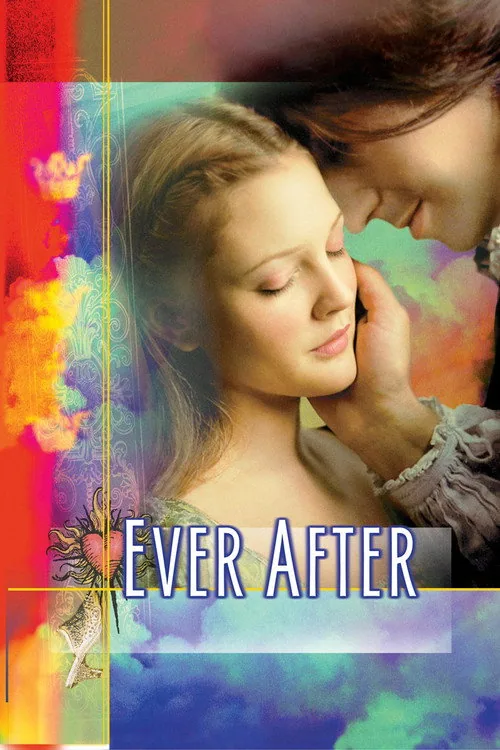
Danielle’s repeated efforts to make choices for herself bring her into conflict with the household hierarchy and closer to Henry.
Why this matches +
These offer a related experience with a meaningful difference in story, tone, or presentation.
An adjacent discovery: a related idea with a different viewing experience.
Genres: Romance / Drama
Shared film traits
Based on recorded story, mood and style. Your preferences can change the order.
What changes Ever After follows a heroine whose future is constrained by family property and social status.
In sixteenth-century France, Danielle de Barbarac grows up under the control of her stepmother, Rodmilla, and is treated as a servant alongside her stepsisters. Her intelligence, education, and directness bring her into contact with Prince Henry, who is considering a politically arranged marriage. When a fellow servant is threatened with sale, Danielle takes a risky step that draws the royal court into her household’s private struggle. This romantic retelling reframes a familiar fairy tale through class, agency, and courtship.
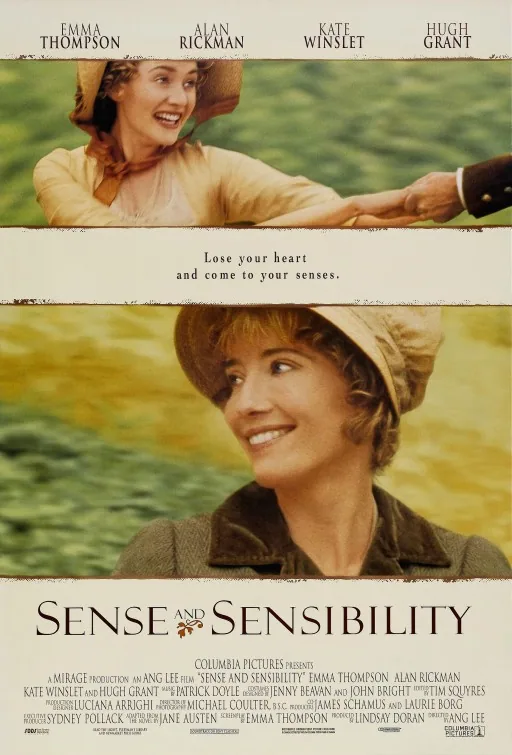
When Henry Dashwood dies, his widow and daughters Elinor, Marianne and Margaret lose the home and security they expected because the estate passes to his son and his wife Fanny. A relative offers them a modest cottage, where Marianne falls quickly for the charming Willoughby while the reserved Elinor hides her feelings for Edward Ferrars. Both sisters face disappointment shaped by money, manners and the limited choices available to women with little property. Their different temperaments do not map neatly onto wisdom and foolishness: each must learn how restraint and openness can protect or expose her.
What drives the story
The sisters’ reduced income makes courtship a material question, and the contrast between Elinor’s caution and Marianne’s candor drives parallel romantic disappointments.
The people at its centre
Elinor protects others by concealing her own pain, while Marianne’s emotional directness leaves her vulnerable to a man who does not share her expectations.
What it feels like
English country houses, visits and letters let small changes in etiquette carry large consequences; the period comedy gradually gives way to illness and quiet reconciliation.
Worth knowing
A fit for restrained period romance built around money, reputation and sisterhood; it is not interchangeable with modern love triangles or purely sentimental melodrama.
SisterhoodClassEmotional restraint
Mood
Witty · Tender · Reflective
Pacing
Measured · Conversational · Gradually resolving
Visual style
English country houses · Costume detail · Restrained framing
Storytelling
Period courtship · Inheritance conflict · Parallel romances