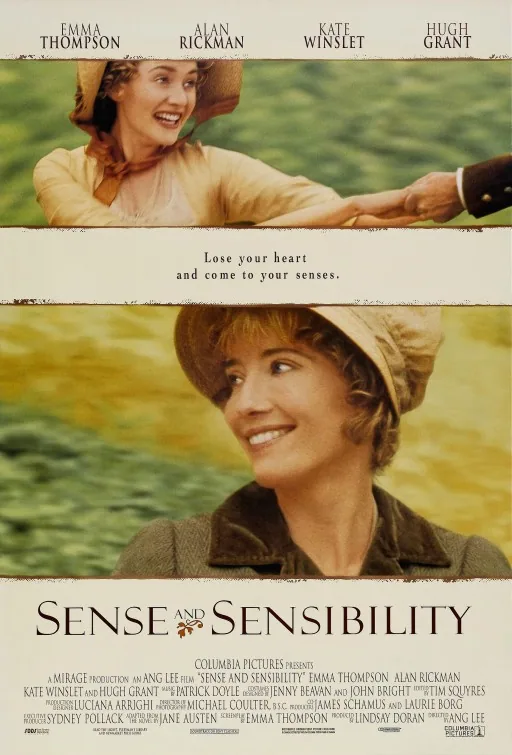
The sisters’ reduced income makes courtship a material question, and the contrast between Elinor’s caution and Marianne’s candor drives parallel romantic disappointments.
Why this matches +
These offer a related experience with a meaningful difference in story, tone, or presentation.
An adjacent discovery: a related idea with a different viewing experience.
Genres: Drama / Romance
Shared film traits
Based on recorded story, mood and style. Your preferences can change the order.
What changes Jane Austen's social world frames romantic misunderstandings, class expectations and sisters navigating constrained choices.
When Henry Dashwood dies, his widow and daughters Elinor, Marianne and Margaret lose the home and security they expected because the estate passes to his son and his wife Fanny. A relative offers them a modest cottage, where Marianne falls quickly for the charming Willoughby while the reserved Elinor hides her feelings for Edward Ferrars. Both sisters face disappointment shaped by money, manners and the limited choices available to women with little property. Their different temperaments do not map neatly onto wisdom and foolishness: each must learn how restraint and openness can protect or expose her.
A chance meeting in Italy gives Lucy a new view of love that she must reconcile with the expectations waiting at home.
Why this matches +
These offer a related experience with a meaningful difference in story, tone, or presentation.
An adjacent discovery: a related idea with a different viewing experience.
Genres: Drama / Romance
Shared film traits
Based on recorded story, mood and style. Your preferences can change the order.
What changes A young woman negotiates romance, social convention and self-discovery in a carefully observed period setting.
During a visit to Florence, young Englishwoman Lucy Honeychurch meets George Emerson, whose openness unsettles the formal expectations of her companions. Back in England, Lucy becomes engaged to the socially polished Cecil Vyse, but her feelings and ideas about independence remain unresolved. As family and friends try to guide her, the contrast between travel and home exposes the limits of a respectable match and the cost of choosing a life for oneself.
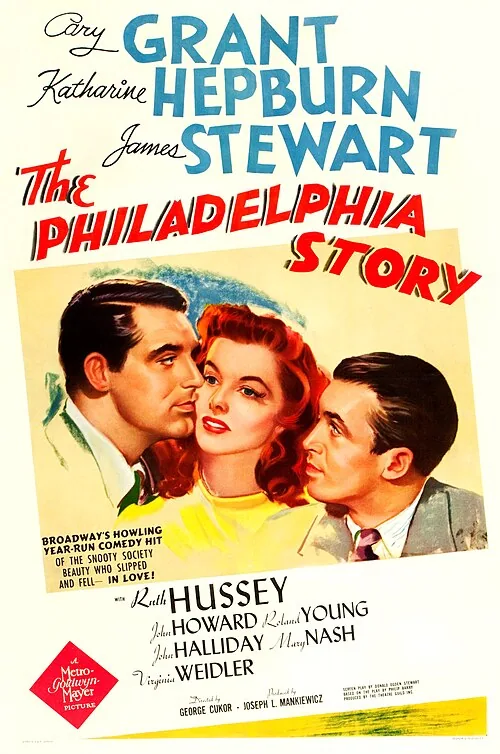
A tabloid's access to a high-society wedding disrupts Tracy's plans and places her among three men who see different versions of her.
Why this matches +
These offer a related experience with a meaningful difference in story, tone, or presentation.
An adjacent discovery: a related idea with a different viewing experience.
Genres: Romance / Comedy
Shared film traits
Based on recorded story, mood and style. Your preferences can change the order.
What changes A socially privileged woman reassesses her assumptions about herself and her relationships during a comedy of romantic misunderstandings.
Socialite Tracy Lord is preparing to marry George Kittredge when her ex-husband Dexter returns with reporter Mike Connor and photographer Liz Imbrie, who plan to cover the wedding for a gossip magazine. Tracy agrees to host them partly to protect her family's reputation, but the reporters' presence and Dexter's familiarity unsettle her carefully managed image. As the wedding approaches, Mike's writing, George's idealized view of Tracy and her unresolved feelings for Dexter pull her in different directions. A late-night party and a misunderstanding expose the gap between the poised woman people expect and the person she is allowed to be. George Cukor's comedy makes romantic choice depend on self-knowledge, not simply on which suitor arrives first.
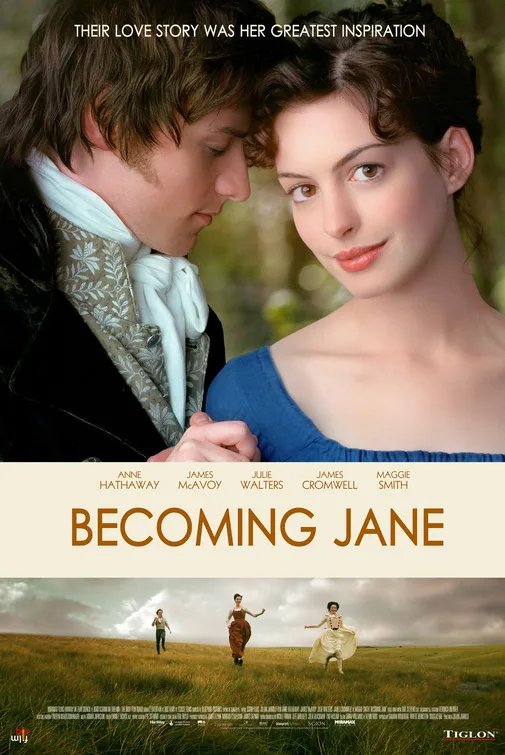
Jane’s effort to develop as a writer is shaped by the same social constraints that complicate her prospects for love.
Why this matches +
These offer a related experience with a meaningful difference in story, tone, or presentation.
An adjacent discovery: a related idea with a different viewing experience.
Genres: Biography / Drama
Shared film traits
Based on recorded story, mood and style. Your preferences can change the order.
What changes Romance and social expectations shape a young Jane Austen's choices in a period drama about love and independence.
As a young woman in late eighteenth-century England, Jane Austen pursues a life of writing while facing expectations around money, family and marriage. Her connection with aspiring lawyer Tom Lefroy challenges both of their plans, but affection alone cannot resolve the practical limits around them. The period romance imagines a formative relationship and places artistic independence beside social constraint.
A skeptical magician tries to reveal whether a celebrated medium is performing a deception.
Why this matches +
These offer a related experience with a meaningful difference in story, tone, or presentation.
An adjacent discovery: a related idea with a different viewing experience.
Genres: Comedy / Romance
Shared film traits
Based on recorded story, mood and style. Your preferences can change the order.
What changes A period romantic comedy uses social performance and mistaken judgments to bring a skeptical protagonist toward self-knowledge.
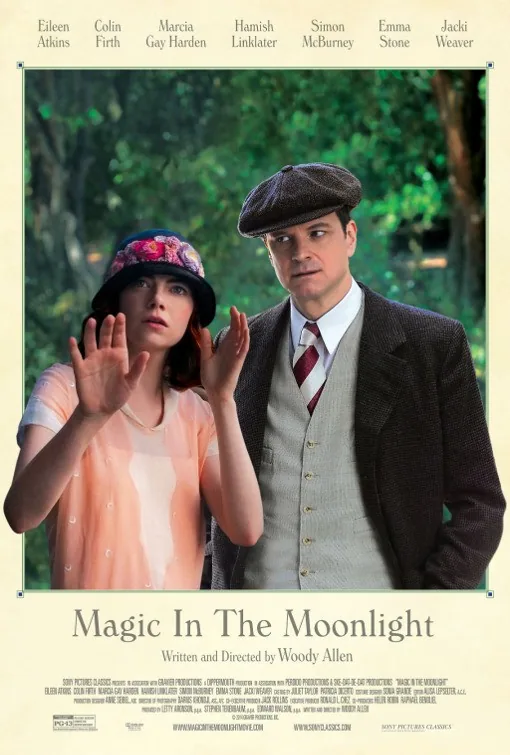
In 1920s France, stage magician Stanley Crawford is asked to expose Sophie Baker, a young medium whose séances have impressed a wealthy family. Stanley arrives certain that he can explain every trick, but the investigation challenges his skepticism and the certainty he brings to his relationships. Woody Allen's romantic comedy frames rationality as both a professional identity and a defense against wonder, using a sunlit period setting for a debate about belief and love.
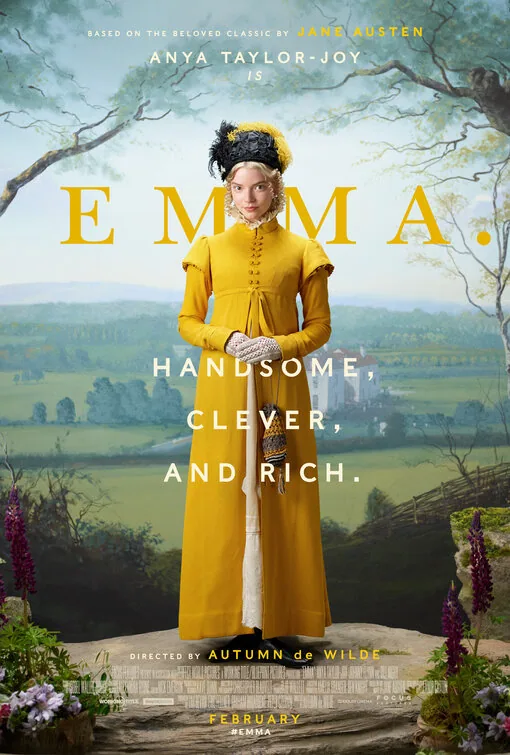
Emma Woodhouse believes she is skilled at arranging other people’s romantic lives, particularly the fortunes of her new friend Harriet Smith. Her confident matchmaking repeatedly misreads class, attraction and intention, while her own feelings become clearer only through mistakes. Autumn de Wilde’s adaptation of Jane Austen’s novel uses a bright, formal visual style to examine social position, self-knowledge and the limits of benevolent meddling.
What drives the story
Emma’s matchmaking creates the misunderstandings that help reveal what she has overlooked about others.
The people at its centre
Her friendship with Harriet is affectionate but shaped by unequal social assumptions.
What it feels like
The stylized interiors and precise framing make etiquette feel both beautiful and restrictive.
Worth knowing
It is a period adaptation of Austen’s Emma, not a modern high-school retelling.