Emma’s matchmaking creates the misunderstandings that help reveal what she has overlooked about others.
Why this matches +
Selected for the central appeal: Sophisticated romantic comedies about a wedding, public appearances and competing suitors.
Genres: Comedy / Romance
Shared film traits
Based on recorded story, mood and style. Your preferences can change the order.
What changes Emma follows romantic misunderstandings and the slow recognition of one's own feelings within a privileged social circle.
Emma Woodhouse believes she is skilled at arranging other people’s romantic lives, particularly the fortunes of her new friend Harriet Smith. Her confident matchmaking repeatedly misreads class, attraction and intention, while her own feelings become clearer only through mistakes. Autumn de Wilde’s adaptation of Jane Austen’s novel uses a bright, formal visual style to examine social position, self-knowledge and the limits of benevolent meddling.
Two professional bets give a new couple opposing objectives, turning each failed tactic into another reason the relationship continues until its hidden premises are exposed.
Why this matches +
These offer a related experience with a meaningful difference in story, tone, or presentation.
An adjacent discovery: a related idea with a different viewing experience.
Genres: Comedy / Romance
Shared film traits
Based on recorded story, mood and style. Your preferences can change the order.
What changes How to Lose a Guy in 10 Days follows romantic attraction complicated by concealed professional motives.
A magazine writer tries to produce a breakup for an assignment while an advertising executive bets that he can make a woman fall in love with him. Their colleagues arrange a pairing in which each mistakes the other's strategic persistence for an inexplicable personality trait. Private warmth emerges inside behavior designed for opposite outcomes, making disclosure a threat to both professional plans and genuine attachment. The romantic comedy relies on the audience knowing the incompatible projects that the couple conceals from each other.
A father's anxiety about his daughter's wedding makes ordinary planning feel like a major life transition.
Why this matches +
These offer a related experience with a meaningful difference in story, tone, or presentation.
An adjacent discovery: a related idea with a different viewing experience.
Genres: Comedy / Romance
Shared film traits
Based on recorded story, mood and style. Your preferences can change the order.
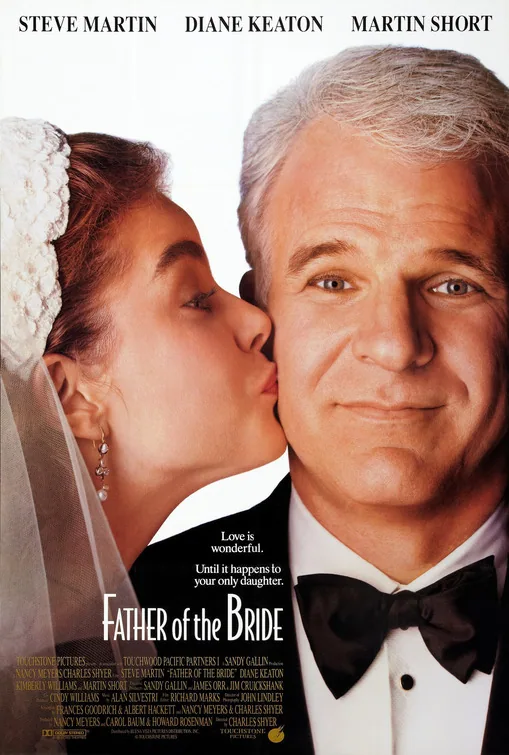
What changes Father of the Bride turns wedding preparations into a comic examination of family expectations.
George Banks thinks he is prepared for change until his daughter Annie announces that she is engaged and the wedding becomes a family project. As he worries about money, planning, and losing his place in her life, the preparations stretch his patience and expose how much of his identity is tied to being needed. The story turns a familiar celebration into a gentle comic negotiation between parental love and adult independence.
Ike’s assignment begins with a false story, and his interviews expose how Maggie’s pattern of pleasing partners has shaped each almost-marriage.
Why this matches +
These offer a related experience with a meaningful difference in story, tone, or presentation.
An adjacent discovery: a related idea with a different viewing experience.
Genres: Comedy / Drama
Shared film traits
Based on recorded story, mood and style. Your preferences can change the order.
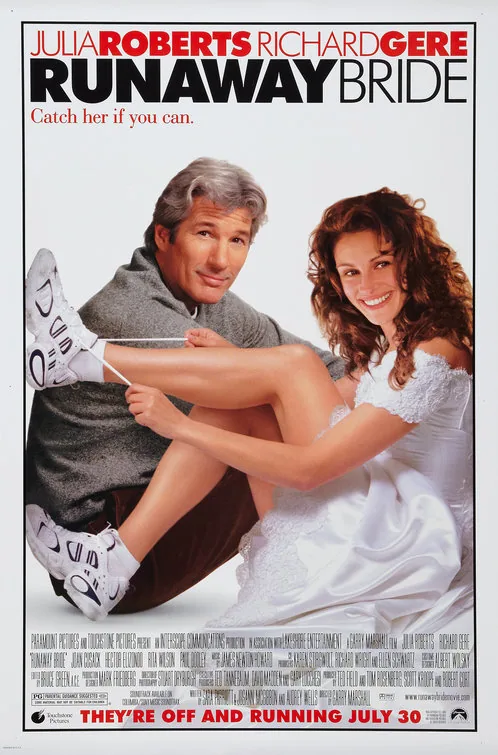
What changes Runaway Bride examines wedding expectations and a woman's struggle to understand what she wants.
New York columnist Ike Graham writes a mocking story about Maggie Carpenter, who has left several fiancés at the altar, but his article contains errors and costs him his job. Given another chance, he travels to Maggie’s Maryland hometown to report on her upcoming wedding and prove that she is as unreliable as the first story suggested. His interviews reveal that Maggie has adopted the interests and tastes of each fiancé rather than deciding what she likes herself. Ike and Maggie grow close, but his intrusive reporting and her uncertainty disrupt their own wedding plans. After time apart, Maggie returns with a clearer sense of herself and makes a new proposal.
Sean's attempt to avoid violence collides with Mary Kate's demand that her brother respect her dowry and with the village's courtship conventions.
Why this matches +
These offer a related experience with a meaningful difference in story, tone, or presentation.
An adjacent discovery: a related idea with a different viewing experience.
Genres: Drama / Romance
Shared film traits
Based on recorded story, mood and style. Your preferences can change the order.
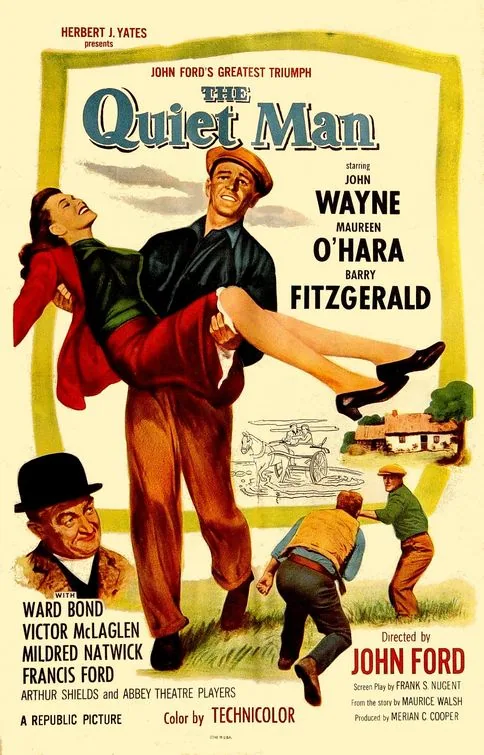
What changes The Quiet Man blends courtship, community scrutiny and comic conflict over marriage.
Sean Thornton returns from America to the Irish village where he was born, hoping to leave behind a career as a boxer and live quietly. He falls for Mary Kate Danaher, but her brother Will opposes the match and retains her dowry, treating it as a matter of family honor. Sean's reluctance to fight frustrates Mary Kate and clashes with local expectations that a husband should assert himself physically. Friends and neighbors become involved in the courtship and dispute, mixing genuine affection with public pressure and comic spectacle. John Ford's romantic comedy is built around the landscape, community rituals and a long climactic fistfight, while its courtship plot reflects mid-century ideas about gender and marriage that deserve scrutiny.
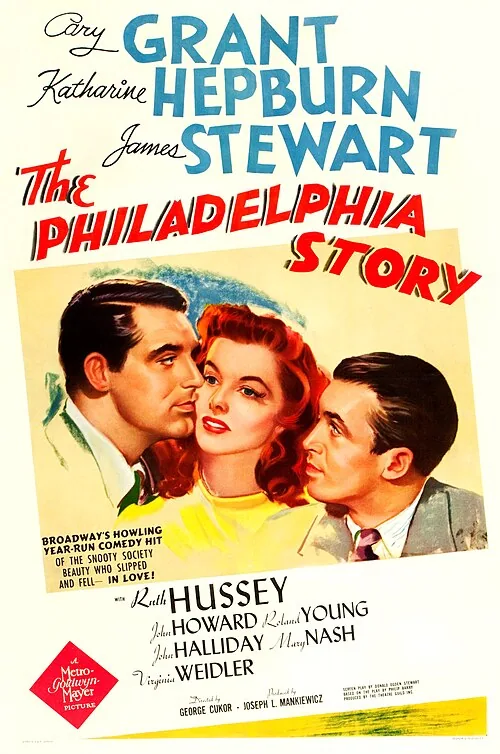
Socialite Tracy Lord is preparing to marry George Kittredge when her ex-husband Dexter returns with reporter Mike Connor and photographer Liz Imbrie, who plan to cover the wedding for a gossip magazine. Tracy agrees to host them partly to protect her family's reputation, but the reporters' presence and Dexter's familiarity unsettle her carefully managed image. As the wedding approaches, Mike's writing, George's idealized view of Tracy and her unresolved feelings for Dexter pull her in different directions. A late-night party and a misunderstanding expose the gap between the poised woman people expect and the person she is allowed to be. George Cukor's comedy makes romantic choice depend on self-knowledge, not simply on which suitor arrives first.
What drives the story
A tabloid's access to a high-society wedding disrupts Tracy's plans and places her among three men who see different versions of her.
The people at its centre
Dexter knows Tracy's pride but also recognizes its limits; Mike sees a more thoughtful side, while George prefers the idealized figure he thinks he can marry.
What it feels like
Fast, overlapping dialogue and a polished ensemble turn class manners, drinking and romantic embarrassment into a sophisticated comedy of remarriage.
Worth knowing
For viewers who enjoy adult romantic wit and social comedy. Its tension rests on self-revision and remarriage, not on a contemporary dating competition or melodramatic betrayal.