Anna tries to reach Dublin to propose to her boyfriend, relying on a reluctant local driver after a storm disrupts her trip.
Why this matches +
Selected for the central appeal: Romantic comedies about a newcomer, community expectations and a contentious courtship.
Genres: Comedy / Romance
Shared film traits
Based on recorded story, mood and style. Your preferences can change the order.
What changes Leap Year follows a woman traveling through Ireland whose plans and romantic expectations are disrupted by a local companion.
Frustrated that her longtime boyfriend has not proposed, Boston home stager Anna travels to Dublin to use a leap-day custom that lets a woman propose to a man. Weather diverts her journey to a small Irish village, where she pays pub owner Declan to drive her toward the city. Roadside mishaps and overnight stops force the mismatched pair to rely on each other, while conversations about the things they would save from a fire reveal how different their priorities are from the lives they planned.
A visa threat turns a workplace power imbalance into a fake engagement, whose credibility must survive family scrutiny and immigration suspicion.
Why this matches +
These offer a related experience with a meaningful difference in story, tone, or presentation.
An adjacent discovery: a related idea with a different viewing experience.
Genres: Romance / Comedy
Shared film traits
Based on recorded story, mood and style. Your preferences can change the order.
What changes The Proposal forces a couple to navigate family scrutiny and unexpected feelings in a close-knit community.
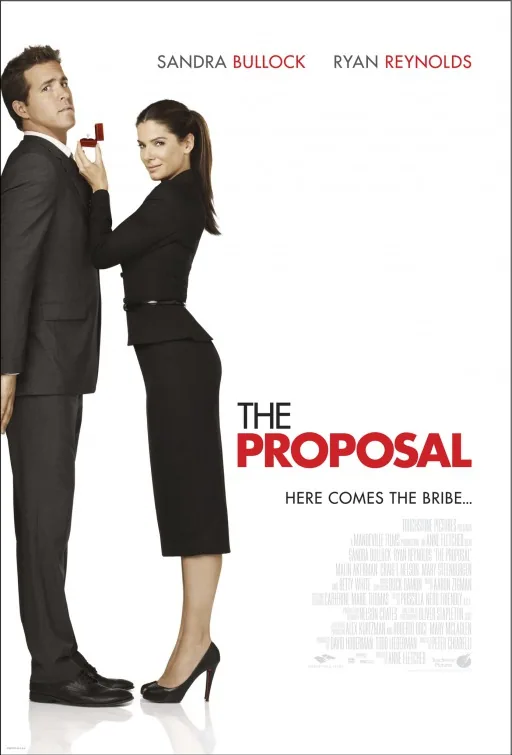
When Canadian publishing executive Margaret Tate learns she may be deported, she coerces her assistant Andrew Paxton into pretending to be her fiancé. An immigration officer suspects fraud and gives them a short deadline, so the couple travels to Andrew's Alaska hometown to convince his family the relationship is real. Margaret discovers a close-knit household and a history between Andrew and his father that he has hidden from her. Their staged romance becomes harder to separate from genuine affection as they face family rituals, old hurt and the possibility of legal consequences. The story's main pressure comes from the gap between Margaret's power at work and her dependence on Andrew's willingness to play along, before the arrangement forces both to speak more honestly.
wedding preparations and competing family roles. This pressure determines what the protagonist must do next and which risks become unavoidable.
Why this matches +
These offer a related experience with a meaningful difference in story, tone, or presentation.
An adjacent discovery: a related idea with a different viewing experience.
Genres: Comedy / Romance
Shared film traits
Based on recorded story, mood and style. Your preferences can change the order.
What changes Monster-in-Law turns a marriage plan into an escalating conflict with a disapproving family member.
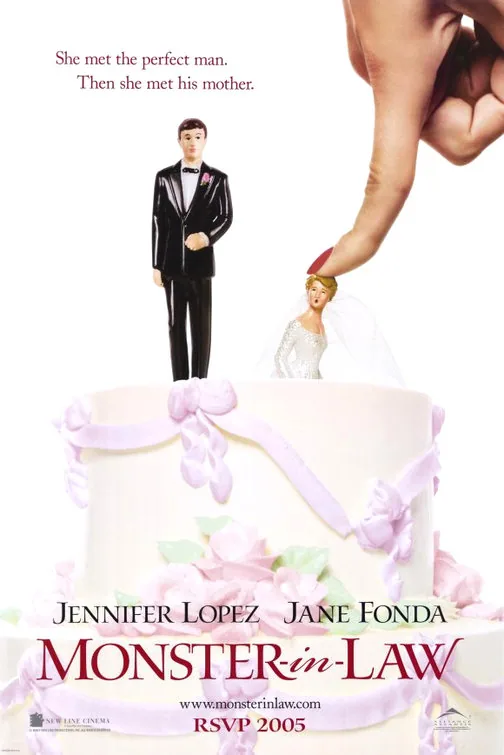
A young woman’s engagement brings her into close contact with her fiancé’s formidable mother, who fears losing her place in her son’s life. Their struggle over the wedding becomes a contest of manners, sabotage and competing claims to family loyalty. The comedy makes romantic commitment inseparable from joining a family whose habits were established long before the new couple arrived.
A tabloid's access to a high-society wedding disrupts Tracy's plans and places her among three men who see different versions of her.
Why this matches +
These offer a related experience with a meaningful difference in story, tone, or presentation.
An adjacent discovery: a related idea with a different viewing experience.
Genres: Romance / Comedy
Shared film traits
Based on recorded story, mood and style. Your preferences can change the order.
What changes The Philadelphia Story combines a complicated courtship with social pressure and sharp comic conflict.
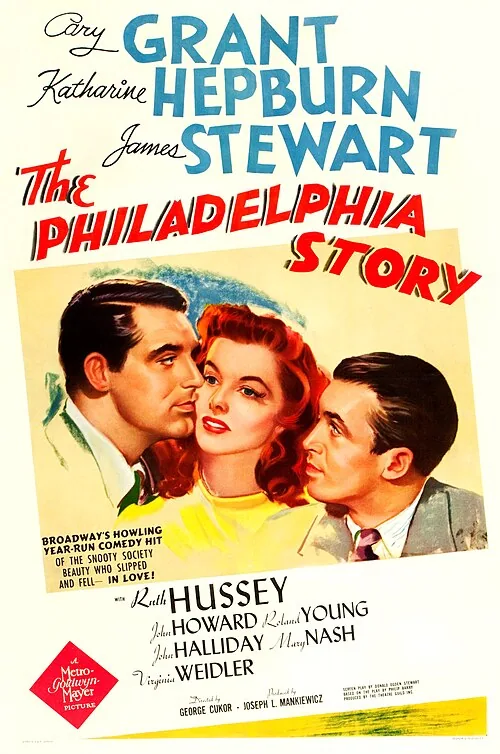
Socialite Tracy Lord is preparing to marry George Kittredge when her ex-husband Dexter returns with reporter Mike Connor and photographer Liz Imbrie, who plan to cover the wedding for a gossip magazine. Tracy agrees to host them partly to protect her family's reputation, but the reporters' presence and Dexter's familiarity unsettle her carefully managed image. As the wedding approaches, Mike's writing, George's idealized view of Tracy and her unresolved feelings for Dexter pull her in different directions. A late-night party and a misunderstanding expose the gap between the poised woman people expect and the person she is allowed to be. George Cukor's comedy makes romantic choice depend on self-knowledge, not simply on which suitor arrives first.
Two time-separated chapters make private choices accumulate into different adult lives, asking whether love, work and security can coexist under changing circumstances.
Why this matches +
These offer a related experience with a meaningful difference in story, tone, or presentation.
An adjacent discovery: a related idea with a different viewing experience.
Genres: Drama / Romance
Shared film traits
Based on recorded story, mood and style. Your preferences can change the order.
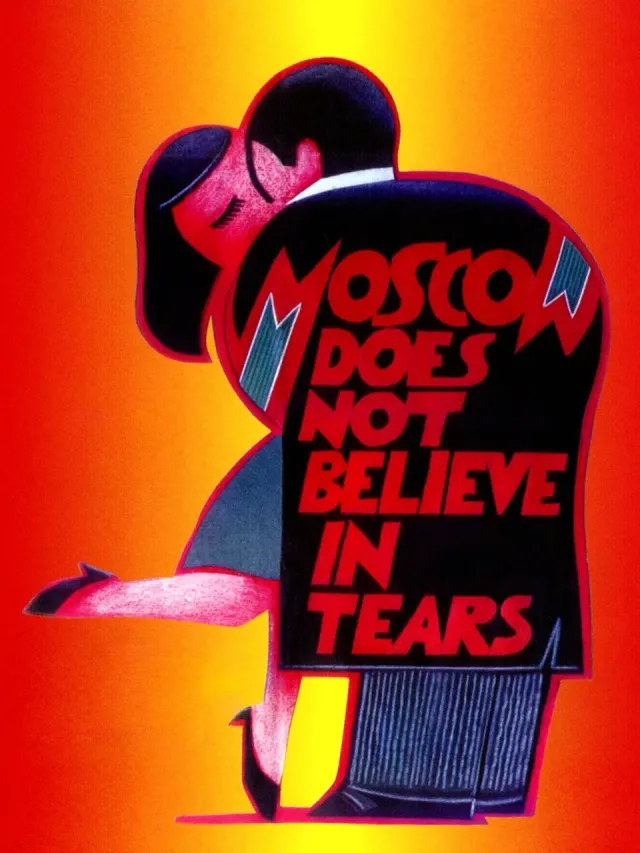
What changes Moscow Does Not Believe in Tears follows a woman negotiating romance and independence amid social expectations.
The film follows three provincial young women who share a Moscow workers' dormitory in 1958 and revisits them twenty years later. Katerina's promising romance with television cameraman Rudolf ends in rejection when she becomes pregnant; she raises their daughter while studying and building a career. Lyudmila pursues status through marriage and later faces her husband's alcoholism, while Antonina creates a steady family with Nikolay. In 1978, Katerina is a factory director but lonely. A chance train meeting with toolmaker Gosha begins a new relationship that forces her to reconsider the self-sufficiency she has relied on.
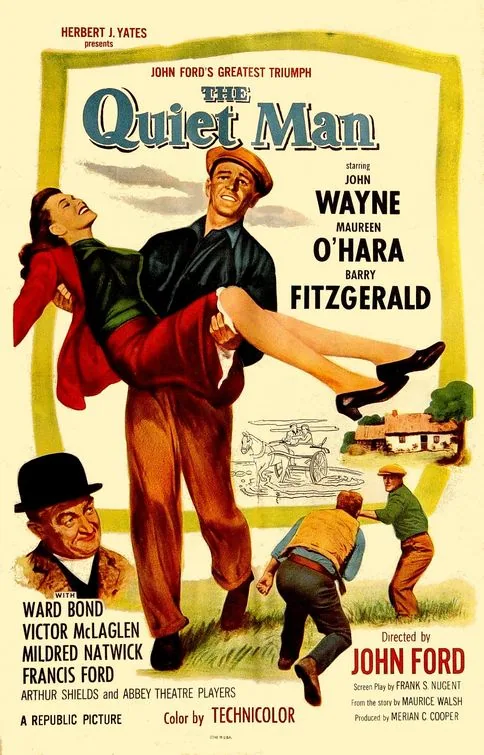
Sean Thornton returns from America to the Irish village where he was born, hoping to leave behind a career as a boxer and live quietly. He falls for Mary Kate Danaher, but her brother Will opposes the match and retains her dowry, treating it as a matter of family honor. Sean's reluctance to fight frustrates Mary Kate and clashes with local expectations that a husband should assert himself physically. Friends and neighbors become involved in the courtship and dispute, mixing genuine affection with public pressure and comic spectacle. John Ford's romantic comedy is built around the landscape, community rituals and a long climactic fistfight, while its courtship plot reflects mid-century ideas about gender and marriage that deserve scrutiny.
What drives the story
Sean's attempt to avoid violence collides with Mary Kate's demand that her brother respect her dowry and with the village's courtship conventions.
The people at its centre
Mary Kate wants agency within a restrictive economic custom; Sean's restraint can look principled to him but dismissive to her until the conflict becomes unavoidable.
What it feels like
A lushly photographed Irish village romance mixes comic quarrels, local rituals and a deliberately extended brawl as communal celebration.
Worth knowing
For viewers who appreciate classic romantic comedy and John Ford's landscape imagery. Its gender roles and romanticized Ireland reflect their period, not a neutral portrait of Irish life.