Both share themes of ambition, plus a wry and romantic atmosphere.
Why this matches +
Genres: Romance / Comedy
Shared film traits
Based on recorded story, mood and style. Your preferences can change the order.
Expect nostalgic and wry, with episodic and measured pacing.
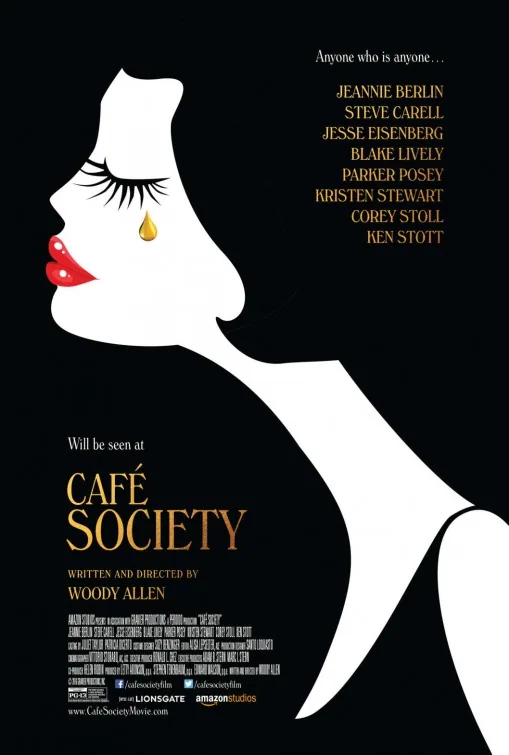
In the 1930s, young New Yorker Bobby Dorfman travels to Hollywood hoping to work for his powerful uncle, a talent agent. He falls for Vonnie, the uncle's secretary, and later returns east to help his brother's nightclub as his romantic and professional choices take new shape. Woody Allen's period comedy-drama moves between Hollywood and New York, observing ambition, family ties and the afterlife of first love.
Both share themes of ambition, plus an energetic atmosphere.
Why this matches +
Genres: Comedy / Drama
Shared film traits
Based on recorded story, mood and style. Your preferences can change the order.
What changes Shampoo: brisk, conversational and episodic. Cruella: fast.
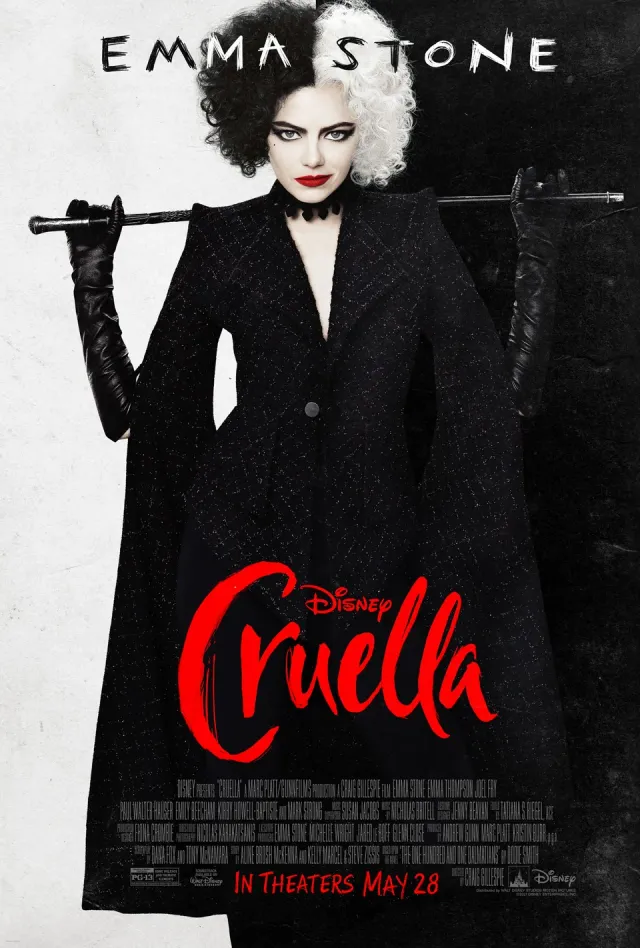
An aspiring designer who has survived through theft gains access to a powerful fashion house, then recognizes a connection between its celebrated leader and her mother's death. Creating a flamboyant rival persona lets her challenge an employer who controls both recognition and opportunity. The campaign turns artistic self-invention into revenge, but treating loyal friends as assistants to her emerging legend risks reproducing the disregard she is trying to defeat.
Both share themes of class, plus a romantic and energetic atmosphere.
Why this matches +
Genres: Romance / Comedy
Shared film traits
Based on recorded story, mood and style. Your preferences can change the order.
Expect energetic and romantic, with fast and episodic pacing.
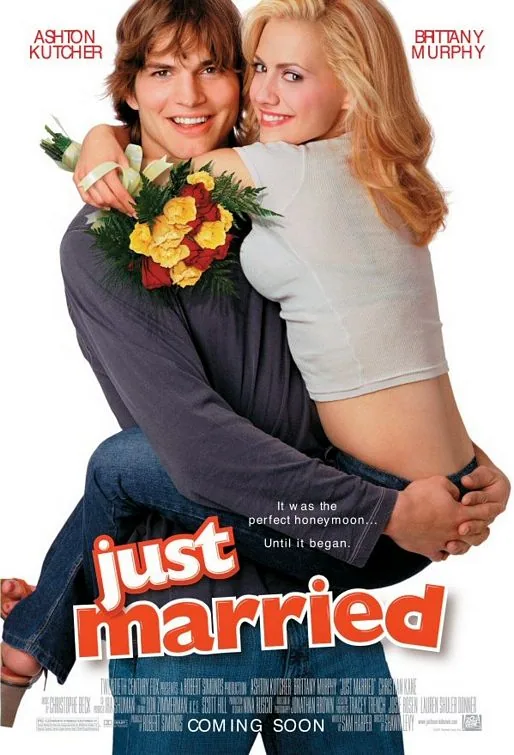
A newly married couple leave for a European honeymoon, but bad luck, family interference and their different expectations repeatedly turn travel plans into arguments. The story follows them through a string of comic setbacks that test whether their attraction can coexist with the practical work of marriage. The class gap between them adds friction, but the film's central question is whether the pair can speak honestly when embarrassment keeps escalating.
Based on recorded story, mood and style. Your preferences can change the order.
Work and ambition
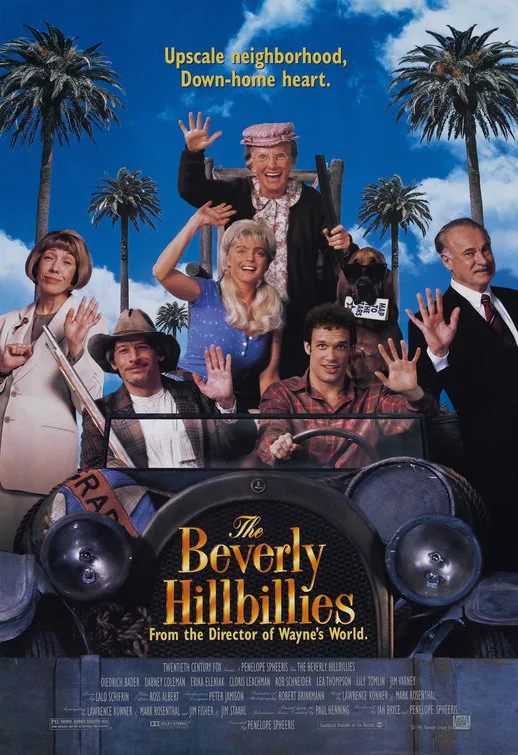
What changes Shampoo: brisk, conversational and episodic. The Beverly Hillbillies: a string of social misunderstandings and schemes tests whether sudden wealth can alter family loyalties.
Jed Clampett discovers oil on his Arkansas land and sells it for a fortune, then moves with his family to a mansion in Beverly Hills. Their new neighbors include banker Milburn Drysdale and his assistant Jane Hathaway, who try to introduce the Clampetts to local customs while keeping the family’s enormous deposit at the bank. The family’s rural habits and direct manner collide with the manners of their wealthy surroundings. As social climbers and romantic schemes gather around them, Jed, Granny, Elly May and Jethro rely on loyalty and hospitality to navigate a world that assumes money should change who they are.
Based on recorded story, mood and style. Your preferences can change the order.
Romance and intimacy · Power and authority
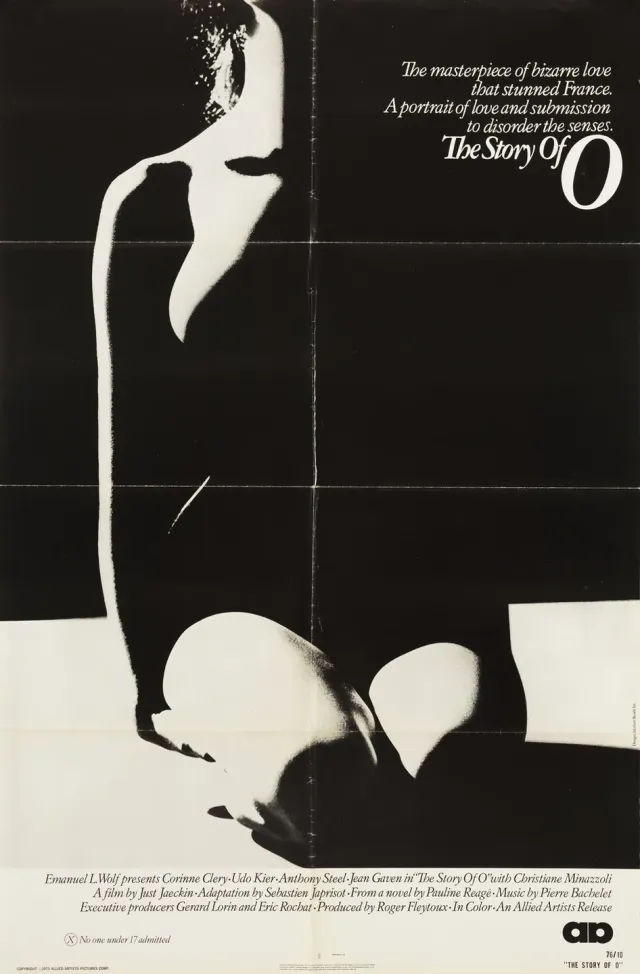
What changes Shampoo is tagged wry and energetic; Story of O is tagged provocative and restrained.
Fashion photographer O is taken by her lover René to Château Roissy, where an organized circle subjects her to rituals of sexual control. As René's older half-brother Sir Stephen assumes authority, O is pushed to distinguish obedience from affection while trying to retain a sense of self. Her encounters with Jacqueline and the women at Anne-Marie's country house broaden the film's closed study of desire, hierarchy and agency.
Based on recorded story, mood and style. Your preferences can change the order.
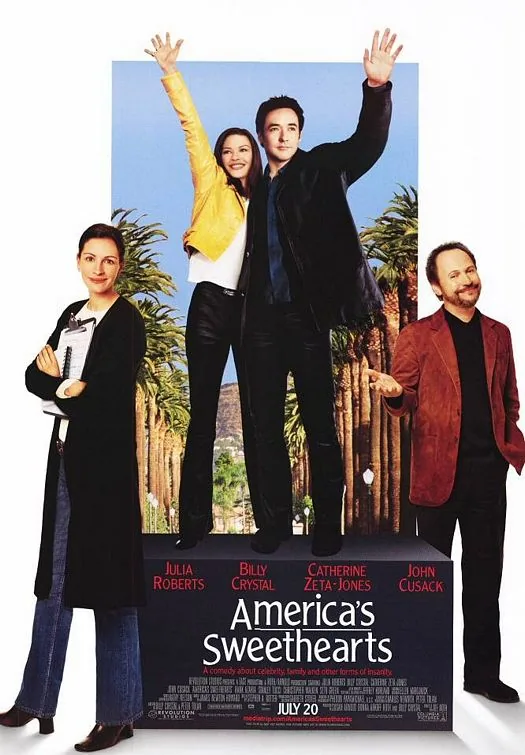
Expect light and wry, with brisk and conversational pacing.
When a famous Hollywood couple separate just before their latest film is due to be promoted, their studio arranges a publicity event to keep the project alive. The public performance draws in the couple’s devoted assistant and a reporter who sees the spectacle from the sidelines. The romantic comedy unfolds backstage, where celebrity image and private feeling keep colliding.
Both share themes of class, plus a romantic atmosphere.
Why this matches +
Genres: Comedy / Romance
Shared film traits
Based on recorded story, mood and style. Your preferences can change the order.
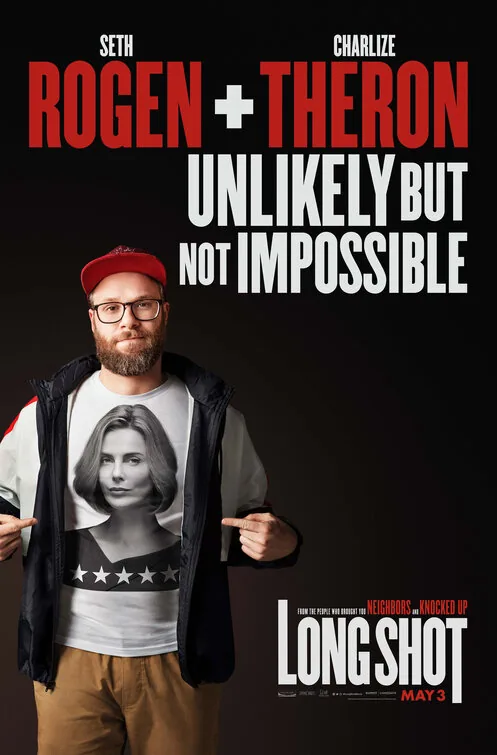
What changes Shampoo: brisk, conversational and episodic. Long Shot: campaign events alternate with private relationship decisions.
Fred Flarsky, a journalist whose career is disrupted by a media merger, reconnects with Charlotte Field, a former childhood acquaintance now running for president. She hires him to write speeches, and professional collaboration develops into a romance under public scrutiny. The comedy draws energy from their difference in status and temperament while exploring the compromises, image management and trust involved in political life.
Both share themes of ambition and class, plus a romantic atmosphere.
Why this matches +
Genres: Comedy / Drama
Shared film traits
Based on recorded story, mood and style. Your preferences can change the order.
Expect buoyant and romantic, with brisk and light pacing.
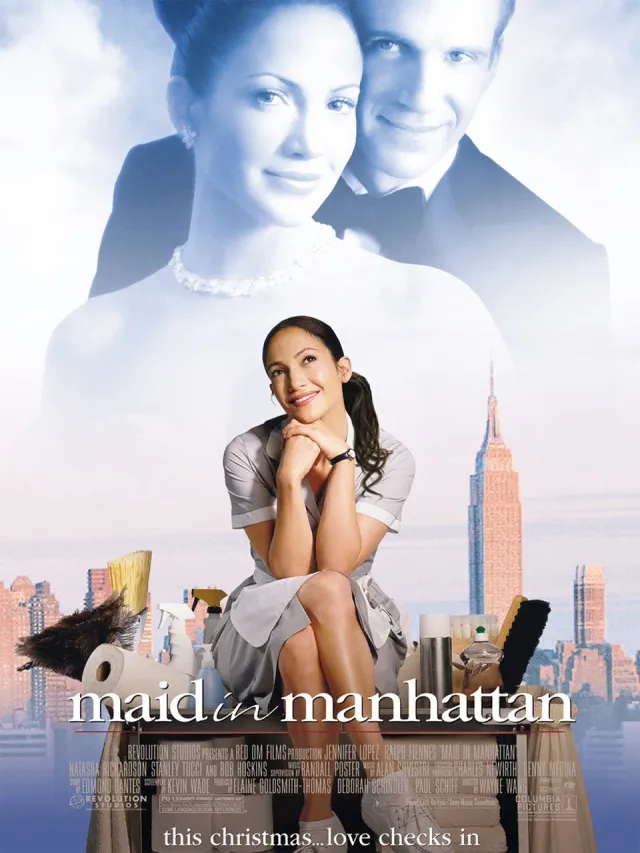
Marisa Ventura works in a Manhattan hotel while raising her son, and a guest mistakes her for someone from a wealthier world when she tries on a designer coat. The misunderstanding leads to romance with a visiting politician, but the truth of Marisa’s position is difficult to hide. The fairy-tale premise keeps class and self-presentation central.
Both share themes of desire, plus a wry and romantic atmosphere.
Why this matches +
Genres: Comedy / Drama
Shared film traits
Based on recorded story, mood and style. Your preferences can change the order.
What changes Shampoo: brisk, conversational and episodic. Manhattan: measured.
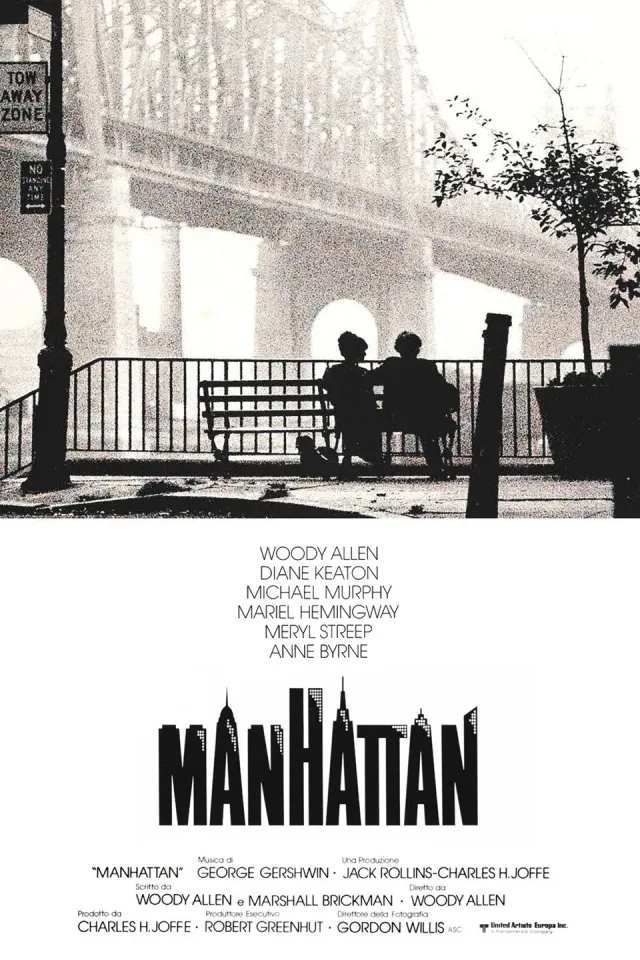
Forty-two-year-old television writer Isaac Davis dates seventeen-year-old Tracy while criticizing his friend Yale for having an affair with Mary. Isaac then becomes involved with Mary himself, repeating the self-serving behavior he had judged in Yale. His ex-wife’s memoir makes his private conduct a public story, and Tracy’s plan to study in London reveals how casually he assumes her feelings will wait for him. The comedy’s idealized New York surface—black-and-white cinematography, Gershwin and a lyrical opening voice—sits uneasily beside its age and power imbalance. Isaac’s self-description is not a neutral guide to what Tracy experiences. The film can be admired as a formal portrait of a city and a cohort while still asking viewers to notice whom its romantic framing protects.
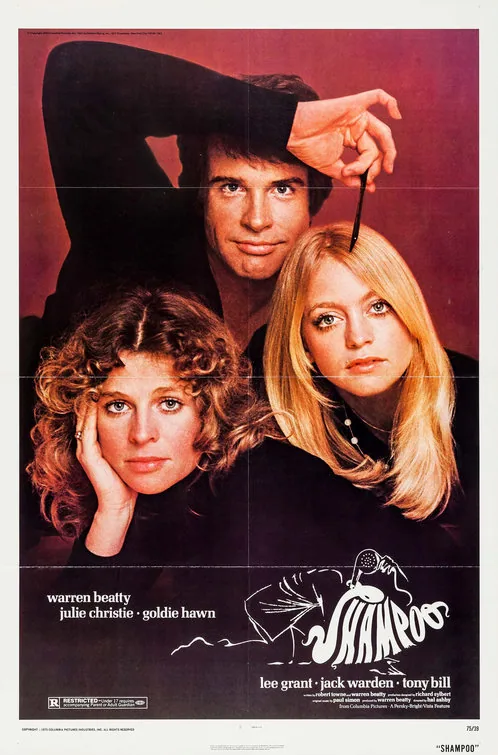
On the eve of the 1968 presidential election, Beverly Hills hairdresser George Roundy tries to turn his professional talent into a salon of his own. His plans depend on wealthy client Lester Karpf, but George’s romantic and sexual ties connect Lester to Jill, Jackie and Felicia in ways that make every conversation dangerous. As the election night unfolds, ambition and desire expose the limits of George’s charm and the social world that rewards it.
What drives the story
George’s search for money to open his own salon becomes tangled with a web of intimate relationships that crosses his clients and former partners.
The people at its centre
George’s charm helps him move between women and classes, but the crossed friendships make his self-serving choices increasingly difficult to hide.
What it feels like
The comedy is quick and conversational, using salon work and election-night encounters to make private desire feel inseparable from public mood.
Worth knowing
Unlike a straightforward romantic comedy, the film observes an opportunistic protagonist and uses the 1968 election as a backdrop for class and gender satire.
AmbitionDesireClass
Mood
Wry · Energetic · Romantic
Pacing
Brisk · Conversational · Episodic
Visual style
Glossy · Naturalistic · Period detail
Storytelling
Romantic entanglements · Workplace ambition · Social satire · Election day