Explore films connected to Show Me Love through first love and identity, small-town confinement, social acceptance. Choose the qualities you want to carry into your next watch.
What should feel similar?
Find your next favourite
9 films · Closest overall matches
Hide films you’ve seen or don’t want. Saved on this device.
No matches for this combination yet.
Try another option or reset your choices to see more films.
Based on recorded story, mood and style. Your preferences can change the order.
What changes Show Me Love: observational school scenes, awkward social turns and intimate romantic payoff. Like Crazy: elliptical time jumps, intimate relationship scenes and reflective progression.
Anna, a British exchange student in Los Angeles, falls in love with American student Jacob and decides to stay with him after graduation. An expired visa prevents her from returning to the United States, leaving the couple to sustain a relationship across continents and long periods apart. Work, new partners, and changing ambitions complicate the promise that they will eventually reunite. Drake Doremus' intimate romantic drama follows the emotional texture of a relationship over time, using naturalistic performances and gaps in communication instead of a neatly plotted romance formula.
Based on recorded story, mood and style. Your preferences can change the order.
Coming of age · Memory and identity
What changes Show Me Love: observational school scenes, awkward social turns and intimate romantic payoff. Sorry, Baby: nonlinear chapters move through agnes's life, academic and social routines continue and past experience shapes present choices.
Agnes is a literature graduate student at a small New England college whose life is derailed by an assault from her thesis adviser. Rather than treating that experience as the whole of her identity, the film follows her across several years in nonlinear chapters, returning to her friendship with Lydie, her work, her humor, and the uneven process of trying to move forward. Agnes is later a professor at the same institution, still living with what happened while people around her continue their lives. The black comedy-drama balances pain with warmth and everyday absurdity.
Based on recorded story, mood and style. Your preferences can change the order.
Coming of age · Memory and identity
What changes Show Me Love: observational school scenes, awkward social turns and intimate romantic payoff. Untamed Heart: gentle romance interrupted by danger and loss.
Caroline, a waitress in Minneapolis, begins a relationship with Adam, a shy dishwasher whose life has been shaped by an orphanage and a serious heart condition. Their affection gives both characters room to become more open, even as an attack and Adam's illness bring danger and uncertainty into their daily lives. The romance treats intimacy as an act of trust rather than a cure for hardship.
Based on recorded story, mood and style. Your preferences can change the order.
Coming of age · Memory and identity
What changes Show Me Love: observational school scenes, awkward social turns and intimate romantic payoff. The Half of It: essay-for-hire setup, messages and misunderstandings, friendship deepens and emotional disclosure and departure.
Ellie Chu lives in a small Washington town with her widowed father and earns money by writing classmates’ essays. Paul, an inarticulate football player, asks her to help him court Aster, a girl Ellie secretly loves herself. Ellie begins sending messages as Paul, but their collaboration becomes a genuine friendship and the feelings among all three grow more complicated. Alice Wu’s coming-of-age comedy-drama reworks Cyrano de Bergerac as a quiet story about queer identity, family responsibility, and the risk of being known.
Based on recorded story, mood and style. Your preferences can change the order.
Coming of age
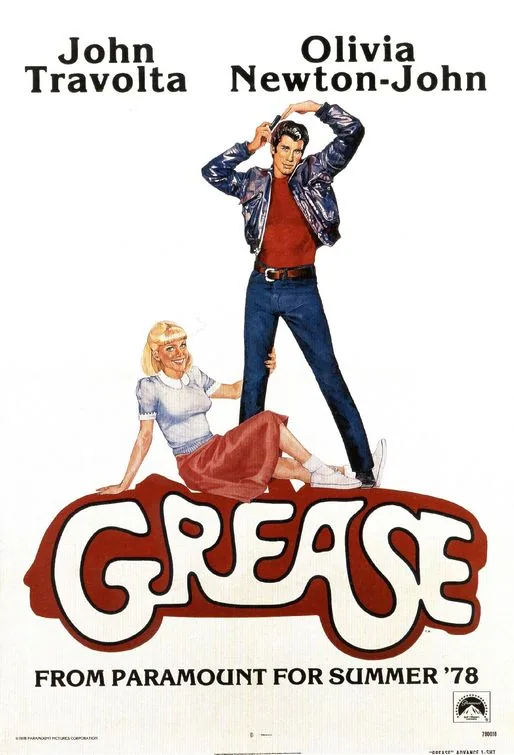
What changes Show Me Love: observational school scenes, awkward social turns and intimate romantic payoff. Grease: episodic and brisk.
Two teenagers who shared a tender summer meet again at school, where public identity makes their private connection difficult to acknowledge. He performs toughness for his friends, while she faces pressure to change how she dresses, behaves and understands belonging. Parallel romances and a pregnancy scare complicate the group's apparently carefree rituals. Songs, a televised dance and a car race turn social recognition into spectacle, making courtship inseparable from the roles the teenagers perform for one another.
Based on recorded story, mood and style. Your preferences can change the order.
Coming of age
What changes Show Me Love: observational school scenes, awkward social turns and intimate romantic payoff. The Last Song: gentle and emotion-led.
Sent to spend the summer with her estranged father, a rebellious teenager resists the musical connection they once shared. A developing romance and her brother's affection gradually draw her into the coastal community and reopen family conversations. As painful information changes her understanding of the past, she must decide whether pride will keep her apart from people whose time and trust cannot be taken for granted.
Based on recorded story, mood and style. Your preferences can change the order.
Memory and identity
What changes Show Me Love: observational school scenes, awkward social turns and intimate romantic payoff. Rab Ne Bana Di Jodi: romantic transformation, musical interludes and emotional revelation.
Shy office worker Surinder marries Taani after her fiancé dies, but she tells him she cannot love him. When Taani joins a dance class to bring excitement into her life, Surinder changes his appearance and invents the confident persona Raj, becoming her dance partner without revealing who he is. The Hindi romantic comedy uses this double identity to explore how affection grows through performance, kindness, and everyday attention, while Taani's feelings shift between the husband she knows and the partner she thinks she has just met.
Based on recorded story, mood and style. Your preferences can change the order.
Memory and identity
What changes Show Me Love: observational school scenes, awkward social turns and intimate romantic payoff. The Duchess: measured and emotional build.
Georgiana Spencer enters an aristocratic marriage that gives her public influence but little control over her private life. Her husband’s affairs, political expectations and the rules of the English court constrain her choices, while her friendships offer both comfort and further complications. The period drama portrays fashion and public visibility alongside emotional isolation, focusing on the tension between a woman celebrated by society and the person denied room to shape her own future.
Based on recorded story, mood and style. Your preferences can change the order.
Memory and identity
What changes Show Me Love: observational school scenes, awkward social turns and intimate romantic payoff. Punch-Drunk Love: uneven comic rhythm with short bursts of intensity.
Barry Egan runs a small novelty-goods business, lives with persistent social anxiety, and endures the teasing of seven sisters who dominate family gatherings. When he meets Lena, an acquaintance of one sister, the possibility of intimacy arrives alongside an extortion scheme tied to a phone-sex hotline. The romantic drama follows Barry’s awkward attempts to manage anger and connection, using an offbeat comic rhythm to make ordinary interactions feel emotionally heightened.
In the small Swedish town of Åmål, shy Agnes is isolated at school and secretly in love with Elin, a popular girl who feels trapped by her ordinary surroundings. A birthday party brings them into contact, but each handles attraction, reputation, and friendship differently. As gossip and social pressure build, the girls begin to acknowledge what they want from one another. Lukas Moodysson's coming-of-age drama observes adolescent identity through everyday school and family life rather than heightened melodrama.
What drives the story
Agnes's unspoken crush and Elin's dissatisfaction gradually converge through school encounters and a party.
The people at its centre
The two girls move from uneven social positions toward a more mutual connection as each tests the identity others expect.
What it feels like
A low-key teen romance finds emotion in awkward pauses, everyday spaces, and sharply observed adolescent behavior.
Worth knowing
Its central relationship is treated as ordinary youthful love, rather than as a coming-out story built around a single public crisis.
first love and identitysmall-town confinementsocial acceptance
Mood
tender · restless · naturalistic
Pacing
observational school scenes · awkward social turns · intimate romantic payoff
Visual style
handheld realism · muted small-town interiors · close youthful performances
Storytelling
isolated teen loves popular classmate · party exposes hidden feelings · romance grows amid peer judgment