Based on recorded story, mood and style. Your preferences can change the order.
Escape and pursuit · War and civilian life
What changes Sisu: a simple pursuit escalates through increasingly improbable survival set pieces.. Sisu: Road to Revenge: return and dismantling establish the mission, pursuit triggers escalating action encounters and journey concludes in a direct reckoning.
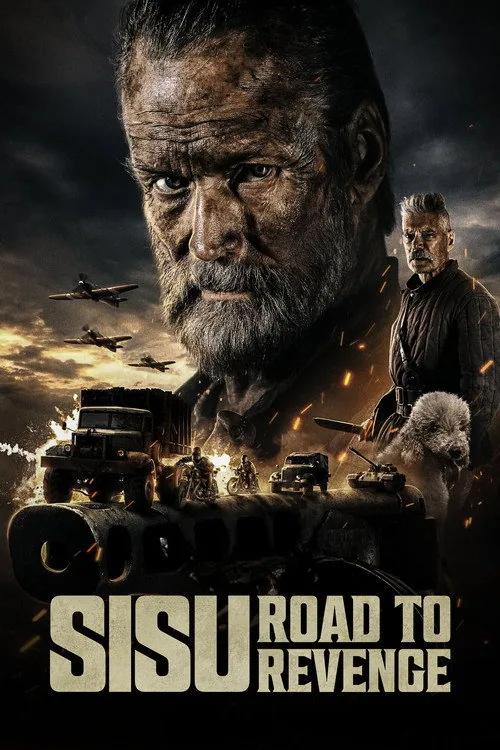
After discovering gold in Lapland, Finnish ex-commando Aatami Korpi returns to Karelia, the territory ceded to the Soviet Union after World War II. He dismantles his family home and loads it onto a truck, determined to rebuild it somewhere safe in their memory. A Soviet commander linked to his family's wartime murder pursues him across the border, turning the journey into a relentless contest of endurance. The action sequel frames revenge as a dangerous effort to carry home and memory forward.
Based on recorded story, mood and style. Your preferences can change the order.
Survival · War and civilian life
What changes Sisu: a simple pursuit escalates through increasingly improbable survival set pieces.. Lone Survivor: relentless and attritional.
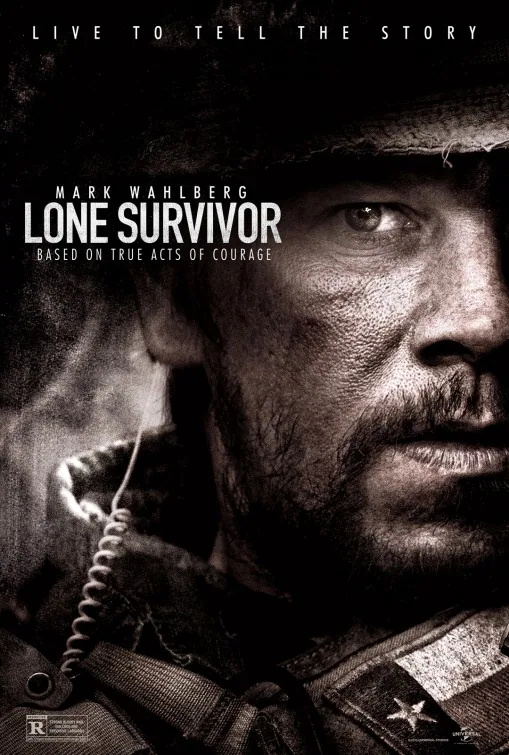
In 2005, a small Navy SEAL team enters Afghanistan's Korangal Valley on a mission to locate Taliban leader Ahmad Shah. Their position is compromised after they encounter local shepherds, and the team has to make a consequential decision with limited time and uncertain information. The operation becomes a fight to survive mountainous terrain and hostile pursuit, while the film follows the bonds and sacrifices that shape the soldiers' response to overwhelming losses.
Both share themes of survival, plus a grim atmosphere.
Why this matches +
Genres: Action / War
Shared film traits
Based on recorded story, mood and style. Your preferences can change the order.
Survival · War and civilian life
What changes Sisu: a simple pursuit escalates through increasingly improbable survival set pieces.. Missing in Action 2: The Beginning: captivity escalates toward a violent rescue and escape.
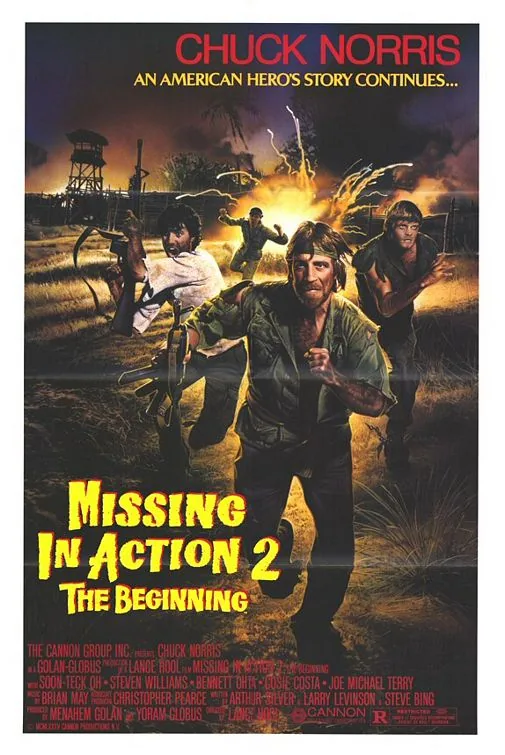
During the Vietnam War, Colonel James Braddock and fellow American prisoners endure forced labor in a camp run by Colonel Yin. Yin seeks to make Braddock sign a false confession about American war crimes, while also using the prisoners to cultivate opium. Braddock resists, protects the other captives and plans an escape, turning the film into a direct action story about coercion, endurance and rescue.
Based on recorded story, mood and style. Your preferences can change the order.
Survival · War and civilian life
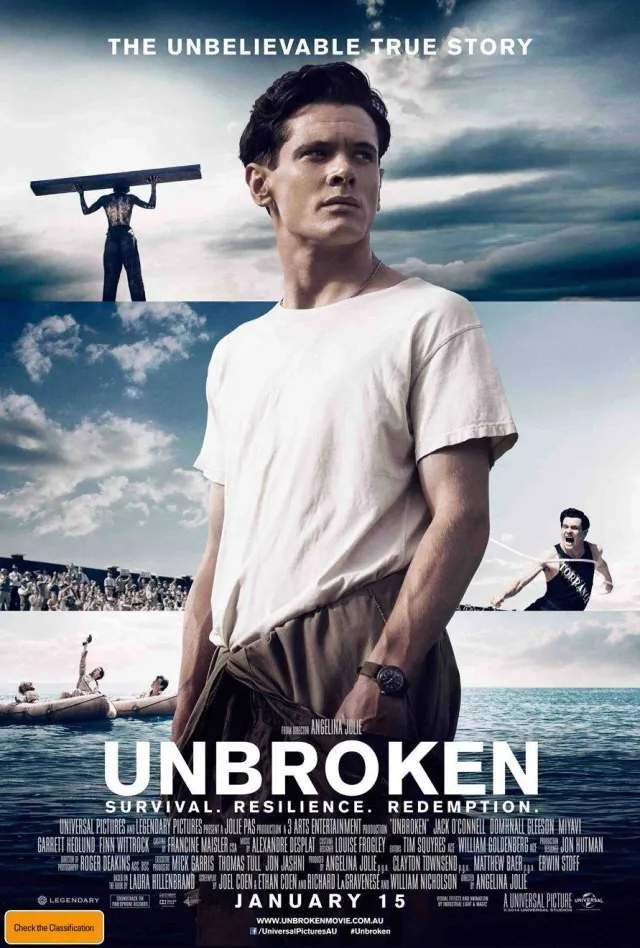
What changes Sisu: a simple pursuit escalates through increasingly improbable survival set pieces.. Unbroken: long-form and survival-driven.
Louis Zamperini begins as a mischievous boy and becomes an Olympic runner before serving as a bombardier in the Second World War. After surviving the crash of his aircraft over the Pacific, he and two crewmen drift at sea and are eventually captured by Japanese forces. The film follows repeated tests of endurance, connecting athletic discipline with the struggle to preserve dignity during imprisonment and wartime abuse.
Based on recorded story, mood and style. Your preferences can change the order.
Escape and pursuit · Survival
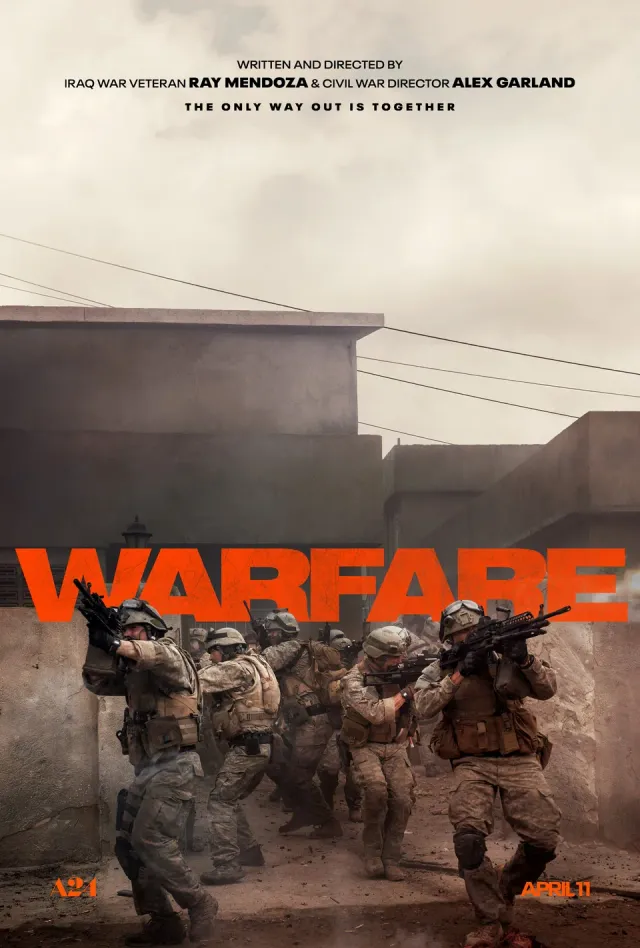
What changes Sisu: a simple pursuit escalates through increasingly improbable survival set pieces.. Warfare: a near-continuous combat sequence follows a unit’s attempt to evacuate casualties.
During the Iraq War, a Navy SEAL platoon occupies a house in Ramadi to monitor enemy activity and support a larger operation. When an explosion and ambush leave several men wounded, the group must coordinate evacuation under fire. Based on Ray Mendoza’s experience, the film focuses on the immediate confusion of combat, presenting battlefield survival through communication, interdependence, and the physical limits of those trying to protect one another.
Based on recorded story, mood and style. Your preferences can change the order.
War and civilian life
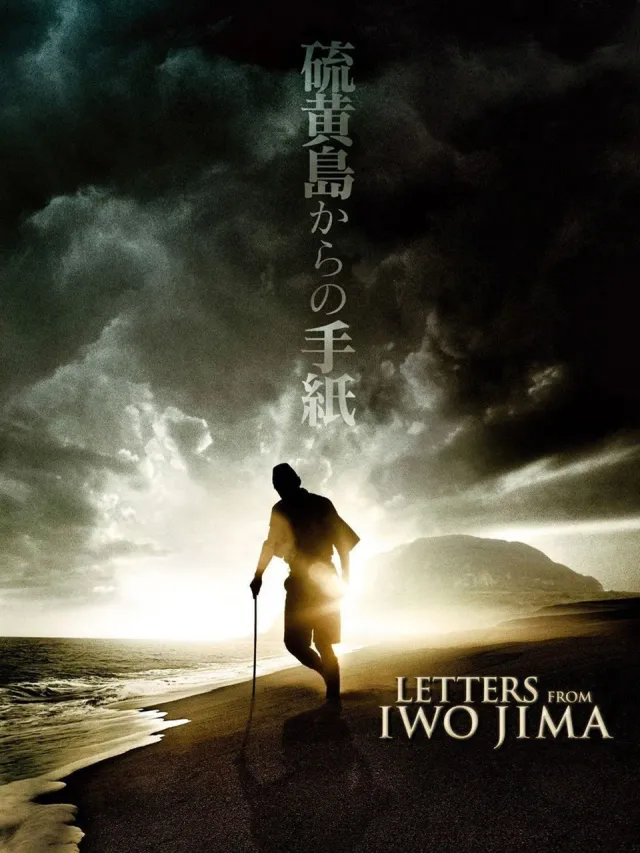
What changes Sisu: a simple pursuit escalates through increasingly improbable survival set pieces.. Letters from Iwo Jima: nonlinear and measured.
As U.S. forces approach Iwo Jima in 1945, Japanese soldiers prepare to defend an island they know they may not survive. Letters and flashbacks follow General Kuribayashi, Saigo the baker and other men whose motives range from duty and fear to attachment to families at home. Their human individuality complicates the language of national honor without making the film a full account of the Pacific War or Japanese imperial responsibility. Clint Eastwood’s Japanese-language companion to Flags of Our Fathers focuses on one selected military perspective; it does not stand for every Japanese soldier or civilian. The battle’s underground tunnels and fragmented correspondence turn defense into an intimate, enclosed ordeal, while the historical context remains larger than the film’s sympathetic frame.
Based on recorded story, mood and style. Your preferences can change the order.
War and civilian life
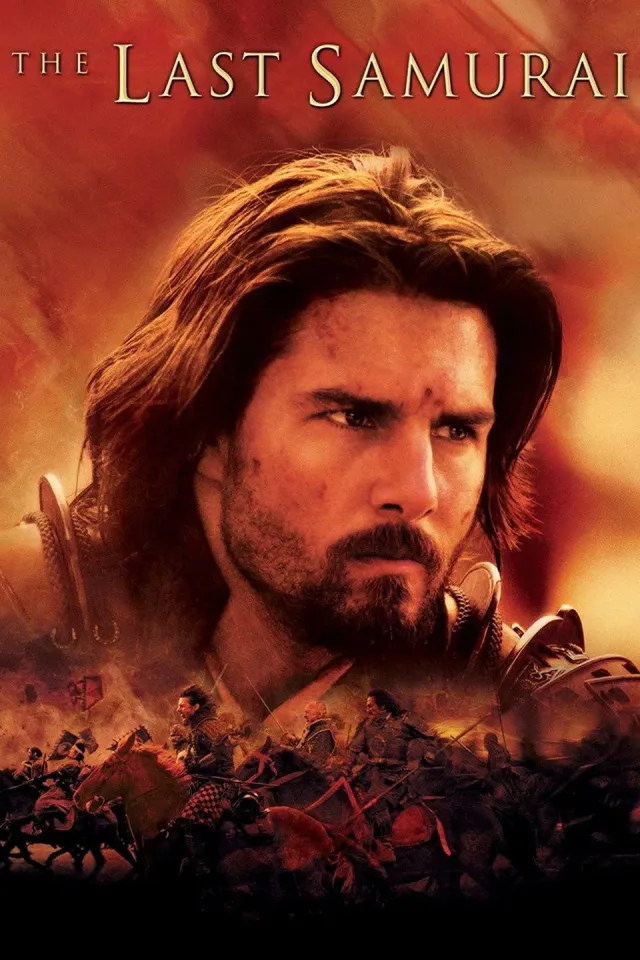
What changes Sisu: a simple pursuit escalates through increasingly improbable survival set pieces.. The Last Samurai: training and cultural adjustment and final battle.
Former U.S. Army captain Nathan Algren is hired to train Japan’s new imperial army, but its recruits are sent into battle before they are ready. Captured by samurai leader Katsumoto, Algren is taken to a village where he gradually learns the language and daily rhythms of the people he was sent to fight. His military past and his experiences in the village change how he understands the conflict, while Katsumoto challenges the government’s rapid modernization. When the imperial army prepares a final attack, Algren must decide where his loyalties lie. The film frames the rebellion through an American outsider’s transformation, making that perspective a major part of its appeal and its limits.
Based on recorded story, mood and style. Your preferences can change the order.
Survival · War and civilian life
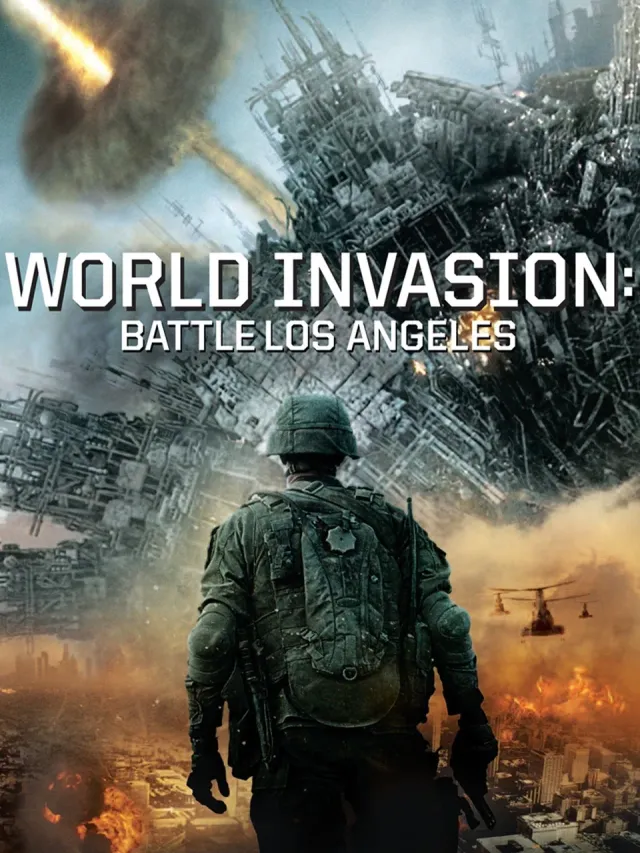
What changes Sisu: a simple pursuit escalates through increasingly improbable survival set pieces.. Battle: Los Angeles: continuous and combat-driven.
A veteran Marine staff sergeant leads a mixed group of soldiers and civilians through a city under alien attack. The mission begins as an evacuation and narrows into an attempt to reach trapped survivors while an apparently unstoppable enemy controls the streets. The film treats invasion as a ground-level military emergency, focusing on unit cohesion, civilian protection and exhausted people making decisions under fire.
Both share themes of survival, plus a propulsive atmosphere.
Why this matches +
Genres: Action / Thriller
Shared film traits
Based on recorded story, mood and style. Your preferences can change the order.
Escape and pursuit · Survival
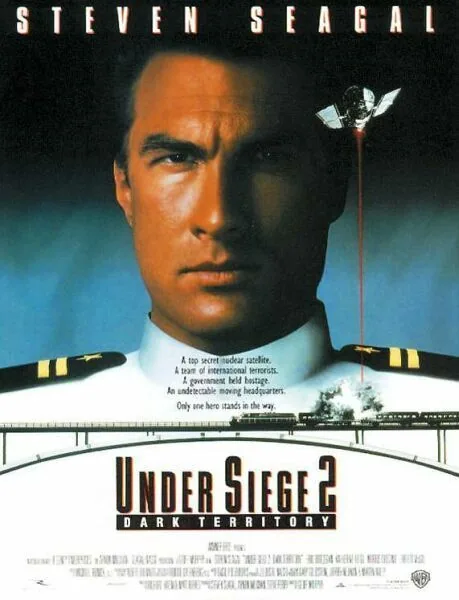
What changes Sisu: a simple pursuit escalates through increasingly improbable survival set pieces.. Under Siege 2: Dark Territory: deadline-driven and action-led.
Former Navy SEAL Casey Ryback boards a passenger train through the Rocky Mountains with his niece Sarah. A mercenary group seizes the train to control a secret military satellite, leaving Ryback to move through its cars and protect the passengers. The confined route turns an action film into a rescue problem with little room to escape, as the captors' communications and weapons make every decision time-sensitive.
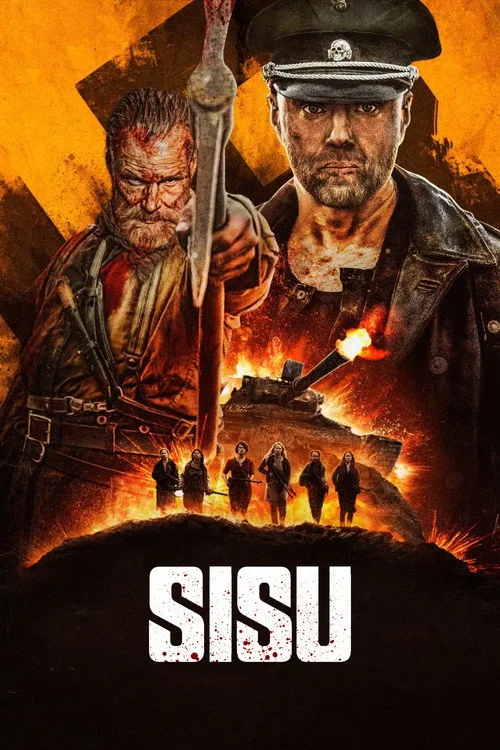
In late 1944, gold prospector Aatami Korpi finds a rich deposit in Lapland and crosses paths with a retreating Waffen-SS unit. When soldiers try to take his gold, they discover that he is a formidable former commando who will not surrender. The officer in charge pursues him across mines, lakes, and ruined settlements, while captured Finnish women seek a chance to escape. Jalmari Helander’s action film uses a spare setup and escalating physical set pieces to turn the pursuit into brutal survival spectacle.
What drives the story
Aatami’s attempt to carry his gold to safety becomes a running fight with a German unit during its retreat.
The people at its centre
Aatami’s refusal to yield contrasts with the captives’ collective planning and the officer’s opportunistic brutality.
What it feels like
The film favors graphic, heightened action and dark visual jokes over detailed historical exposition.
Worth knowing
Its intentionally extreme lone-warrior premise makes it a stylized action fable rather than a realistic account of the Lapland War.
PersistenceRevengeSurvival
Mood
Grim · Excessive · Propulsive
Pacing
A simple pursuit escalates through increasingly improbable survival set pieces.