A murder inquiry intersects with an unofficial search for revenge, allowing old trauma and local loyalties to distort how ambiguous behaviour is interpreted.
Why this matches +
Selected for the central appeal: Childhood institutional abuse returns through adult friendship, crime and a morally compromised search for justice.
Genres: Crime / Drama
Shared film traits
Based on recorded story, mood and style. Your preferences can change the order.
What changes Childhood trauma in a close-knit urban community reshapes adult male friendship and violent judgment; a new daughter’s murder replaces an organized trial over revenge on a former abuser.
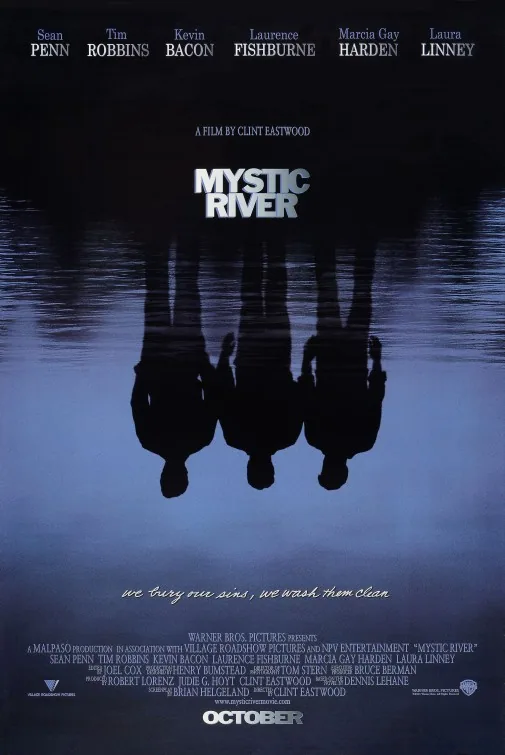
The murder of a young woman reconnects three Boston men whose childhood friendship was fractured by one boy's abduction and abuse. One is now the victim's father, another a police investigator, and the third returns home injured on the night she dies. Their different responses to grief and remembered vulnerability produce competing accounts of what happened, while neighbourhood loyalties turn suspicion into a force that can outrun evidence.
The boys’ criminal trouble begins with an attempt to secure a modest dream, then grows through adult manipulation and a justice system that treats children as expendable.
Why this matches +
Related viewing experiences with the specific differences recorded for each pair.
An adjacent discovery: a related idea with a different viewing experience.
Genres: Drama / crime
Shared film traits
Based on recorded story, mood and style. Your preferences can change the order.
Coming of age · Criminal underworld
What changes Two boys’ friendship is damaged by a juvenile institution that transforms minor wrongdoing into lasting trauma; immediate postwar detention and betrayal replace decades-later revenge and a manipulated adult trial.
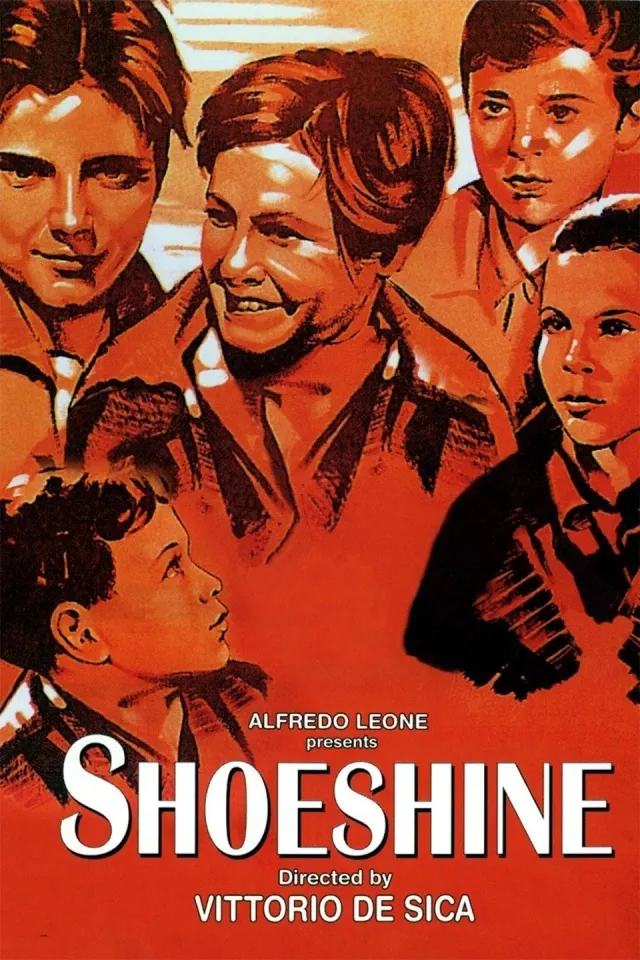
In postwar Rome, friends Giuseppe and Pasquale shine shoes and save for a horse. An older brother draws them into a small theft, then a fake-police scam leaves the boys holding money while the adults escape with a much larger haul. The real police arrest them and send them to juvenile detention, where separation, pressure from their captors and conflicting loyalties erode their friendship. Their wish for a horse gives the story a small, tangible hope that is crushed by the institutions and adult schemes surrounding them.
A summons to revisit an old betrayal opens a nonlinear reconstruction of criminal friendship whose missing pieces unsettle the narrator's account of responsibility.
Why this matches +
Related viewing experiences with the specific differences recorded for each pair.
An adjacent discovery: a related idea with a different viewing experience.
Genres: Crime / Drama
Shared film traits
Based on recorded story, mood and style. Your preferences can change the order.
Criminal underworld
What changes A group’s childhood neighborhood bonds return as an adult story of crime, damaged memory and betrayal; an expansive gangster recollection replaces institutional abuse and a focused revenge trial.
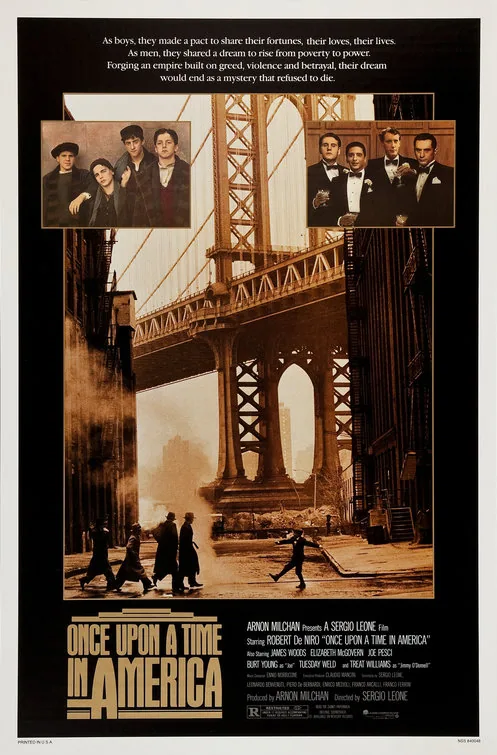
An ageing gangster returns to New York after decades away, responding to signs that the betrayals he believed settled may conceal another history. Memories move between childhood alliances, Prohibition-era success and damaged relationships with women whose lives his ambitions repeatedly violate. The shifting chronology makes loyalty difficult to disentangle from possessiveness and regret, while the return asks whether recovering the past can offer anything more stable than another self-serving story.
A local allegation expands into an investigation of systematic concealment, requiring documentary proof of institutional knowledge rather than another isolated accusation.
Why this matches +
Related viewing experiences with the specific differences recorded for each pair.
An adjacent discovery: a related idea with a different viewing experience.
Genres: Drama / Biography
Shared film traits
Based on recorded story, mood and style. Your preferences can change the order.
What changes Adults reconstruct the institutional concealment of sexual abuse that silenced children; professional reporting and public exposure replace old friends arranging a private legal reckoning.
A newspaper's investigative team begins examining allegations against a Boston priest and encounters a pattern extending far beyond an individual offence. Reporters work through court records, reluctant witnesses and professional networks while institutional resistance repeatedly narrows what can be made public. The inquiry also forces them to confront how their own organisation previously missed opportunities to act, making publication a test of collective responsibility as well as evidentiary persistence.
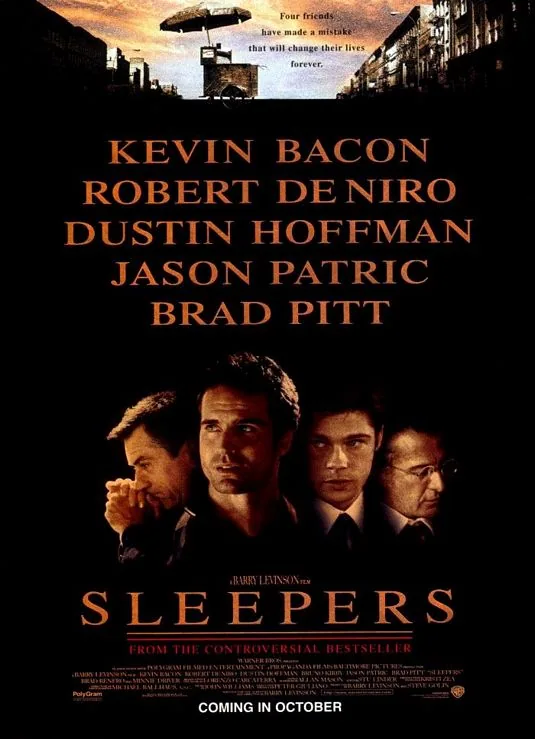
Four boys in Hell’s Kitchen are sent to a juvenile facility after a prank injures a passerby. There they are abused by guards, and the trauma follows them into adulthood: two become criminals, one a prosecutor and one a journalist. Years later, Tommy and John recognize their former abuser and kill him in a pub. Their old friend Michael uses his legal position to shape the murder trial, with Shakes helping reconstruct their history. The courtroom case becomes a risky effort to expose violence that the boys were once too powerless to report.
What drives the story
The adult trial is built around a crime of revenge, but its hidden purpose is to put an ignored system of childhood abuse before a public jury.
The people at its centre
The four friends divide into different adult roles, yet their shared trauma binds them; Michael risks his career to turn private loyalty into a public case.
What it feels like
A long flashback structure moves between neighborhood boyhood, institutional brutality and courtroom strategy, giving the crime plot a grief-heavy dramatic center.
Worth knowing
A fit for serious crime dramas about trauma, friendship and contested justice; explicit child sexual abuse and violence make it an intensely distressing watch.
Traumaloyaltyjustice
Mood
Somber · angry · mournful
Pacing
Long flashback · cumulative
Visual style
New York neighborhood · austere institution · courtroom