Based on recorded story, mood and style. Your preferences can change the order.
What changes Shoeshine: gradual, cumulative and bleak. Bicycle Thieves: measured.
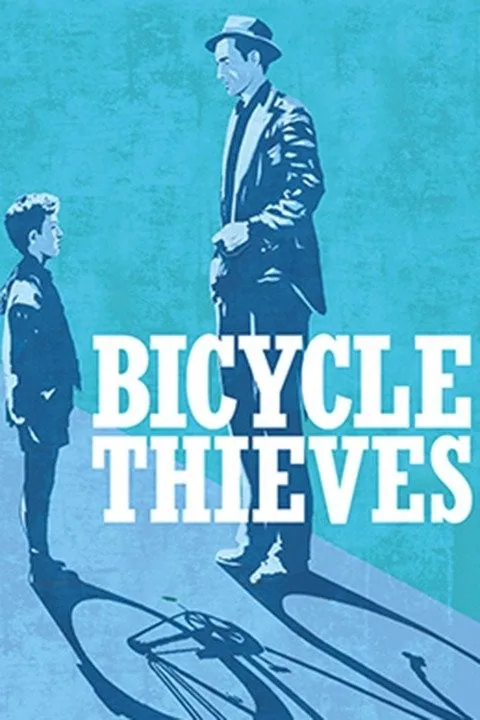
A father in postwar Rome finally obtains work that depends on owning a bicycle, only to have it stolen at the beginning of the job. Searching the city with his young son reveals how little protection formal authority and community can offer against material desperation. Each failed lead narrows his options, exposing the pressure poverty places on the identity he hopes to maintain in front of a child who still depends on him.
Based on recorded story, mood and style. Your preferences can change the order.
Coming of age
What changes Shoeshine: gradual, cumulative and bleak. The Wanderers: episodic, rowdy, group-focused and reflective in retrospect.
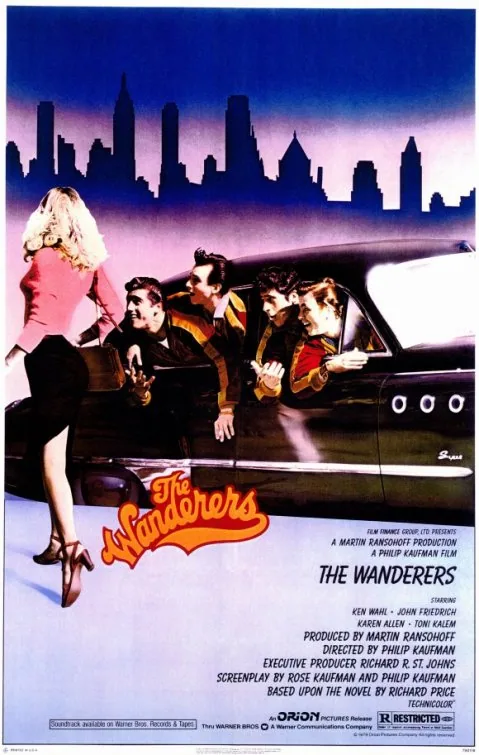
In the Bronx in 1963, Joey and his friends belong to the Wanderers, an Italian-American street gang whose routines mix school, dating, rivalries, and neighborhood pride. When one member considers joining the Baldies, a confrontation pulls the group into a chain of threats and uneasy alliances with other gangs. Richie’s relationship with Despie and the older world around her adds pressure to the boys’ ideas about masculinity and adulthood. Over time, fights, parties, and changing loyalties make the gang’s identity feel less permanent than the friendships holding its members together.
Both centre on coercive institution and coming-of-age friendship.
Why this matches +
Genres: Drama / Coming-of-age
Shared film traits
Based on recorded story, mood and style. Your preferences can change the order.
Coming of age
What changes Shoeshine: gradual, cumulative and bleak. The 400 Blows: observational episodes and open-ended finish.
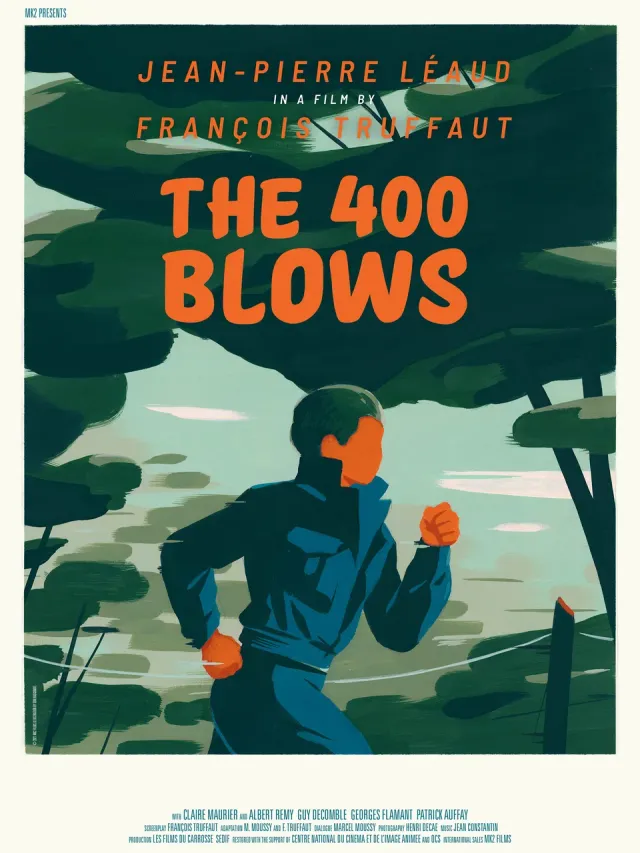
Antoine Doinel grows up in Paris feeling unwanted at home and misunderstood at school. Small acts of defiance, including truancy and a failed attempt to sell a stolen typewriter, draw him deeper into conflict with the adults who supervise him. His parents send him to a youth observation center, where a rare interview lets him speak about his life without interruption. Antoine escapes and runs toward the sea he has never seen, ending the film alone at the shoreline. The story follows a child's search for space and recognition rather than a neat reform narrative.
Based on recorded story, mood and style. Your preferences can change the order.
Coming of age · Criminal underworld
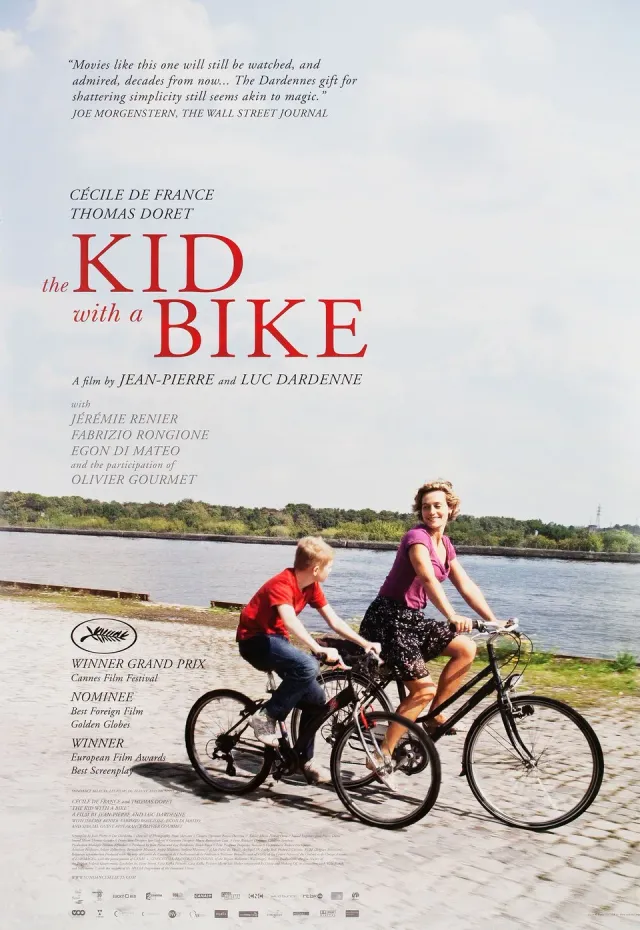
What changes Shoeshine: gradual, cumulative and bleak. The Kid with a Bike: brisk, observational and emotionally cumulative.
Twelve-year-old Cyril lives in a children’s home in Liège and keeps trying to reach his father, who has left him behind. After a chance encounter, hairdresser Samantha agrees to take him on weekends and returns his bicycle. Cyril remains determined to win his father’s attention, and the disappointment leads him toward a local gang leader despite Samantha’s care. The Dardenne brothers follow the boy’s impulsive search for belonging through fragile trust, rejection and the possibility of choosing another path.
Based on recorded story, mood and style. Your preferences can change the order.
What changes Shoeshine: gradual, cumulative and bleak. Salò, or the 120 Days of Sodom: ritualized, episodic and escalating.
In the final years of Fascist rule in northern Italy, four powerful men abduct young people and confine them in a villa. They impose a ritual order in which stories of sexual and bodily violence are narrated, codified and then enacted, with the captives’ lives reduced to objects of the rulers’ control. Pasolini arranges the film in four Dante-inspired circles, moving from rules and narration toward escalating punishments and a detached final spectacle. The disciplined structure makes cruelty feel bureaucratic and political rather than spontaneous; the film’s sustained assault on its captives is intentionally difficult viewing.
Based on recorded story, mood and style. Your preferences can change the order.
What changes Shoeshine: gradual, cumulative and bleak. Ben-Hur: sweeping and action-led.
A privileged young man in Roman-occupied Judea loses his status and freedom after a political incident divides him from his adopted brother, a Roman officer. Surviving enslavement, he returns with the skills and opportunity to confront his former family member in a chariot race. His pursuit of redress becomes a conflict between revenge and forgiveness, framed by religious encounters and the cost of imperial power.
Based on recorded story, mood and style. Your preferences can change the order.
Coming of age · Criminal underworld
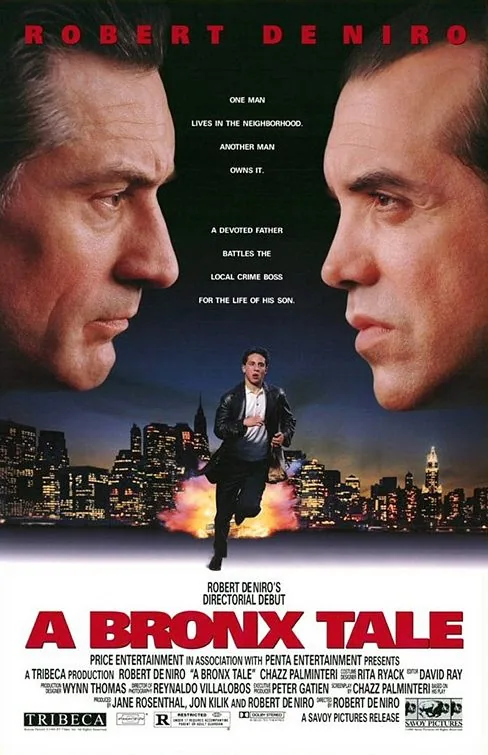
What changes Shoeshine: gradual, cumulative and bleak. A Bronx Tale: steady.
A boy in an Italian American neighborhood witnesses a killing and wins a local gangster's favor by refusing to identify him. As he grows up, he moves between the gangster's seductive authority and his bus driver father's insistence on honest work. An interracial romance and his friends' escalating racism make the choice between these models of adulthood increasingly urgent.
Based on recorded story, mood and style. Your preferences can change the order.
Coming of age
What changes Shoeshine: gradual, cumulative and bleak. Moonlight: measured.
Across childhood, adolescence and adulthood, a quiet boy from Miami learns different ways to protect himself from bullying, instability at home and expectations of masculinity. A drug dealer and his partner offer care complicated by the economy harming his mother, while one friendship creates a vulnerable possibility of intimacy. The divisions between the three periods reveal how a hardened adult identity can preserve earlier wounds without extinguishing the desire to be known.
Based on recorded story, mood and style. Your preferences can change the order.
Coming of age
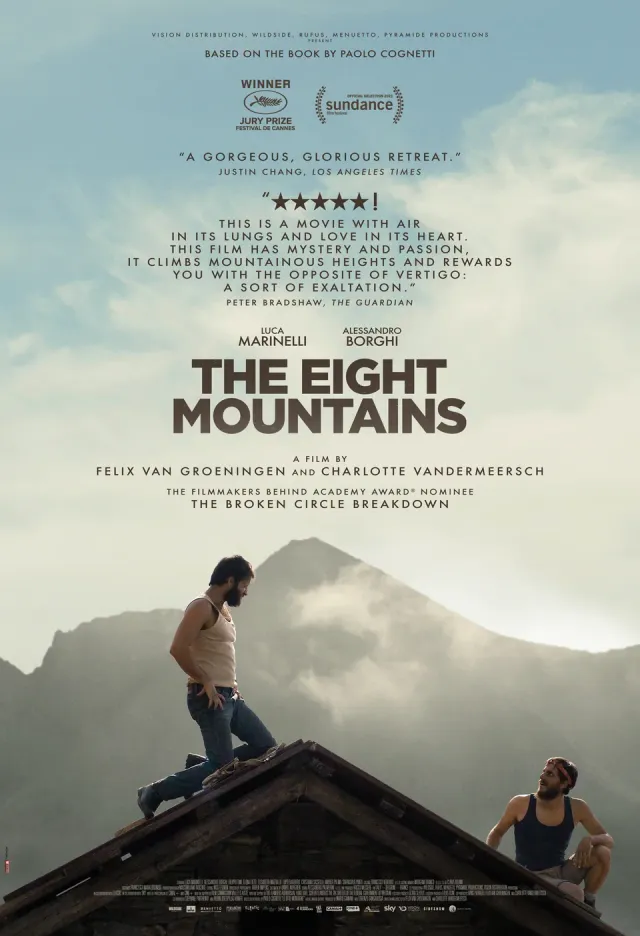
What changes Shoeshine: gradual, cumulative and bleak. The Eight Mountains: patient, seasonal, reflective and long-form.
Pietro first meets Bruno as a boy during a summer in an Alpine village, and the two form a friendship that continues through long periods apart. Pietro grows up moving between city life and the mountains, while Bruno remains tied to the place and the work of building a home there. Their adult relationship carries the film across decades, exploring inheritance, ambition and the different ways people seek a life that feels like their own.
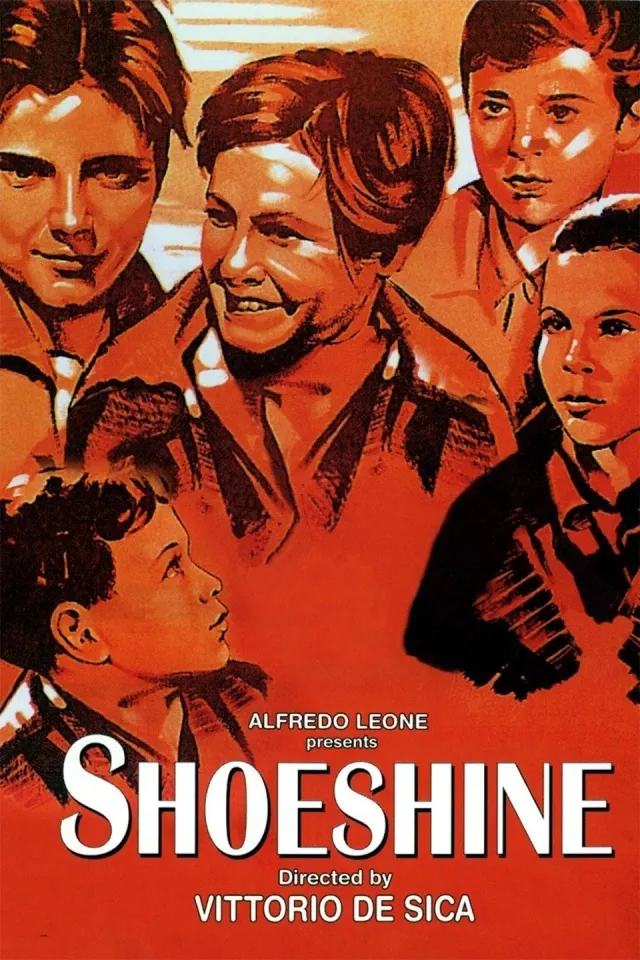
In postwar Rome, friends Giuseppe and Pasquale shine shoes and save for a horse. An older brother draws them into a small theft, then a fake-police scam leaves the boys holding money while the adults escape with a much larger haul. The real police arrest them and send them to juvenile detention, where separation, pressure from their captors and conflicting loyalties erode their friendship. Their wish for a horse gives the story a small, tangible hope that is crushed by the institutions and adult schemes surrounding them.
What drives the story
The boys’ criminal trouble begins with an attempt to secure a modest dream, then grows through adult manipulation and a justice system that treats children as expendable.
The people at its centre
Giuseppe and Pasquale protect one another by staying silent, but an apparent betrayal fractures the trust that kept them together; the film’s tragedy comes from that fragile bond.
What it feels like
Naturalistic locations and restrained performances turn detention and street life into a close social drama, with no heroic escape from the consequences of poverty.
Worth knowing
A strong match for humanist neorealism about childhood, poverty and institutional harm; the bleak, emotionally severe treatment is far from a nostalgic juvenile adventure.