Both share themes of friendship, plus a melancholy atmosphere.
Why this matches +
Genres: Drama
Shared film traits
Based on recorded story, mood and style. Your preferences can change the order.
Family and care · Memory and identity
What changes The Eight Mountains: patient, seasonal, reflective and long-form. The Room Next Door: deliberate, conversation-led and quietly intense.
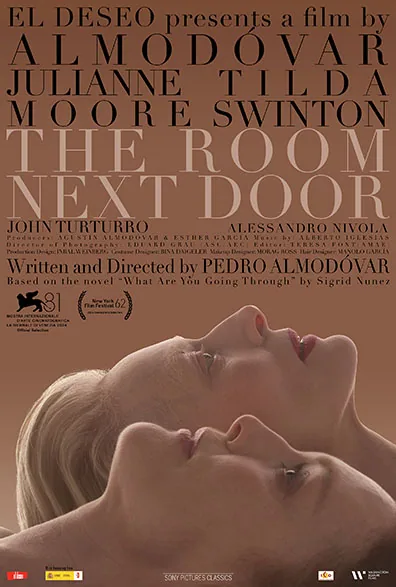
Ingrid, a successful writer, reconnects with Martha, a former colleague now living with terminal cancer. Martha asks Ingrid to stay close as she prepares to end her life on her own terms, and the two women retreat to a country house where companionship and difficult conversations replace the routines of the hospital. Their friendship, memories and conflicting responses to death create an intimate drama about autonomy, care and the limits of what one person can decide for another.
Based on recorded story, mood and style. Your preferences can change the order.
Coming of age
What changes The Eight Mountains: patient, seasonal, reflective and long-form. Cinema Paradiso: measured.
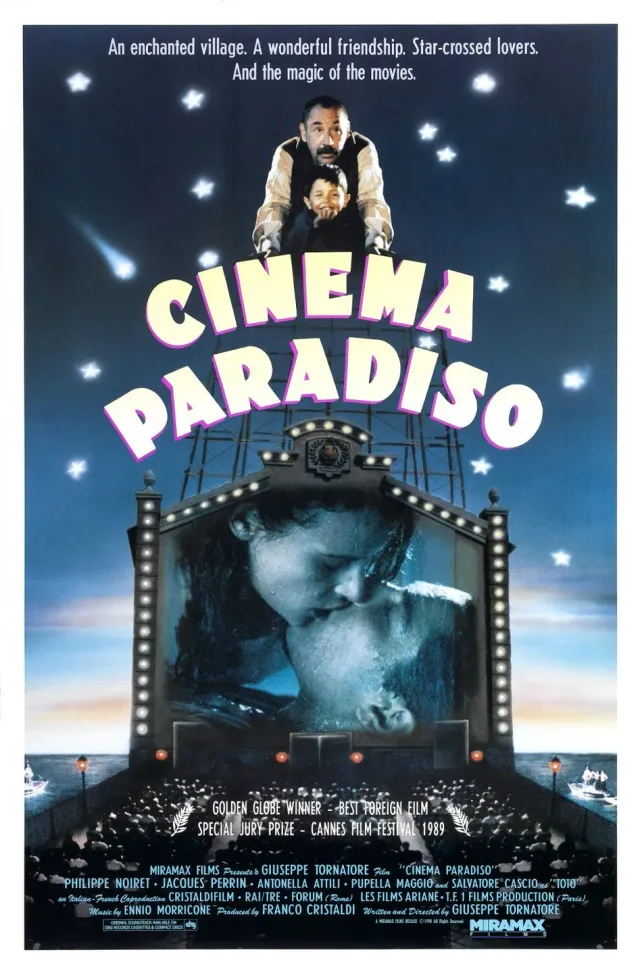
A successful filmmaker learns of a death in the Sicilian town he left decades earlier and revisits his childhood through memories of its cinema. Friendship with a projectionist introduced him to images, forbidden access and the communal life organised around a screen. Growing older brings romance and the difficult possibility that following a vocation may require leaving the place and people through which that vocation first became imaginable.
Based on recorded story, mood and style. Your preferences can change the order.
What changes The Eight Mountains: patient, seasonal, reflective and long-form. 1900: slow and epic.
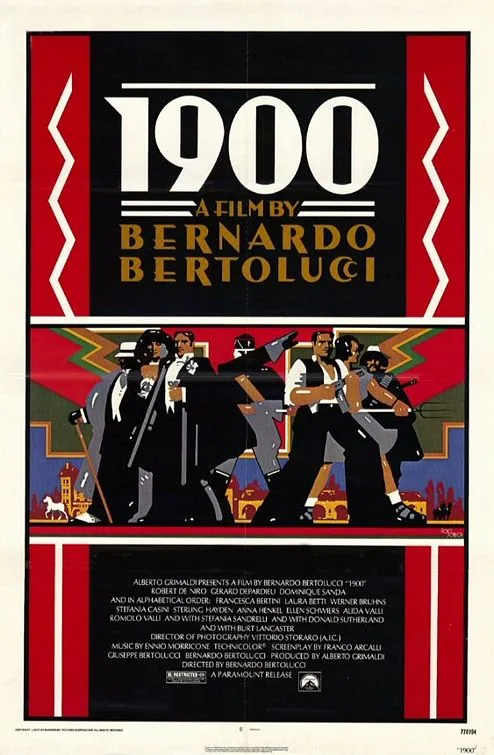
Two boys born on an Italian estate grow up divided by ownership: Alfredo inherits the land, while Olmo becomes a voice for its workers. Their friendship persists through strikes, war and the rise of fascist enforcement, but affection cannot erase the material power separating them. As repression reaches into marriages and households, the possibility of liberation raises another question: whether changing who commands the estate can finally end the relationship that made one man its master.
Based on recorded story, mood and style. Your preferences can change the order.
Family and care
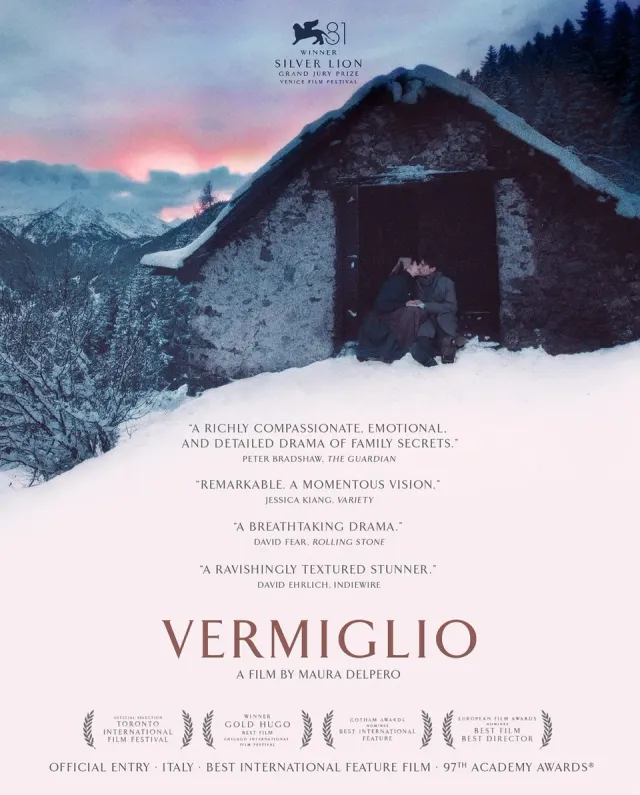
What changes The Eight Mountains is tagged contemplative and warm; Vermiglio is tagged quiet and austere.
In the final winter of the Second World War, a Sicilian soldier arrives in the alpine village of Vermiglio and is taken in by a local family. His presence changes the lives of the household's daughters, especially Lucia, and draws private desires into the rhythms of village life. Maura Delpero observes the family across seasons as war, religion, work and social expectations shape what each generation can say aloud and what futures remain possible.
Based on recorded story, mood and style. Your preferences can change the order.
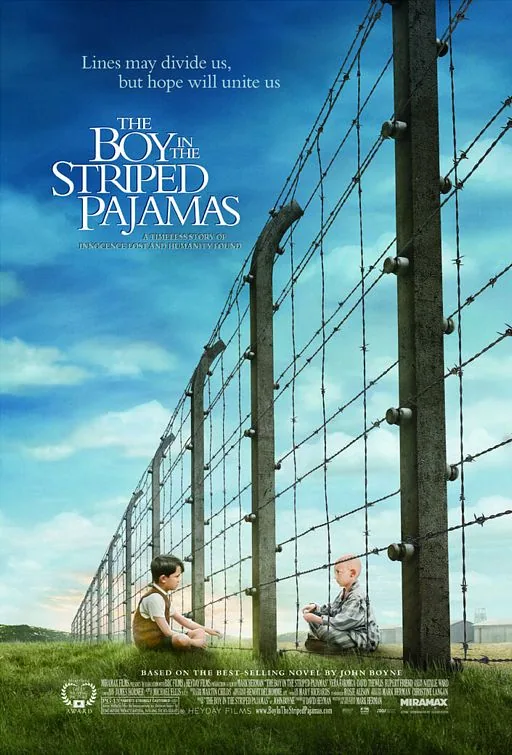
What changes The Eight Mountains: patient, seasonal, reflective and long-form. The Boy in the Striped Pajamas: fable-like progression and inevitable tragedy.
Eight-year-old Bruno moves with his family to the countryside when his father, an SS officer, takes command of a nearby concentration camp. Believing the prisoners’ uniforms mark a farm, Bruno explores the area and befriends Shmuel, a Jewish boy on the other side of the fence. Their conversations continue as Bruno’s sister absorbs Nazi ideology and his mother begins to understand what the camp is. When Shmuel’s father disappears, Bruno enters the camp in disguise to help search for him, with devastating consequences. The film presents this as a fable through a child’s limited understanding, but Holocaust educators have warned that its implausible premise can leave viewers with misleading ideas about camp life and the knowledge of ordinary Germans. It should not be used as a representative historical account.
Based on recorded story, mood and style. Your preferences can change the order.
Coming of age · Memory and identity
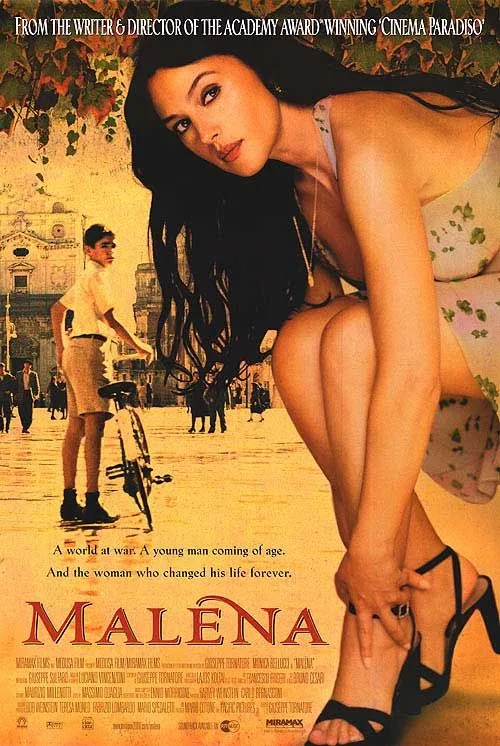
What changes The Eight Mountains: patient, seasonal, reflective and long-form. Malèna: episodic and measured.
In wartime Sicily, adolescent Renato watches Malèna, a young woman whose beauty makes her the subject of the town’s desire, gossip and punishment. He imagines a relationship with her but has little knowledge of her thoughts or access to the choices shaping her life. When her husband is reported dead and the war deepens, social protection falls away; the town first objectifies Malèna and then condemns her for the very attention it has imposed. Giuseppe Tornatore’s nostalgic narration and explicit scenes of cruelty place viewers inside Renato’s gaze while also exposing its limits. His late gesture is small beside the material vulnerability and communal violence she has endured. The film is not an equal romance or a simple fond memory of boyhood.
Based on recorded story, mood and style. Your preferences can change the order.
Coming of age · Family and care
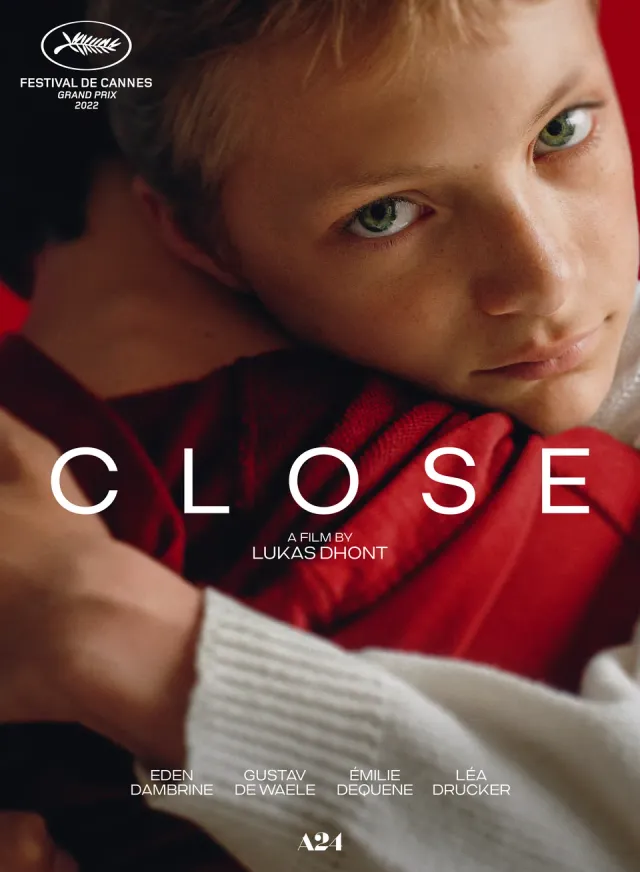
What changes The Eight Mountains is tagged contemplative and warm; Close is tagged tender and observant.
Léo and Rémi share a close friendship through childhood games, sleepovers and summers at a flower farm in rural Belgium. When classmates begin labeling their intimacy, Léo becomes more guarded and turns toward new peers and ice hockey, leaving Rémi to make sense of the distance. A sudden loss changes the story into an intimate portrait of grief, guilt and the ways a boy tries to understand feelings he has been taught to conceal.
Based on recorded story, mood and style. Your preferences can change the order.
Coming of age · Family and care
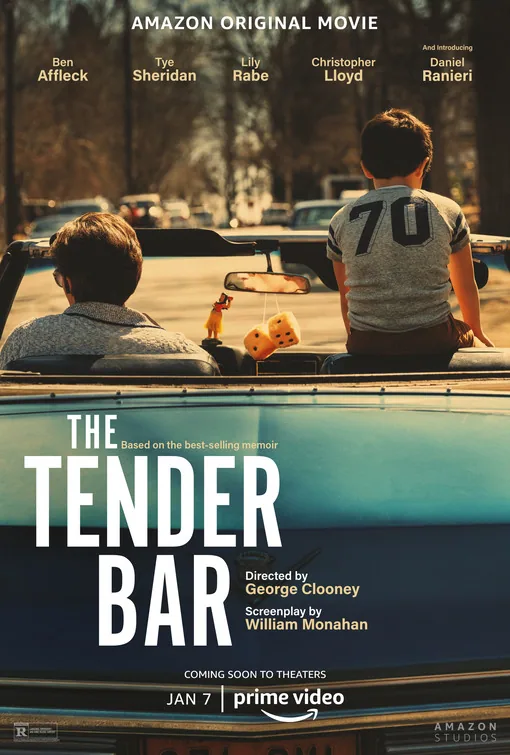
What changes The Eight Mountains: patient, seasonal, reflective and long-form. The Tender Bar: jr moves between home, school and the bar and receiving different ideas about responsibility and success as he grows older..
Growing up on Long Island, JR lives with his mother and her family after his father, a radio DJ, fails to remain present in his life. At his uncle Charlie’s neighborhood bar, he finds a circle of adults who share advice, stories and a sense of belonging. His mother’s hopes for education and his own ambitions gradually shape his route into adulthood.
Based on recorded story, mood and style. Your preferences can change the order.
Memory and identity
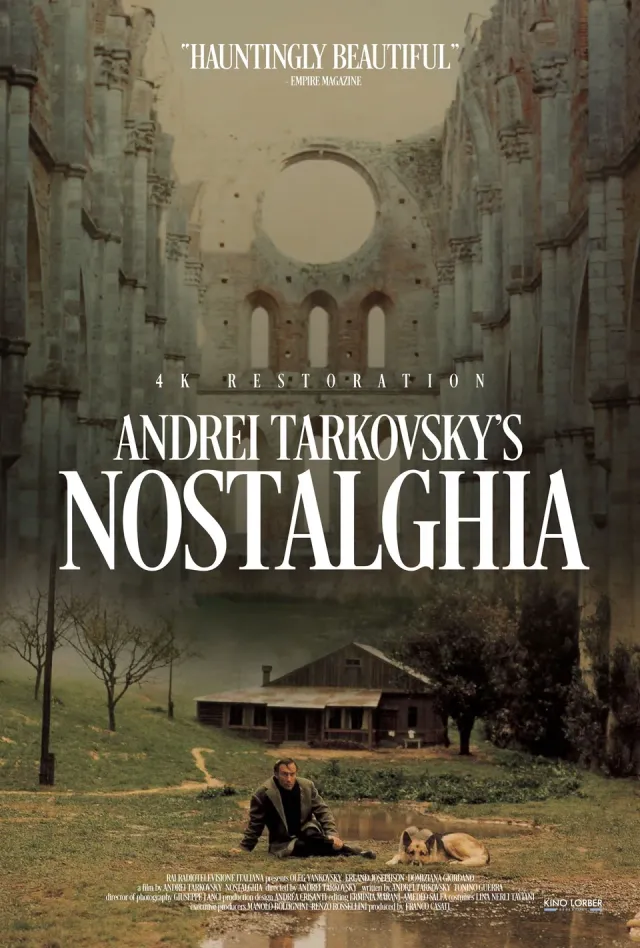
What changes The Eight Mountains: patient, seasonal, reflective and long-form. Nostalghia: slow and measured.
Russian writer Andrei Gorchakov travels through Tuscany with interpreter Eugenia while researching composer Pavel Sosnovsky, a countryman who died by suicide after returning from Italy. Andrei feels estranged from the landscape and from Eugenia’s attempts at closeness. He befriends Domenico, a man regarded as mad after locking his family indoors to save them from the end of the world, and accepts a candle with a promise to carry its flame across a drained mineral pool. As Domenico’s public protest ends in self-immolation, Andrei returns to complete the candle crossing, collapsing after he succeeds.
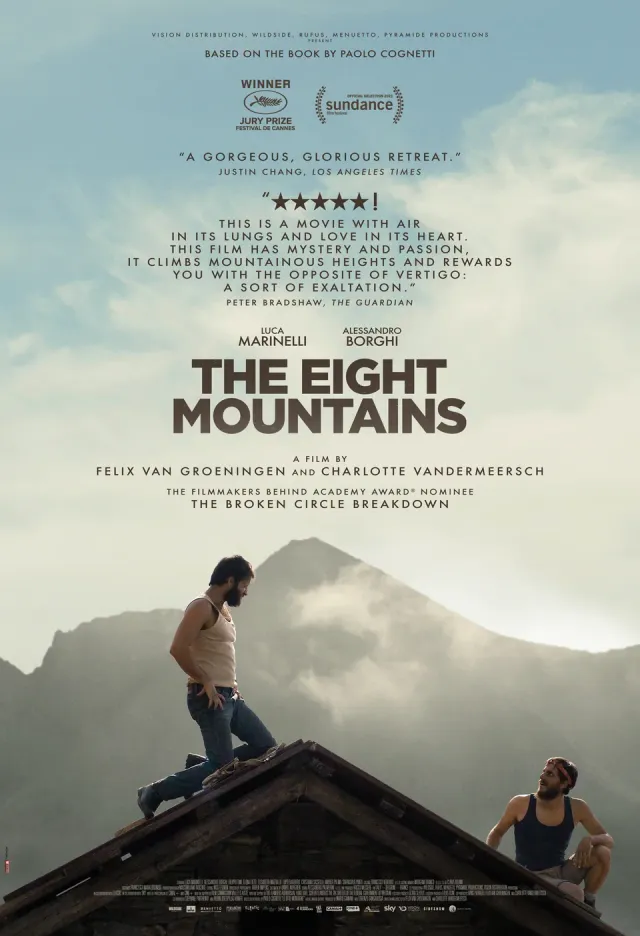
Pietro first meets Bruno as a boy during a summer in an Alpine village, and the two form a friendship that continues through long periods apart. Pietro grows up moving between city life and the mountains, while Bruno remains tied to the place and the work of building a home there. Their adult relationship carries the film across decades, exploring inheritance, ambition and the different ways people seek a life that feels like their own.
What drives the story
Pietro and Bruno are drawn back into each other’s lives by shared history and the mountain home Bruno tries to build.
The people at its centre
Pietro learns to reconsider his distance from his father and from Bruno, while Bruno commits himself to a demanding life in the mountains.
What it feels like
Broad landscapes give the friendship a physical scale and let changing homes and seasons register the passage of time.
Worth knowing
A reflective, decades-spanning friendship drama with landscape and work at its center, rather than a plot-driven adventure.