Explore films connected to Salò, or the 120 Days of Sodom through Power, Dehumanization, Authority. Choose the qualities you want to carry into your next watch.
What should feel similar?
Find your next favourite
9 films · Closest overall matches
Hide films you’ve seen or don’t want. Saved on this device.
No matches for this combination yet.
Try another option or reset your choices to see more films.
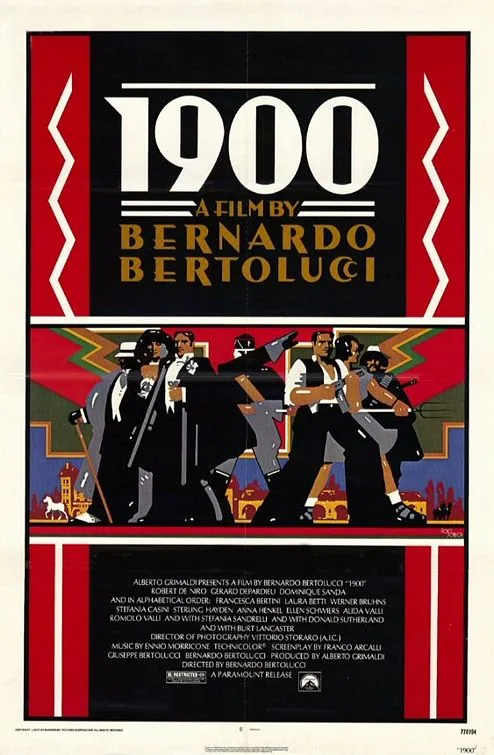
Both share themes of power, plus a confrontational atmosphere.
Why this matches +
Genres: Drama / History
Shared film traits
Based on recorded story, mood and style. Your preferences can change the order.
War and civilian life
What changes Salò, or the 120 Days of Sodom: ritualized, episodic and escalating. 1900: slow and epic.
Two boys born on an Italian estate grow up divided by ownership: Alfredo inherits the land, while Olmo becomes a voice for its workers. Their friendship persists through strikes, war and the rise of fascist enforcement, but affection cannot erase the material power separating them. As repression reaches into marriages and households, the possibility of liberation raises another question: whether changing who commands the estate can finally end the relationship that made one man its master.
Both centre on coercive institution and political resistance.
Why this matches +
Genres: Drama / Action
Shared film traits
Based on recorded story, mood and style. Your preferences can change the order.
What changes Salò, or the 120 Days of Sodom is tagged cold and oppressive; The Last Castle is tagged tense and somber.
A decorated general is sent to a military prison after a court-martial and clashes with the commandant over the treatment of the inmates. What begins as a dispute over authority develops into an organized challenge to the prison's abusive system, drawing former soldiers into a difficult test of discipline and solidarity. The film frames rebellion as a conflict between rank and moral leadership, with the prison's structure turning every act of resistance into a public choice.
Based on recorded story, mood and style. Your preferences can change the order.
What changes Salò, or the 120 Days of Sodom: ritualized, episodic and escalating. Kiss of the Spider Woman: conversation-led.
In a Brazilian prison cell, political prisoner Valentin shares space with Molina, a gay man jailed for a sexual offense. Molina recounts vivid film fantasies to pass the time and soften the prison's harsh routines, while Valentin distrusts the stories and resists the authorities' effort to extract information. Their conversations gradually create an unexpected bond, as fantasy, desire, loyalty, and political danger make the cell a place of both coercion and connection.
Based on recorded story, mood and style. Your preferences can change the order.
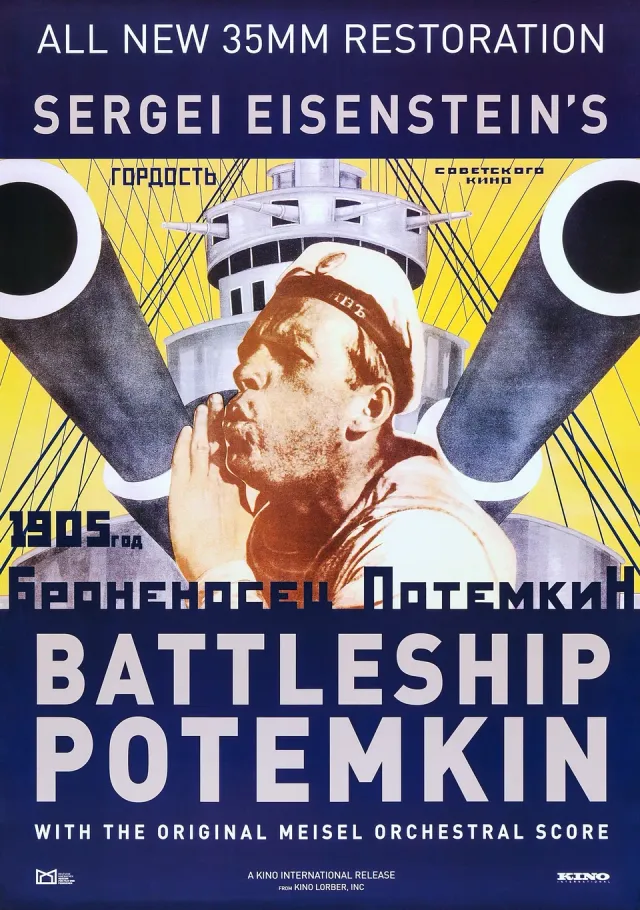
What changes Salò, or the 120 Days of Sodom: ritualized, episodic and escalating. Battleship Potemkin: intense.
Sailors subjected to degrading conditions challenge the officers commanding their ship, and a confrontation over rotten food becomes a catalyst for mutiny. Public mourning and solidarity in a nearby port place the uprising inside a wider struggle over state violence. The film arranges bodies, crowds and abrupt collisions of images into a deliberately political account in which collective feeling becomes as important as the actions of any named individual.
Based on recorded story, mood and style. Your preferences can change the order.
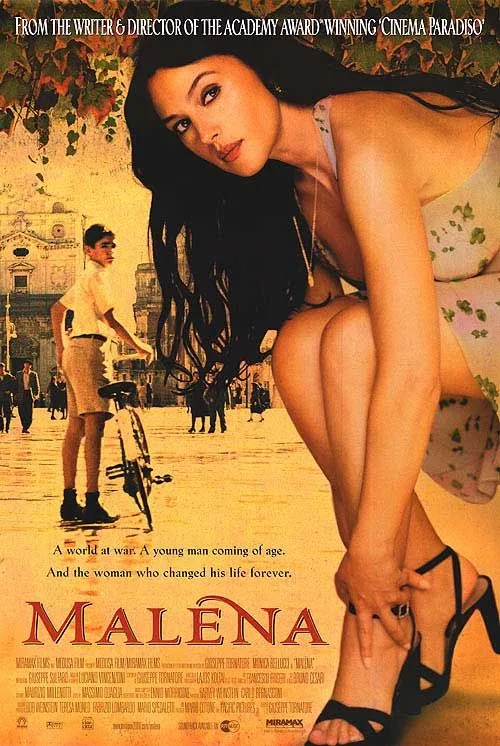
What changes Salò, or the 120 Days of Sodom is tagged cold and oppressive; Malèna is tagged lyrical and disturbing.
In wartime Sicily, adolescent Renato watches Malèna, a young woman whose beauty makes her the subject of the town’s desire, gossip and punishment. He imagines a relationship with her but has little knowledge of her thoughts or access to the choices shaping her life. When her husband is reported dead and the war deepens, social protection falls away; the town first objectifies Malèna and then condemns her for the very attention it has imposed. Giuseppe Tornatore’s nostalgic narration and explicit scenes of cruelty place viewers inside Renato’s gaze while also exposing its limits. His late gesture is small beside the material vulnerability and communal violence she has endured. The film is not an equal romance or a simple fond memory of boyhood.
Based on recorded story, mood and style. Your preferences can change the order.
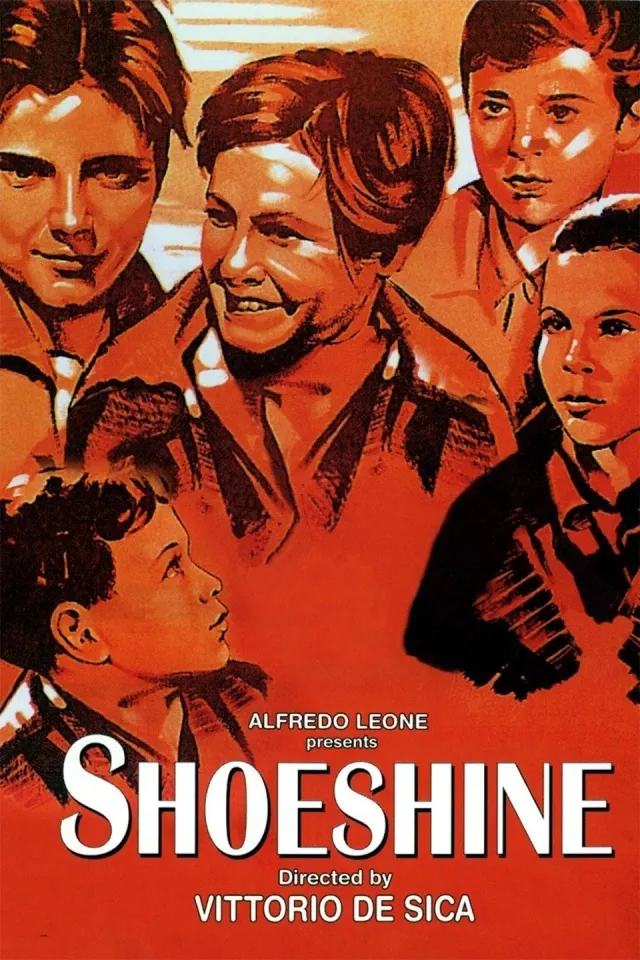
What changes Salò, or the 120 Days of Sodom: ritualized, episodic and escalating. Shoeshine: gradual, cumulative and bleak.
In postwar Rome, friends Giuseppe and Pasquale shine shoes and save for a horse. An older brother draws them into a small theft, then a fake-police scam leaves the boys holding money while the adults escape with a much larger haul. The real police arrest them and send them to juvenile detention, where separation, pressure from their captors and conflicting loyalties erode their friendship. Their wish for a horse gives the story a small, tangible hope that is crushed by the institutions and adult schemes surrounding them.
Based on recorded story, mood and style. Your preferences can change the order.
War and civilian life
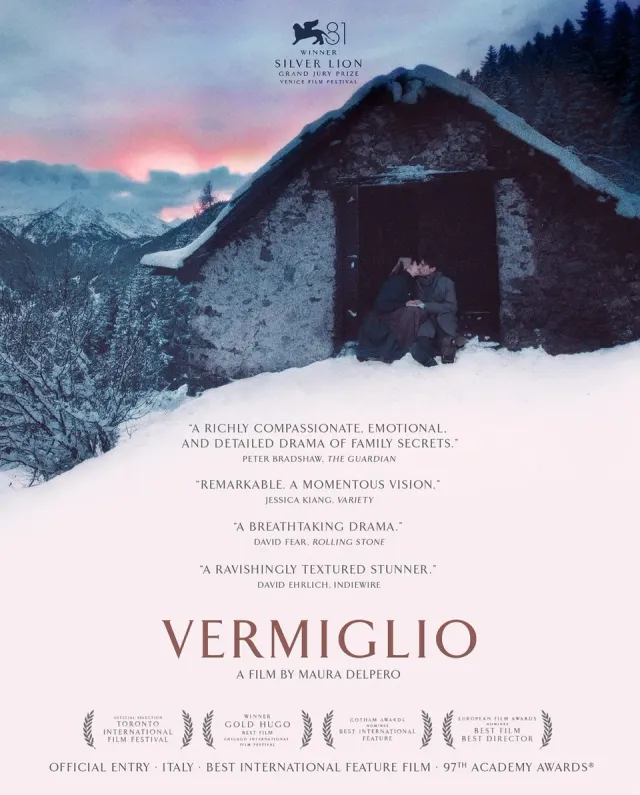
What changes Salò, or the 120 Days of Sodom: ritualized, episodic and escalating. Vermiglio: patient, seasonal and ensemble-led.
In the final winter of the Second World War, a Sicilian soldier arrives in the alpine village of Vermiglio and is taken in by a local family. His presence changes the lives of the household's daughters, especially Lucia, and draws private desires into the rhythms of village life. Maura Delpero observes the family across seasons as war, religion, work and social expectations shape what each generation can say aloud and what futures remain possible.
Based on recorded story, mood and style. Your preferences can change the order.
War and civilian life
What changes Salò, or the 120 Days of Sodom is tagged cold and oppressive; Napoleon is tagged epic and intense.
The film follows Napoleon Bonaparte from the French Revolution through his rise as emperor, military victories, marriage to Joséphine and eventual exile. His relationship with Joséphine shapes the private strand, including their lack of a shared heir and his politically motivated remarriage. The campaign sequence moves from Toulon and Austerlitz to the disastrous invasion of Russia, Waterloo and defeat. The story treats statecraft and battle through Napoleon's personal ambition and volatility, compressing a long political and military history into selected episodes rather than a full chronology.
Based on recorded story, mood and style. Your preferences can change the order.
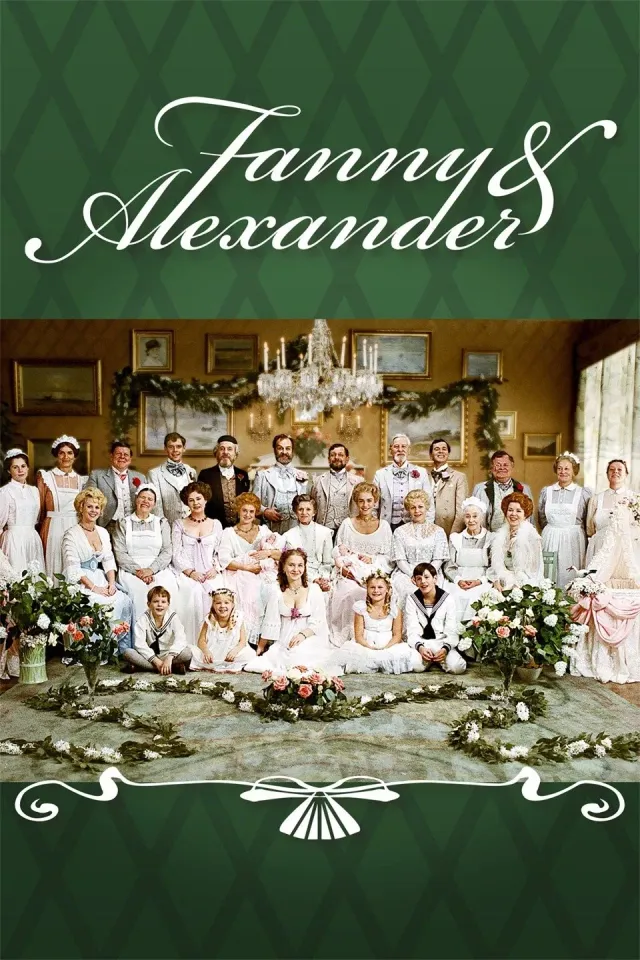
What changes Salò, or the 120 Days of Sodom is tagged cold and oppressive; Fanny and Alexander is tagged warm and distressing.
After their father dies, Fanny and Alexander move from the Ekdahl family’s theatrical, affectionate and imperfect home into the bishop’s rigid household. Alexander’s vivid imagination contests an authority that treats obedience as proof of virtue, while their mother’s marriage and the children’s vulnerability limit the protection she can provide. Their escape depends on an extended family whose earlier warmth should not be mistaken for innocence. Because Bergman released both a shorter theatrical version and a much longer television version, the balance between family life, punishment and uncanny perception changes with the cut being watched.
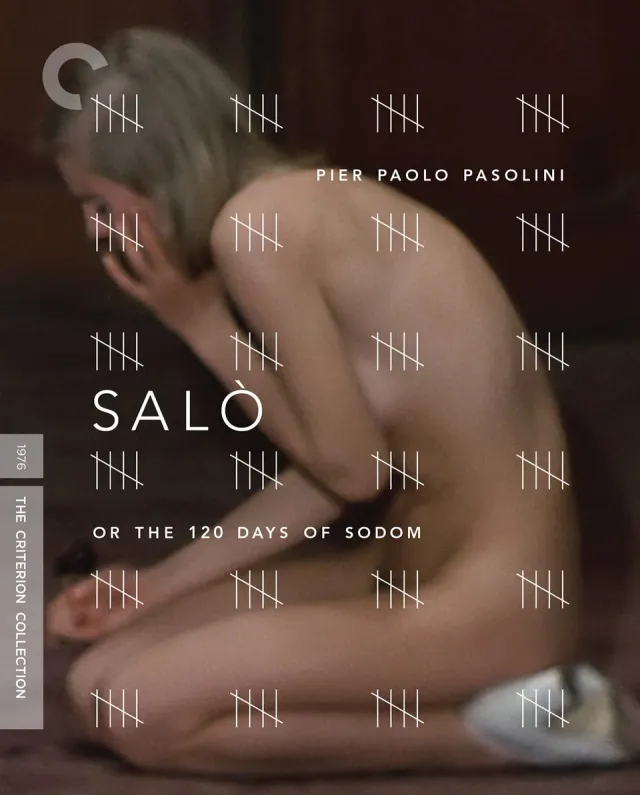
In the final years of Fascist rule in northern Italy, four powerful men abduct young people and confine them in a villa. They impose a ritual order in which stories of sexual and bodily violence are narrated, codified and then enacted, with the captives’ lives reduced to objects of the rulers’ control. Pasolini arranges the film in four Dante-inspired circles, moving from rules and narration toward escalating punishments and a detached final spectacle. The disciplined structure makes cruelty feel bureaucratic and political rather than spontaneous; the film’s sustained assault on its captives is intentionally difficult viewing.
What drives the story
The four-circle structure turns repeated narration, arbitrary rules and punishment into a system through which political power claims ownership of bodies.
The people at its centre
The captives are denied meaningful agency while the rulers formalize their violence; the film asks viewers to confront that hierarchy instead of treating the events as sensational adventure.
What it feels like
Static compositions, formal ritual and emotionally distanced staging create a cold, controlled surface that refuses the release of a conventional rescue or revenge plot.
Worth knowing
This is extreme political art-horror with graphic sexual violence, torture and degradation; its depiction of abuse is not a queer romance or a general representation of LGBTQ life.
PowerDehumanizationAuthority
Mood
Cold · Oppressive · Confrontational
Pacing
Ritualized · Episodic · Escalating
Visual style
Static compositions · Formal tableaux · Villa interiors
Storytelling
Political art-horror · Captivity · Institutionalized abuse