Runtime: 1h 7mMPA rating: Not rated (source version)
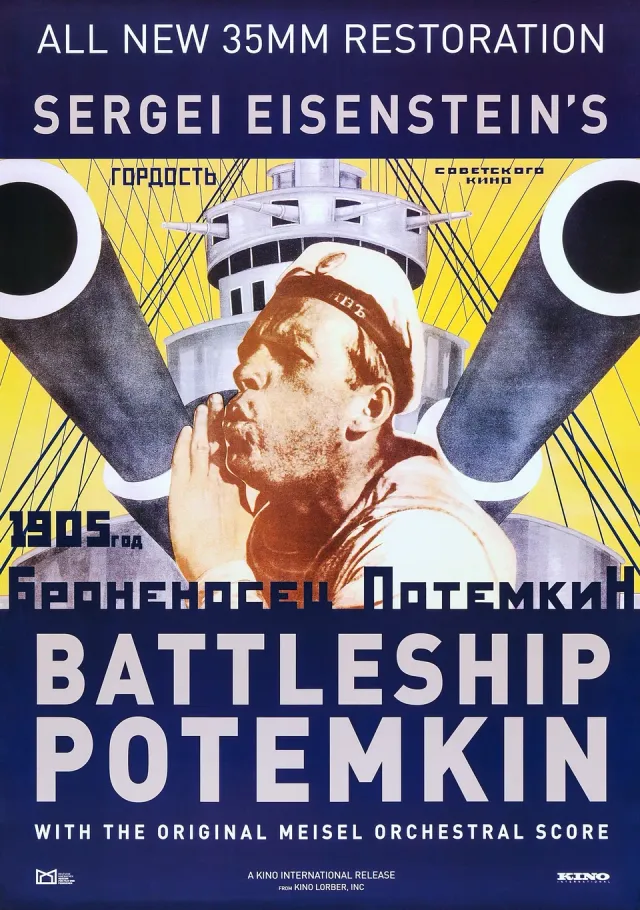
An uprising against everyday institutional abuse expands into collective confrontation, expressed through forceful montage and emblematic images of repression.
What should feel similar?
Find your next favourite
9 of 13 films · Closest overall matches
Hide films you’ve seen or don’t want. Saved on this device.
No matches for this combination yet.
Try another option or reset your choices to see more films.
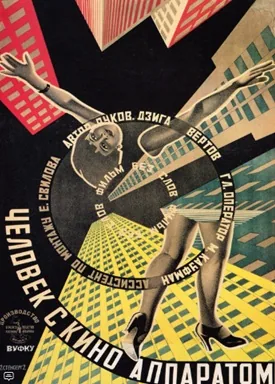
A working day becomes raw material for an editor who exposes how camera placement and cutting build a cinematic account of collective life.
Why this matches +
These films share important themes, atmosphere or storytelling interests with this selection.
Genres: Documentary / Experimental
The approach A documentary treatment rather than a dramatic feature.
Shared film traits
Based on recorded story, mood and style. Your preferences can change the order.
What changes Its own story: A working day becomes raw material for an editor who exposes how camera placement and cutting build a cinematic account of collective life.
Across a day in several Soviet cities, a cameraman records streets, factories, transport, leisure and public events while an editor assembles the footage into a dynamic portrait of modern urban life. The film repeatedly shows the camera operator at work and the editor arranging the very images the audience sees, making production part of its subject. There is no conventional cast or dialogue-driven plot: visual associations, superimpositions and changes in speed turn ordinary labor and motion into an experiment in what cinema can reveal and construct.
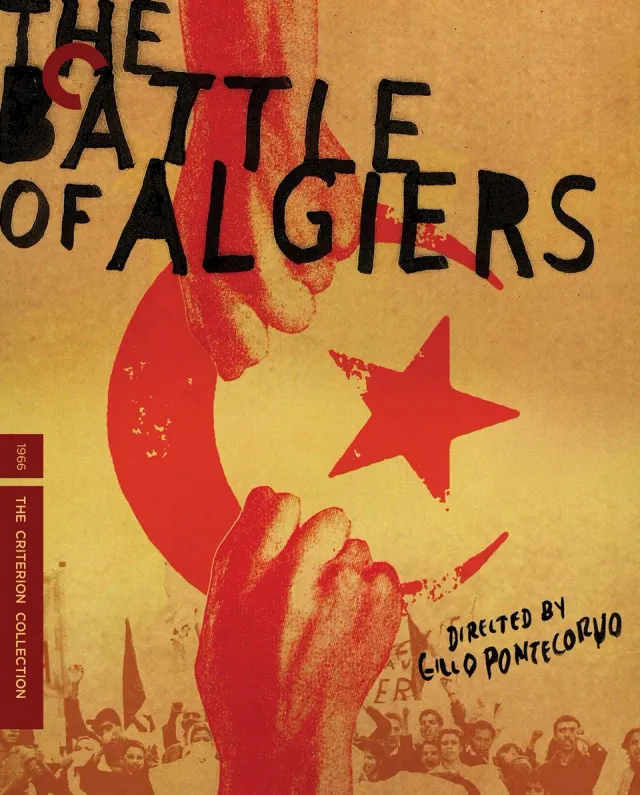
The story moves from cell-level resistance to counterinsurgency, showing how tactical victories fail to settle the political question of Algerian independence.
Why this matches +
These films share important themes, atmosphere or storytelling interests with this selection.
Genres: Drama / Historical
Shared film traits
Based on recorded story, mood and style. Your preferences can change the order.
Political resistance
What changes Its own story: The story moves from cell-level resistance to counterinsurgency, showing how tactical victories fail to settle the political question of Algerian independence.
Beginning with French forces closing in on Ali la Pointe, the film flashes back to the growth of the National Liberation Front in the Casbah between 1954 and 1957. It follows urban resistance cells and the French paratroopers sent to dismantle them, showing both insurgent attacks and the military campaign of arrests and torture. The struggle escalates through bombings, reprisals and the destruction of FLN leadership, but nationalist demonstrations continue after the immediate battle is lost. The film frames the city as a contested political space and connects tactical victories to a wider movement for independence.
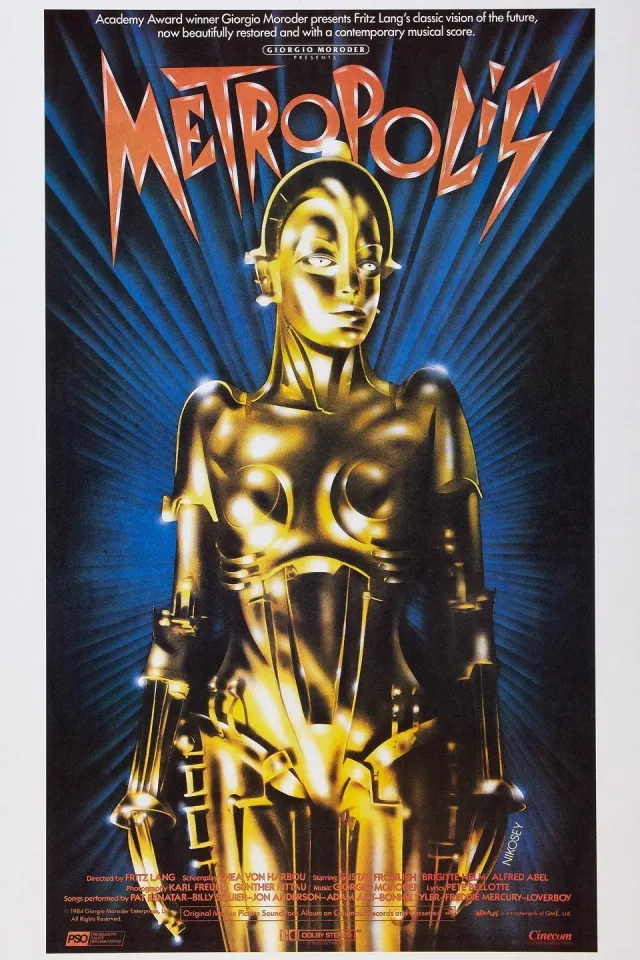
A concealed class order is destabilised when an artificial double redirects workers' hopes and grievances into actions serving competing private agendas.
Why this matches +
These films share important themes, atmosphere or storytelling interests with this selection.
Genres: Science fiction / Drama
Shared film traits
Based on recorded story, mood and style. Your preferences can change the order.
Political resistance
What changes Its own story: A concealed class order is destabilised when an artificial double redirects workers' hopes and grievances into actions serving competing private agendas.
The privileged son of an industrial ruler discovers the exhaustion and danger sustaining life beneath his futuristic city. His attraction to a workers' advocate draws him into a conflict his father tries to control through surveillance and a manufactured double. As mechanised labour, religious imagery and mass unrest converge, attempts to manipulate collective fear threaten the very people the opposing leaders claim to represent.
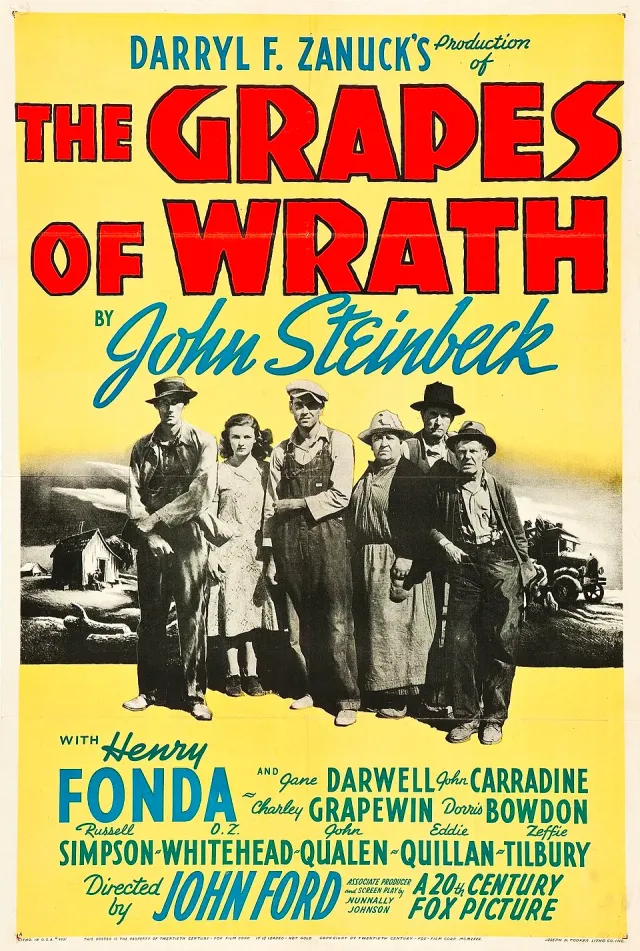
The westward trip promises a fresh start, but each labour camp reveals another way that economic hardship and unequal power constrain the family.
Why this matches +
These films share important themes, atmosphere or storytelling interests with this selection.
Genres: Drama
Shared film traits
Based on recorded story, mood and style. Your preferences can change the order.
What changes Its own story: The westward trip promises a fresh start, but each labour camp reveals another way that economic hardship and unequal power constrain the family.
After drought and eviction drive the Joad family from their Oklahoma farm, Tom returns home from prison and travels with them toward California in search of work. The promised jobs prove uncertain, and the family encounters low wages, hostility and camps where migrant workers try to survive together. John Ford’s adaptation focuses on the family’s movement through a system that treats displaced people as disposable, while Ma Joad holds the group together as its circumstances worsen. The 1940 film is its own adaptation, with a more consoling ending than John Steinbeck’s novel.
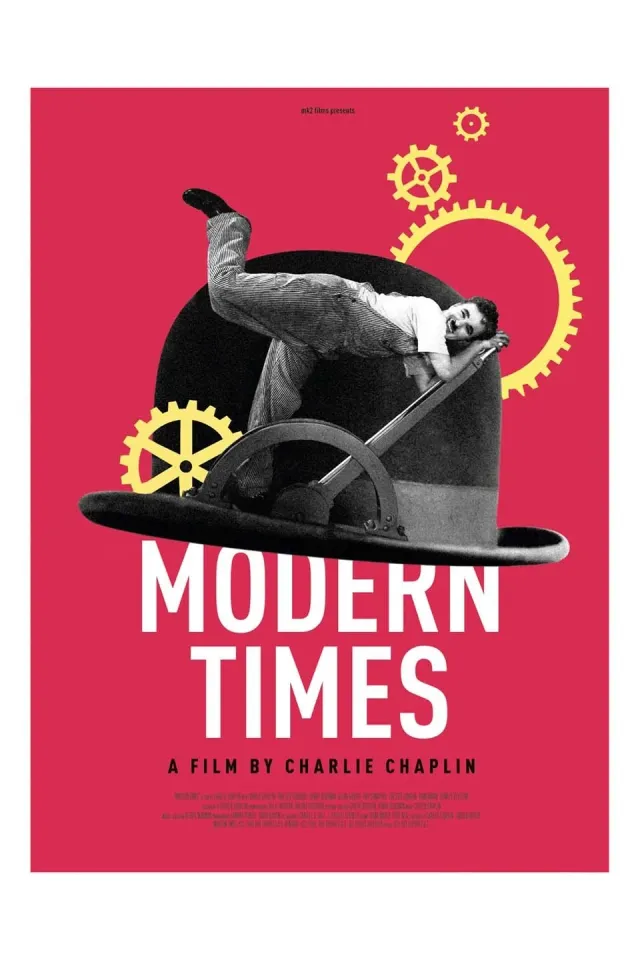
Repeated attempts to secure work and shelter are undone by industrial demands, policing and accidents beyond the protagonists' limited control.
Why this matches +
These films share important themes, atmosphere or storytelling interests with this selection.
Genres: Drama / Romance
Shared film traits
Based on recorded story, mood and style. Your preferences can change the order.
What changes Its own story: Repeated attempts to secure work and shelter are undone by industrial demands, policing and accidents beyond the protagonists' limited control.
A factory worker struggles to keep pace with a production system that treats his body as another machine. After breakdown, unemployment and repeated arrests, he forms a partnership with a young woman also trying to find food and shelter. Their shifting jobs and improvised domestic hopes turn the search for an ordinary livelihood into an episodic confrontation with economic insecurity, mechanised discipline and institutions that mistake vulnerability for disorder.
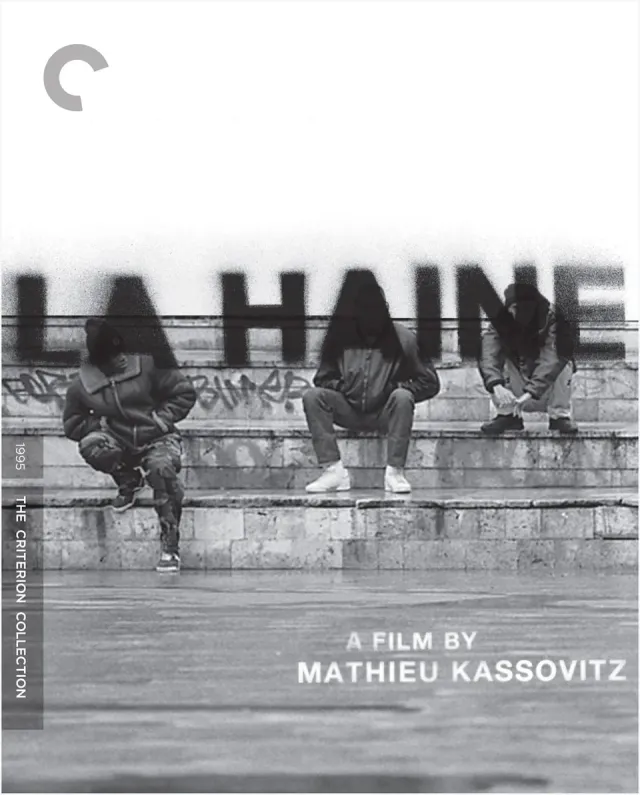
A day of movement and confrontation accumulates around a weapon and the possibility of retaliatory violence.
Why this matches +
These films share important themes, atmosphere or storytelling interests with this selection.
Genres: Crime / Drama
Shared film traits
Based on recorded story, mood and style. Your preferences can change the order.
What changes Its own story: A day of movement and confrontation accumulates around a weapon and the possibility of retaliatory violence.
Three friends from a marginalised Paris suburb spend a tense day after a riot has left another young man critically injured. One carries a police gun and imagines retaliation, while the others respond with scepticism, bravado or attempts at restraint. Encounters in the suburb and the city repeatedly expose humiliation and exclusion, making aimless movement feel like a narrowing set of options.
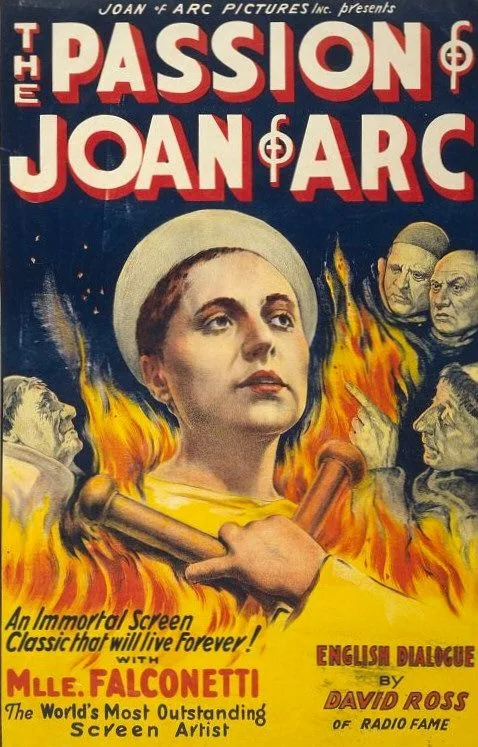
The court uses questioning, deception and threat to make Joan renounce her mission; her recantation and withdrawal shape the movement toward execution.
Why this matches +
These films explore a related idea in a different setting, genre or style.
An adjacent discovery: a related idea with a different viewing experience.
Genres: Drama / Silent
Shared film traits
Based on recorded story, mood and style. Your preferences can change the order.
What changes Its own story: The court uses questioning, deception and threat to make Joan renounce her mission; her recantation and withdrawal shape the movement toward execution.
Captured near Compiègne, Joan of Arc is brought before a clerical court in Rouen, where judges loyal to the English seek to discredit her claim that God called her to drive the occupiers from France. Their questions move from doctrine to her visions, clothing and authority, turning the trial into a battle over who has the right to define her. Deception and threats of torture pressure Joan to sign a confession, but she later withdraws it and faces execution. Carl Theodor Dreyer compresses the historical proceedings into an intensely immediate ordeal, focusing on Joan's face and the reactions of the men judging her rather than recreating her military campaign. The film's emotional force comes from the conflict between institutional power and private conviction.
Four independent plots move toward crises at different speeds; the modern family’s threatened execution becomes the suspenseful anchor, while Babylon’s fall and the religious persecutions widen the historical scale without merging their causes.
Why this matches +
These films explore a related idea in a different setting, genre or style.
An adjacent discovery: a related idea with a different viewing experience.
Genres: Drama / History
Shared film traits
Based on recorded story, mood and style. Your preferences can change the order.
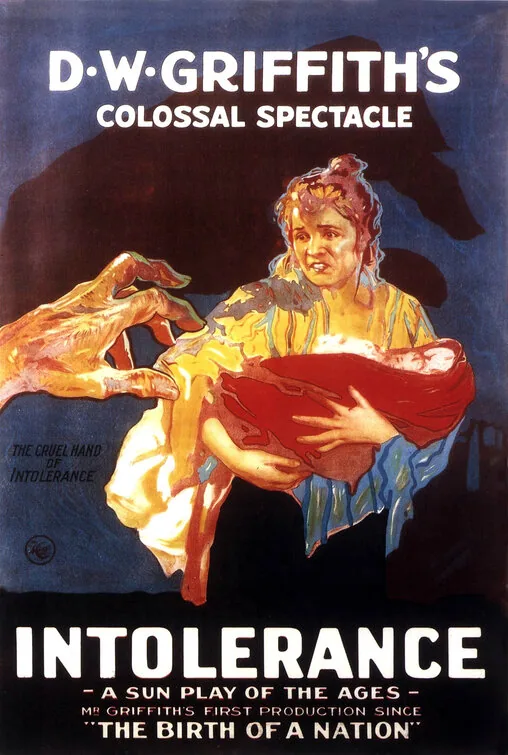
What changes Its own story: Four independent plots move toward crises at different speeds; the modern family’s threatened execution becomes the suspenseful anchor, while Babylon’s fall and the religious persecutions widen the historical scale without merging their causes.
D. W. Griffith intercuts four stories of threatened love and political power: a modern American family endangered by moral reform, Babylon under siege, the persecution of Jesus and the massacre of French Protestants. The strands do not share characters or a single chain of cause and effect; parallel editing makes them into a historical argument about recurring intolerance. The modern rescue plot and the ancient spectacles reach different kinds of closure, so the montage’s emotional unity should not be mistaken for identical outcomes. Its technical ambition is inseparable from the 1915 controversy around Griffith’s racist The Birth of a Nation: the later film’s universal language neither names all of that earlier harm nor amounts to a retraction.
An impossible military order produces a prosecution designed to displace responsibility down the chain of command.
Why this matches +
These films explore a related idea in a different setting, genre or style.
An adjacent discovery: a related idea with a different viewing experience.
Genres: Drama / War
Shared film traits
Based on recorded story, mood and style. Your preferences can change the order.
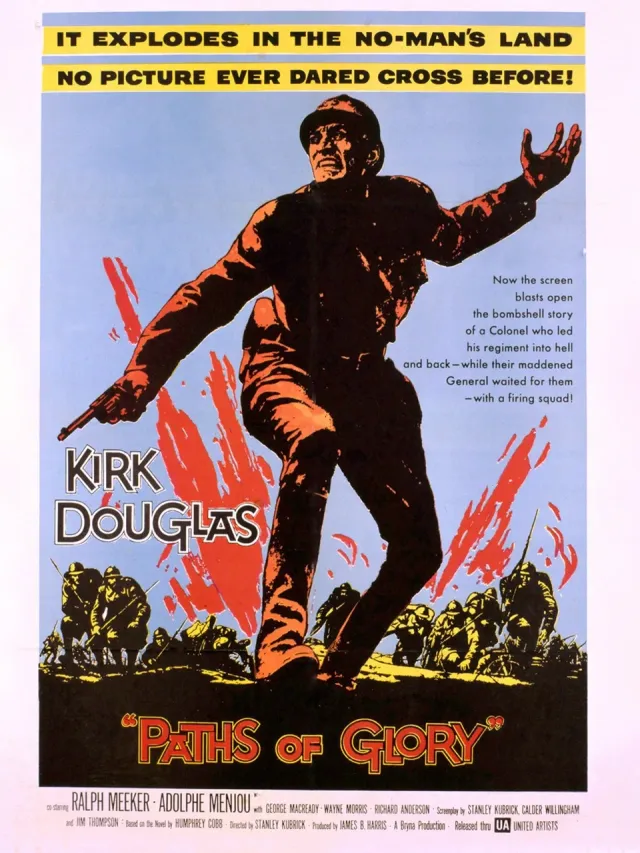
What changes Its own story: An impossible military order produces a prosecution designed to displace responsibility down the chain of command.
A French regiment is ordered into an attack that senior officers have little reason to expect it can survive. After failure, selected soldiers face trial for cowardice while their commander attempts to defend them. The proceedings expose a hierarchy more concerned with reputation and discipline than with the circumstances of the men whose lives it controls.
The murder investigation becomes a fight over whether evidence can survive the pressure of a state that wants the crime reduced to a private or accidental act.
Why this matches +
These films explore a related idea in a different setting, genre or style.
An adjacent discovery: a related idea with a different viewing experience.
Genres: Drama / Thriller
Shared film traits
Based on recorded story, mood and style. Your preferences can change the order.
Political resistance
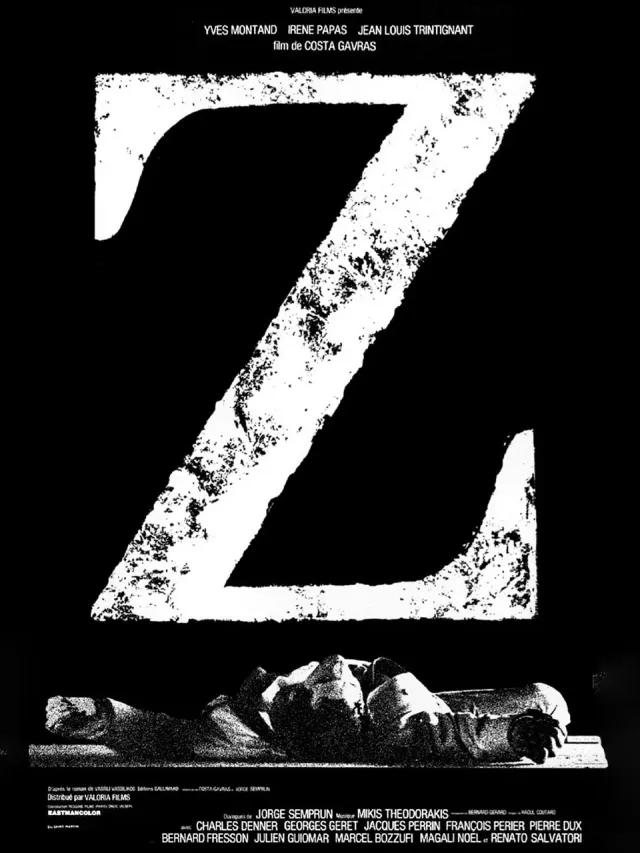
What changes Its own story: The murder investigation becomes a fight over whether evidence can survive the pressure of a state that wants the crime reduced to a private or accidental act.
After a prominent Greek left-wing politician is attacked and dies following a public rally, a magistrate investigates the case despite pressure from officials who want it contained. Journalists and witnesses help expose the gap between the public account and the network of people who planned and concealed the violence. Costa-Gavras shapes the story as a political investigation, using an unnamed country and documentary-like urgency to connect individual testimony with institutional complicity. The title’s protest slogan becomes both a demand to remember the victim and a challenge to an attempted cover-up. Its reportorial momentum makes the investigation itself the chief source of suspense.
Parallel lives of a persecuted civilian and a self-important dictator converge through resemblance, turning mistaken identity into a platform against authoritarian power.
Why this matches +
These films explore a related idea in a different setting, genre or style.
An adjacent discovery: a related idea with a different viewing experience.
Genres: Comedy / War
Shared film traits
Based on recorded story, mood and style. Your preferences can change the order.
Political resistance
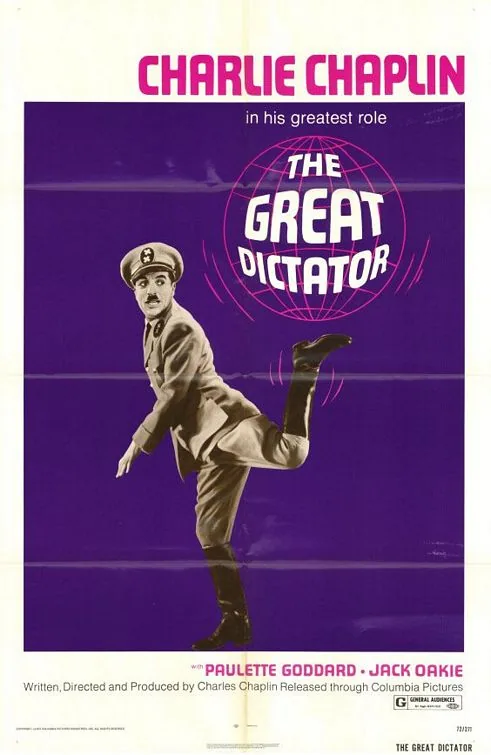
What changes Its own story: Parallel lives of a persecuted civilian and a self-important dictator converge through resemblance, turning mistaken identity into a platform against authoritarian power.
A Jewish barber returns from a long recovery after wartime service to find his neighbourhood subject to a dictatorship's escalating persecution. His resemblance to the country's ruler creates a separate line of confusion while the ruler pursues military expansion and competes with another authoritarian leader. Everyday resistance and comic misunderstandings expose the cruelty behind ceremonial grandeur, eventually giving an ordinary man an extraordinary opportunity to reject the language of domination.
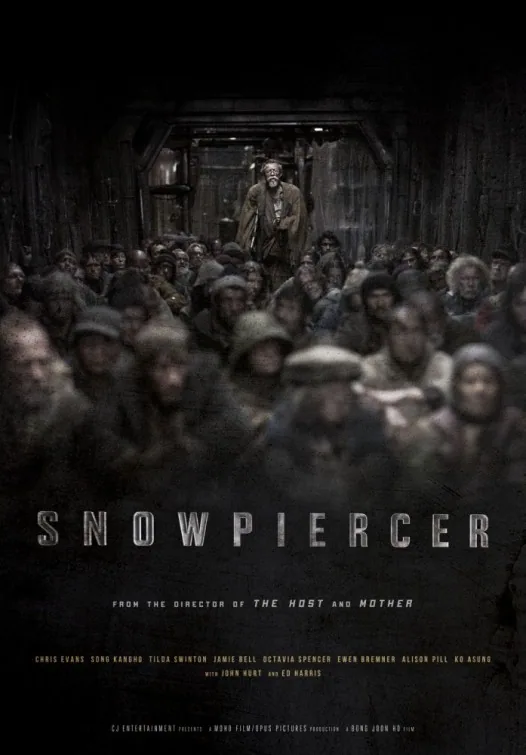
The train’s layout turns social inequality into physical distance: the uprising must literally pass through the system it hopes to overthrow.
Why this matches +
These films explore a related idea in a different setting, genre or style.
An adjacent discovery: a related idea with a different viewing experience.
Genres: Science fiction / dystopian thriller
Shared film traits
Based on recorded story, mood and style. Your preferences can change the order.
Political resistance
What changes Its own story: The train’s layout turns social inequality into physical distance: the uprising must literally pass through the system it hopes to overthrow.
A failed climate intervention has frozen Earth, leaving the last human survivors aboard a continuously moving train divided by class. Tail-section passenger Curtis leads a revolt toward the engine, pushing through cars whose comfort and privilege increase with each step forward. The group frees security specialist Namgoong and his daughter Yona, whose knowledge of the train and the changing world complicates Curtis’s plan. Reaching the front means confronting both the train’s order and the rebellion’s own history of survival at others’ expense.
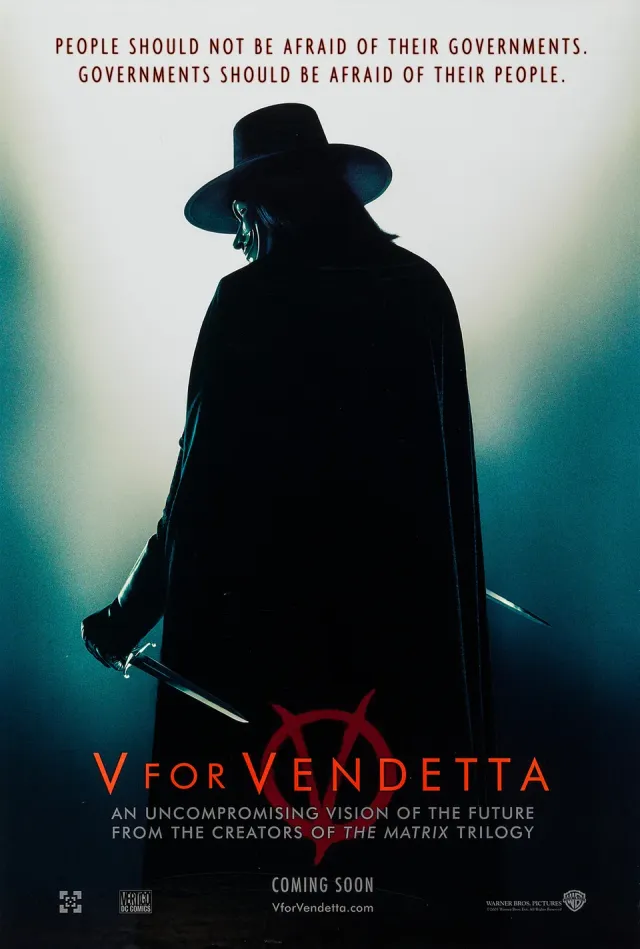
A revenge campaign attempts to transform private evidence of state violence into collective refusal, using symbolic attacks and controlled revelation to challenge manufactured public consent.
Why this matches +
These films explore a related idea in a different setting, genre or style.
An adjacent discovery: a related idea with a different viewing experience.
Genres: Science fiction / Drama
Shared film traits
Based on recorded story, mood and style. Your preferences can change the order.
Political resistance
What changes Its own story: A revenge campaign attempts to transform private evidence of state violence into collective refusal, using symbolic attacks and controlled revelation to challenge manufactured public consent.
A masked insurgent rescues a young woman from agents of an authoritarian British state and draws her into a campaign timed around public spectacle and historical remembrance. His attacks expose connections between state security, propaganda and an earlier crime, but his methods also challenge the boundary between liberation and coercion. The woman's changing relationship to fear makes participation more complicated than simply choosing a heroic side against an obvious regime.
Sailors subjected to degrading conditions challenge the officers commanding their ship, and a confrontation over rotten food becomes a catalyst for mutiny. Public mourning and solidarity in a nearby port place the uprising inside a wider struggle over state violence. The film arranges bodies, crowds and abrupt collisions of images into a deliberately political account in which collective feeling becomes as important as the actions of any named individual.
What drives the story
An intolerable everyday abuse produces a collective refusal that expands beyond the original workplace into public confrontation with authority.
The people at its centre
Sailors and civilians are presented as a rising collective against officers and armed forces whose hierarchy depends on suppressing solidarity.
What it feels like
Forceful montage and emphatic visual symbolism create a concentrated, confrontational experience of collective action and repression.
Worth knowing
Its famous historical imagery is dramatically constructed and propagandistic, not neutral documentary footage or a balanced reconstruction of every event depicted.