Both share a coming-of-age story, plus themes of masculinity.
Why this matches +
Genres: Drama / Coming-of-age
Shared film traits
Based on recorded story, mood and style. Your preferences can change the order.
Coming of age
What changes The Wanderers: episodic, rowdy, group-focused and reflective in retrospect. Moonlight: measured.
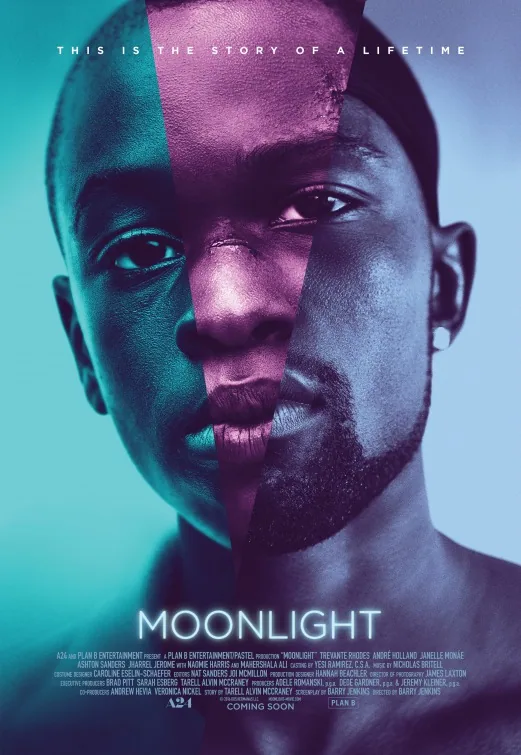
Across childhood, adolescence and adulthood, a quiet boy from Miami learns different ways to protect himself from bullying, instability at home and expectations of masculinity. A drug dealer and his partner offer care complicated by the economy harming his mother, while one friendship creates a vulnerable possibility of intimacy. The divisions between the three periods reveal how a hardened adult identity can preserve earlier wounds without extinguishing the desire to be known.
Based on recorded story, mood and style. Your preferences can change the order.
Coming of age
What changes The Wanderers: episodic, rowdy, group-focused and reflective in retrospect. Kids: real-time feeling, loose and unresolved.
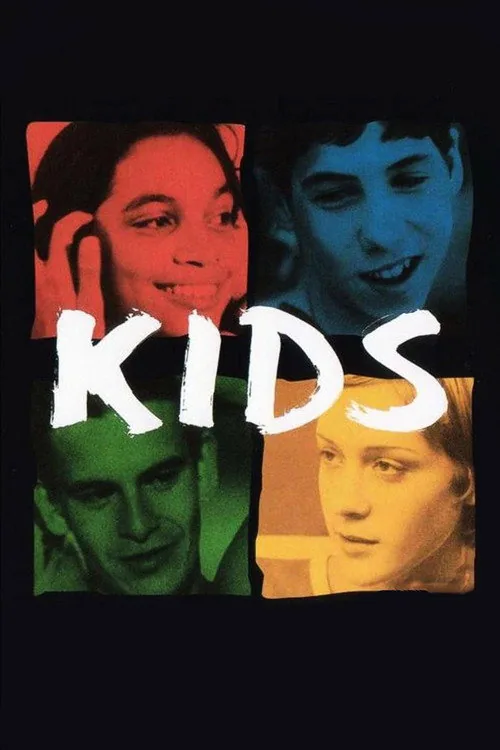
Set over one day in New York City, Kids follows a group of teenagers navigating sex, drugs, alcohol, theft, and friendship without reliable adult guidance. Telly pursues sexual encounters with virgins while his friend Casper joins him on the streets; Jennie searches for Telly after learning she may have been exposed to HIV. The film tracks their movements through apartments, parks, and parties in a deliberately unpolished style. Larry Clark’s drama presents adolescent behavior with observational detachment and confrontational realism.
Based on recorded story, mood and style. Your preferences can change the order.
Coming of age
What changes The Wanderers: episodic, rowdy, group-focused and reflective in retrospect. Gran Torino: measured and escalating.
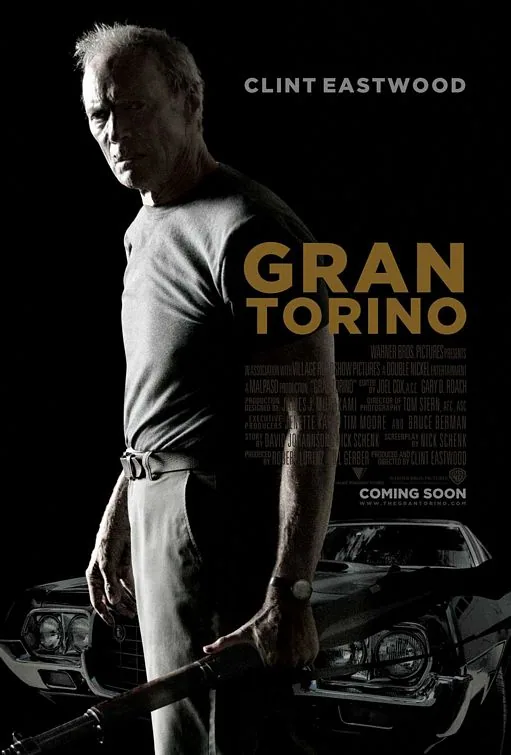
Walt Kowalski, a widowed Detroit autoworker, responds to a Hmong teenager’s attempted theft of his Gran Torino by drawing him and his family into a reluctant relationship. Walt’s initial authority is grounded in racist assumptions, while the family’s care, community life and pressure to protect Thao and Sue exceed what he understands. His later intervention does not erase the film’s imbalance: the white veteran remains the character whose moral development organizes the story, and Hmong characters can be reduced to lessons for him. Read the mentorship and sacrifice alongside the stereotypes and unequal narrative control, rather than treating the ending as a cure for structural prejudice.
Based on recorded story, mood and style. Your preferences can change the order.
Escape and pursuit
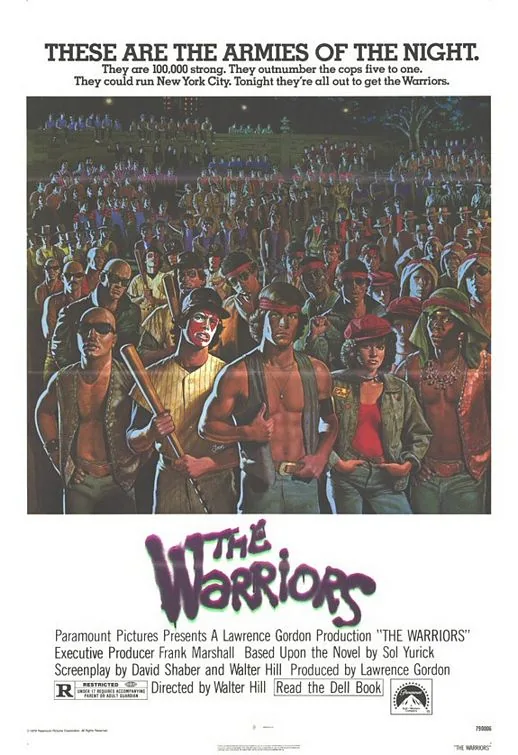
What changes The Wanderers: episodic, rowdy, group-focused and reflective in retrospect. The Warriors: one-night chase and episodic.
At a nighttime Bronx rally, gang leader Cyrus proposes that the city’s gangs unite, but he is murdered and the Warriors are framed for the killing. The group must cross a hostile New York to return to its home turf at Coney Island while rival gangs and police close in. Their journey depends on messages, brief alliances and the ability to keep moving as members are separated. Swan tries to lead without sacrificing the group to revenge, while the city’s rival crews turn each neighborhood into a different test of recognition and survival. As the night continues, the group’s numbers shrink, and survival depends on reading whether an encounter is a test or an ambush.
Based on recorded story, mood and style. Your preferences can change the order.
Coming of age
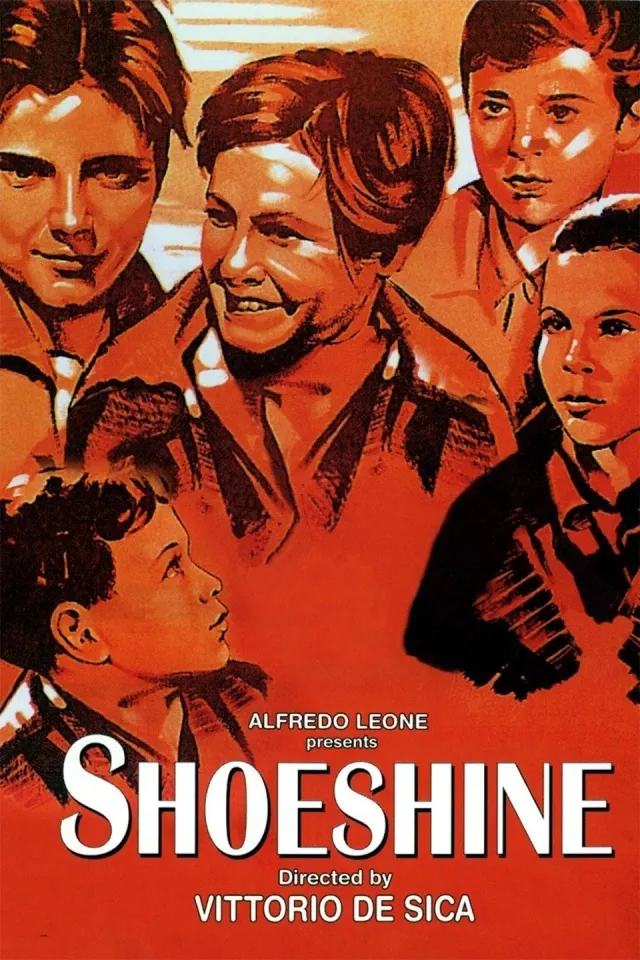
What changes The Wanderers: episodic, rowdy, group-focused and reflective in retrospect. Shoeshine: gradual, cumulative and bleak.
In postwar Rome, friends Giuseppe and Pasquale shine shoes and save for a horse. An older brother draws them into a small theft, then a fake-police scam leaves the boys holding money while the adults escape with a much larger haul. The real police arrest them and send them to juvenile detention, where separation, pressure from their captors and conflicting loyalties erode their friendship. Their wish for a horse gives the story a small, tangible hope that is crushed by the institutions and adult schemes surrounding them.
Based on recorded story, mood and style. Your preferences can change the order.
Coming of age
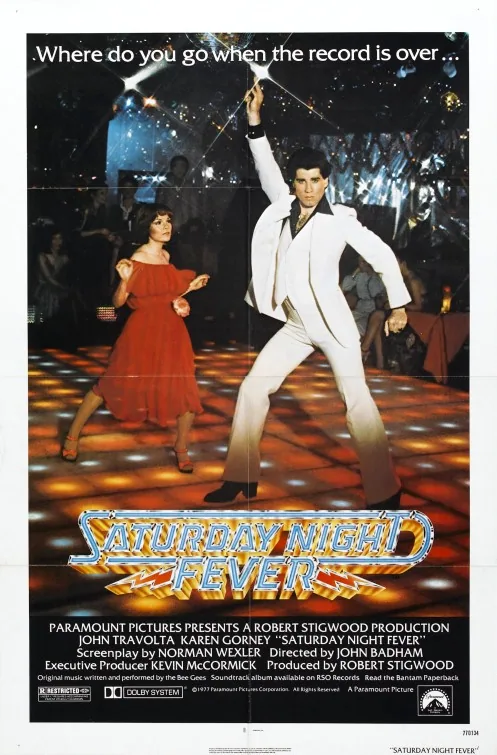
What changes The Wanderers: episodic, rowdy, group-focused and reflective in retrospect. Saturday Night Fever: rhythmic, building and emotionally uneven.
Tony Manero works a low-paid hardware-store job in Brooklyn and spends weekends becoming the celebrated dancer at 2001 Odyssey, where the disco floor offers status his home life does not. He agrees to compete with Annette, then shifts his attention to the more ambitious Stephanie, whose plans for Manhattan make their partnership unequal from the start. Later, Tony’s friends Joey and Double J rape Annette in a car, exposing the group’s sexual violence beneath its bravado. Bobby C.’s death after a fall from a bridge further exposes the consequences of the men’s recklessness and limited choices. Tony’s eventual apology to Stephanie is small but hard-won.
Based on recorded story, mood and style. Your preferences can change the order.
Coming of age
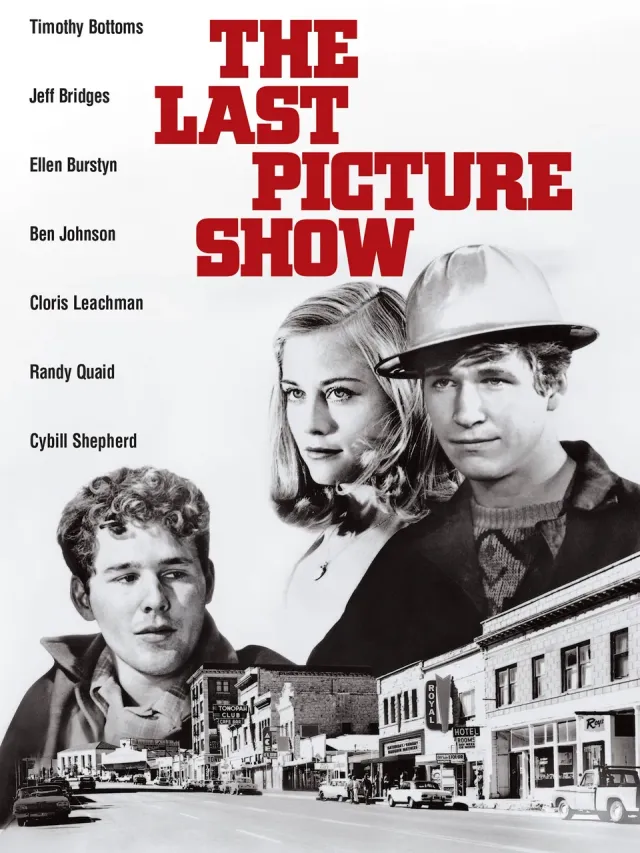
What changes The Wanderers: episodic, rowdy, group-focused and reflective in retrospect. The Last Picture Show: episodic year and loss accumulates.
In the oil town of Anarene, high-school friends Sonny Crawford and Duane Jackson drift through their final year as the places that structure the town begin to close. Both become involved with Jacy Farrow, whose wealth and ambitions offer a path away from local routine. Sonny’s relationship with Ruth, the adult wife of his high-school coach, creates an uneasy attachment shaped by age and power. Billy, a disabled teenager, is treated as a town fixture and later becomes the target of a cruel sexual initiation arranged by his friends. Sam the Lion’s pool hall and movie theater are among the few places where young people gather; his death makes the town feel smaller still. The story follows desire, boredom and loss without promising that growing up will deliver a clear escape.
Based on recorded story, mood and style. Your preferences can change the order.
Family and care
What changes The Wanderers: episodic, rowdy, group-focused and reflective in retrospect. The Normal Heart: intense, argument-driven and emotionally cumulative.
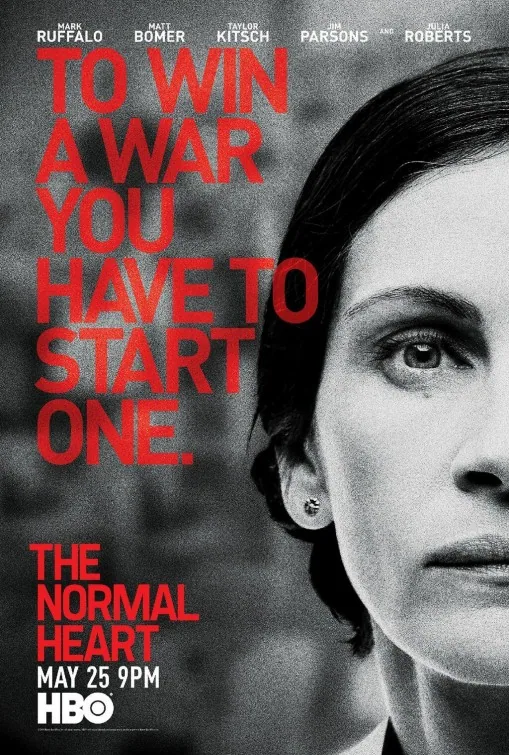
In New York City in 1981, writer Ned Weeks sees friends fall ill as a new and poorly understood disease spreads through the gay community. He pushes for public attention and a coordinated response, often clashing with activists and health officials who favor different strategies. Ned’s relationship with journalist Felix Turner develops alongside the organizing effort, while fear, grief and institutional delay shape the lives of the people around them.
Both share themes of belonging, plus a bittersweet atmosphere.
Why this matches +
Genres: Drama
Shared film traits
Based on recorded story, mood and style. Your preferences can change the order.
What changes The Wanderers: episodic, rowdy, group-focused and reflective in retrospect. Belfast: measured.
Buddy grows up in a working-class Belfast neighborhood at the start of the Troubles, where play, family routines and moviegoing continue alongside sectarian intimidation. His parents disagree about whether to stay, and employment, safety and attachment to the street make leaving a practical as well as emotional question. Buddy sees events partially, through the adults he loves and the films he watches, so the black-and-white images create a remembered childhood viewpoint rather than an exhaustive political history. The film's warmth does not erase the coercion that narrows the family's choices.
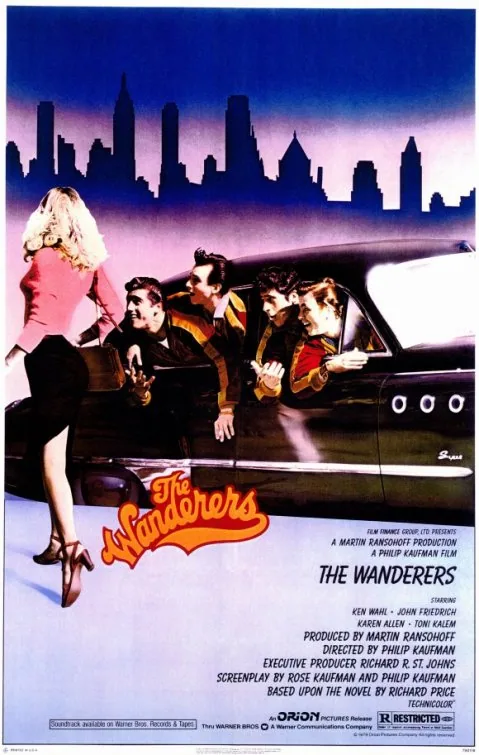
In the Bronx in 1963, Joey and his friends belong to the Wanderers, an Italian-American street gang whose routines mix school, dating, rivalries, and neighborhood pride. When one member considers joining the Baldies, a confrontation pulls the group into a chain of threats and uneasy alliances with other gangs. Richie’s relationship with Despie and the older world around her adds pressure to the boys’ ideas about masculinity and adulthood. Over time, fights, parties, and changing loyalties make the gang’s identity feel less permanent than the friendships holding its members together.
What drives the story
The gang offers the boys a ready-made identity, but school, romance, and rivalries expose how fragile that belonging can be.
The people at its centre
Joey’s loyalty and Richie’s authority are tested by members who want to grow beyond the group’s rituals and inherited conflicts.
What it feels like
A string of comic and violent episodes gives the film an energetic neighborhood texture while leaving room for a wistful view of youth.
Worth knowing
This is a period coming-of-age ensemble about street identity and friendship, not a single-protagonist crime saga.
BelongingAdolescenceMasculinity
Mood
Rough-edged · Nostalgic · Comic · Bittersweet
Pacing
Episodic · Rowdy · Group-focused · Reflective in retrospect
Visual style
Bronx street life · Period pop music · Colorful youth styling · Ensemble staging
Storytelling
Street-gang rivalry · Coming of age · Ensemble friendships · 1960s music and youth culture