Based on recorded story, mood and style. Your preferences can change the order.
Family and care · Power and authority
What changes The Normal Heart is tagged urgent and angry; Tyrannosaur is tagged raw and bleak.
Joseph is a widower in northern England whose anger erupts across his daily life. After meeting Hannah, a charity-shop worker whose kindness initially unsettles him, he begins to return to her shop and accept a measure of help. Hannah’s life behind her public faith is controlled by an abusive husband, and the two form a connection shaped by private violence and shame. Paddy Considine’s drama follows whether compassion can survive when both characters are carrying damage they have struggled to name or escape.
Based on recorded story, mood and style. Your preferences can change the order.
Family and care
What changes The Normal Heart: intense, argument-driven and emotionally cumulative. The Wanderers: episodic, rowdy, group-focused and reflective in retrospect.
In the Bronx in 1963, Joey and his friends belong to the Wanderers, an Italian-American street gang whose routines mix school, dating, rivalries, and neighborhood pride. When one member considers joining the Baldies, a confrontation pulls the group into a chain of threats and uneasy alliances with other gangs. Richie’s relationship with Despie and the older world around her adds pressure to the boys’ ideas about masculinity and adulthood. Over time, fights, parties, and changing loyalties make the gang’s identity feel less permanent than the friendships holding its members together.
Both share themes of grief, plus a compassionate and somber atmosphere.
Why this matches +
Genres: Drama
Shared film traits
Based on recorded story, mood and style. Your preferences can change the order.
Family and care
What changes The Normal Heart: intense, argument-driven and emotionally cumulative. Mass: the couples establish the terms of a meeting, exchange memories of their sons and and approach painful questions about warning signs and responsibility..
Six years after a school shooting, two couples meet in a private room at an Episcopal church. One pair lost their son; the other are the parents of the teenage perpetrator. Their conversation revisits childhood memories, the events leading to the tragedy and what each family can bear to hear, without offering an easy resolution to their grief or questions.
Based on recorded story, mood and style. Your preferences can change the order.
What changes The Normal Heart: intense, argument-driven and emotionally cumulative. A Single Man: measured and interior.
In 1960s Los Angeles, a British professor is grieving the sudden death of his partner and tries to move through one day while deciding whether he can continue living alone. Encounters with a friend, a student and strangers alter the emotional texture of that day without undoing his loss. The film turns clothing, color and routine into close expressions of grief, loneliness and the fragile possibility of renewed attention.
Based on recorded story, mood and style. Your preferences can change the order.
What changes The Normal Heart: intense, argument-driven and emotionally cumulative. Kids: real-time feeling, loose and unresolved.
Set over one day in New York City, Kids follows a group of teenagers navigating sex, drugs, alcohol, theft, and friendship without reliable adult guidance. Telly pursues sexual encounters with virgins while his friend Casper joins him on the streets; Jennie searches for Telly after learning she may have been exposed to HIV. The film tracks their movements through apartments, parks, and parties in a deliberately unpolished style. Larry Clark’s drama presents adolescent behavior with observational detachment and confrontational realism.
Based on recorded story, mood and style. Your preferences can change the order.
What changes The Normal Heart: intense, argument-driven and emotionally cumulative. Beautiful Boy: fragmented and recurrent.
Journalist David Sheff tries to understand and help his teenage son Nic through repeated cycles of drug use, treatment and relapse. The story shifts between the father's perspective and Nic's experience, showing how affection can persist alongside exhaustion and uncertainty. Felix van Groeningen adapts a family memoir into an intimate drama about addiction that avoids a simple recovery arc, focusing instead on care, fear and the limits of control.
Based on recorded story, mood and style. Your preferences can change the order.
Family and care
What changes The Normal Heart is tagged urgent and angry; Close is tagged tender and observant.
Léo and Rémi share a close friendship through childhood games, sleepovers and summers at a flower farm in rural Belgium. When classmates begin labeling their intimacy, Léo becomes more guarded and turns toward new peers and ice hockey, leaving Rémi to make sense of the distance. A sudden loss changes the story into an intimate portrait of grief, guilt and the ways a boy tries to understand feelings he has been taught to conceal.
Based on recorded story, mood and style. Your preferences can change the order.
Political resistance · Power and authority
What changes The Normal Heart: intense, argument-driven and emotionally cumulative. The Magdalene Sisters: daily routines and punishments and escape attempts reveal how the institution maintains control over its inmates.
In 1960s Ireland, Margaret, Bernadette, Rose and Crispina are sent by family or caretakers to a Magdalene laundry, where religious authorities claim to reform women considered sinful. Their work is exhausting, their freedom is restricted and the women face humiliation and abuse from the institution’s leadership. The film follows their attempts to endure the daily regime and preserve relationships with one another, while the asylum’s religious language masks a system that benefits from their labor and keeps them isolated from the outside world.
Based on recorded story, mood and style. Your preferences can change the order.
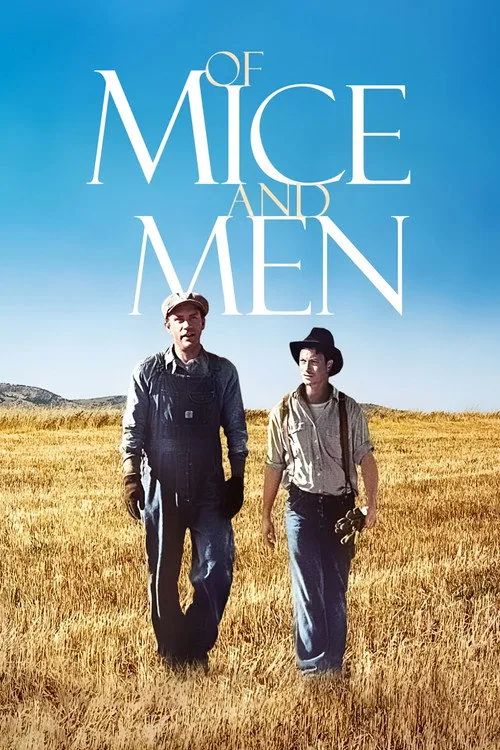
What changes The Normal Heart: intense, argument-driven and emotionally cumulative. Of Mice and Men: flight and arrival at ranch, ensemble conflicts and hope and tragic choice.
During the Great Depression, itinerant ranch workers George Milton and Lennie Small travel together in search of work and dream of owning a small farm. George is quick-witted and protective, while Lennie's strength and disability can lead to frightening misunderstandings despite his gentle intentions. At a California ranch they meet workers carrying their own disappointments, including an aging hand and a lonely young wife. Their fragile plan seems possible until a sudden tragedy forces George to choose between loyalty, safety, and the only future Lennie has imagined.
In New York City in 1981, writer Ned Weeks sees friends fall ill as a new and poorly understood disease spreads through the gay community. He pushes for public attention and a coordinated response, often clashing with activists and health officials who favor different strategies. Ned’s relationship with journalist Felix Turner develops alongside the organizing effort, while fear, grief and institutional delay shape the lives of the people around them.
What drives the story
Ned campaigns for a response to the unfolding health crisis while personal losses and political disagreements grow around him.
The people at its centre
Ned’s confrontational urgency challenges other organizers, while Felix offers a loving but vulnerable connection outside the movement’s arguments.
What it feels like
The drama places intimate relationships alongside public advocacy, emphasizing both the cost of delay and the labor of organizing.
Worth knowing
Its focus is the early AIDS-crisis activism of a specific New York community, rather than a general medical mystery or courtroom campaign.