Based on recorded story, mood and style. Your preferences can change the order.
What changes Kids: real-time feeling, loose and unresolved. Shame: repetitive, slow-burn and open-ended.
Brandon is a well-paid New Yorker whose pornography use, sex and pursuit of anonymous encounters have become a rigid daily routine. His sister Sissy arrives unexpectedly and asks to stay, bringing emotional need into an apartment and life Brandon has arranged to avoid intimacy. He tries a date with a co-worker, but cannot maintain the closeness and retreats into anonymous sex; meanwhile, his anger toward Sissy escalates as her vulnerability makes their shared past difficult to ignore. When she harms herself, Brandon’s carefully controlled distance gives way to panic, though the ending leaves his next choice unresolved.
Based on recorded story, mood and style. Your preferences can change the order.
Coming of age
What changes Kids: real-time feeling, loose and unresolved. Moonlight: measured.
Across childhood, adolescence and adulthood, a quiet boy from Miami learns different ways to protect himself from bullying, instability at home and expectations of masculinity. A drug dealer and his partner offer care complicated by the economy harming his mother, while one friendship creates a vulnerable possibility of intimacy. The divisions between the three periods reveal how a hardened adult identity can preserve earlier wounds without extinguishing the desire to be known.
Based on recorded story, mood and style. Your preferences can change the order.
Coming of age
What changes Kids is tagged raw and disturbing; Fast Times at Ridgemont High is tagged observant and funny.
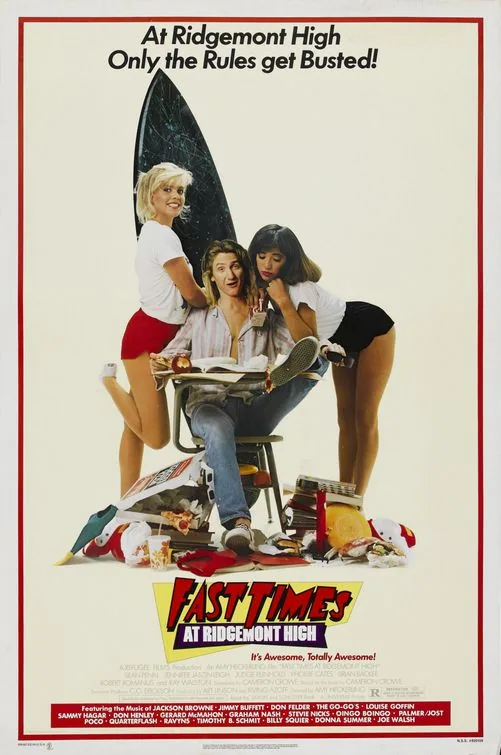
At a Southern California high school, teenagers navigate attraction, awkward sex, early work, friendship, and the uncertainty of becoming adults. Their intersecting experiences range from a confident senior's romantic misjudgments to a younger student's first crush and a fast-food job's daily frustrations. The film treats adolescence as funny and consequential, observing how peer pressure and small choices shape self-understanding.
Based on recorded story, mood and style. Your preferences can change the order.
What changes Kids: real-time feeling, loose and unresolved. Last Tango in Paris: measured and escalating.
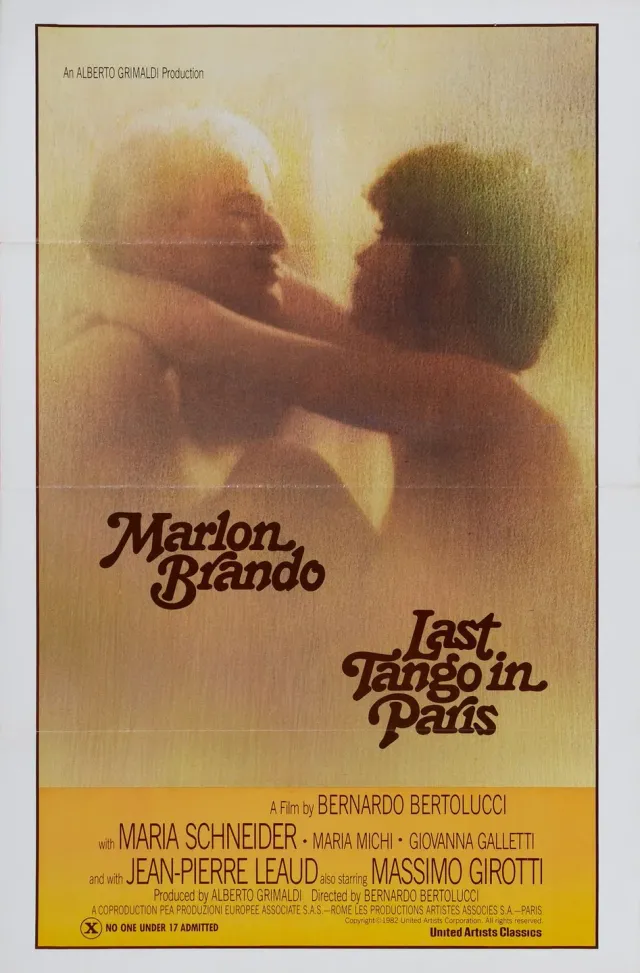
In 1970s Paris, Paul and Jeanne begin an anonymous sexual arrangement inside an apartment while each keeps a life outside it. Their pact promises intimacy without names or personal histories, but Paul’s grief and Jeanne’s engagement make its terms increasingly unequal. The film depicts rape and emotional coercion as part of their encounters; its transgressive style does not make those acts consensual. Production history adds a separate, carefully bounded issue: Bertolucci later said Schneider had not been told about the butter element before filming, while the scene’s simulated assault was scripted. The distinction between what occurs on screen and how the scene was made matters. Neither the film’s aesthetic reputation nor the director’s later account should romanticize the violence or overstate the production facts.
Based on recorded story, mood and style. Your preferences can change the order.
What changes Kids: real-time feeling, loose and unresolved. Elephant: fragmented and understated.
Over the course of an ordinary school day, the film follows several students through corridors, classrooms and small social encounters before their paths converge in a sudden act of violence. It offers fragments rather than a conventional explanation, shifting perspective and revisiting moments with little interpretive guidance. The restrained surface makes routine detail unsettling, while its refusal to simplify causation leaves space for difficult questions.
Based on recorded story, mood and style. Your preferences can change the order.
Coming of age
What changes Kids: real-time feeling, loose and unresolved. The Wanderers: episodic, rowdy, group-focused and reflective in retrospect.
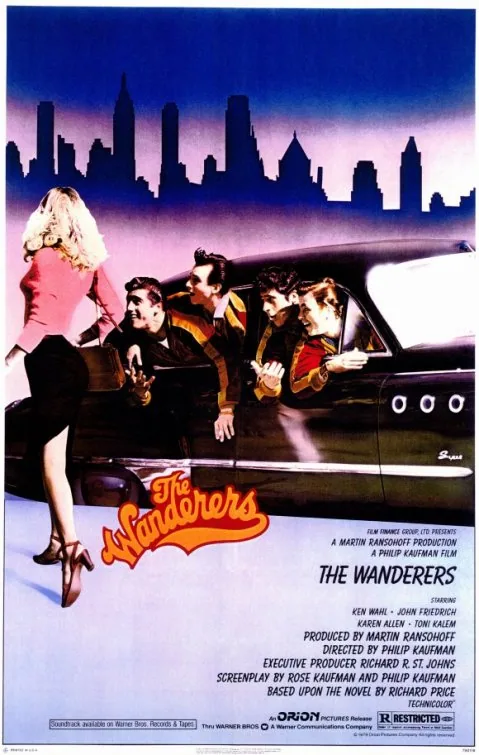
In the Bronx in 1963, Joey and his friends belong to the Wanderers, an Italian-American street gang whose routines mix school, dating, rivalries, and neighborhood pride. When one member considers joining the Baldies, a confrontation pulls the group into a chain of threats and uneasy alliances with other gangs. Richie’s relationship with Despie and the older world around her adds pressure to the boys’ ideas about masculinity and adulthood. Over time, fights, parties, and changing loyalties make the gang’s identity feel less permanent than the friendships holding its members together.
Based on recorded story, mood and style. Your preferences can change the order.
Coming of age
What changes Kids: real-time feeling, loose and unresolved. Finding Forrester: measured and building.
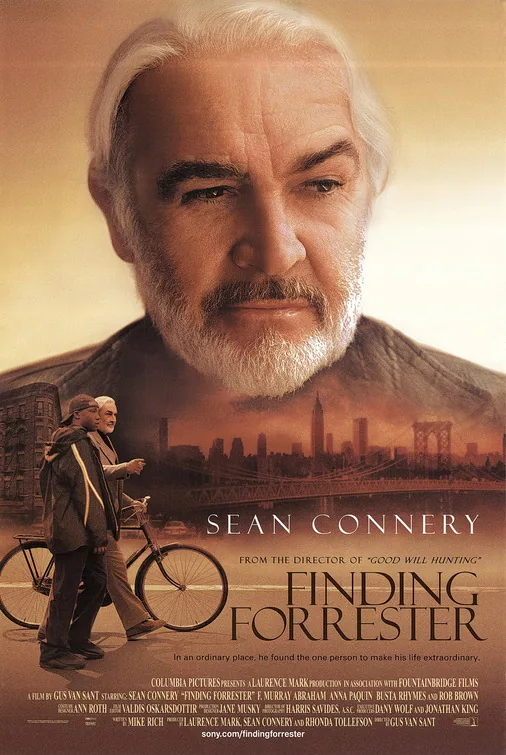
A gifted teenager from the Bronx earns a place at an elite private school, where his writing attracts a reclusive author’s attention. Their unlikely friendship develops through private lessons and intellectual challenge as the boy defines himself in a new environment. The drama examines mentorship, class and authorship through two guarded people who have reasons to hide from public judgment.
Based on recorded story, mood and style. Your preferences can change the order.
What changes Kids: real-time feeling, loose and unresolved. Magnolia: parallel and escalating.
Across one day in Los Angeles, quiz-show families, a dying television producer, an estranged son, a nurse, a police officer and a former child contestant move through intersecting crises. The connections are not a tidy conspiracy: they gather around parental harm, public performance, confession and the need to be recognized by someone who may not forgive. Frank Mackey’s brash persona conceals the childhood he refuses to discuss, while his father’s illness creates a belated opening for contact. An extraordinary event interrupts the ensemble’s emotional convergence without delivering equal repair to everyone. Paul Thomas Anderson’s long, music-driven drama balances coincidence with deliberate formal links; its moments of grace allow hope, not a guarantee that regret earns absolution.
Based on recorded story, mood and style. Your preferences can change the order.
What changes Kids: real-time feeling, loose and unresolved. Happiness: episodic ensemble, conversation-led and abrupt tonal shifts.
Todd Solondz’s black comedy follows three sisters and the people around them as they seek love, recognition, and relief from private dissatisfaction in suburban New Jersey. Their lives intersect through failed relationships, family gatherings, and increasingly uncomfortable revelations, including the hidden crimes of a respected psychiatrist. The film uses deadpan humor to examine loneliness and moral denial. It contains explicit subject matter involving pedophilia and child sexual abuse, and is intended for adult viewers.
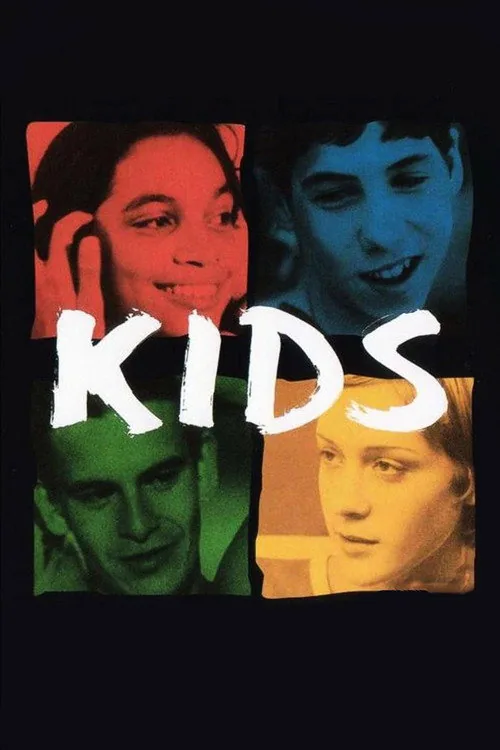
Set over one day in New York City, Kids follows a group of teenagers navigating sex, drugs, alcohol, theft, and friendship without reliable adult guidance. Telly pursues sexual encounters with virgins while his friend Casper joins him on the streets; Jennie searches for Telly after learning she may have been exposed to HIV. The film tracks their movements through apartments, parks, and parties in a deliberately unpolished style. Larry Clark’s drama presents adolescent behavior with observational detachment and confrontational realism.
What drives the story
Teenagers move through a day of sexual encounters and substance use while Jennie tries to find Telly after a possible HIV exposure.
The people at its centre
Casper follows Telly’s lead, while Jennie’s search reveals how little control she has over the risks adults have failed to address.
What it feels like
Contains explicit sexual material involving minors, sexual violence, drug use, alcohol misuse, and HIV-related distress; highly sensitive content.
Worth knowing
The film’s deliberate lack of adult guidance and conventional moral resolution makes its adolescent portrait especially confrontational.
AdolescenceSexual healthPeer influence
Mood
Raw · Disturbing · Observational
Pacing
Real-time feeling · Loose · Unresolved
Visual style
Amateur-style performance · Handheld street realism · Unvarnished interiors