Explore films connected to Happiness through Desire and disappointment, Family dysfunction, Moral denial. Choose the qualities you want to carry into your next watch.
What should feel similar?
Find your next favourite
9 films · Closest overall matches
Hide films you’ve seen or don’t want. Saved on this device.
No matches for this combination yet.
Try another option or reset your choices to see more films.
Based on recorded story, mood and style. Your preferences can change the order.
What changes Happiness: episodic ensemble, conversation-led and abrupt tonal shifts. Young Adult: character-led, socially awkward and gradual confrontation.
Mavis Gary, a divorced ghostwriter living in Minneapolis, returns to her Minnesota hometown after learning that her former boyfriend has a new baby. She believes they are destined to reunite and approaches him despite his marriage, while reconnecting with Matt, a former classmate she barely remembers. Her confidence masks loneliness, drinking, and an inability to accept how others have changed. Jason Reitman’s dark comedy examines arrested adulthood, nostalgia, and the damage caused by turning personal fantasy into entitlement.
Based on recorded story, mood and style. Your preferences can change the order.
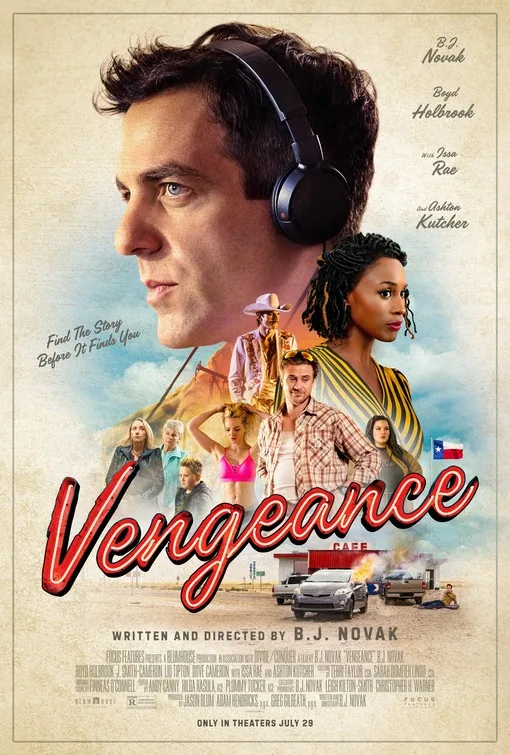
What changes Happiness: episodic ensemble, conversation-led and abrupt tonal shifts. Vengeance: a podcast investigation evolves into a moral and comic reckoning.
New York podcaster Ben travels to West Texas after learning that a casual romantic acquaintance has died. Her brother believes she was murdered and asks Ben to help investigate and seek revenge. Ben’s attempt to shape the story for an audience collides with the family’s grief and the limits of what he knows. The black comedy examines media extraction, regional stereotypes, and the difference between a compelling narrative and a just response.
Based on recorded story, mood and style. Your preferences can change the order.
What changes Happiness: episodic ensemble, conversation-led and abrupt tonal shifts. That's My Boy: wedding-weekend farce with escalating revelations.
A financially reckless former child celebrity seeks out the successful adult son he has been estranged from, hoping a televised reunion will solve his debts. Their wedding-weekend encounter turns into an uneasy test of responsibility, public shame and whether affection can survive a history built around exploitation. The comedy is deliberately raunchy and its premise treats serious abuse as outrageous farce, a major tonal and content distinction.
Based on recorded story, mood and style. Your preferences can change the order.
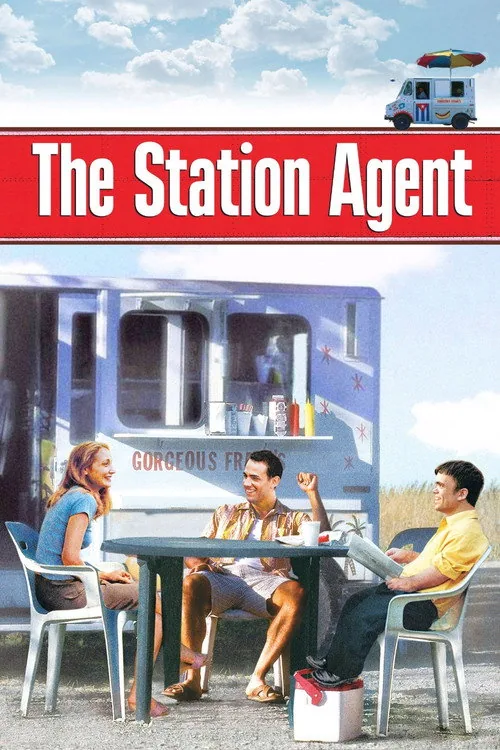
Expect gentle and observational, with unhurried and conversation-led pacing.
Finbar McBride, a private man with a passion for trains, inherits an abandoned station in rural New Jersey and hopes to live there alone. His quiet routine is interrupted by Joe, an outgoing vendor whose stand is nearby, and Olivia, an artist coping with a recent family loss. Although the three begin with different needs and little in common, repeated encounters build a tentative friendship. Tom McCarthy’s comedy-drama gives attention to silence, loneliness, and the awkward process of allowing other people into a life organized around solitude.
Based on recorded story, mood and style. Your preferences can change the order.
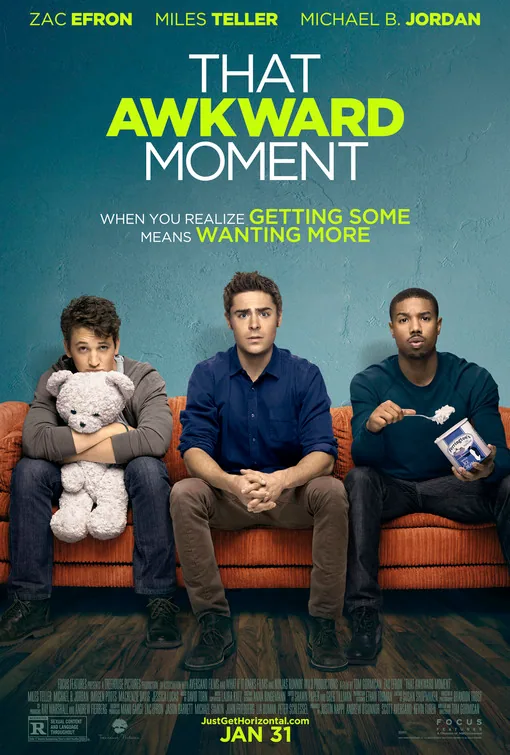
What changes Happiness: episodic ensemble, conversation-led and abrupt tonal shifts. That Awkward Moment: interlocking courtships move toward a shared decision.
Three close friends make a pact to avoid serious relationships, but each begins to care for someone and must decide whether the group’s promise is worth keeping. Their overlapping dating lives turn the title’s awkward moment into a recurring test of honesty, loyalty and emotional maturity. The comedy focuses on male friendship and romantic uncertainty in early adulthood, balancing crude jokes with recognizable vulnerability.
Based on recorded story, mood and style. Your preferences can change the order.
What changes Happiness: episodic ensemble, conversation-led and abrupt tonal shifts. Blockers: interwoven chase comedy moves toward prom-night choices.
Three fathers discover that their daughters have secretly agreed to lose their virginity on prom night. They form an uneasy alliance to stop the pact, but their surveillance plan repeatedly collides with the teenagers’ independence and their own poor communication. The comedy follows the parents through a frantic evening of mistaken assumptions, revealing how protective fear can become control and how trust requires listening as well as setting boundaries.
Based on recorded story, mood and style. Your preferences can change the order.
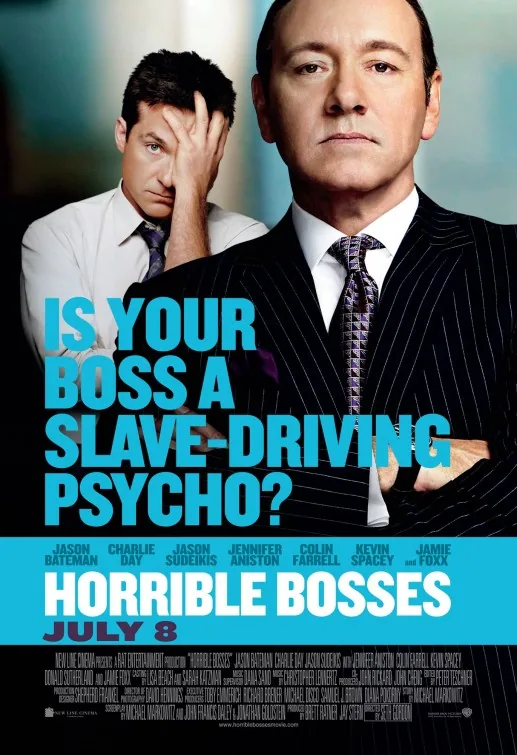
What changes Happiness: episodic ensemble, conversation-led and abrupt tonal shifts. Horrible Bosses: fast and escalating.
Three friends conclude that their workplaces would become bearable if their abusive employers disappeared. They seek advice and attempt to exchange targets, but their limited competence turns preparation into a series of misunderstandings that collide with an actual murder. Each grievance involves a different form of power, from blocked advancement to sexual coercion and reckless inheritance. The black comedy turns the fantasy of escape through crime into a problem of surviving consequences the would-be conspirators cannot manage or reliably interpret.
Based on recorded story, mood and style. Your preferences can change the order.
What changes Happiness: episodic ensemble, conversation-led and abrupt tonal shifts. The Kings of Summer: episodic, summer interlude and character-led.
Frustrated by his father’s attempts to manage his life, teenager Joe Toy runs away with his friend Patrick and an eccentric boy named Biaggio. The trio build a makeshift house in the woods and attempt to live independently through the summer. Their self-sufficiency is tested by practical problems, friendship tensions, and growing feelings for a girl from town. Jordan Vogt-Roberts’s coming-of-age comedy observes the appeal and limits of escape from family as boys try to define adulthood for themselves.
Based on recorded story, mood and style. Your preferences can change the order.
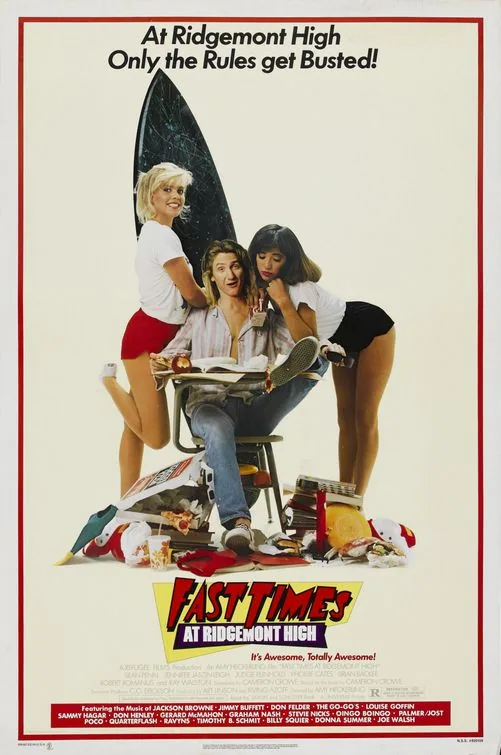
What changes Happiness: episodic ensemble, conversation-led and abrupt tonal shifts. Fast Times at Ridgemont High: loose and ensemble-paced.
At a Southern California high school, teenagers navigate attraction, awkward sex, early work, friendship, and the uncertainty of becoming adults. Their intersecting experiences range from a confident senior's romantic misjudgments to a younger student's first crush and a fast-food job's daily frustrations. The film treats adolescence as funny and consequential, observing how peer pressure and small choices shape self-understanding.
Todd Solondz’s black comedy follows three sisters and the people around them as they seek love, recognition, and relief from private dissatisfaction in suburban New Jersey. Their lives intersect through failed relationships, family gatherings, and increasingly uncomfortable revelations, including the hidden crimes of a respected psychiatrist. The film uses deadpan humor to examine loneliness and moral denial. It contains explicit subject matter involving pedophilia and child sexual abuse, and is intended for adult viewers.
What drives the story
The sisters’ romantic and family disappointments cross paths as private fantasies and concealed wrongdoing become harder to keep separate.
The people at its centre
The ensemble contrasts people seeking intimacy with relatives and partners who misread, exploit, or disappoint one another.
What it feels like
Its very dry humor sits beside deeply distressing material, including pedophilia and child sexual abuse; viewer discretion is advised.
Worth knowing
This is a provocative character-based black comedy, not a light story about the pursuit of happiness or a conventional family drama.
Desire and disappointmentFamily dysfunctionMoral denial