Three separated stages of one life trace how protective habits form around experiences of shame, tenderness, violence and interrupted intimacy.
Why this matches +
These offer a related experience with a meaningful difference in story, tone, or presentation.
An adjacent discovery: a related idea with a different viewing experience.
Genres: Drama / Coming-of-age
Shared film traits
Based on recorded story, mood and style. Your preferences can change the order.
Coming of age
What changes A vulnerable boy finds guidance from an older man whose care is complicated by his role in a harmful local economy.
Across childhood, adolescence and adulthood, a quiet boy from Miami learns different ways to protect himself from bullying, instability at home and expectations of masculinity. A drug dealer and his partner offer care complicated by the economy harming his mother, while one friendship creates a vulnerable possibility of intimacy. The divisions between the three periods reveal how a hardened adult identity can preserve earlier wounds without extinguishing the desire to be known.
The unfinished fence becomes a practical household project and a symbol of the limits Troy imposes around others.
Why this matches +
These offer a related experience with a meaningful difference in story, tone, or presentation.
An adjacent discovery: a related idea with a different viewing experience.
Genres: Drama
Shared film traits
Based on recorded story, mood and style. Your preferences can change the order.
What changes An older man's rigid ideas about masculinity and authority complicate family relationships and the opportunities available to a younger generation.
A sanitation worker in 1950s Pittsburgh tries to hold authority within his household while carrying anger from opportunities and racial barriers he believes were denied to him. His marriage and relationships with his sons reveal the consequences of treating protection as control. The adaptation of August Wilson’s play keeps its attention on language, family intimacy and the burden of history rather than broad external action.
Three strangers adopt a family identity while seeking asylum and rebuilding ordinary life in France.
Why this matches +
These offer a related experience with a meaningful difference in story, tone, or presentation.
An adjacent discovery: a related idea with a different viewing experience.
Genres: Drama / Crime
Shared film traits
Based on recorded story, mood and style. Your preferences can change the order.
What changes A displaced family builds a precarious life in a violent neighborhood, where protective bonds develop amid distrust and danger.
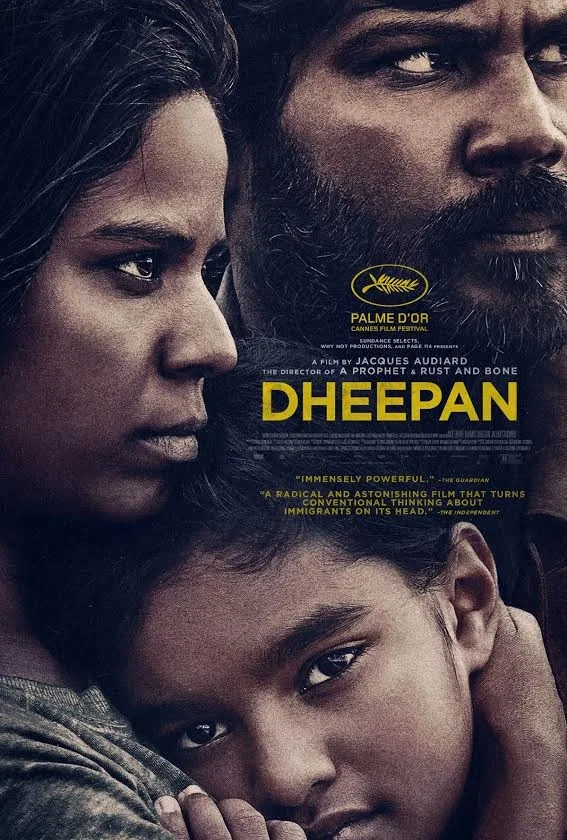
Former Tamil Tiger fighter Dheepan, a woman named Yalini, and a young girl pose as a family to seek asylum in France. Their new life begins in a housing estate where Dheepan works as a caretaker and Yalini struggles to find safety and purpose, while the family-like bond between them remains uncertain. Jacques Audiard's drama follows displacement as a daily negotiation of identity, belonging, and protection, with violence from the past intruding into the present.
Joseph’s visits to Hannah’s shop reveal that each of them is living with forms of violence that cannot remain hidden.
Why this matches +
These offer a related experience with a meaningful difference in story, tone, or presentation.
An adjacent discovery: a related idea with a different viewing experience.
Genres: Drama
Shared film traits
Based on recorded story, mood and style. Your preferences can change the order.
What changes An angry, isolated older man forms an uneasy relationship that forces him to confront cruelty and the possibility of change.
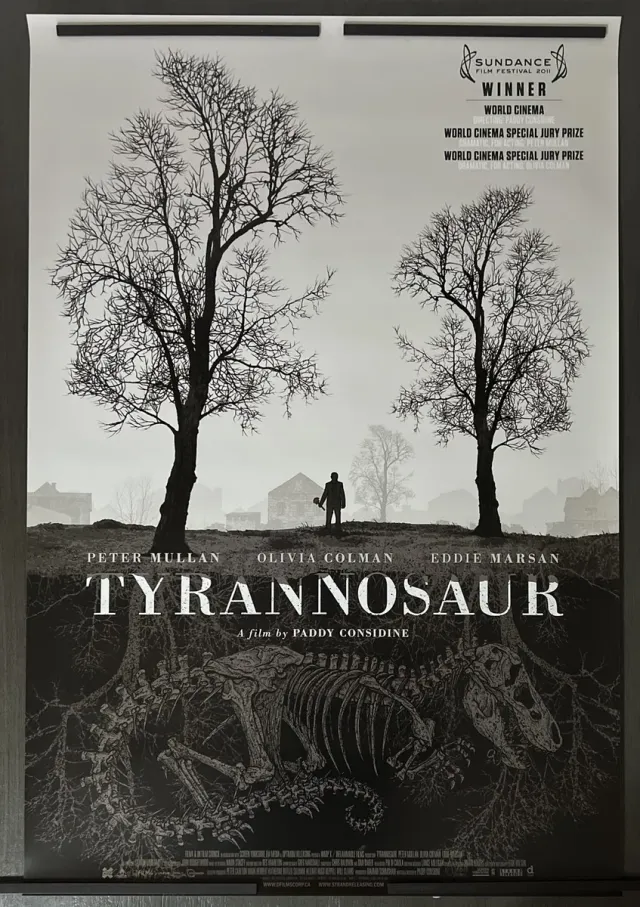
Joseph is a widower in northern England whose anger erupts across his daily life. After meeting Hannah, a charity-shop worker whose kindness initially unsettles him, he begins to return to her shop and accept a measure of help. Hannah’s life behind her public faith is controlled by an abusive husband, and the two form a connection shaped by private violence and shame. Paddy Considine’s drama follows whether compassion can survive when both characters are carrying damage they have struggled to name or escape.
The shared farm brings two families into daily contact while the returning veterans' wartime experiences expose unequal lives at home.
Why this matches +
These offer a related experience with a meaningful difference in story, tone, or presentation.
An adjacent discovery: a related idea with a different viewing experience.
Genres: Drama / War
Shared film traits
Based on recorded story, mood and style. Your preferences can change the order.
What changes People living alongside racial prejudice confront violence and unequal expectations while trying to protect family members.
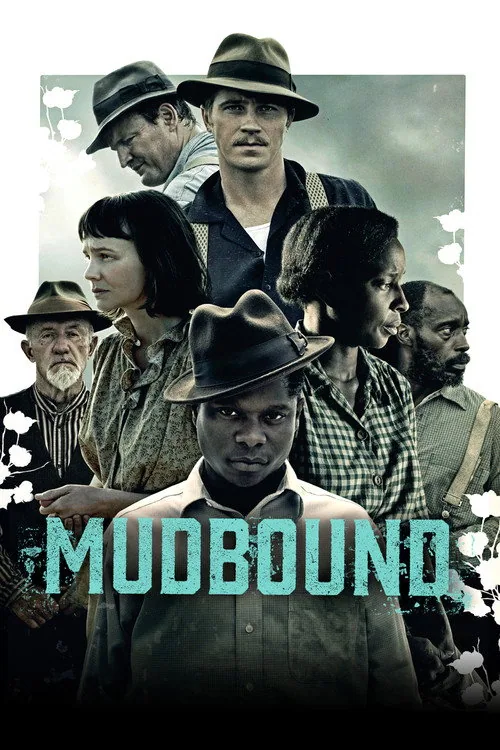
After World War II, the white McAllan family struggles to run a farm in the Mississippi Delta alongside the Black Jackson family, who work the same land under unequal conditions. Veterans Jamie McAllan and Ronsel Jackson return from war with experiences that do not fit the racial hierarchy at home. Their friendship grows in secret, drawing hostility from family and community. Told through several points of view, the drama follows an intergenerational story of land, racism, trauma, and fragile solidarity.
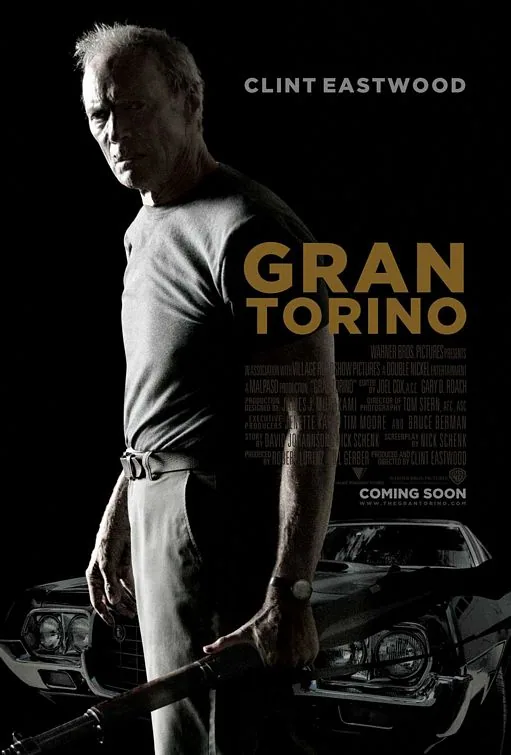
Walt Kowalski, a widowed Detroit autoworker, responds to a Hmong teenager’s attempted theft of his Gran Torino by drawing him and his family into a reluctant relationship. Walt’s initial authority is grounded in racist assumptions, while the family’s care, community life and pressure to protect Thao and Sue exceed what he understands. His later intervention does not erase the film’s imbalance: the white veteran remains the character whose moral development organizes the story, and Hmong characters can be reduced to lessons for him. Read the mentorship and sacrifice alongside the stereotypes and unequal narrative control, rather than treating the ending as a cure for structural prejudice.
What drives the story
A failed theft becomes an uneasy relationship as Walt’s response to Thao’s family shifts from punishment to intervention against neighborhood violence. Walt’s protection follows an initial attempt to discipline Thao, making the mentorship’s power imbalance visible.
The people at its centre
Walt’s protection offers practical help while keeping him at the moral center; Thao and Sue navigate pressures that the older veteran initially misreads through racial stereotype. Sue and Thao have community ties and pressures not reducible to Walt’s self-discovery.
What it feels like
Dry humor and neighborhood encounters build toward a serious, violent conclusion, with the film’s emotional force depending on Walt’s late change of conduct. Abrasive humor gives way to violence without making earlier stereotypes disappear.
Worth knowing
Compare with stories of cross-generational mentorship and redemption, but assess the white-centered point of view and Hmong representation rather than treating sacrifice as racial absolution. A sacrificial ending can complete Walt’s arc while leaving the Hmong point of view underdeveloped.
PrejudiceResponsibilityViolence
Mood
Abrasive · Somber · Bittersweet
Pacing
Measured · Escalating
Visual style
Neighborhood realism · Restrained confrontation
Storytelling
Widowed veteran · Reluctant mentorship · Gang retaliation