Based on recorded story, mood and style. Your preferences can change the order.
Coming of age
What changes Smallfoot: quest-driven and musical. Abominable: steady.
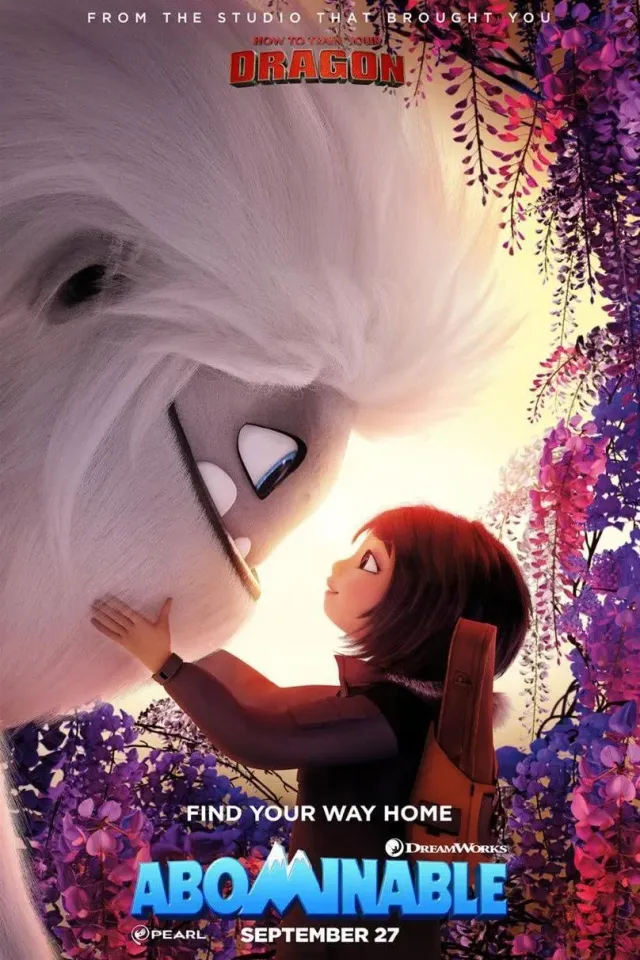
A grieving teenager finds a young yeti hiding on a Shanghai rooftop and decides to help him return to the Himalayas. Two neighborhood boys join the journey as a wealthy collector and an apparent protector pursue the creature for their own purposes. The expedition makes travel and music ways of reconnecting with the girl's dead father, while friendship requires the group to reassess who actually offers care.
Based on recorded story, mood and style. Your preferences can change the order.
What changes Smallfoot: quest-driven and musical. The End of Evangelion: military action opening, abrupt shifts into abstraction and surreal culmination.
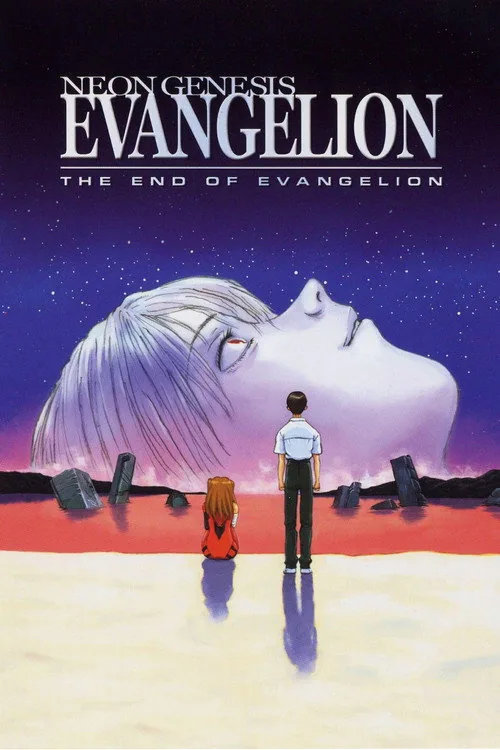
As the secret organization SEELE launches an assault on NERV, operations director Misato searches for Shinji Ikari while the teenage pilots confront the collapse of their world. SEELE intends to trigger Human Instrumentality, a process that would merge human consciousness, while Shinji’s emotional crisis shapes what happens next. Hideaki Anno’s animated film provides a feature-length ending to the television series, expanding its final events into apocalyptic action and intensely subjective imagery. It assumes familiarity with the series and contains disturbing violence and psychological distress.
Both share an adventurous and thoughtful atmosphere.
Why this matches +
Genres: Animation / Science fiction
Shared film traits
Based on recorded story, mood and style. Your preferences can change the order.
Coming of age
What changes Smallfoot: quest-driven and musical. Arco: adventure-led and gently reflective.
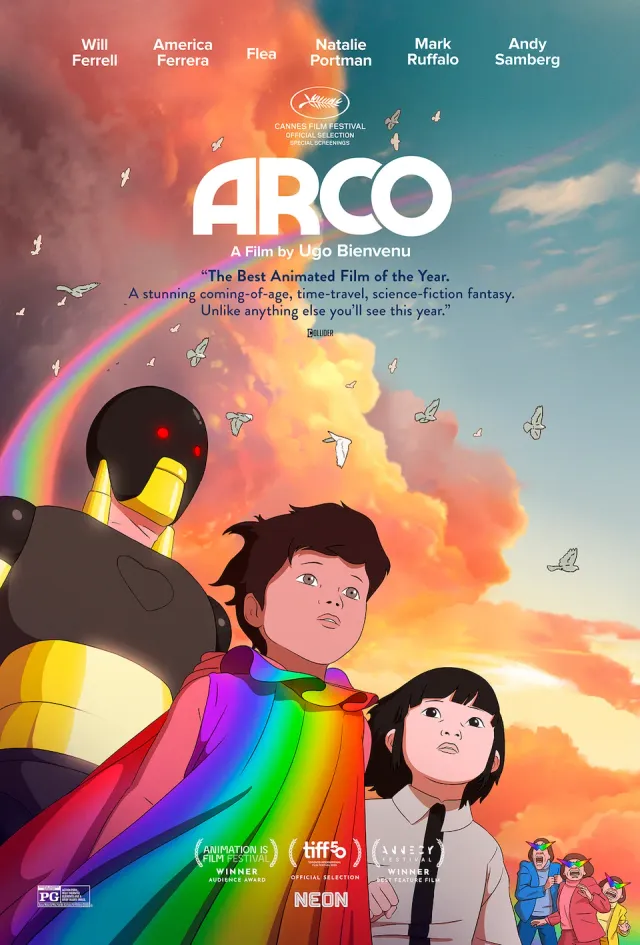
In a distant future, a young boy named Arco accidentally travels back to a climate-changed Earth in 2075. He meets Iris, a girl living with her family in a world altered by environmental damage, and the two try to find a way for him to return home. Ugo Bienvenu's animated science-fiction story connects childhood friendship with questions about ecological loss and the possible futures inherited by children.
Based on recorded story, mood and style. Your preferences can change the order.
What changes Smallfoot: quest-driven and musical. The Book of Life: musical and adventure-led.
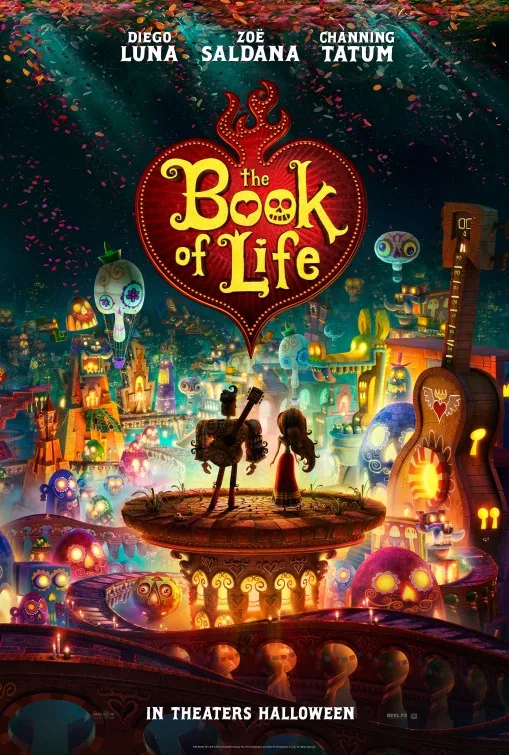
On the Day of the Dead, a museum guide tells children the story of Manolo, a young musician torn between his family's bullfighting tradition and his own interests. A wager between supernatural rulers sends Manolo through the Land of the Remembered and the Land of the Forgotten, where he must confront fear and prove his love for María. The colorful journey connects romance and family expectations to the memory of those who came before.
Based on recorded story, mood and style. Your preferences can change the order.
What changes Smallfoot: quest-driven and musical. Evangelion: 3.0+1.0 Thrice Upon a Time: a wille operation restores a city, the pilots reach a community outside tokyo-3 and and a renewed confrontation with nerv brings the series’ unresolved conflicts forward..
Following the catastrophes of the earlier films, Shinji Ikari is emotionally withdrawn while the remaining pilots and WILLE continue their struggle against NERV. A mission in Paris opens the film before Shinji, Asuka and Rei reach a community of survivors outside Tokyo-3. The story moves between that quiet recovery and a final conflict that tests how the characters understand their past and future.
Based on recorded story, mood and style. Your preferences can change the order.
Coming of age
What changes Smallfoot: quest-driven and musical. Stand by Me Doraemon: episodic and emotionally cumulative.
Doraemon arrives from the future to help fifth-grader Nobita avoid a bleak adulthood predicted by his descendant Sewashi. The robotic cat’s gadgets make daily problems easier, but Nobita’s choices about school, friendship and his feelings for Shizuka remain his own. As the future begins to change, the film follows the pair through childhood milestones and the possibility of Doraemon leaving once his task is complete. It adapts familiar episodes into one continuous emotional arc about growing up and saying goodbye.
Based on recorded story, mood and style. Your preferences can change the order.
What changes Smallfoot: quest-driven and musical. Paprika: a stolen device causes separate dreams to spill into a shared public crisis..
Psychiatrist Atsuko Chiba secretly uses the DC Mini, a device that lets her enter patients’ dreams as the detective Paprika. When prototypes are stolen and dream imagery begins spilling into the waking world, she and her colleagues trace the damage through a series of strange psychological cases. Satoshi Kon’s animated thriller treats dreams as both a clinical tool and a vulnerable shared space, cutting between identities and realities with fluid visual transformations. A detective’s recurring dream connects the technological investigation to a buried personal memory.
Based on recorded story, mood and style. Your preferences can change the order.
What changes Smallfoot: quest-driven and musical. Spies in Disguise: fast, comic and chase-driven.
Super-spy Lance Sterling is falsely identified as a traitor after an arms dealer escapes with a weaponized drone. He seeks the help of Walter Beckett, the young scientist he previously dismissed for preferring nonlethal gadgets. Walter’s experimental formula accidentally turns Lance into a pigeon, forcing the agent to rely on a colleague and methods he considered childish while they pursue the real culprit across several cities. Their partnership tests whether spectacular force is the only way to protect people.
Based on recorded story, mood and style. Your preferences can change the order.
First contact
What changes Smallfoot: quest-driven and musical. Chicken Little: fast.
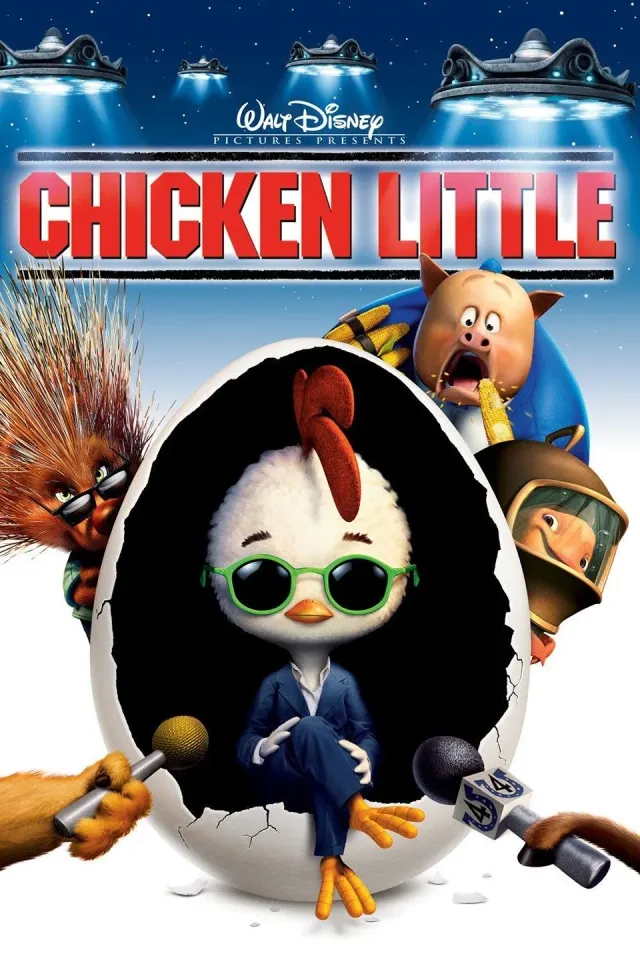
Ridiculed after warning that the sky is falling, a small-town child tries to regain his father's confidence through sporting success. The return of a mysterious fragment reveals that the original alarm involved something far stranger than an acorn. When contact with aliens produces another crisis of belief, his group of outcast friends must act without the reassurance that the adults have correctly understood either their warning or the visitors' intentions.
Yeti Migo accidentally misses his village’s sun-ringing gong and finds a human after a plane crash, contradicting the sacred stones that say smallfoots do not exist. Banished for telling the truth, he joins the Smallfoot Evidentiary Society and descends below the clouds, where he meets struggling human filmmaker Percy. Their contact exposes the costs of the Yetis’ protective myths and the humans’ own desire to exploit a sensational discovery. Migo and Percy must find a way to tell both communities what they have learned without turning fear into another weapon.
What drives the story
The first contact is also a challenge to authority: Migo’s observation threatens a belief system maintained by the village’s leader.
The people at its centre
Migo and Percy each want recognition at first, but their uneasy partnership pushes them toward honesty about what their communities are hiding.
What it feels like
Musical numbers and broad visual gags soften a story about manufactured history, with the vertical journey from mountaintop to human world giving it a clear adventure shape.
Worth knowing
Best for family animation mixing first contact and questioning inherited rules; its lesson-driven comedy is more prominent than realistic science-fiction suspense.
Truthtraditioncuriosity
Mood
Playful · adventurous · thoughtful
Pacing
Quest-driven · musical
Visual style
Cloud-level mountain · bright animated landscapes
Storytelling
First contact · village taboo · cross-world encounter