Based on recorded story, mood and style. Your preferences can change the order.
Memory and identity
What changes Stand by Me Doraemon: episodic and emotionally cumulative. Tokyo Godfathers: episodic search, coincidental encounters and emotional christmas resolution.
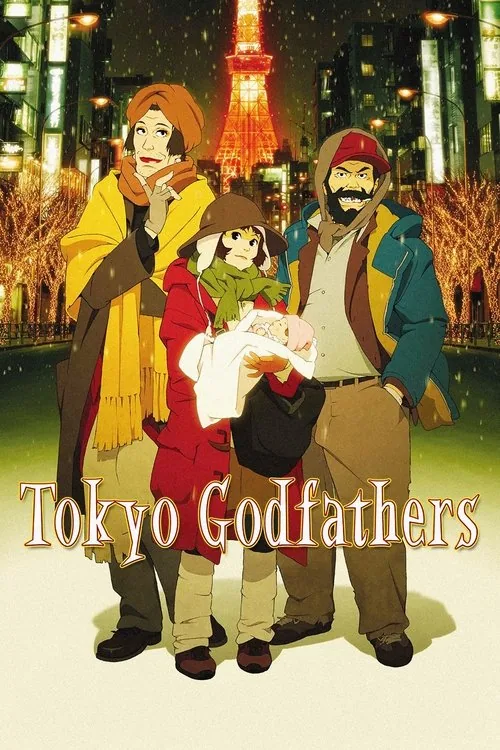
On Christmas Eve in Tokyo, three unhoused companions—Gin, Hana, and runaway teenager Miyuki—find a newborn among discarded belongings. They follow a few clues to identify the baby's parents and carry her through the city, encountering people connected to their own pasts along the way. Their search turns into a chain of coincidences, danger, and unlikely generosity. Satoshi Kon's animated drama uses a holiday structure for a humane urban adventure about chosen family, regret, and the possibility of returning a child to safety.
Based on recorded story, mood and style. Your preferences can change the order.
Coming of age · Memory and identity
What changes Stand by Me Doraemon: episodic and emotionally cumulative. Forgotten Island: brisk and reflective.
As high-school friends Jo and Raissa prepare to leave home for different futures, they enter the imagined island of Nakali, populated by creatures from Filipino folklore, and emerge with crucial memories missing. Their journey back makes remembering a shared friendship part of survival, even as each girl responds differently to danger and change. The animated adventure uses folklore as a source for contemporary storytelling rather than a documentary catalogue of belief. Its memory-stealing creature and the friends’ competing plans give the fantasy a specific emotional stake; the film is one adaptation, not a survey of Filipino mythology.
Based on recorded story, mood and style. Your preferences can change the order.
Coming of age · Memory and identity
What changes Stand by Me Doraemon: episodic and emotionally cumulative. Arco: adventure-led and gently reflective.
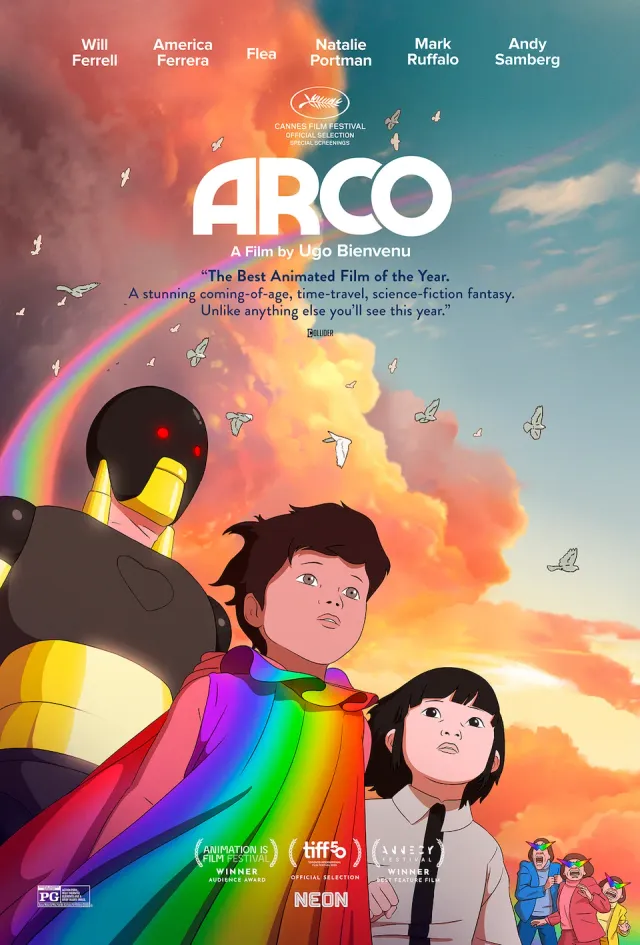
In a distant future, a young boy named Arco accidentally travels back to a climate-changed Earth in 2075. He meets Iris, a girl living with her family in a world altered by environmental damage, and the two try to find a way for him to return home. Ugo Bienvenu's animated science-fiction story connects childhood friendship with questions about ecological loss and the possible futures inherited by children.
Based on recorded story, mood and style. Your preferences can change the order.
What changes Stand by Me Doraemon: episodic and emotionally cumulative. Space Cadet: measured.
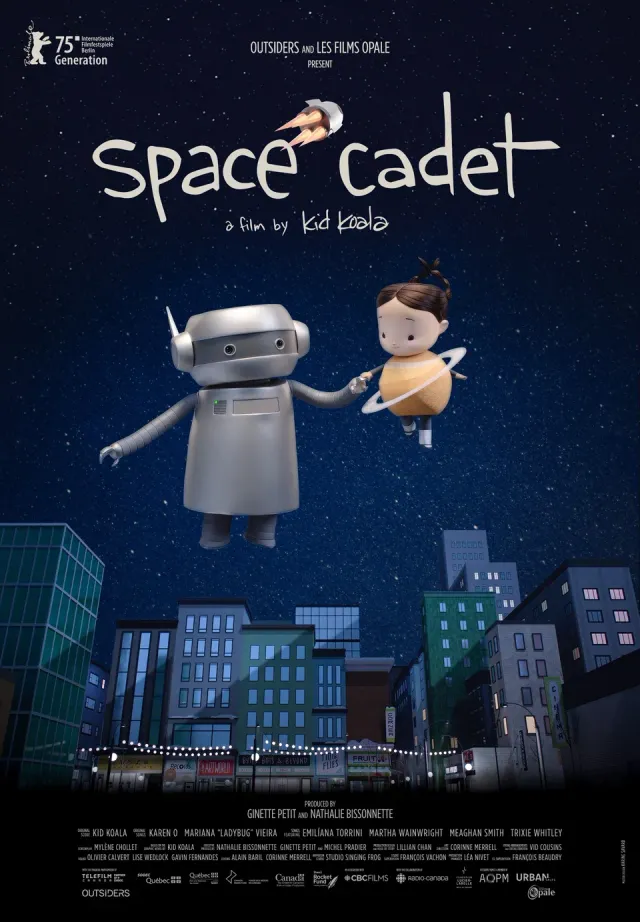
Celeste leaves for her first solo journey into space while Robot, who raised and protected her, remains at home. Their separation forces each to face a life without the other's constant presence. When Celeste encounters danger, memories of childhood become a resource for finding her way. This largely wordless animated fable connects space exploration with the changing bond between a caregiver and a growing child.
Based on recorded story, mood and style. Your preferences can change the order.
Coming of age
What changes Stand by Me Doraemon: episodic and emotionally cumulative. Wolf Children Ame and Yuki: thirteen-year span and seasonal.
College student Hana falls in love with a man who can transform into a wolf, and they have two children, Yuki and Ame, who inherit that ability. After their father dies, Hana raises them alone and moves to the countryside so they can grow without exposing their secret. As they mature, the siblings respond differently to their human and wolf natures, and Hana must support choices she cannot make for them. Mamoru Hosoda’s film spans thirteen years, using fantasy as a frame for the ordinary uncertainty of parenting. The children grow up in the countryside, where schooling and self-discovery force Hana to adapt her protection. Their diverging temperaments cannot both be settled by one household rule.
Based on recorded story, mood and style. Your preferences can change the order.
Coming of age
What changes Stand by Me Doraemon: episodic and emotionally cumulative. Ballerina: training montage leads to an audition climax.
An orphan girl leaves her provincial home for Paris with her friend and pursues her dream of becoming a dancer. She enters a world of auditions, training and strict expectations, sometimes bending rules to gain a chance she has not earned openly. The animated adventure treats discipline and friendship as the means by which ambition becomes more than fantasy.
Based on recorded story, mood and style. Your preferences can change the order.
Coming of age
Expect playful and tender, with episodic and adventure-led pacing.
During a family trip to Paris, Chuckie Finster finds himself wishing for a mother after watching the other children with their parents. His father Chas meets Kira, a kind employee at a large amusement park, while the park's ambitious manager tries to use a proposed marriage for her own gain. The babies' mischief intersects with the adults' choices, making the international outing a story about grief, belonging and the possibility of a changed family.
Based on recorded story, mood and style. Your preferences can change the order.
Memory and identity
What changes Stand by Me Doraemon: episodic and emotionally cumulative. The End of Evangelion: military action opening, abrupt shifts into abstraction and surreal culmination.
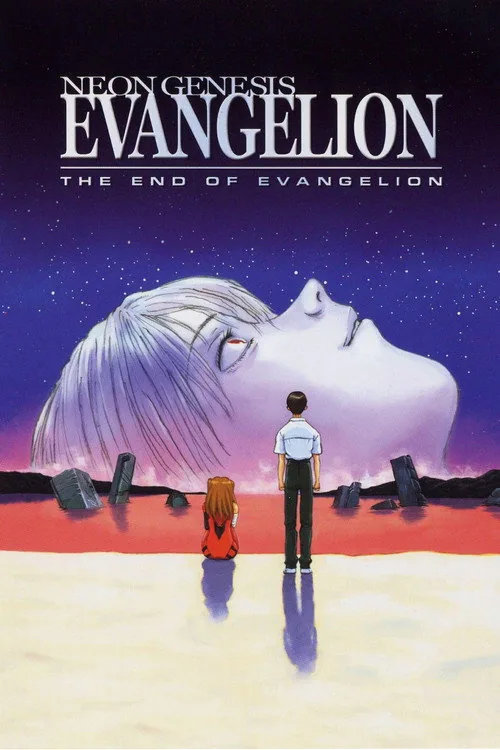
As the secret organization SEELE launches an assault on NERV, operations director Misato searches for Shinji Ikari while the teenage pilots confront the collapse of their world. SEELE intends to trigger Human Instrumentality, a process that would merge human consciousness, while Shinji’s emotional crisis shapes what happens next. Hideaki Anno’s animated film provides a feature-length ending to the television series, expanding its final events into apocalyptic action and intensely subjective imagery. It assumes familiarity with the series and contains disturbing violence and psychological distress.
Based on recorded story, mood and style. Your preferences can change the order.
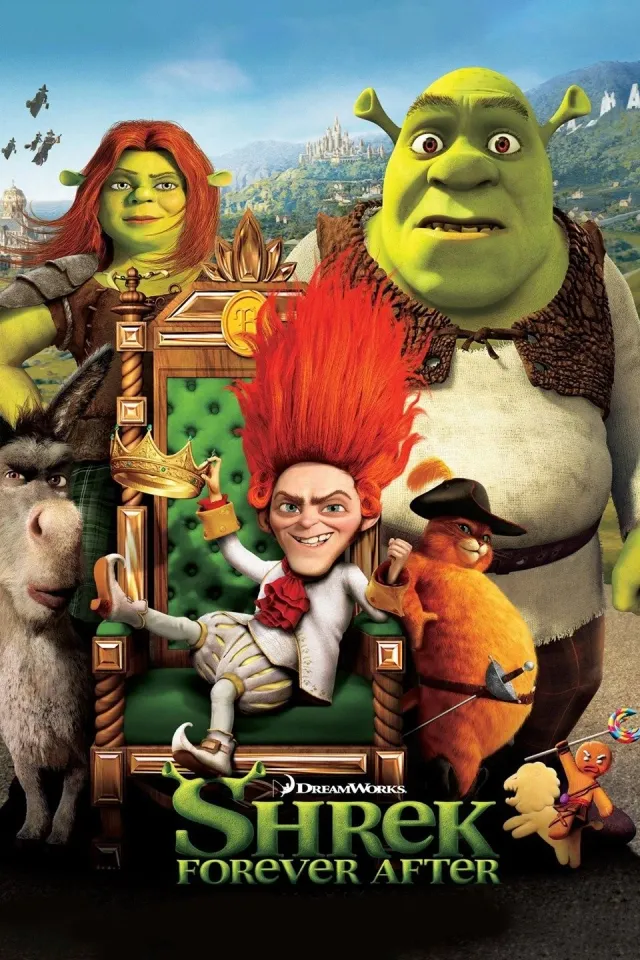
What changes Stand by Me Doraemon: episodic and emotionally cumulative. Shrek Forever After: deadline-driven and escalating.
Tired of being a celebrity and domestic father, Shrek signs Rumpelstiltskin’s contract for one day as a feared ogre, surrendering a day from his past. The wording erases the day he was born, creating a reality where Rumpel rules Far Far Away and Shrek has never met Fiona. In this version Fiona leads an ogre resistance and does not know him. Shrek races the clock to restore the life he took for granted, but the deal can only be undone if Fiona truly falls in love with him again.
Doraemon arrives from the future to help fifth-grader Nobita avoid a bleak adulthood predicted by his descendant Sewashi. The robotic cat’s gadgets make daily problems easier, but Nobita’s choices about school, friendship and his feelings for Shizuka remain his own. As the future begins to change, the film follows the pair through childhood milestones and the possibility of Doraemon leaving once his task is complete. It adapts familiar episodes into one continuous emotional arc about growing up and saying goodbye.
What drives the story
The mission has a clear future-oriented goal, but Nobita’s habits and relationships cannot be corrected by gadgets alone.
The people at its centre
Nobita’s affection for Shizuka grows alongside his dependence on Doraemon; the farewell asks whether care means staying or allowing a child to stand on his own.
What it feels like
Computer-animated versions of familiar characters and objects give episodic comic situations a cohesive, sentimental feature-length shape.
Worth knowing
A fit for family animation about friendship, growing up and parting; it works best for viewers familiar with Doraemon’s world and favors emotional closure over high-stakes action.