Explore films connected to Wolf Children Ame and Yuki through parenthood, independence, identity. Choose the qualities you want to carry into your next watch.
What should feel similar?
Find your next favourite
9 films · Closest overall matches
Hide films you’ve seen or don’t want. Saved on this device.
No matches for this combination yet.
Try another option or reset your choices to see more films.
Based on recorded story, mood and style. Your preferences can change the order.
Coming of age
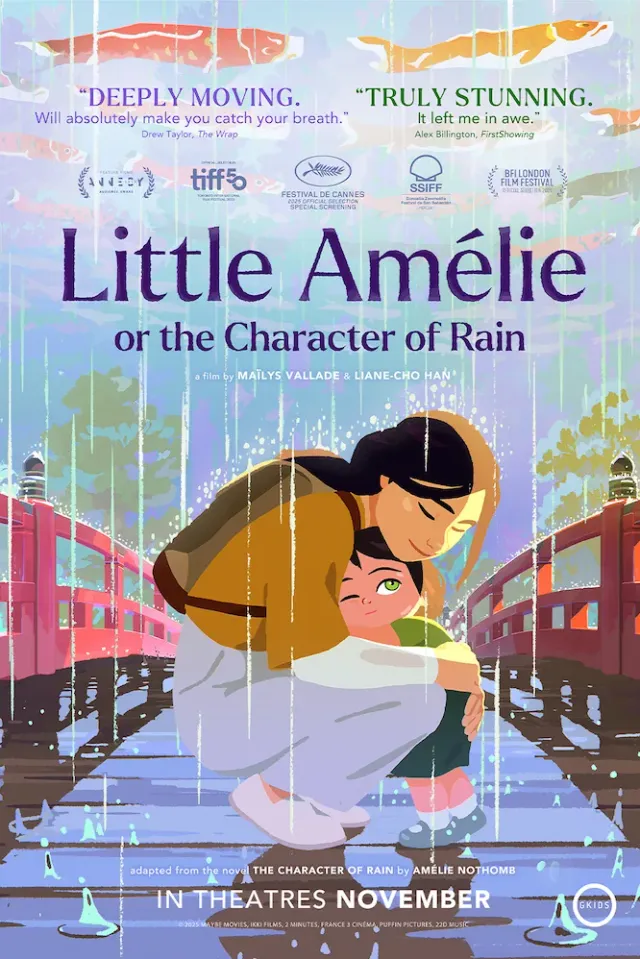
What changes Wolf Children Ame and Yuki: thirteen-year span and seasonal. Little Amélie or the Character of Rain: episodic, observational and gently unfolding.
Based on Amélie Nothomb's autobiographical writing, the animated film follows a Belgian child living in Japan during her earliest years. At first she experiences the world through intense sensations and limited language, then gradually notices family relationships, customs and the meaning of being part of a household. The story turns early childhood into a vivid process of discovery, using a young child's point of view to connect personal memory with place.
Both centre on coming-of-age friendship and family obligation.
Why this matches +
Genres: Fantasy / Adventure
Shared film traits
Based on recorded story, mood and style. Your preferences can change the order.
Coming of age
What changes Wolf Children Ame and Yuki: thirteen-year span and seasonal. Turning Red: school-year comedy and emotional escalation.
Thirteen-year-old Mei Lee is a high-achieving, energetic daughter who loves her friends and shares a close bond with her protective mother Ming. When strong emotions make Mei transform into a giant red panda, a family trait becomes an immediate problem she must manage at school, at home and around the boy band she and her friends adore. Ming’s instinct is to protect Mei, but her vigilance collides with the teenager’s growing need for privacy and choice. The family ritual that could remove the panda form falls on the same night as the concert, forcing Mei to decide what inheritance means to her. Set in early-2000s Toronto and rooted in a Chinese-Canadian family, the film treats adolescence as funny, messy and culturally specific rather than a universal metaphor without a home.
Based on recorded story, mood and style. Your preferences can change the order.
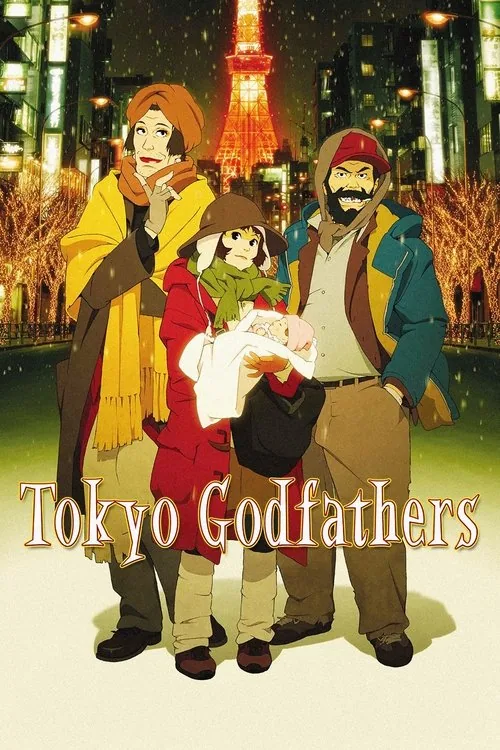
What changes Wolf Children Ame and Yuki: thirteen-year span and seasonal. Tokyo Godfathers: episodic search, coincidental encounters and emotional christmas resolution.
On Christmas Eve in Tokyo, three unhoused companions—Gin, Hana, and runaway teenager Miyuki—find a newborn among discarded belongings. They follow a few clues to identify the baby's parents and carry her through the city, encountering people connected to their own pasts along the way. Their search turns into a chain of coincidences, danger, and unlikely generosity. Satoshi Kon's animated drama uses a holiday structure for a humane urban adventure about chosen family, regret, and the possibility of returning a child to safety.
Based on recorded story, mood and style. Your preferences can change the order.
Coming of age
What changes Wolf Children Ame and Yuki: thirteen-year span and seasonal. Forgotten Island: brisk and reflective.
As high-school friends Jo and Raissa prepare to leave home for different futures, they enter the imagined island of Nakali, populated by creatures from Filipino folklore, and emerge with crucial memories missing. Their journey back makes remembering a shared friendship part of survival, even as each girl responds differently to danger and change. The animated adventure uses folklore as a source for contemporary storytelling rather than a documentary catalogue of belief. Its memory-stealing creature and the friends’ competing plans give the fantasy a specific emotional stake; the film is one adaptation, not a survey of Filipino mythology.
Based on recorded story, mood and style. Your preferences can change the order.
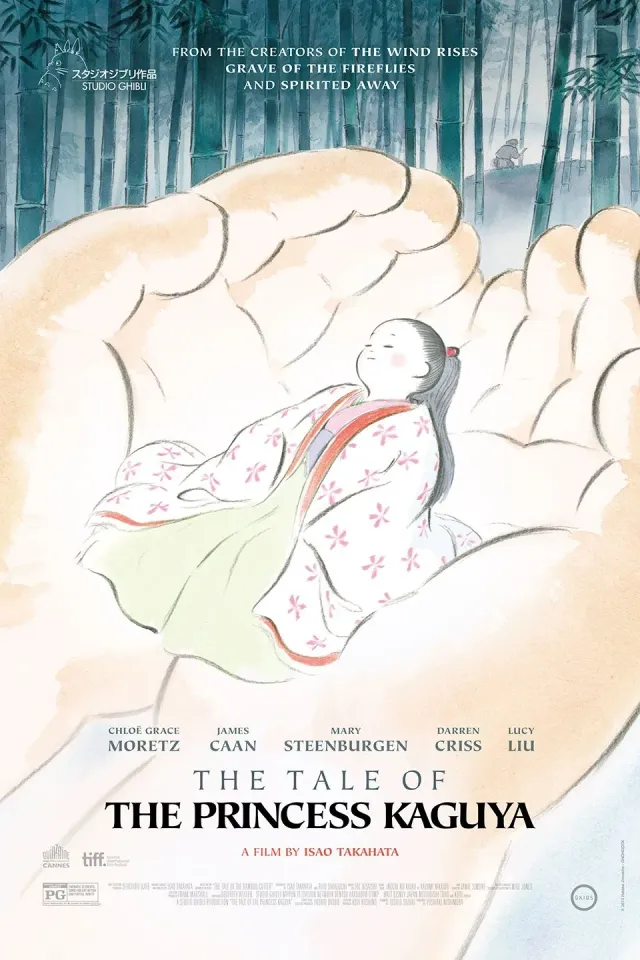
What changes Wolf Children Ame and Yuki: thirteen-year span and seasonal. The Tale of the Princess Kaguya: episodic and flowing.
A bamboo cutter finds a tiny girl inside a glowing stalk and raises her as a daughter with his wife. As she grows, the family moves from the countryside to the capital, where expectations of status and marriage conflict with the life she remembers and wants. Isao Takahata's hand-drawn film turns a folktale into a fluid meditation on freedom, beauty and the brevity of human happiness.
Based on recorded story, mood and style. Your preferences can change the order.
Coming of age
What changes Wolf Children Ame and Yuki: thirteen-year span and seasonal. Stand by Me Doraemon: episodic and emotionally cumulative.
Doraemon arrives from the future to help fifth-grader Nobita avoid a bleak adulthood predicted by his descendant Sewashi. The robotic cat’s gadgets make daily problems easier, but Nobita’s choices about school, friendship and his feelings for Shizuka remain his own. As the future begins to change, the film follows the pair through childhood milestones and the possibility of Doraemon leaving once his task is complete. It adapts familiar episodes into one continuous emotional arc about growing up and saying goodbye.
Based on recorded story, mood and style. Your preferences can change the order.
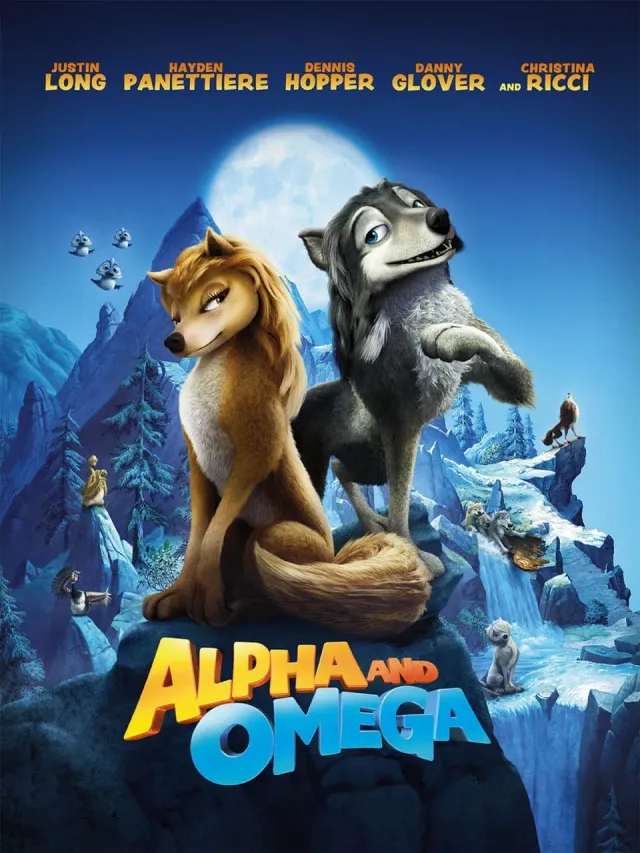
What changes Wolf Children Ame and Yuki: thirteen-year span and seasonal. Alpha and Omega: journey-driven and comic.
Two young wolves from different social positions in their pack are captured by park rangers and moved far from home. Kate is a responsible alpha, while Humphrey is a carefree omega; their journey back requires cooperation and forces them to revise their assumptions about one another. Anthony Bell and Ben Gluck's animated adventure uses animal comedy and romance to frame a family story about social roles and choice.
Based on recorded story, mood and style. Your preferences can change the order.
Coming of age
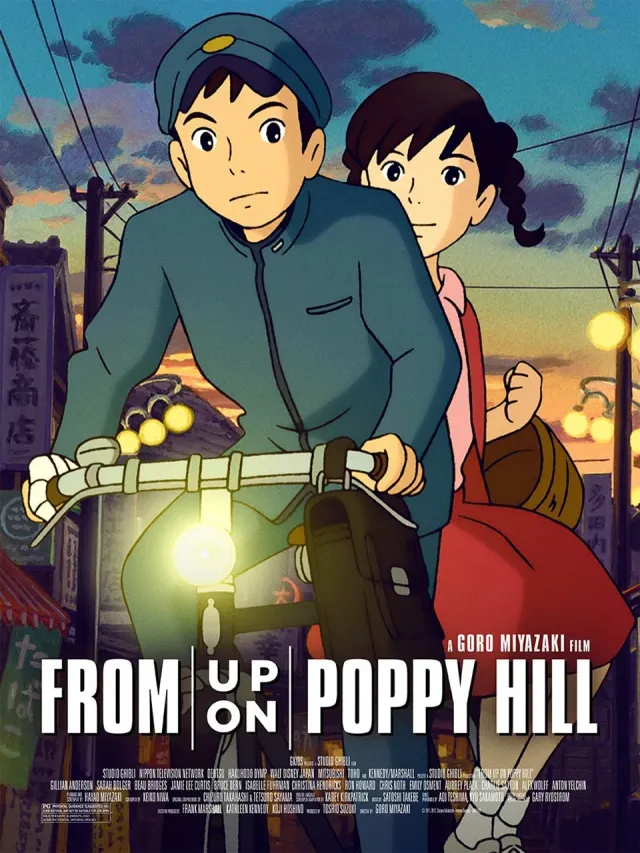
What changes Wolf Children Ame and Yuki: thirteen-year span and seasonal. From Up on Poppy Hill: unhurried and interwoven.
In 1963 Yokohama, high-school student Umi raises signal flags each morning in memory of her father. She becomes involved with Shun and a student campaign to save an old clubhouse from demolition, while questions about their family histories emerge. Gorō Miyazaki's animated drama sets youthful romance within a changing city, balancing civic activism, school life and the private meaning of inherited memory.
Based on recorded story, mood and style. Your preferences can change the order.
Coming of age
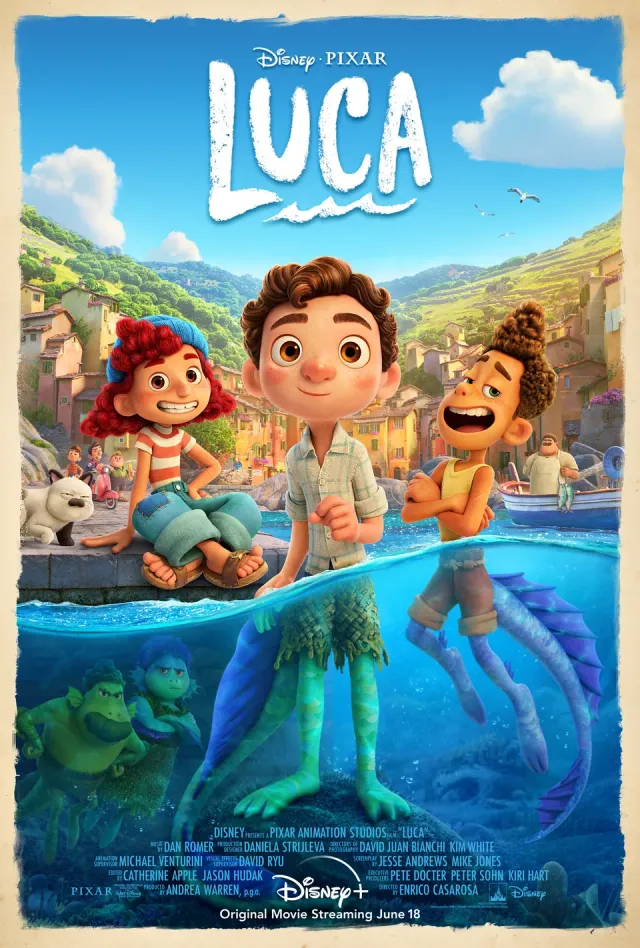
What changes Wolf Children Ame and Yuki: thirteen-year span and seasonal. Luca: brisk.
A young sea creature discovers that he can pass as human on land and joins a more confident friend in imagining a life of travel. A seaside town offers a race that might fund the dream, but also hostility toward the identity they conceal. A new friendship opens educational possibilities that threaten the first companion's fear of abandonment. The animated summer story makes belonging expansive only when it can withstand both disclosure and changed plans, rather than requiring two people to preserve a shared escape fantasy forever.
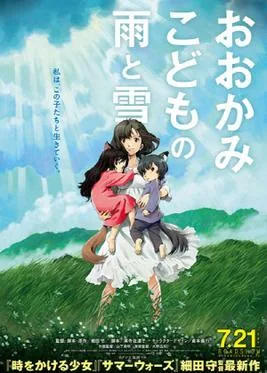
College student Hana falls in love with a man who can transform into a wolf, and they have two children, Yuki and Ame, who inherit that ability. After their father dies, Hana raises them alone and moves to the countryside so they can grow without exposing their secret. As they mature, the siblings respond differently to their human and wolf natures, and Hana must support choices she cannot make for them. Mamoru Hosoda’s film spans thirteen years, using fantasy as a frame for the ordinary uncertainty of parenting. The children grow up in the countryside, where schooling and self-discovery force Hana to adapt her protection. Their diverging temperaments cannot both be settled by one household rule.
What drives the story
The children’s supernatural inheritance makes a parent’s familiar task of protecting them inseparable from allowing them to choose their own lives.
The people at its centre
Hana’s care is resourceful and imperfect; Yuki and Ame’s contrasting temperaments turn sibling difference into the emotional shape of the story.
What it feels like
The film moves from urban intimacy to rural seasons and uses a long time span, quiet domestic labor and expressive animation to deepen its family focus.
Worth knowing
A fit for animated family dramas about parenthood, independence and growing apart. Its reflective, sometimes bittersweet story is more grounded than its werewolf premise suggests.
parenthoodindependenceidentity
Mood
tender · bittersweet · reflective
Pacing
thirteen-year span · seasonal
Visual style
expressive animation · rural landscapes
Storytelling
single parenthood · supernatural inheritance · sibling divergence