Explore films connected to Summer School through Education and self-worth, adolescence, vocation. Choose the qualities you want to carry into your next watch.
What should feel similar?
Find your next favourite
9 films · Closest overall matches
Hide films you’ve seen or don’t want. Saved on this device.
No matches for this combination yet.
Try another option or reset your choices to see more films.
Based on recorded story, mood and style. Your preferences can change the order.
Work and ambition · Family and care
What changes Summer School: classroom ensemble, comic episodes, gradual mentor bond and school-year resolution. The Air Up There: recruitment comedy develops into a local competition and a decision shaped by family and community.
College basketball assistant Jimmy Dolan sees a videotape of Saleh, a gifted player in a Kenyan village, and travels there hoping to recruit him for his university team. Jimmy’s plan meets resistance from Saleh’s father, who leads the community, and from local priorities that do not revolve around an American coach’s career. As Jimmy learns the rhythms and expectations of the village, Saleh’s talent becomes tied to a local basketball contest and a question about what future he wants. The sports comedy follows Jimmy’s shift from treating Saleh as a recruiting opportunity to understanding the people and responsibilities surrounding him.
Based on recorded story, mood and style. Your preferences can change the order.
Coming of age
What changes Summer School: classroom ensemble, comic episodes, gradual mentor bond and school-year resolution. The Big Green: training and matches chart the team's movement from defeat to confidence.
English teacher Anna Montgomery arrives in a struggling Texas town and introduces soccer to students who expect to fail. She forms a team that suffers an 18–0 defeat, then improves after talented newcomer Juan joins and helps the group find confidence. The children's sports comedy builds toward a rematch with the league's strongest team while linking athletic growth to community pride.
Based on recorded story, mood and style. Your preferences can change the order.
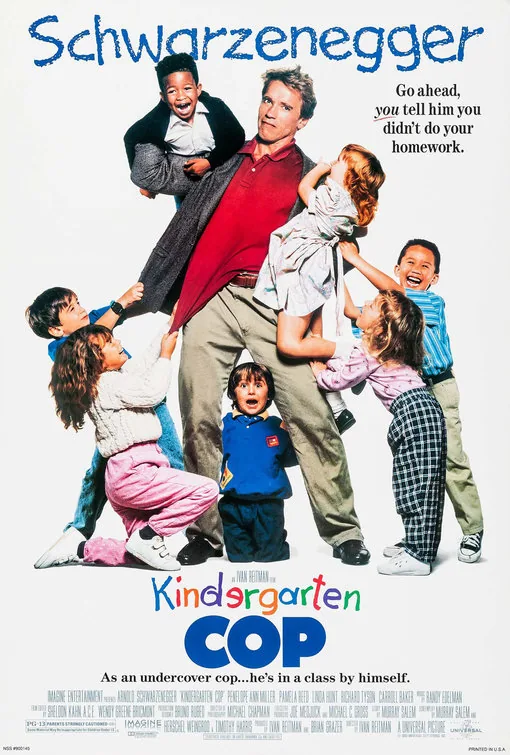
What changes Summer School: classroom ensemble, comic episodes, gradual mentor bond and school-year resolution. Kindergarten Cop: brisk and escalating.
A detective pursuing a dangerous father must identify the man's hidden former partner through a kindergarten class. When the trained undercover teacher becomes ill, he takes the role despite lacking patience and experience with small children. The classroom exposes limits to the authority he normally expresses through force, while growing affection makes the investigation more than an assignment. The action comedy links protection from domestic violence with an unexpected vocation, moving between broad school mishaps and a threat that the children themselves cannot treat as play.
Based on recorded story, mood and style. Your preferences can change the order.
Coming of age
What changes Summer School: classroom ensemble, comic episodes, gradual mentor bond and school-year resolution. Fist Fight: escalating rumors build toward a single showdown.
On the last day of school, a mild-mannered teacher’s joking response to a colleague’s confrontation sets off a rumor that they will fight after class. The pressure attracts students, administrators and coworkers, turning an ordinary workplace grievance into a public spectacle. The comedy relies on escalating misinterpretation and a mismatch between the two teachers, while exposing how little control either has over the story spreading around them.
Based on recorded story, mood and style. Your preferences can change the order.
Coming of age
What changes Summer School: classroom ensemble, comic episodes, gradual mentor bond and school-year resolution. A Walk to Remember: measured.
After a reckless school prank injures another student, a popular teenager is required to undertake service and participate in a play. Seeking help with the production draws him toward a devout classmate he had previously dismissed through the assumptions of his social group. Their relationship changes his public loyalties and expectations of the future, while an undisclosed illness makes the meaning of a shared life more urgent and less predictable than either initially admits.
Based on recorded story, mood and style. Your preferences can change the order.
Coming of age · Family and care
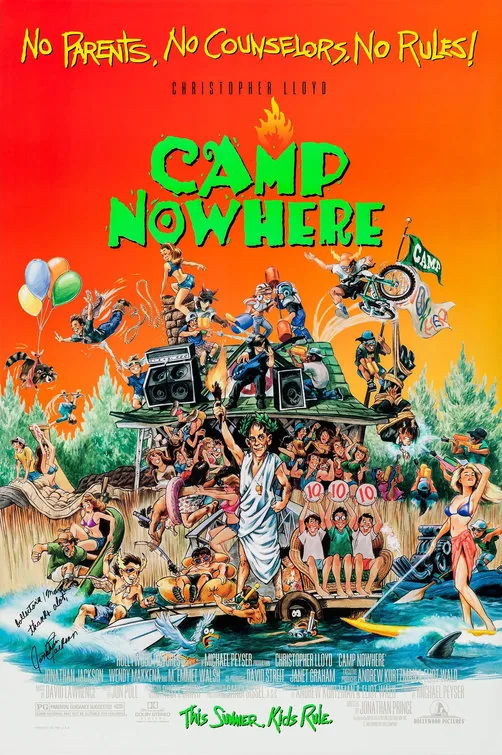
What changes Summer School: classroom ensemble, comic episodes, gradual mentor bond and school-year resolution. Camp Nowhere: a playful deception grows more complicated as the camp expands and the children must maintain the story.
Twelve-year-old Mud Himmel and his friends want to avoid the summer camps their parents have chosen for them. They persuade former drama teacher Dennis Van Welker to help invent Camp Nowhere, a fictional camp with no adults, counselors or rules, and attract more children by promising freedom from parental supervision. Keeping the plan secret requires parents to believe the campers are elsewhere and requires Dennis to keep up a series of disguises. As the group enjoys its improvised summer, the children discover that independence brings responsibilities, and that the friendships holding the camp together matter more than the fantasy of having no rules.
Based on recorded story, mood and style. Your preferences can change the order.
Coming of age
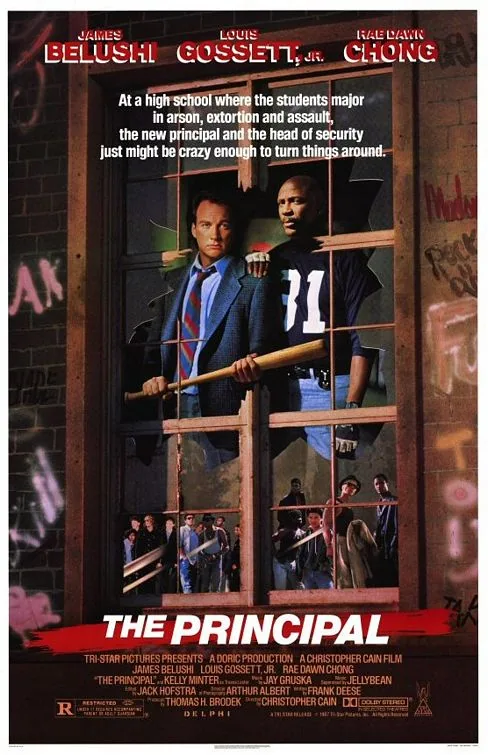
What changes Summer School: classroom ensemble, comic episodes, gradual mentor bond and school-year resolution. The Principal: escalating confrontations.
After a serious conflict at his previous school, teacher Rick Latimer is assigned to lead a high school where violence and disorder have become routine. He clashes with students, staff and local authority figures as he tries to establish safety and credibility. The action drama places a hard-edged outsider in a failing institution, then asks whether forceful control can create the trust a school needs.
Based on recorded story, mood and style. Your preferences can change the order.
Coming of age
What changes Summer School: classroom ensemble, comic episodes, gradual mentor bond and school-year resolution. Dazed and Confused: episodic and one-day frame.
On the last day of school in 1976, a group of Texas teenagers move between parties, cruising, school traditions, and uncertain summer plans. The film follows several overlapping circles rather than a single protagonist, catching the way older students exercise power while younger ones try to decide how much they will conform. Its loose shape turns ordinary adolescent rituals into a portrait of a moment before adulthood begins.
Based on recorded story, mood and style. Your preferences can change the order.
What changes Summer School: classroom ensemble, comic episodes, gradual mentor bond and school-year resolution. Sitaare Zameen Par: punishment begins as reluctant coaching, small breakthroughs build team trust and competition gives their growth a public test.
Once-promising assistant basketball coach Gulshan Arora is ordered by a court to train a team of players with intellectual disabilities after a drunk-driving incident. He begins reluctantly and struggles to understand how to coach each person, but learns to recognize their individual strengths and needs. Small achievements, including helping player Guddu face a bathing phobia, gradually change the team's trust in him and his own sense of purpose. The Hindi sports comedy-drama reworks a familiar redemption arc through coaching, accessibility, and the team's collective growth.
Physical-education teacher Freddy Shoop expects to spend the summer in Hawaii, but his vice principal corners him into teaching a remedial English class. The students include a football player, a dyslexic girl, a pregnant teenager, a budding actor and two horror-film obsessives, each carrying a different reason for struggling at school. Shoop initially treats the assignment as an obstacle to his vacation, while the class tests his patience and the school’s low expectations. He gradually finds ways to make the material engaging, and his connection with history teacher Robin Bishop gives him another reason to stay. The comedy turns a disposable summer job into a loose story of teaching, self-respect and students discovering what they can do.
What drives the story
Shoop’s carefree image masks his reluctance to invest effort; his students force him to take their needs seriously.
The people at its centre
Robin challenges Shoop toward greater commitment, while the students’ very different personalities become a rough-knit class community.
What it feels like
The film uses broad teen-comedy stereotypes but makes its emotional turn depend on adults recognizing how students learn differently.
Worth knowing
A sunny classroom comedy about a teacher and remedial students finding motivation through mutual effort.