Explore films connected to Tanvi The Great through ambition and access, family memory, self-determination. Choose the qualities you want to carry into your next watch.
What should feel similar?
Find your next favourite
9 films · Closest overall matches
Hide films you’ve seen or don’t want. Saved on this device.
No matches for this combination yet.
Try another option or reset your choices to see more films.
Based on recorded story, mood and style. Your preferences can change the order.
War and civilian life
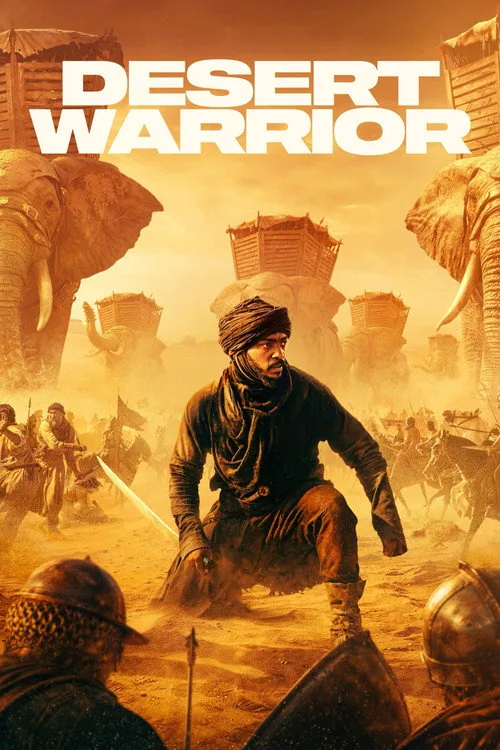
What changes Tanvi The Great: character-led, measured and goal-oriented. Desert Warrior: sweeping, action-driven and builds toward battle.
In seventh-century Arabia, Princess Hind refuses the demands of Emperor Kisra, whose ambition is to claim her as a concubine. With help from a legendary bandit, she resists his rule and gathers allies for a confrontation that culminates in the Battle of Ze Qar. The historical epic stages a struggle over sovereignty and personal agency across desert landscapes, combining political defiance with large-scale action and the legend of a woman whose refusal reshapes a regional conflict.
Based on recorded story, mood and style. Your preferences can change the order.
Coming of age
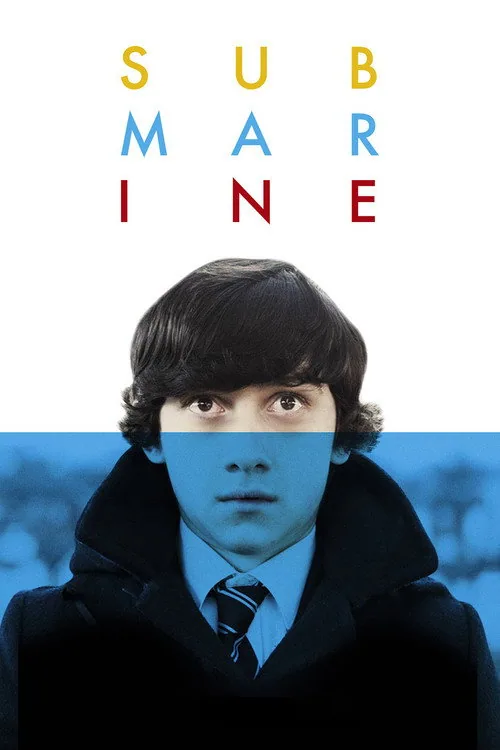
What changes Tanvi The Great: character-led, measured and goal-oriented. Submarine: episodic, reflective and gentle.
Fifteen-year-old Oliver Tate observes his school and family life with elaborate seriousness, hoping to understand how to become an adult on his own terms. He begins a relationship with Jordana, whose bluntness challenges his romantic plans, while also trying to prevent his parents' marriage from falling apart. The Welsh coming-of-age comedy follows these two rescue missions with dry humor, handwritten schemes, and a narrator whose imagination is more confident than his understanding.
Based on recorded story, mood and style. Your preferences can change the order.
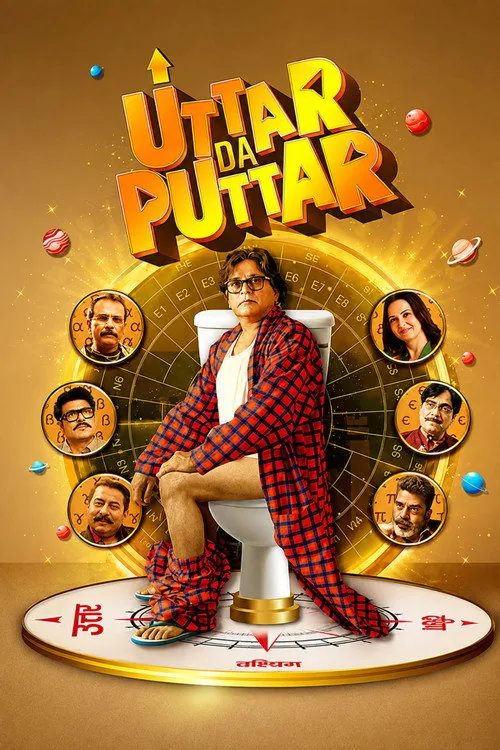
What changes Tanvi The Great is tagged earnest and inspirational; Uttar Da Puttar is tagged reflective and comic.
A village professor and Ginni become entangled in a story examining Vastu, astrology, and numerology as forces that shape people's decisions. The film follows how faith in these systems can offer guidance but also create fear and harmful consequences when superstition overrides judgment. Uttar Da Puttar uses family and community relationships to frame a contemporary debate about belief, presenting its characters' reliance on traditional practices as both a source of meaning and a question worth challenging.
Based on recorded story, mood and style. Your preferences can change the order.
Coming of age
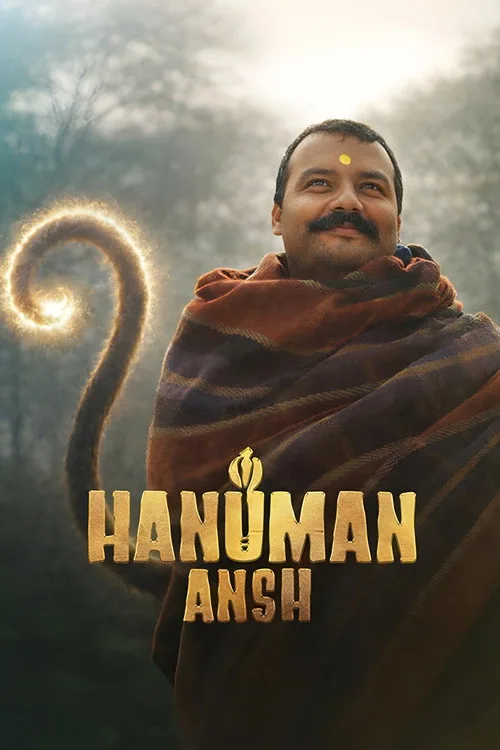
What changes Tanvi The Great: character-led, measured and goal-oriented. Hanuman Ansh: biographical, episodic and reflective.
At thirteen, Lakshminarayan leaves his home in the Braj region after his mother's death, believing that devotion to Rama may allow them to be reunited. Guided by the Hanuman Chalisa, he travels to a Vaishnava temple, where an elderly mahant recognizes his spiritual inclination and tests his commitment. The Hindi biographical drama follows the childhood and formation of a future religious leader, placing grief, discipline, and faith at the center of a coming-of-age journey.
Based on recorded story, mood and style. Your preferences can change the order.
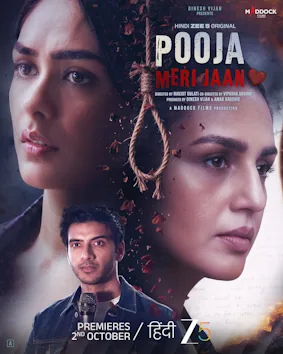
What changes Tanvi The Great: character-led, measured and goal-oriented. Pooja Meri Jaan: psychological build, investigation and tense.
Pooja Dogra is an aspiring actor in Delhi whose rejection of her close friend Aniket's romantic advances triggers a disturbing sequence of events. As affection turns into obsession, Pooja's private choices are reframed by social expectations about how women should respond to male attention. The Hindi crime drama follows her effort to understand and escape the danger surrounding her, using a theatre setting and a courtroom dimension to examine consent, reputation, and the difference between love and control.
Based on recorded story, mood and style. Your preferences can change the order.
Coming of age
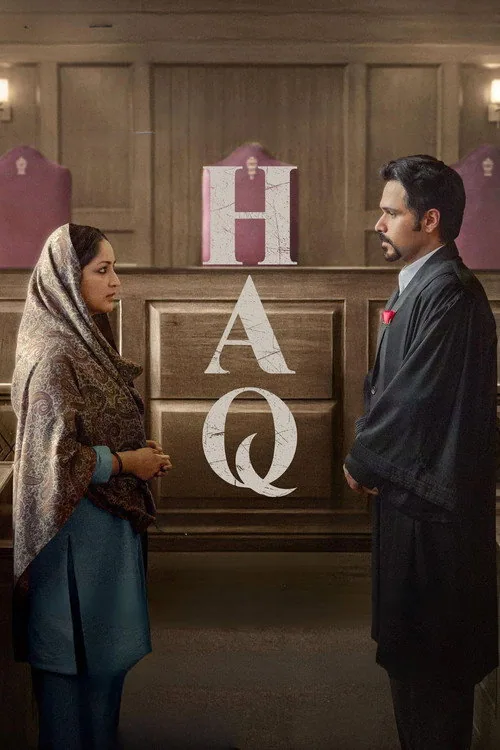
What changes Tanvi The Great: character-led, measured and goal-oriented. Haq: legal-procedural, argument-driven and dramatic.
In 1970s India, Shazia Bano's marriage collapses when her husband returns with a second wife and later uses religious divorce to abandon her. Shazia takes the fight for maintenance and dignity into the courts, where lawyer and public figure C. Sankaran Nair becomes involved in a dispute that echoes a landmark national debate. Haq is a legal and social drama about a woman's effort to claim financial security and recognition within systems that make her private life a public battleground.
Based on recorded story, mood and style. Your preferences can change the order.
Coming of age
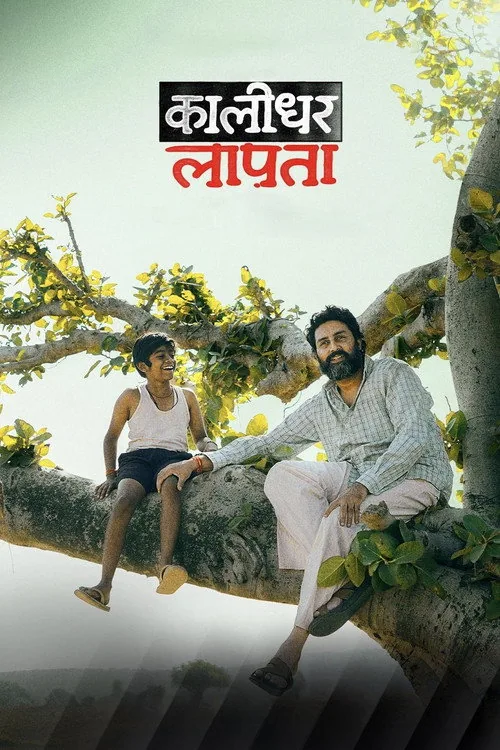
What changes Tanvi The Great is tagged earnest and inspirational; Kaalidhar Laapata is tagged gentle and hopeful.
Middle-aged Kaalidhar, who is experiencing memory loss, overhears his family planning to leave him behind during a religious gathering and decides to leave on his own. On the road he meets Ballu, an eight-year-old orphan, and the two form an unexpected bond. They travel across India to complete items on Kaalidhar's bucket list, turning a private fear of abandonment into a shared adventure. The Hindi drama balances humor and poignancy as an older man and child help each other rediscover a sense of purpose and belonging.
Based on recorded story, mood and style. Your preferences can change the order.
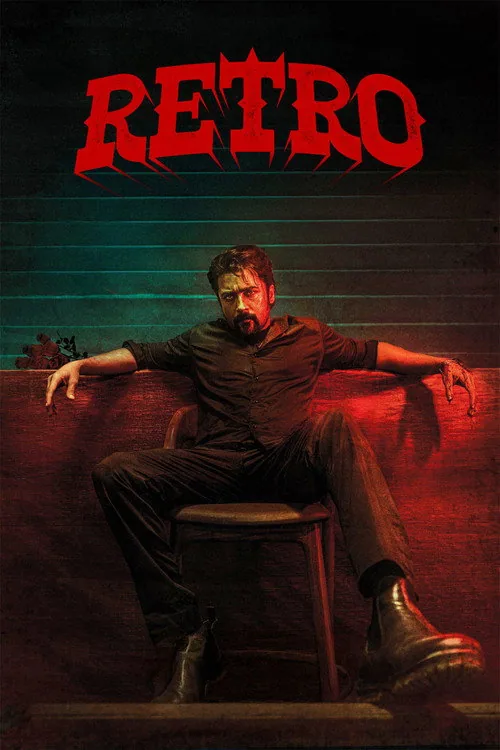
What changes Tanvi The Great: character-led, measured and goal-oriented. Retro: sweeping, action-driven and melodramatic.
Raised by a loving adoptive mother inside a gangster household, Paari grows into a loyal enforcer before deciding to leave violence behind for a life with Rukmini. His attempt to break from the criminal world collides with the family and history that shaped him, turning a romance into a test of whether inherited brutality can be refused. Set across several decades, Retro combines a star-centered love story with stylized action and questions of fate, family, and self-determination.
Based on recorded story, mood and style. Your preferences can change the order.
Coming of age
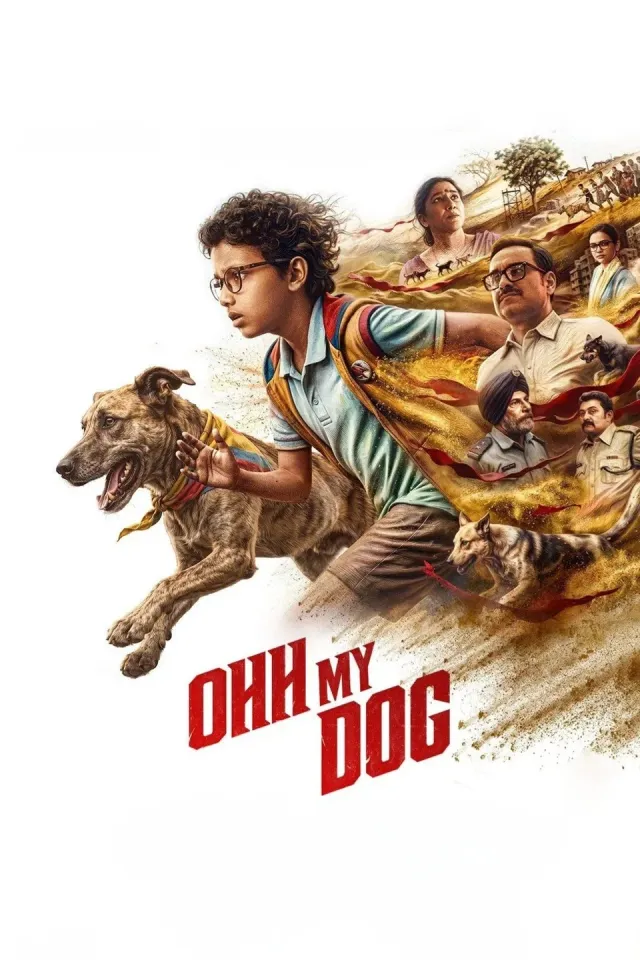
What changes Tanvi The Great: character-led, measured and goal-oriented. Ohh My Dog: sentimental, adventure-led and moderate.
A child’s bond with an abandoned dog grows into a story about care, loyalty, and the responsibilities that come with protecting an animal. The 2026 Hindi-language drama centers Bruno as the emotional anchor, using the relationship between the young protagonist and the dog to connect family life with questions of compassion and justice. Its accessible family framing places an affectionate human-animal relationship alongside a more investigative dramatic thread.
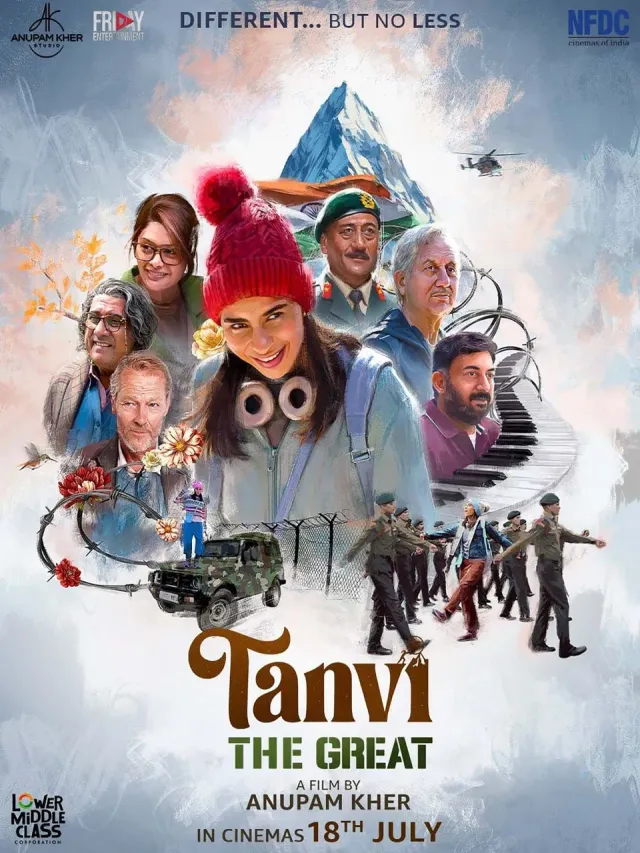
Tanvi Raina, a 21-year-old woman on the autism spectrum, is inspired by her late father, an Indian Army officer who dreamed of saluting the flag at Siachen Glacier. Living with her mother and grandfather, she sets herself the ambitious goal of following in his footsteps and joining the army. The drama follows the meaning she gives to that promise, placing a personal coming-of-age journey against family memory, military aspiration, and the practical barriers of a demanding institution.
What drives the story
Tanvi pursues the dream her father could not fulfill, testing what determination can make possible.
The people at its centre
Her bond with her mother and grandfather anchors an independent goal in intergenerational love and grief.
What it feels like
The film frames an ambitious personal journey with family warmth and a strong aspirational destination.
Worth knowing
Its military setting supports an intimate story about access and agency rather than combat or battlefield heroics.
ambition and accessfamily memoryself-determination
Mood
earnest · inspirational · tender
Pacing
character-led · measured · goal-oriented
Visual style
intimate family drama · mountain aspiration imagery · ceremonial military detail
Storytelling
personal mission · late-parent legacy · military aspiration