Explore films connected to Uttar Da Puttar through belief and evidence, superstition, family influence. Choose the qualities you want to carry into your next watch.
What should feel similar?
Find your next favourite
9 films · Closest overall matches
Hide films you’ve seen or don’t want. Saved on this device.
No matches for this combination yet.
Try another option or reset your choices to see more films.
Based on recorded story, mood and style. Your preferences can change the order.
What changes Uttar Da Puttar: dialogue-led, character-based and measured. Kantara: gradual awakening, community conflict and ritual climax.
In coastal Karnataka, the villagers' relationship with the forest is shaped by a longstanding promise involving a local spirit deity and the land. Years later, Kambala performer Shiva avoids his family's history until a landlord's claim and a forest officer's enforcement bring that inheritance into direct conflict. The Kannada drama combines village life, ritual, land rights, and action as Shiva is pulled toward a spiritual role that his community understands differently from him.
Based on recorded story, mood and style. Your preferences can change the order.
Memory and identity
What changes Uttar Da Puttar: dialogue-led, character-based and measured. Hanuman Ansh: biographical, episodic and reflective.
At thirteen, Lakshminarayan leaves his home in the Braj region after his mother's death, believing that devotion to Rama may allow them to be reunited. Guided by the Hanuman Chalisa, he travels to a Vaishnava temple, where an elderly mahant recognizes his spiritual inclination and tests his commitment. The Hindi biographical drama follows the childhood and formation of a future religious leader, placing grief, discipline, and faith at the center of a coming-of-age journey.
Based on recorded story, mood and style. Your preferences can change the order.
Memory and identity
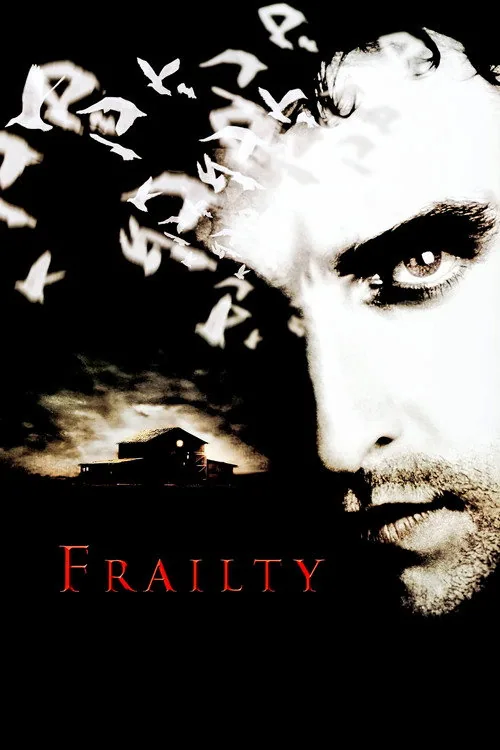
What changes Uttar Da Puttar: dialogue-led, character-based and measured. Frailty: layered testimony, slow revelation and psychological.
A Texas man enters a sheriff's office and tells a disturbing story about his childhood: his father claimed God had revealed that certain people were demons and ordered him to destroy them. The narrator and his brother were drawn into the father's secret mission, but each boy understood the violence and its claimed religious purpose differently. The Southern Gothic thriller lets the family story unfold as an investigation, keeping faith, fear, and memory in tension.
Based on recorded story, mood and style. Your preferences can change the order.
What changes Uttar Da Puttar: dialogue-led, character-based and measured. Hot Spot 2 Much: episodic, segment-based and tonally varied.
A storyteller presents three comic and provocative tales, moving from the toxic behavior of obsessive fans to a father struggling with his daughter's modern self-expression and a dystopian romance shaped by a time machine. The anthology uses satire to connect social disagreements that range from celebrity culture and family values to changing ideas of intimacy. Each segment has its own setup, while the framing device gives the film a chance to comment on who gets to tell a story and how quickly moral certainty becomes judgment.
Based on recorded story, mood and style. Your preferences can change the order.
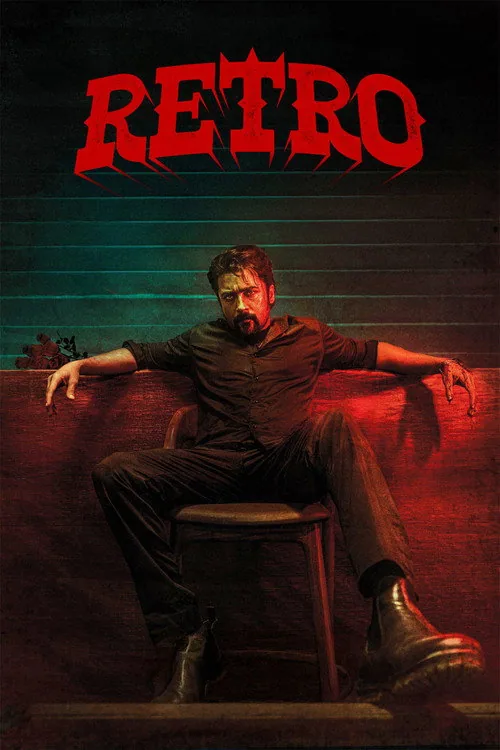
What changes Uttar Da Puttar: dialogue-led, character-based and measured. Retro: sweeping, action-driven and melodramatic.
Raised by a loving adoptive mother inside a gangster household, Paari grows into a loyal enforcer before deciding to leave violence behind for a life with Rukmini. His attempt to break from the criminal world collides with the family and history that shaped him, turning a romance into a test of whether inherited brutality can be refused. Set across several decades, Retro combines a star-centered love story with stylized action and questions of fate, family, and self-determination.
Based on recorded story, mood and style. Your preferences can change the order.
What changes Uttar Da Puttar is tagged reflective and comic; Homebound is tagged empathetic and somber.
Childhood friends Chandan and Shoaib leave their North Indian village to pursue police jobs, hoping a uniform will bring them dignity and economic stability. Caste prejudice, religious discrimination, and structural barriers complicate their shared ambition, placing pressure on a friendship that once seemed unshakeable. Spanning several years and culminating during the pandemic, Homebound follows how unequal treatment shapes two young men's chances of returning home with the life they imagined.
Based on recorded story, mood and style. Your preferences can change the order.
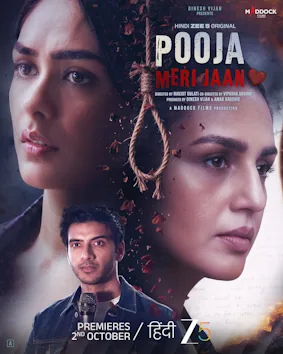
What changes Uttar Da Puttar: dialogue-led, character-based and measured. Pooja Meri Jaan: psychological build, investigation and tense.
Pooja Dogra is an aspiring actor in Delhi whose rejection of her close friend Aniket's romantic advances triggers a disturbing sequence of events. As affection turns into obsession, Pooja's private choices are reframed by social expectations about how women should respond to male attention. The Hindi crime drama follows her effort to understand and escape the danger surrounding her, using a theatre setting and a courtroom dimension to examine consent, reputation, and the difference between love and control.
Based on recorded story, mood and style. Your preferences can change the order.
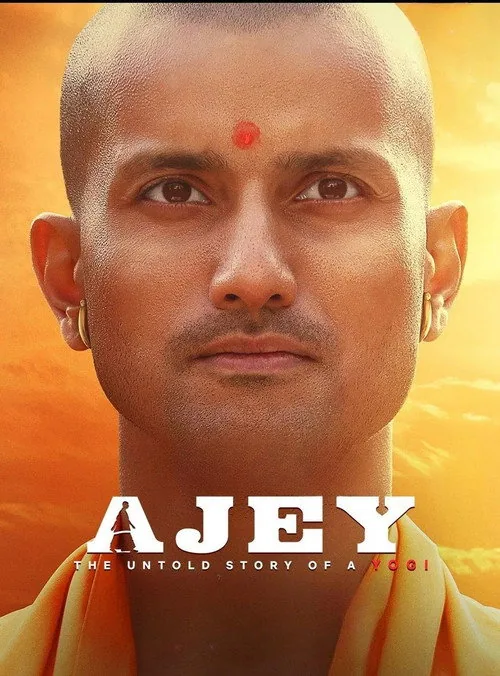
What changes Uttar Da Puttar: dialogue-led, character-based and measured. Ajey: The Untold Story of a Yogi: life-spanning, episodic and inspirational.
Inspired by a biography of Yogi Adityanath, the film traces Ajey's path from an introverted boy in the hills to a religious figure and political leader. It presents formative struggles, the influence of his guru, and decisions that lead him into public life and leadership in Uttar Pradesh. The Hindi political drama organizes a contemporary politician's biography as a story of transformation, conviction, and authority, asking viewers to follow the personal journey behind a prominent public identity.
Based on recorded story, mood and style. Your preferences can change the order.
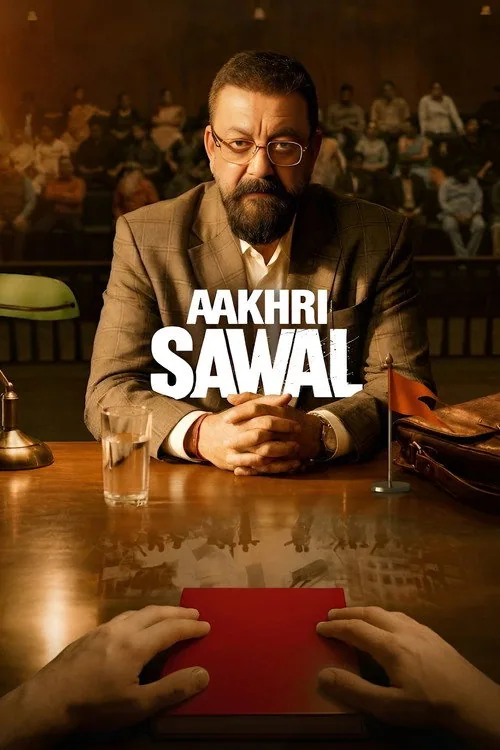
What changes Uttar Da Puttar: dialogue-led, character-based and measured. Aakhri Sawal: debate-driven, mystery unfolding and dramatic.
Young scholar Vicky Hegde publicly challenges his former mentor, Professor Gopal Nadkarni, on historical and ideological questions, setting off a debate that draws national attention. The controversy deepens when Vicky discovers a connection to the disappearance of researcher Pallavi Menon, and investigator Aditya Rao helps trace secrets in Nadkarni's past. The Hindi political drama turns an academic dispute into a mystery about evidence, power, and the consequences of controlling the historical record.
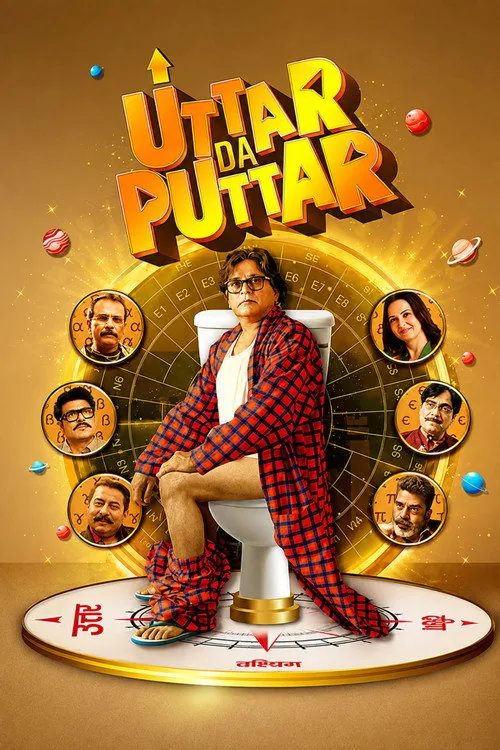
A village professor and Ginni become entangled in a story examining Vastu, astrology, and numerology as forces that shape people's decisions. The film follows how faith in these systems can offer guidance but also create fear and harmful consequences when superstition overrides judgment. Uttar Da Puttar uses family and community relationships to frame a contemporary debate about belief, presenting its characters' reliance on traditional practices as both a source of meaning and a question worth challenging.
What drives the story
Characters navigate choices shaped by Vastu, astrology, and numerology as the film questions their practical effects.
The people at its centre
The professor and Ginni encounter people whose faith offers comfort but can also constrain their choices.
What it feels like
The drama invites reflection on superstition through familiar community situations and direct conversation.
Worth knowing
Its social focus is the influence of everyday belief systems, rather than a supernatural mystery.
belief and evidencesuperstitionfamily influence
Mood
reflective · comic · cautionary
Pacing
dialogue-led · character-based · measured
Visual style
domestic North Indian settings · ritual detail · social drama framing
Storytelling
social issue drama · astrology and numerology · belief tested