Explore films connected to Hot Spot 2 Much through social hypocrisy, generational conflict, storytelling and judgment. Choose the qualities you want to carry into your next watch.
What should feel similar?
Find your next favourite
9 films · Closest overall matches
Hide films you’ve seen or don’t want. Saved on this device.
No matches for this combination yet.
Try another option or reset your choices to see more films.
Based on recorded story, mood and style. Your preferences can change the order.
Coming of age
What changes Hot Spot 2 Much: episodic, segment-based and tonally varied. Mission Muh Dikhayi: sketch-like comedy, domestic escalation and warm resolution.
A modern young bride enters a traditional family household, and the shift in customs and expectations creates comic commotion. The story presents the collision through family members adjusting to one another, with the new daughter-in-law's perspective challenging established routines. Built as a Hindi family comedy for a broad online audience, the film uses domestic rituals and generational differences as its main source of conflict, letting household misunderstandings develop into a communal celebration of change and acceptance.
There is little recorded overlap with your starting film.
Why this matches +
Genres: Comedy
Shared film traits
Based on recorded story, mood and style. Your preferences can change the order.
Constructed reality
What changes Hot Spot 2 Much: episodic, segment-based and tonally varied. Why Him?: escalating gags lead toward a choice about trust.
During a holiday visit, an overprotective father meets his daughter’s wealthy and socially uninhibited boyfriend and decides the man is unsuitable. Their conflict turns a family introduction into a contest over status, approval and who gets to define adulthood. The comedy relies on cultural mismatch and escalating embarrassment, while the father’s attachment to his daughter gives the rivalry a more sincere emotional basis.
There is little recorded overlap with your starting film.
Why this matches +
Genres: Science Fiction / Thriller
Shared film traits
Based on recorded story, mood and style. Your preferences can change the order.
Constructed reality · Coming of age
What changes Hot Spot 2 Much: episodic, segment-based and tonally varied. Project Almanac: escalating successes give way to mounting fallout.
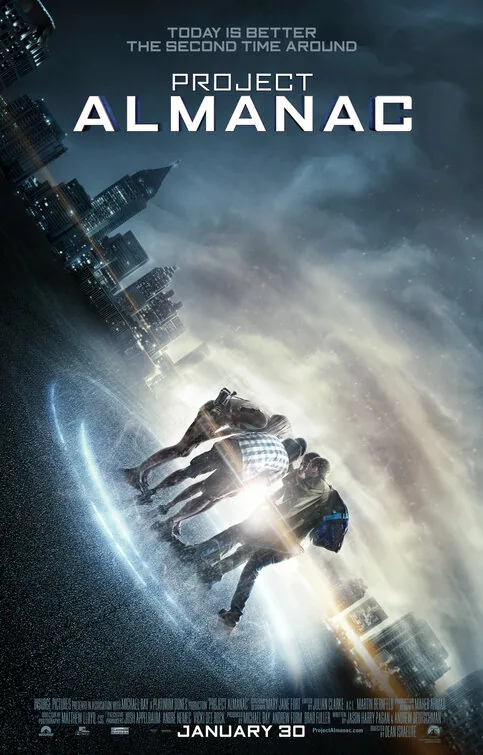
A group of teenagers discover plans for a time-travel device and begin using it to change small disappointments in their lives. Their success makes the experiment feel like play until consequences accumulate and relationships become difficult to protect. The found-footage science-fiction film turns adolescent wish fulfillment into a cautionary story about responsibility, memory and the temptation to treat time as a reset button.
Based on recorded story, mood and style. Your preferences can change the order.
Coming of age
What changes Hot Spot 2 Much: episodic, segment-based and tonally varied. Little Children: measured, interwoven and gradual.
In a New Jersey suburb, Sarah and Brad begin an affair while feeling dissatisfied with their marriages and unsure of their adult identities. Their relationship develops alongside the return of Ronnie, a convicted sex offender living with his mother under watchful community scrutiny. The intersecting stories examine desire, judgment, parenting, and the routines of neighborhood life, using two very different forms of public and private transgression to unsettle the characters' sense of normality.
There is little recorded overlap with your starting film.
Why this matches +
Genres: Comedy / Parody
Shared film traits
Based on recorded story, mood and style. Your preferences can change the order.
Constructed reality
What changes Hot Spot 2 Much: episodic, segment-based and tonally varied. The Kentucky Fried Movie: fragmented, fast and abrupt.
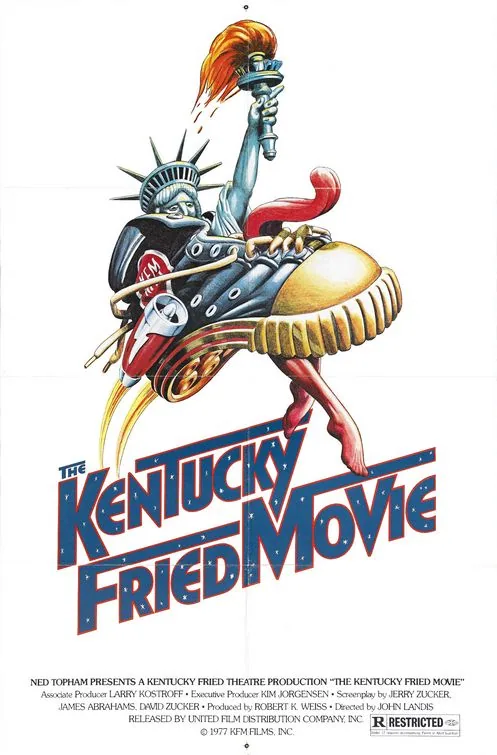
An irreverent anthology strings together short sketches that parody television news, advertisements, courtroom thrillers, martial arts films, disaster movies and other screen formats. The pieces jump from one comic premise to another, sometimes interrupting themselves with fake promotions or deliberately cheap effects. Directed by John Landis and written by Jim Abrahams and the Zucker brothers, the film treats television and movie conventions as raw material for a fast barrage of spoof.
There is little recorded overlap with your starting film.
Why this matches +
Genres: Drama / Comedy
Shared film traits
Based on recorded story, mood and style. Your preferences can change the order.
Constructed reality
What changes Hot Spot 2 Much: episodic, segment-based and tonally varied. Kinds of Kindness: triptych and segmented.
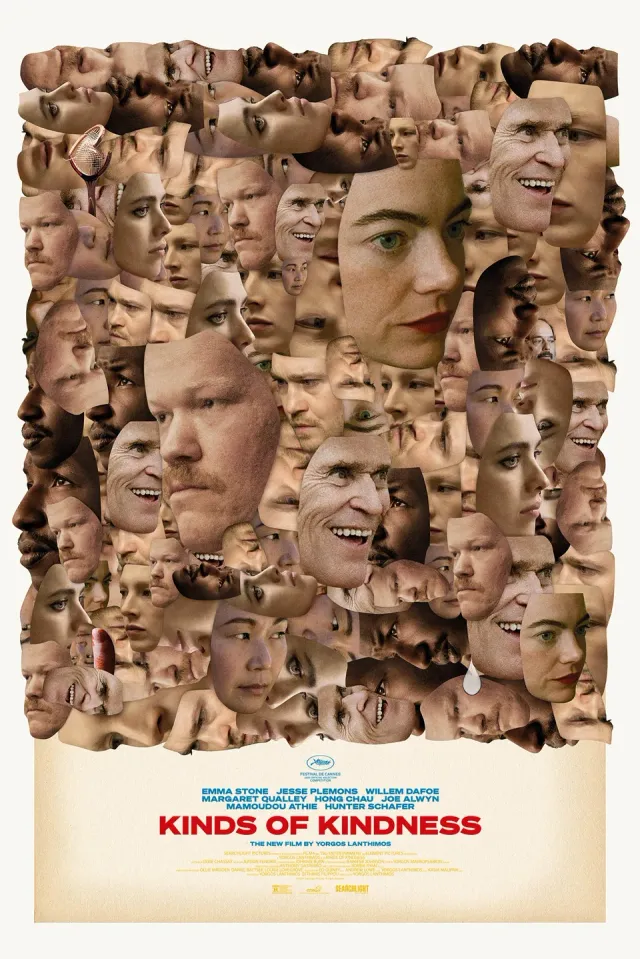
Three loosely connected stories follow people whose relationships are shaped by dependency, control and uncertainty. A worker obeys an overbearing boss until he is asked to commit an extreme act; a woman returning from an expedition is treated as if she may not be herself; and a third character seeks membership in a group with rigid demands. Yorgos Lanthimos uses recurring performers, uncanny humor and fable-like chapters to examine how people submit to systems that promise belonging.
Based on recorded story, mood and style. Your preferences can change the order.
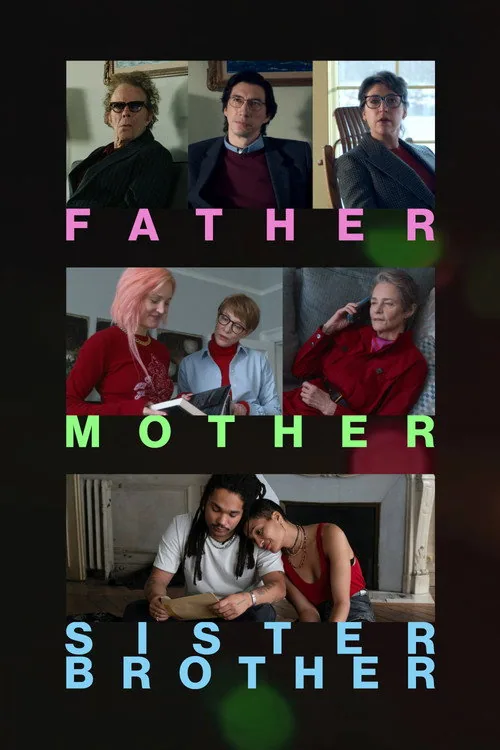
What changes Hot Spot 2 Much is tagged sarcastic and provocative; Father Mother Sister Brother is tagged quiet and wry.
Jim Jarmusch's triptych follows adult siblings in three separate family encounters: grown children visit a reclusive father in the United States, sisters reunite with their mother in Dublin, and twin siblings return to a Paris apartment after a family tragedy. The stories are connected by distance, habit, and what relatives leave unsaid rather than by a shared plot. Observational pauses and small gestures make ordinary gatherings the film's central dramatic events.
Based on recorded story, mood and style. Your preferences can change the order.
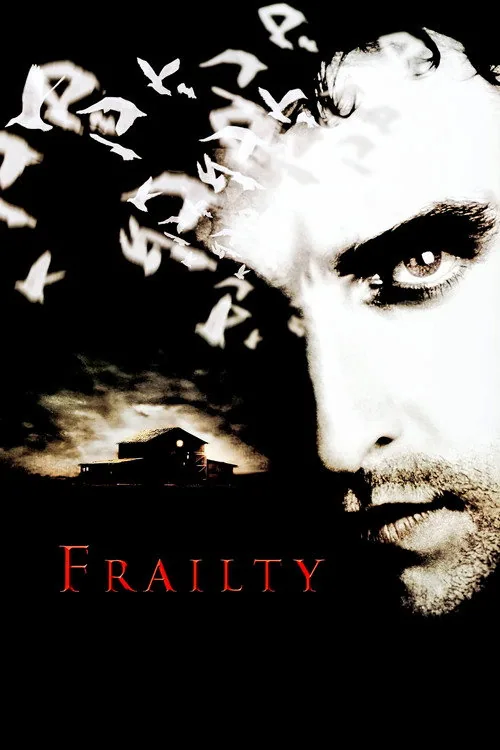
What changes Hot Spot 2 Much: episodic, segment-based and tonally varied. Frailty: layered testimony, slow revelation and psychological.
A Texas man enters a sheriff's office and tells a disturbing story about his childhood: his father claimed God had revealed that certain people were demons and ordered him to destroy them. The narrator and his brother were drawn into the father's secret mission, but each boy understood the violence and its claimed religious purpose differently. The Southern Gothic thriller lets the family story unfold as an investigation, keeping faith, fear, and memory in tension.
There is little recorded overlap with your starting film.
Why this matches +
Genres: Drama / Comedy
Shared film traits
Based on recorded story, mood and style. Your preferences can change the order.
Constructed reality
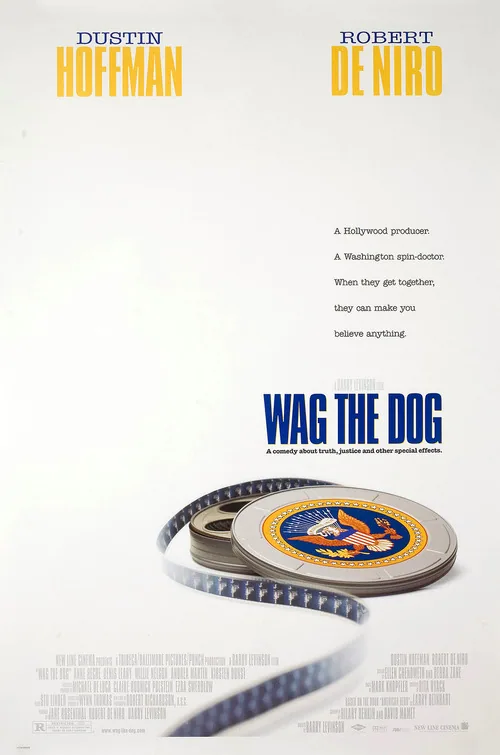
What changes Hot Spot 2 Much: episodic, segment-based and tonally varied. Wag the Dog: schematic and escalating deception.
With a presidential sex scandal threatening an election, political consultant Conrad Brean hires Hollywood producer Stanley Motss to invent a distant war that can redirect the news. Motss treats the crisis as a production problem, assembling images, slogans, music and a fictional hero with the same craft he would use for a movie. Brean manages government messaging while the fabricated conflict begins to acquire an independent life in the media. The film’s comedy comes from watching public belief depend on the details of a story that exists mainly because two professionals know how to stage it. As the campaign grows, it becomes less controllable, even for the people who made it. The satire targets both political spin and entertainment’s ability to make images feel like evidence.
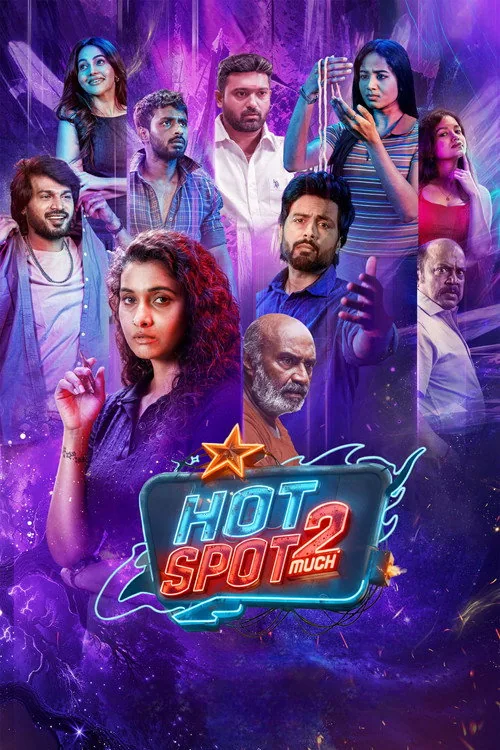
A storyteller presents three comic and provocative tales, moving from the toxic behavior of obsessive fans to a father struggling with his daughter's modern self-expression and a dystopian romance shaped by a time machine. The anthology uses satire to connect social disagreements that range from celebrity culture and family values to changing ideas of intimacy. Each segment has its own setup, while the framing device gives the film a chance to comment on who gets to tell a story and how quickly moral certainty becomes judgment.
What drives the story
A presenter shares three stories that turn familiar social debates into comic and speculative situations.
The people at its centre
Each segment tests the gap between people's stated values and their judgments of others' behavior.
What it feels like
The anthology shifts tone and premise between stories, using satire to invite discussion rather than one continuous plot.
Worth knowing
Its variety comes from distinct short narratives, with the framing voice providing a loose thematic connection.
social hypocrisygenerational conflictstorytelling and judgment
Mood
sarcastic · provocative · comic
Pacing
episodic · segment-based · tonally varied
Visual style
contrasting story worlds · direct comic staging · contemporary Tamil settings
Storytelling
three-part anthology · social satire · framing storyteller