Explore films connected to Father Mother Sister Brother through family distance, unspoken affection, memory. Choose the qualities you want to carry into your next watch.
What should feel similar?
Find your next favourite
9 films · Closest overall matches
Hide films you’ve seen or don’t want. Saved on this device.
No matches for this combination yet.
Try another option or reset your choices to see more films.
Based on recorded story, mood and style. Your preferences can change the order.
Memory and identity
What changes Father Mother Sister Brother: unhurried, observational and episodic. Twinless: character-led, revealing and tonally shifting.
After losing his twin brother, Roman joins a support group for people grieving twins and meets Dennis, whose own loss has left him lonely and guarded. Their bond offers a route through grief, but secrets and conflicting motives complicate the connection. James Sweeney's dark comedy-drama follows two men trying to understand one another while using humor, discomfort, and shifts in perspective to examine how bereavement can reshape identity and the stories people present to others.
Based on recorded story, mood and style. Your preferences can change the order.
Memory and identity
What changes Father Mother Sister Brother: unhurried, observational and episodic. Little Brother: comic escalation, character-led and brisk.
A meticulous real-estate agent has built a picture-perfect life, but his eccentric younger brother's sudden return disrupts the image he has carefully maintained. Their reunion forces him to deal with old family patterns, a spouse skeptical of the newcomer, and a sibling who refuses to fit into the polished version of adulthood. The comedy uses the contrast between public composure and intimate chaos to explore how family can unsettle a life organized around control.
Based on recorded story, mood and style. Your preferences can change the order.
Memory and identity
What changes Father Mother Sister Brother: unhurried, observational and episodic. Goodbye June: character-driven, intimate and reflective.
Just before Christmas, four estranged siblings reunite at their terminally ill mother June's hospital bedside. June faces the end on her own terms, with sharp humor and directness, while her children revisit old arguments, hidden resentments, and complicated forms of love. Their father and a caring nurse become part of the family gathering as holiday routines are reworked around the hospital room. The drama treats grief as a shared family process, moving between pain and tenderness as June's final days bring relatives back into one another's lives.
Based on recorded story, mood and style. Your preferences can change the order.
Memory and identity
What changes Father Mother Sister Brother: unhurried, observational and episodic. Kaalidhar Laapata: episodic journey, character-led and reflective.
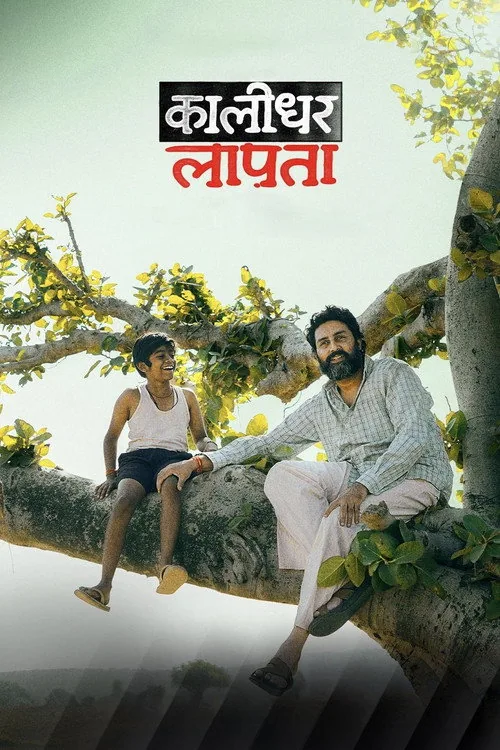
Middle-aged Kaalidhar, who is experiencing memory loss, overhears his family planning to leave him behind during a religious gathering and decides to leave on his own. On the road he meets Ballu, an eight-year-old orphan, and the two form an unexpected bond. They travel across India to complete items on Kaalidhar's bucket list, turning a private fear of abandonment into a shared adventure. The Hindi drama balances humor and poignancy as an older man and child help each other rediscover a sense of purpose and belonging.
Based on recorded story, mood and style. Your preferences can change the order.
What changes Father Mother Sister Brother is tagged quiet and wry; Hot Spot 2 Much is tagged sarcastic and provocative.
A storyteller presents three comic and provocative tales, moving from the toxic behavior of obsessive fans to a father struggling with his daughter's modern self-expression and a dystopian romance shaped by a time machine. The anthology uses satire to connect social disagreements that range from celebrity culture and family values to changing ideas of intimacy. Each segment has its own setup, while the framing device gives the film a chance to comment on who gets to tell a story and how quickly moral certainty becomes judgment.
Based on recorded story, mood and style. Your preferences can change the order.
Expect wry and tender, with episodic and reflective pacing.
Fifteen-year-old Oliver Tate observes his school and family life with elaborate seriousness, hoping to understand how to become an adult on his own terms. He begins a relationship with Jordana, whose bluntness challenges his romantic plans, while also trying to prevent his parents' marriage from falling apart. The Welsh coming-of-age comedy follows these two rescue missions with dry humor, handwritten schemes, and a narrator whose imagination is more confident than his understanding.
Based on recorded story, mood and style. Your preferences can change the order.
Memory and identity
What changes Father Mother Sister Brother is tagged quiet and wry; The Last Viking is tagged darkly comic and tender.
After fifteen years in prison, Anker returns to recover money from a robbery that his brother Manfred buried, only to find that Manfred has lost access to the memory of where it is. Manfred now lives inside an unstable identity shaped by his Beatles fixation, and the brothers’ search brings old wounds into collision with absurd reinvention. Anders Thomas Jensen’s dark comedy uses a criminal errand to explore trauma, family bonds, and the fragile stories people tell about themselves.
Based on recorded story, mood and style. Your preferences can change the order.
What changes Father Mother Sister Brother is tagged quiet and wry; Tourist Family is tagged warm and hopeful.
A Tamil family fleeing Sri Lanka's economic crisis reaches India seeking safety and a fresh start. Their arrival brings them into contact with local authorities and neighbors, and small acts of kindness gradually turn an uncertain migration story into a community comedy-drama. Tourist Family balances the risks of displacement with domestic humor, following parents and children as they adapt to unfamiliar surroundings and discover how hospitality can bridge national and cultural boundaries.
Based on recorded story, mood and style. Your preferences can change the order.
Expect bittersweet and wry, with episodic and measured pacing.
With a large asteroid expected to strike Earth in three weeks, insurance salesman Dodge finds that his wife has left him and his familiar routines have collapsed. He joins Penny, a neighbor trying to reach her family, on a cross-country journey that brings them into contact with strangers facing the same deadline. Their road trip becomes a quiet attempt to make choices, repair connections, and find companionship before the end.
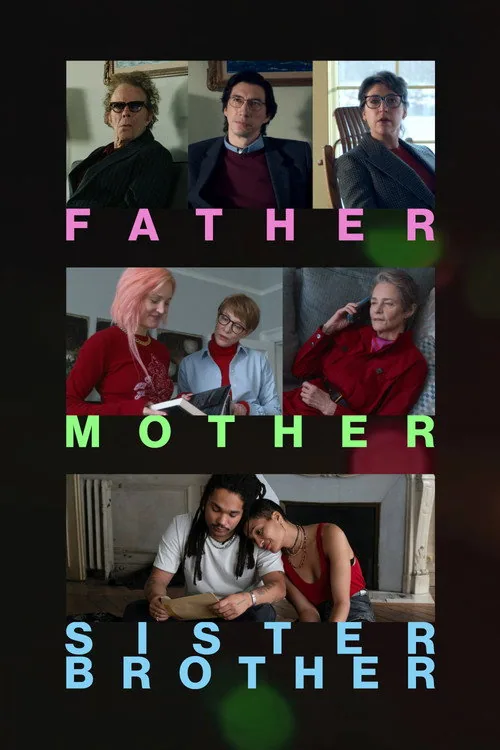
Jim Jarmusch's triptych follows adult siblings in three separate family encounters: grown children visit a reclusive father in the United States, sisters reunite with their mother in Dublin, and twin siblings return to a Paris apartment after a family tragedy. The stories are connected by distance, habit, and what relatives leave unsaid rather than by a shared plot. Observational pauses and small gestures make ordinary gatherings the film's central dramatic events.
What drives the story
Three family gatherings reveal how adult children interpret parents and siblings through small present-day encounters.
The people at its centre
Each chapter stages affection and estrangement through behavior, omissions, and carefully maintained family roles.
What it feels like
The film asks for attention to pauses, objects, and understated humor rather than conventional plot momentum.
Worth knowing
Its triptych structure links independent family stories thematically instead of resolving them into one ensemble narrative.