Explore films connected to Little Brother through family responsibility, control and spontaneity, adult identity. Choose the qualities you want to carry into your next watch.
What should feel similar?
Find your next favourite
9 films · Closest overall matches
Hide films you’ve seen or don’t want. Saved on this device.
No matches for this combination yet.
Try another option or reset your choices to see more films.
Based on recorded story, mood and style. Your preferences can change the order.
What changes Little Brother: comic escalation, character-led and brisk. Mission Muh Dikhayi: sketch-like comedy, domestic escalation and warm resolution.
A modern young bride enters a traditional family household, and the shift in customs and expectations creates comic commotion. The story presents the collision through family members adjusting to one another, with the new daughter-in-law's perspective challenging established routines. Built as a Hindi family comedy for a broad online audience, the film uses domestic rituals and generational differences as its main source of conflict, letting household misunderstandings develop into a communal celebration of change and acceptance.
Based on recorded story, mood and style. Your preferences can change the order.
Memory and identity
What changes Little Brother: comic escalation, character-led and brisk. The Last Viking: road-trip shaped, episodic and tonal shifts.
After fifteen years in prison, Anker returns to recover money from a robbery that his brother Manfred buried, only to find that Manfred has lost access to the memory of where it is. Manfred now lives inside an unstable identity shaped by his Beatles fixation, and the brothers’ search brings old wounds into collision with absurd reinvention. Anders Thomas Jensen’s dark comedy uses a criminal errand to explore trauma, family bonds, and the fragile stories people tell about themselves.
Based on recorded story, mood and style. Your preferences can change the order.
What changes Little Brother: comic escalation, character-led and brisk. Submarine: episodic, reflective and gentle.
Fifteen-year-old Oliver Tate observes his school and family life with elaborate seriousness, hoping to understand how to become an adult on his own terms. He begins a relationship with Jordana, whose bluntness challenges his romantic plans, while also trying to prevent his parents' marriage from falling apart. The Welsh coming-of-age comedy follows these two rescue missions with dry humor, handwritten schemes, and a narrator whose imagination is more confident than his understanding.
Based on recorded story, mood and style. Your preferences can change the order.
What changes Little Brother is tagged chaotic and affectionate; The Family Plan 2 is tagged playful and suspenseful.
Dan Morgan has managed to trade his past as a lethal government assassin for a quieter life as a husband and father, but a new family trip brings old danger into view. The sequel shifts the Morgan family to Europe, where a former enemy targets them and the family’s own plans and secrets complicate the escape. Its action-comedy engine depends on how much Dan can conceal while keeping his family together.
Based on recorded story, mood and style. Your preferences can change the order.
Memory and identity
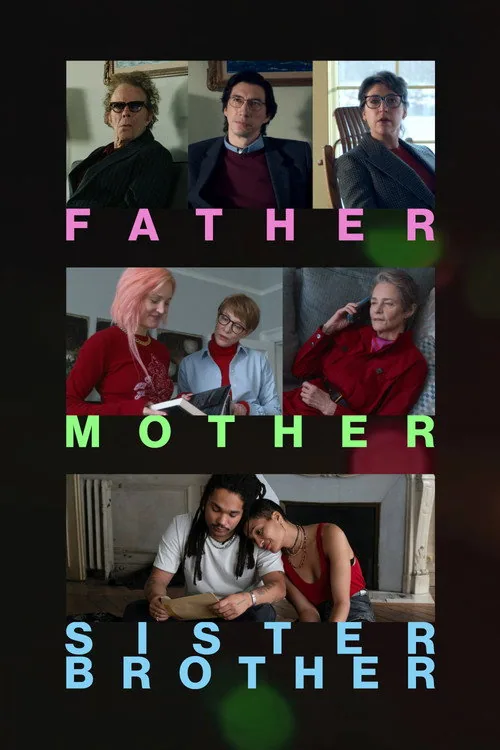
What changes Little Brother: comic escalation, character-led and brisk. Father Mother Sister Brother: unhurried, observational and episodic.
Jim Jarmusch's triptych follows adult siblings in three separate family encounters: grown children visit a reclusive father in the United States, sisters reunite with their mother in Dublin, and twin siblings return to a Paris apartment after a family tragedy. The stories are connected by distance, habit, and what relatives leave unsaid rather than by a shared plot. Observational pauses and small gestures make ordinary gatherings the film's central dramatic events.
Based on recorded story, mood and style. Your preferences can change the order.
Memory and identity
What changes Little Brother is tagged chaotic and affectionate; Twinless is tagged wry and tender.
After losing his twin brother, Roman joins a support group for people grieving twins and meets Dennis, whose own loss has left him lonely and guarded. Their bond offers a route through grief, but secrets and conflicting motives complicate the connection. James Sweeney's dark comedy-drama follows two men trying to understand one another while using humor, discomfort, and shifts in perspective to examine how bereavement can reshape identity and the stories people present to others.
Based on recorded story, mood and style. Your preferences can change the order.
What changes Little Brother is tagged chaotic and affectionate; Fackham Hall is tagged irreverent and silly.
Eric Noone, an orphan and thief, arrives at the Davenport estate to deliver a message but is mistaken for a hall-boy applicant and drawn into the household. The family is scrambling to preserve its ancestral manor through a socially convenient marriage, while Eric's presence disrupts carefully managed class roles. Fackham Hall turns the country-house period drama into a farce, using mistaken identity, inherited privilege, and romantic complications as targets for broad parody.
Based on recorded story, mood and style. Your preferences can change the order.
Memory and identity
What changes Little Brother: comic escalation, character-led and brisk. Nirvanna the Band the Show the Movie: improvised feel, escalating and comic set pieces.
Toronto musicians Matt Johnson and Jay McCarrol have spent years failing to book a show for their band, Nirvanna. A new publicity stunt involving the CN Tower and a Blue Jays game sends their already improbable plans spiraling into a time-bending adventure. Playing heightened versions of themselves, the duo use pranks, staged interventions, and real city locations to blur documentary texture with absurd fiction. The feature extends their long-running comedy about friendship and stubborn creative ambition.
Based on recorded story, mood and style. Your preferences can change the order.
Memory and identity
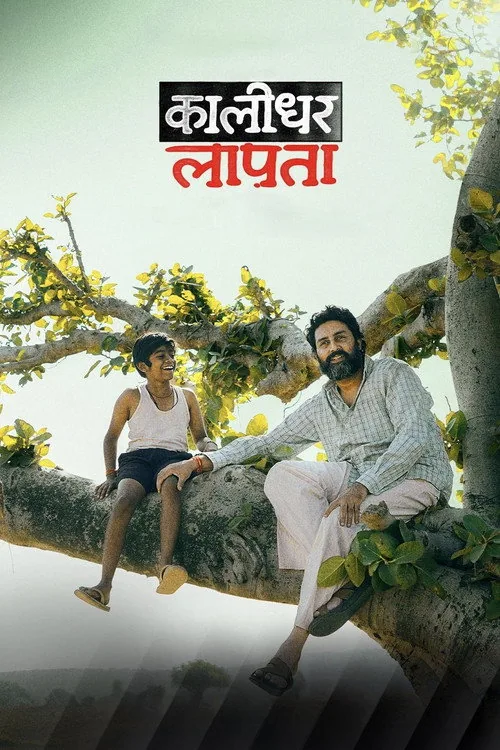
What changes Little Brother is tagged chaotic and affectionate; Kaalidhar Laapata is tagged gentle and hopeful.
Middle-aged Kaalidhar, who is experiencing memory loss, overhears his family planning to leave him behind during a religious gathering and decides to leave on his own. On the road he meets Ballu, an eight-year-old orphan, and the two form an unexpected bond. They travel across India to complete items on Kaalidhar's bucket list, turning a private fear of abandonment into a shared adventure. The Hindi drama balances humor and poignancy as an older man and child help each other rediscover a sense of purpose and belonging.
A meticulous real-estate agent has built a picture-perfect life, but his eccentric younger brother's sudden return disrupts the image he has carefully maintained. Their reunion forces him to deal with old family patterns, a spouse skeptical of the newcomer, and a sibling who refuses to fit into the polished version of adulthood. The comedy uses the contrast between public composure and intimate chaos to explore how family can unsettle a life organized around control.
What drives the story
The reappearance of an unruly sibling disrupts a realtor's carefully managed home and public image.
The people at its centre
The brothers must navigate an old bond whose imbalance has been hidden beneath years of adult routines.
What it feels like
The comedy draws on the friction between polished professional life and unpredictable family behavior.
Worth knowing
Its conflict is a contemporary sibling reunion, with family history driving the disruption more than external stakes.
family responsibilitycontrol and spontaneityadult identity
Mood
chaotic · affectionate · awkward
Pacing
comic escalation · character-led · brisk
Visual style
polished domestic spaces · physical comedy · contemporary city life
Storytelling
unexpected sibling reunion · uptight professional · family comedy