Explore films connected to The Last Viking through memory and identity, brotherhood, trauma and repair. Choose the qualities you want to carry into your next watch.
What should feel similar?
Find your next favourite
9 films · Closest overall matches
Hide films you’ve seen or don’t want. Saved on this device.
No matches for this combination yet.
Try another option or reset your choices to see more films.
Based on recorded story, mood and style. Your preferences can change the order.
Memory and identity
What changes The Last Viking: road-trip shaped, episodic and tonal shifts. Twinless: character-led, revealing and tonally shifting.
After losing his twin brother, Roman joins a support group for people grieving twins and meets Dennis, whose own loss has left him lonely and guarded. Their bond offers a route through grief, but secrets and conflicting motives complicate the connection. James Sweeney's dark comedy-drama follows two men trying to understand one another while using humor, discomfort, and shifts in perspective to examine how bereavement can reshape identity and the stories people present to others.
Based on recorded story, mood and style. Your preferences can change the order.
Memory and identity
What changes The Last Viking: road-trip shaped, episodic and tonal shifts. Little Brother: comic escalation, character-led and brisk.
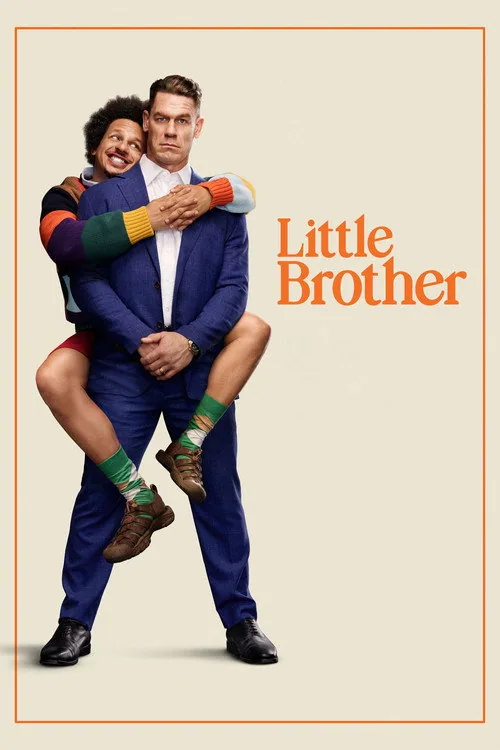
A meticulous real-estate agent has built a picture-perfect life, but his eccentric younger brother's sudden return disrupts the image he has carefully maintained. Their reunion forces him to deal with old family patterns, a spouse skeptical of the newcomer, and a sibling who refuses to fit into the polished version of adulthood. The comedy uses the contrast between public composure and intimate chaos to explore how family can unsettle a life organized around control.
Based on recorded story, mood and style. Your preferences can change the order.
Memory and identity
Expect abrasive and darkly comic, with episodic and spiraling pacing.
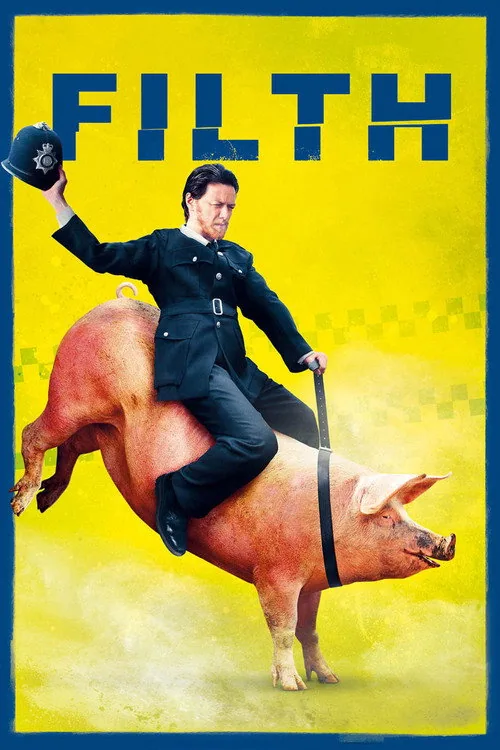
Edinburgh detective Bruce Robertson is assigned to investigate a colleague's murder while campaigning for a promotion he assumes he deserves. His drinking, drug use, cruelty, and increasingly unreliable perceptions damage nearly every relationship around him, even as he tries to manipulate the case and his rivals. The adaptation of Irvine Welsh's novel uses abrasive black comedy to reveal a man whose appetite for control conceals grief and serious psychological collapse.
Based on recorded story, mood and style. Your preferences can change the order.
Memory and identity · Criminal underworld
What changes The Last Viking: road-trip shaped, episodic and tonal shifts. Before the Devil Knows You're Dead: measured, nonlinear and escalating.
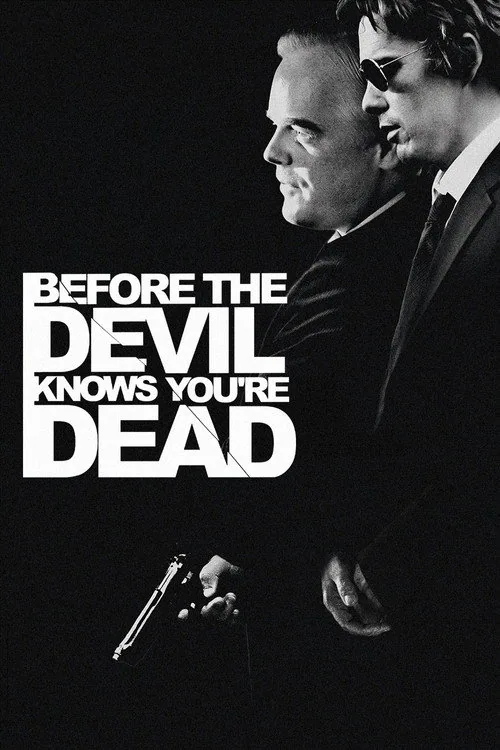
Payroll executive Andy Hanson is in serious financial trouble, and he persuades his younger brother Hank to help rob the suburban jewelry store owned by their parents. Their plan appears low risk because the victims are family, but the crime exposes old resentments and competing versions of responsibility. The robbery’s aftermath draws the brothers, their father, and Andy’s wife into a tightening family tragedy.
Based on recorded story, mood and style. Your preferences can change the order.
Criminal underworld
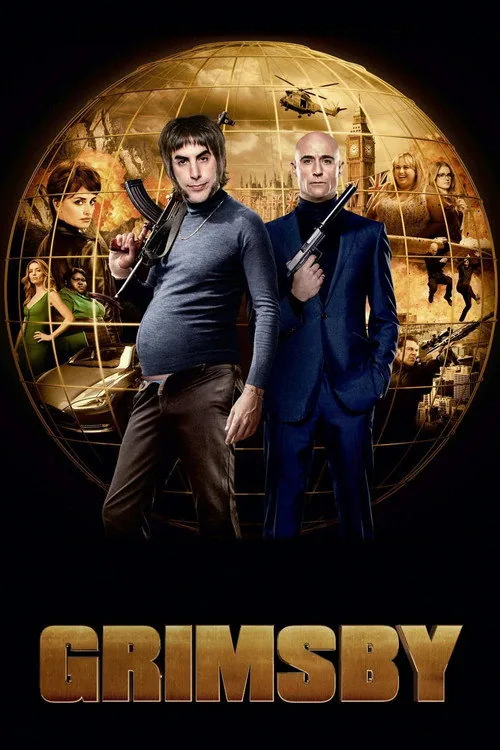
What changes The Last Viking: road-trip shaped, episodic and tonal shifts. Grimsby: set-piece driven, rapid reversals and continuous pursuit.
Nobby Butcher, a loud football supporter from Grimsby, has spent years searching for his younger brother Sebastian, who became a disciplined intelligence officer. When they reunite, Nobby accidentally disrupts Sebastian's operation and the pair are forced to flee from people trying to control a dangerous conspiracy. Their opposing temperaments drive broad physical comedy as they attempt to repair a sibling bond while surviving an international chase.
Based on recorded story, mood and style. Your preferences can change the order.
Memory and identity
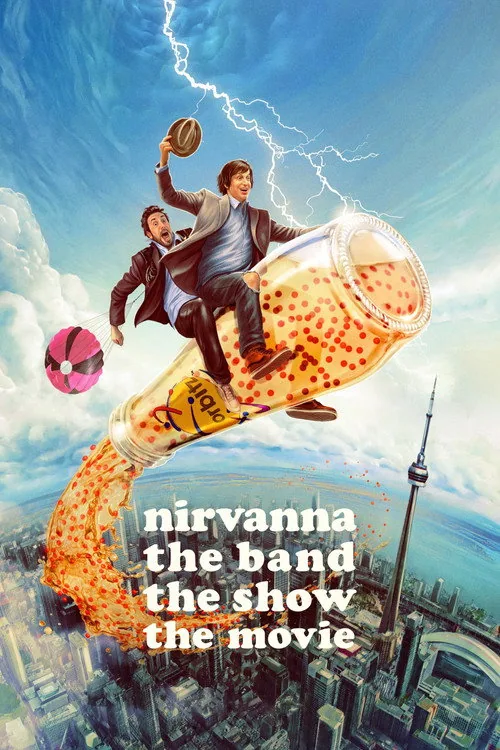
What changes The Last Viking: road-trip shaped, episodic and tonal shifts. Nirvanna the Band the Show the Movie: improvised feel, escalating and comic set pieces.
Toronto musicians Matt Johnson and Jay McCarrol have spent years failing to book a show for their band, Nirvanna. A new publicity stunt involving the CN Tower and a Blue Jays game sends their already improbable plans spiraling into a time-bending adventure. Playing heightened versions of themselves, the duo use pranks, staged interventions, and real city locations to blur documentary texture with absurd fiction. The feature extends their long-running comedy about friendship and stubborn creative ambition.
Based on recorded story, mood and style. Your preferences can change the order.
Memory and identity
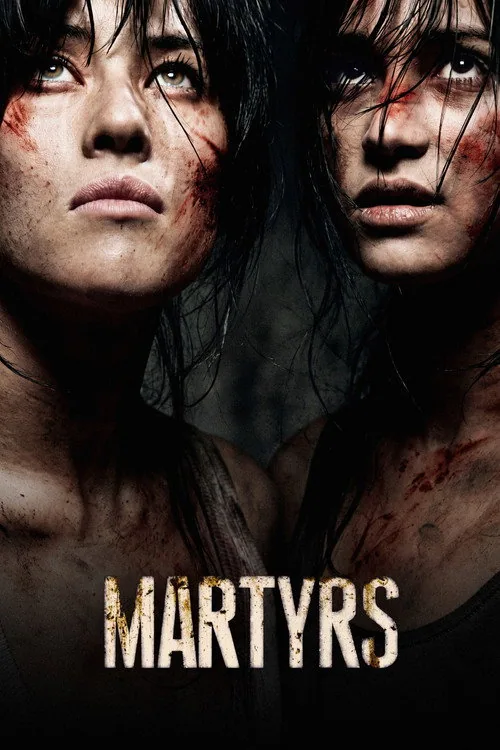
What changes The Last Viking: road-trip shaped, episodic and tonal shifts. Martyrs: escalating, violent reversals and claustrophobic.
Lucie escapes a childhood of captivity and torture, then years later attacks a family she believes was responsible for her suffering. Her friend Anna arrives and discovers a hidden chamber and a secretive group that subjects people to extreme abuse in pursuit of answers about the afterlife. As Anna tries to understand what Lucie has found, the French horror film turns revenge into a brutal confrontation with faith, trauma, and the limits of endurance.
Both share themes of memory and identity, plus a tender atmosphere.
Why this matches +
Genres: drama / romance
Shared film traits
Based on recorded story, mood and style. Your preferences can change the order.
Memory and identity
What changes The Last Viking: road-trip shaped, episodic and tonal shifts. Main Vaapas Aaunga: reflective, past-and-present structure and emotional.
At 95, Ishar Singh Grewal is nearing the end of his life but remains fixated on returning to Sargodha, the home he left during Partition. His grandson Nirvair tries to understand his fragmented memories, which carry the story back to the young Ishar's romance with Afsana and their separation amid the mass displacement of 1947. The historical drama links dementia and family memory to a love story interrupted by political violence and the unresolved ache of an abandoned homeland.
Based on recorded story, mood and style. Your preferences can change the order.
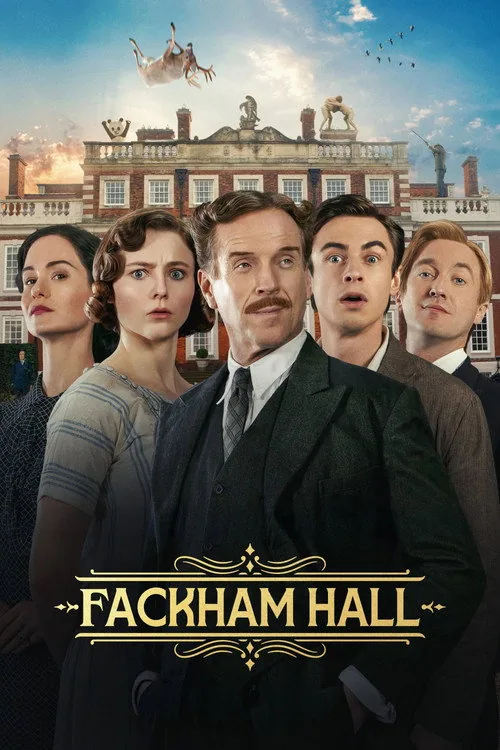
What changes The Last Viking: road-trip shaped, episodic and tonal shifts. Fackham Hall: quick-fire, ensemble-driven and comic escalation.
Eric Noone, an orphan and thief, arrives at the Davenport estate to deliver a message but is mistaken for a hall-boy applicant and drawn into the household. The family is scrambling to preserve its ancestral manor through a socially convenient marriage, while Eric's presence disrupts carefully managed class roles. Fackham Hall turns the country-house period drama into a farce, using mistaken identity, inherited privilege, and romantic complications as targets for broad parody.
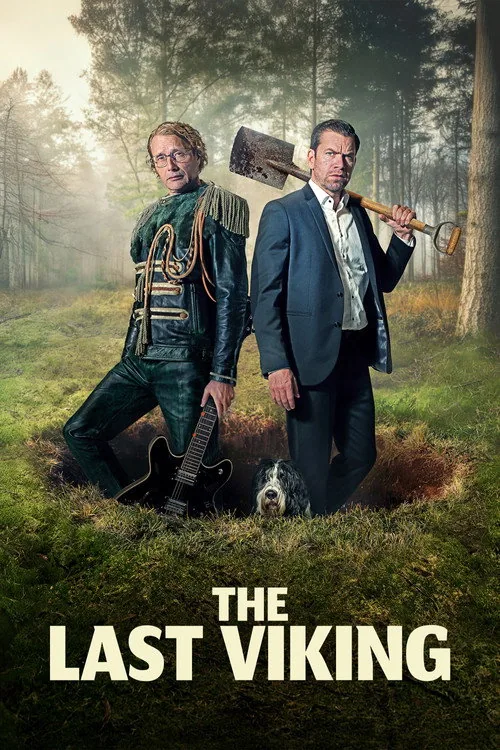
After fifteen years in prison, Anker returns to recover money from a robbery that his brother Manfred buried, only to find that Manfred has lost access to the memory of where it is. Manfred now lives inside an unstable identity shaped by his Beatles fixation, and the brothers’ search brings old wounds into collision with absurd reinvention. Anders Thomas Jensen’s dark comedy uses a criminal errand to explore trauma, family bonds, and the fragile stories people tell about themselves.
What drives the story
An ex-prisoner needs his brother's forgotten hiding place, turning a simple retrieval into a search through identity.
The people at its centre
Anker's practical urgency clashes with Manfred's shifting sense of self and the family's efforts to accommodate him.
What it feels like
Deadpan absurdity sits beside genuine sadness, violence, and unexpectedly gentle moments between brothers.
Worth knowing
The crime plot mainly opens space for character study; the film's central interest is how people live with trauma.