Based on recorded story, mood and style. Your preferences can change the order.
Criminal underworld
What changes Grimsby: set-piece driven, rapid reversals and continuous pursuit. The Last Viking: road-trip shaped, episodic and tonal shifts.
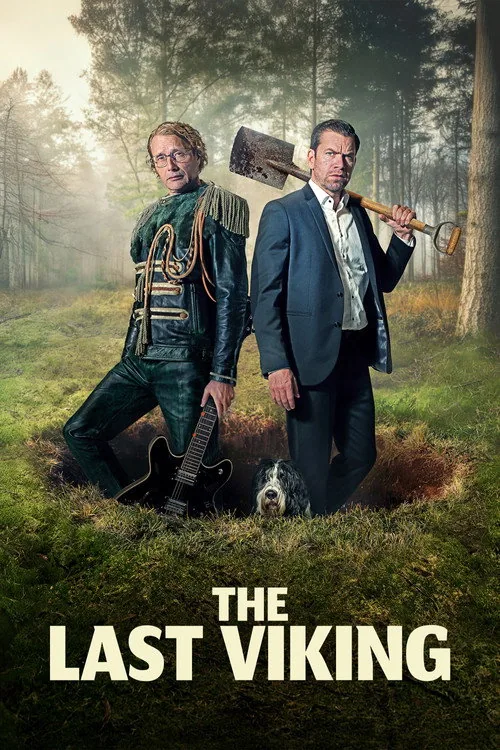
After fifteen years in prison, Anker returns to recover money from a robbery that his brother Manfred buried, only to find that Manfred has lost access to the memory of where it is. Manfred now lives inside an unstable identity shaped by his Beatles fixation, and the brothers’ search brings old wounds into collision with absurd reinvention. Anders Thomas Jensen’s dark comedy uses a criminal errand to explore trauma, family bonds, and the fragile stories people tell about themselves.
Based on recorded story, mood and style. Your preferences can change the order.
Escape and pursuit · Criminal underworld
What changes Grimsby is tagged raucous and absurd; The Family Plan 2 is tagged playful and suspenseful.
Dan Morgan has managed to trade his past as a lethal government assassin for a quieter life as a husband and father, but a new family trip brings old danger into view. The sequel shifts the Morgan family to Europe, where a former enemy targets them and the family’s own plans and secrets complicate the escape. Its action-comedy engine depends on how much Dan can conceal while keeping his family together.
Based on recorded story, mood and style. Your preferences can change the order.
Criminal underworld
What changes Grimsby: set-piece driven, rapid reversals and continuous pursuit. The Guard: procedural, dialogue led and gradual reveal.
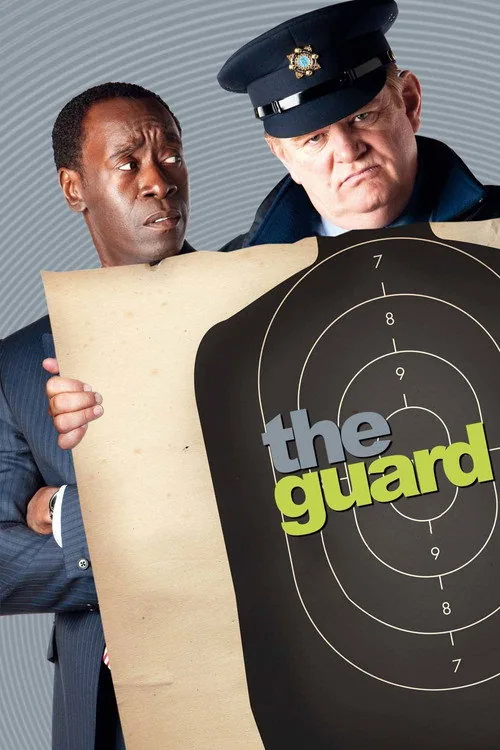
In rural County Galway, Garda sergeant Gerry Boyle investigates a murder while an international cocaine-smuggling operation attracts the attention of the FBI. He is paired with agent Wendell Everett, whose procedural professionalism clashes with Boyle's irreverence and apparent indifference. Their partnership gradually reveals that Boyle's crude manner hides a sharper intelligence and a personal code, giving the Irish crime comedy its balance of criminal investigation, cultural friction, and unexpected moral courage.
Based on recorded story, mood and style. Your preferences can change the order.
What changes Grimsby: set-piece driven, rapid reversals and continuous pursuit. Submarine: episodic, reflective and gentle.
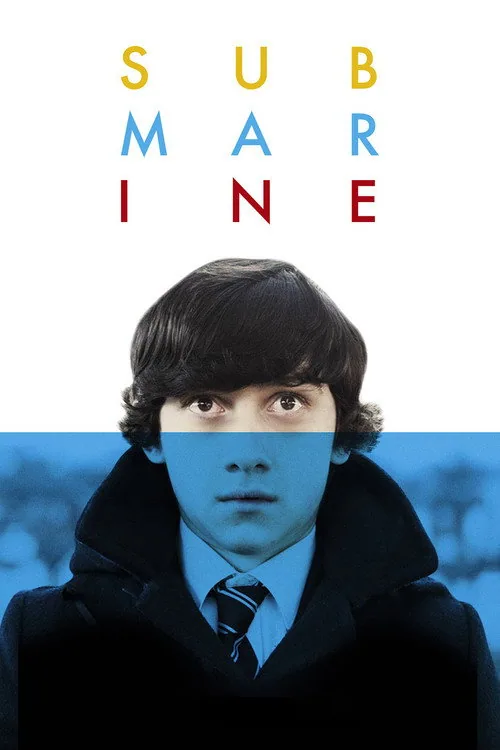
Fifteen-year-old Oliver Tate observes his school and family life with elaborate seriousness, hoping to understand how to become an adult on his own terms. He begins a relationship with Jordana, whose bluntness challenges his romantic plans, while also trying to prevent his parents' marriage from falling apart. The Welsh coming-of-age comedy follows these two rescue missions with dry humor, handwritten schemes, and a narrator whose imagination is more confident than his understanding.
Based on recorded story, mood and style. Your preferences can change the order.
What changes Grimsby: set-piece driven, rapid reversals and continuous pursuit. Filth: episodic, spiraling and subjective.
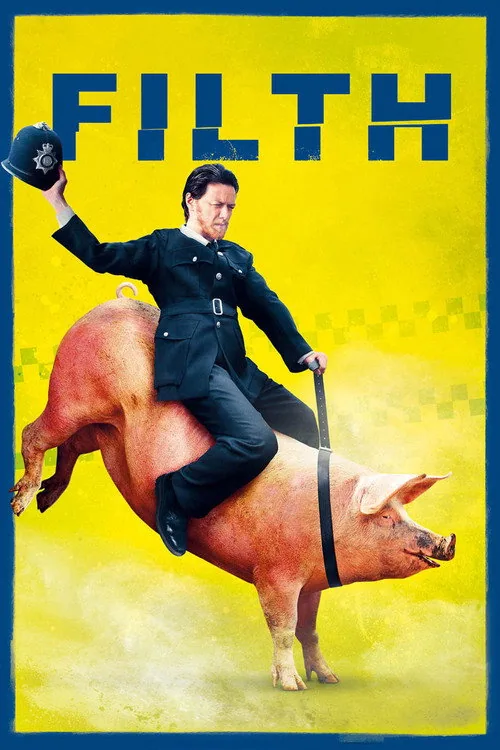
Edinburgh detective Bruce Robertson is assigned to investigate a colleague's murder while campaigning for a promotion he assumes he deserves. His drinking, drug use, cruelty, and increasingly unreliable perceptions damage nearly every relationship around him, even as he tries to manipulate the case and his rivals. The adaptation of Irvine Welsh's novel uses abrasive black comedy to reveal a man whose appetite for control conceals grief and serious psychological collapse.
Based on recorded story, mood and style. Your preferences can change the order.
What changes Grimsby: set-piece driven, rapid reversals and continuous pursuit. Little Brother: comic escalation, character-led and brisk.
A meticulous real-estate agent has built a picture-perfect life, but his eccentric younger brother's sudden return disrupts the image he has carefully maintained. Their reunion forces him to deal with old family patterns, a spouse skeptical of the newcomer, and a sibling who refuses to fit into the polished version of adulthood. The comedy uses the contrast between public composure and intimate chaos to explore how family can unsettle a life organized around control.
Based on recorded story, mood and style. Your preferences can change the order.
What changes Grimsby: set-piece driven, rapid reversals and continuous pursuit. De De Pyaar De 2: dialogue-led, ensemble-driven and comic escalation.
Ashish, a 51-year-old London investor, travels to meet the family of his 27-year-old girlfriend Ayesha, hoping to win their approval. Ayesha is unsure how to introduce him, and her parents quickly sense that she is hiding his age. The sequel moves its age-gap romance into a family setting where affection must face awkward questions, generational expectations, and the difference between accepting a relationship privately and welcoming it into a household.
Based on recorded story, mood and style. Your preferences can change the order.
What changes Grimsby: set-piece driven, rapid reversals and continuous pursuit. The Heartbreak Kid: misunderstandings, comic escalation and romantic triangle.
Eddie, a sporting-goods store owner, impulsively marries Lila and takes her to Mexico for their honeymoon. There he becomes infatuated with Miranda, a woman whose easy charm seems to embody the life he imagines he has missed. Lila's intrusive habits and Eddie's weak boundaries complicate the situation, turning a vacation flirtation into an increasingly public series of bad decisions in this Farrelly brothers remake of a 1972 comedy.
Based on recorded story, mood and style. Your preferences can change the order.
What changes Grimsby: set-piece driven, rapid reversals and continuous pursuit. Twinless: character-led, revealing and tonally shifting.
After losing his twin brother, Roman joins a support group for people grieving twins and meets Dennis, whose own loss has left him lonely and guarded. Their bond offers a route through grief, but secrets and conflicting motives complicate the connection. James Sweeney's dark comedy-drama follows two men trying to understand one another while using humor, discomfort, and shifts in perspective to examine how bereavement can reshape identity and the stories people present to others.
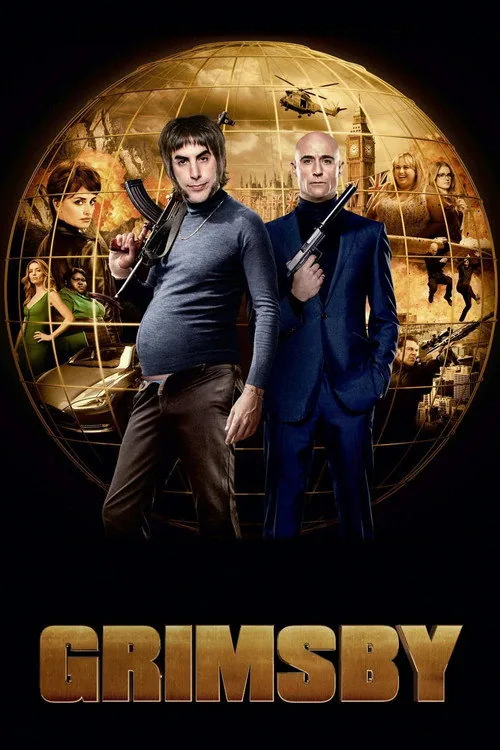
Nobby Butcher, a loud football supporter from Grimsby, has spent years searching for his younger brother Sebastian, who became a disciplined intelligence officer. When they reunite, Nobby accidentally disrupts Sebastian's operation and the pair are forced to flee from people trying to control a dangerous conspiracy. Their opposing temperaments drive broad physical comedy as they attempt to repair a sibling bond while surviving an international chase.
What drives the story
A long-separated pair of brothers reunite in the middle of an intelligence operation gone wrong.
The people at its centre
Nobby's impulsive loyalty clashes with Sebastian's trained reserve, but their shared history becomes useful under pressure.
What it feels like
Gross-out comedy and spy-film action are deliberately mixed, with the brothers' mismatch supplying most of the humor.
Worth knowing
Its spy plot is a framework for outrageous sibling comedy rather than a straight espionage thriller.