Based on recorded story, mood and style. Your preferences can change the order.
Memory and identity
What changes Twinless: character-led, revealing and tonally shifting. Father Mother Sister Brother: unhurried, observational and episodic.
Jim Jarmusch's triptych follows adult siblings in three separate family encounters: grown children visit a reclusive father in the United States, sisters reunite with their mother in Dublin, and twin siblings return to a Paris apartment after a family tragedy. The stories are connected by distance, habit, and what relatives leave unsaid rather than by a shared plot. Observational pauses and small gestures make ordinary gatherings the film's central dramatic events.
Based on recorded story, mood and style. Your preferences can change the order.
Memory and identity
What changes Twinless: character-led, revealing and tonally shifting. Goodbye June: character-driven, intimate and reflective.
Just before Christmas, four estranged siblings reunite at their terminally ill mother June's hospital bedside. June faces the end on her own terms, with sharp humor and directness, while her children revisit old arguments, hidden resentments, and complicated forms of love. Their father and a caring nurse become part of the family gathering as holiday routines are reworked around the hospital room. The drama treats grief as a shared family process, moving between pain and tenderness as June's final days bring relatives back into one another's lives.
Based on recorded story, mood and style. Your preferences can change the order.
Memory and identity
What changes Twinless: character-led, revealing and tonally shifting. The Last Viking: road-trip shaped, episodic and tonal shifts.
After fifteen years in prison, Anker returns to recover money from a robbery that his brother Manfred buried, only to find that Manfred has lost access to the memory of where it is. Manfred now lives inside an unstable identity shaped by his Beatles fixation, and the brothers’ search brings old wounds into collision with absurd reinvention. Anders Thomas Jensen’s dark comedy uses a criminal errand to explore trauma, family bonds, and the fragile stories people tell about themselves.
Based on recorded story, mood and style. Your preferences can change the order.
Coming of age
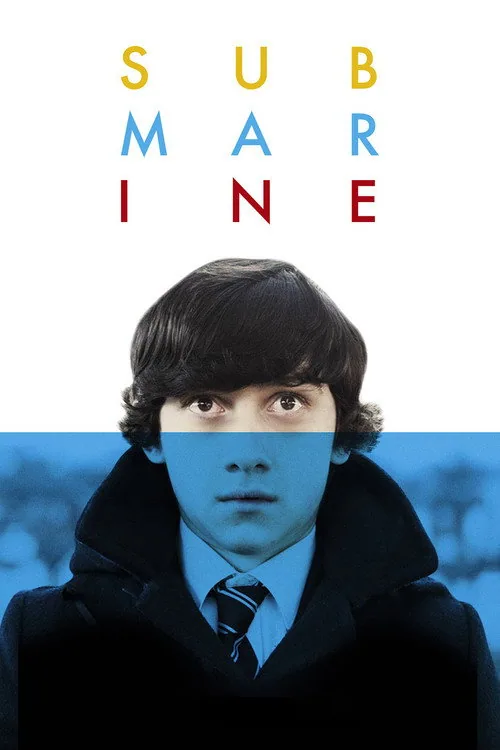
What changes Twinless: character-led, revealing and tonally shifting. Submarine: episodic, reflective and gentle.
Fifteen-year-old Oliver Tate observes his school and family life with elaborate seriousness, hoping to understand how to become an adult on his own terms. He begins a relationship with Jordana, whose bluntness challenges his romantic plans, while also trying to prevent his parents' marriage from falling apart. The Welsh coming-of-age comedy follows these two rescue missions with dry humor, handwritten schemes, and a narrator whose imagination is more confident than his understanding.
Based on recorded story, mood and style. Your preferences can change the order.
Memory and identity
What changes Twinless is tagged wry and tender; Little Brother is tagged chaotic and affectionate.
A meticulous real-estate agent has built a picture-perfect life, but his eccentric younger brother's sudden return disrupts the image he has carefully maintained. Their reunion forces him to deal with old family patterns, a spouse skeptical of the newcomer, and a sibling who refuses to fit into the polished version of adulthood. The comedy uses the contrast between public composure and intimate chaos to explore how family can unsettle a life organized around control.
Based on recorded story, mood and style. Your preferences can change the order.
Memory and identity · Coming of age
What changes Twinless: character-led, revealing and tonally shifting. Little Children: measured, interwoven and gradual.
In a New Jersey suburb, Sarah and Brad begin an affair while feeling dissatisfied with their marriages and unsure of their adult identities. Their relationship develops alongside the return of Ronnie, a convicted sex offender living with his mother under watchful community scrutiny. The intersecting stories examine desire, judgment, parenting, and the routines of neighborhood life, using two very different forms of public and private transgression to unsettle the characters' sense of normality.
Both share themes of loneliness, plus an uneasy atmosphere.
Why this matches +
Genres: crime / thriller
Shared film traits
Based on recorded story, mood and style. Your preferences can change the order.
Expect uneasy and empathetic, with investigative and character-led pacing.
Simon McNally, recently released from a mental hospital after nearly a decade, struggles with daily life while haunted by hallucinations and the voice of his abusive, deceased father. When Simon believes he has witnessed a woman being abducted, police dismiss his account. He persuades Ed, a retired security guard living nearby, to help search for her. The crime thriller makes a fragile witness and an unlikely partner the center of a missing-person investigation, keeping uncertainty about evidence and perception close to the surface.
Based on recorded story, mood and style. Your preferences can change the order.
Memory and identity
What changes Twinless: character-led, revealing and tonally shifting. Unpaarvaiyil: mystery-led, suspenseful and subjective.
After her twin sister Divya is murdered, Bhavya sets out to identify the killer. Her own eye disease worsens until she becomes blind, complicating her ability to investigate and increasing her dependence on the people closest to her. Her husband Ganesh questions whether grief and stress have distorted her account, leaving Bhavya to navigate both the case and the uncertainty surrounding her perception. This Tamil psychological thriller adapts Julia's Eyes as a story about twin bonds, vision, and the vulnerability of pursuing truth while losing the sense most associated with evidence.
Based on recorded story, mood and style. Your preferences can change the order.
Memory and identity
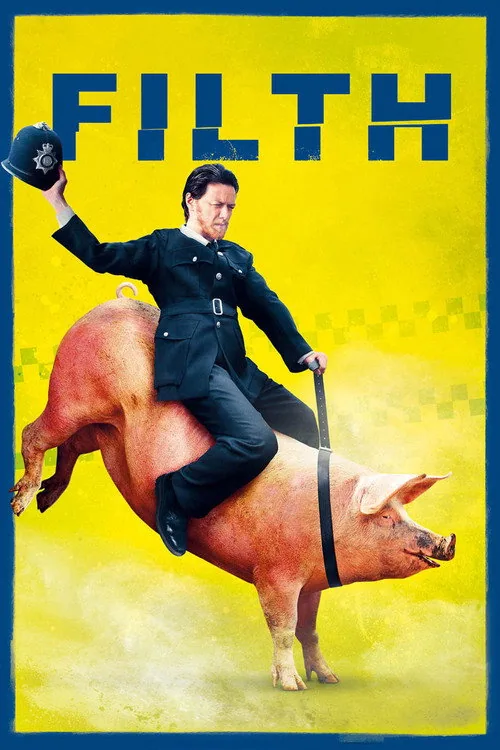
What changes Twinless: character-led, revealing and tonally shifting. Filth: episodic, spiraling and subjective.
Edinburgh detective Bruce Robertson is assigned to investigate a colleague's murder while campaigning for a promotion he assumes he deserves. His drinking, drug use, cruelty, and increasingly unreliable perceptions damage nearly every relationship around him, even as he tries to manipulate the case and his rivals. The adaptation of Irvine Welsh's novel uses abrasive black comedy to reveal a man whose appetite for control conceals grief and serious psychological collapse.
After losing his twin brother, Roman joins a support group for people grieving twins and meets Dennis, whose own loss has left him lonely and guarded. Their bond offers a route through grief, but secrets and conflicting motives complicate the connection. James Sweeney's dark comedy-drama follows two men trying to understand one another while using humor, discomfort, and shifts in perspective to examine how bereavement can reshape identity and the stories people present to others.
What drives the story
A support group connects two bereaved men, but the friendship deepens around information one of them withholds.
The people at its centre
Roman and Dennis seek closeness while managing grief, shame, and very different approaches to honesty.
What it feels like
The film moves from gentle social comedy into discomfort and emotional complexity without abandoning intimacy.
Worth knowing
Its twin-loss premise anchors a specific friendship study rather than a general ensemble portrait of mourning.
griefidentity and deceptionloneliness
Mood
wry · tender · uneasy
Pacing
character-led · revealing · tonally shifting
Visual style
intimate contemporary framing · naturalistic social spaces · perspective shifts
Storytelling
twin-loss support group · unlikely friendship · hidden motives